
Rafael Schacter
Author of The World Atlas of Street Art and Graffiti
About the Author
Works by Rafael Schacter
Tagged
Common Knowledge
There is no Common Knowledge data for this author yet. You can help.
Members
Reviews
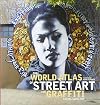
Say what you will about street art, it isn’t going anywhere. It can be galling or beautiful. It can inspire passers-by or simply blend into the scenery. The original print for the Obama Hope campaign was spawned from a piece of street art. Rafael’s World Atlas of Street Art and Graffiti is a massive undertaking—an attempt to collect evidence of and write intelligently about a style of art that is meant to fade away or be seen as vandalistic or even puerile. With very few exceptions, show more there are no photographs of the artists in this book. Instead, the art speaks for itself alongside modest short essays detailing some small details of the artist’s life and a quick explanation of their motivations and styles.
Schachter gives street art a potency and a voice. This volume goes beyond your standard Banksy stuff and tries to catalogue a wide variety of artists, styles, locations, and media. Europe and North American artists get the bulk of the space, but there is still quite a bit of representation from other parts of the world of street art. The hope is that the reader will look around their environments more carefully and find what is meant for public consumption. Most serious street art has a message, but many times we cannot ask the artist directly for fear of exposing them to the authorities. Some of my personal favorites include the geometrics wall designs of Eltono and the absolutely stunning animal murals by Dal East. There is an entire world of street art: it is up to us to open our eyes and seek it out. A stunning and picturesque book. show less
Schachter gives street art a potency and a voice. This volume goes beyond your standard Banksy stuff and tries to catalogue a wide variety of artists, styles, locations, and media. Europe and North American artists get the bulk of the space, but there is still quite a bit of representation from other parts of the world of street art. The hope is that the reader will look around their environments more carefully and find what is meant for public consumption. Most serious street art has a message, but many times we cannot ask the artist directly for fear of exposing them to the authorities. Some of my personal favorites include the geometrics wall designs of Eltono and the absolutely stunning animal murals by Dal East. There is an entire world of street art: it is up to us to open our eyes and seek it out. A stunning and picturesque book. show less
From the moment buildings sprouted up from the ground in the formation of the concrete jungles we call cities, there were those who saw the bleak, grey walls as a canvas to express and expose themselves to the public in an unfiltered fashion. From its illicit and illegal beginnings, graffiti and street art has made its way into the protected and profitable world of fine art galleries (a shift that not everyone in the realm is fond of.) Yet the change has not come by way of the quality or show more effect of the art itself, which was always there, but the understanding of those viewing it. Sometimes it just takes a new set of eyes to appreciate what was there before.
The World Atlas of Street Art and Graffiti by Rafael Schacter strives not only to document, organize and illustrate the breadth and wealth of street art in the world, but also to educate the reader. He defines each artist along the way with an encyclopedic litany of fine art terminology, which at times can sound a touch pretentious, but is always done with the utmost sincerity. The book is a gallant effort to prove that these artists are not just taggers and their work is more than urban distraction. It has meaning, it is layered and it has value.
Schacter intricately moves across the globe, splitting it into huge geographic sections to display the graffiti cultures and their connected influences. Some artists find their work determined by their surroundings, which may be more desolate or decrepit than others, like Kenor who is quoting as wanting to “decorate the dead cities”, while others see their style more defined by the social and political current running through the area. The book touches repeatedly on the battle in certain areas of the graffiti world between social awareness (from people like Jetsonorama) and chaos and destruction (from others like Katsu.)
The artists portraits also help illustrate their passion for the style and the outlet, proving that it is far more than just a playful rush (although for some that is a huge part of it.) Many of them have backgrounds and masters level educations in the fie arts and graphic design. The walls, streets and billboards of the open city offer more than just space, they are inspiration for the piece itself.
There is also another internal struggle between creating art and creating marketing. Each artist wants to be known and have their pieces carry a certain type of recognizable style, but they do not want to cross the line into commercialization and crass pandering to the fine art establishment. For those folks who live in both worlds (the street and the gallery), this can be especially tough.
While the book is not a quick read by any means (you almost need a degree in fine arts to understand all the terminology), it still works as an impactful display of passion, skill and artistry which may just inspire the reader as well. show less
The World Atlas of Street Art and Graffiti by Rafael Schacter strives not only to document, organize and illustrate the breadth and wealth of street art in the world, but also to educate the reader. He defines each artist along the way with an encyclopedic litany of fine art terminology, which at times can sound a touch pretentious, but is always done with the utmost sincerity. The book is a gallant effort to prove that these artists are not just taggers and their work is more than urban distraction. It has meaning, it is layered and it has value.
Schacter intricately moves across the globe, splitting it into huge geographic sections to display the graffiti cultures and their connected influences. Some artists find their work determined by their surroundings, which may be more desolate or decrepit than others, like Kenor who is quoting as wanting to “decorate the dead cities”, while others see their style more defined by the social and political current running through the area. The book touches repeatedly on the battle in certain areas of the graffiti world between social awareness (from people like Jetsonorama) and chaos and destruction (from others like Katsu.)
The artists portraits also help illustrate their passion for the style and the outlet, proving that it is far more than just a playful rush (although for some that is a huge part of it.) Many of them have backgrounds and masters level educations in the fie arts and graphic design. The walls, streets and billboards of the open city offer more than just space, they are inspiration for the piece itself.
There is also another internal struggle between creating art and creating marketing. Each artist wants to be known and have their pieces carry a certain type of recognizable style, but they do not want to cross the line into commercialization and crass pandering to the fine art establishment. For those folks who live in both worlds (the street and the gallery), this can be especially tough.
While the book is not a quick read by any means (you almost need a degree in fine arts to understand all the terminology), it still works as an impactful display of passion, skill and artistry which may just inspire the reader as well. show less
Graffiti has been with us at least since ancient Egypt. However, its modern version, independent public art, emerged in the 1960s on the east coast of the United States. Since then, it has spread throughout the globe and has become the most common form of art there is. It ranges from graffiti tagging to murals. It has been done with chalk, spray paint, and even lasers and it has as many styles as artists and some, like Baksy, are as well-known as commercial artists. Some have, in fact, show more become commercial artists.
This book, however, deals with those who continue to make public places their canvases. Through pictures and fascinating bios, it tells the stories of street artists from countries as far apart as Brazil and Russia as well as both American coasts. The artists and their styles are just as diverse as their countries. Some are humorous, political, beautiful, profound; some are simple tags on mailboxes and walls; some are beautiful murals which fill the sides of buildings; and some are light shows which cover famous landmarks like the Arc de Triomphe in Paris. Whatever and wherever, they are all more or less subversive and they are all fascinating. This book takes you around the world in street art and what an amazing and beautiful journey it is! show less
This book, however, deals with those who continue to make public places their canvases. Through pictures and fascinating bios, it tells the stories of street artists from countries as far apart as Brazil and Russia as well as both American coasts. The artists and their styles are just as diverse as their countries. Some are humorous, political, beautiful, profound; some are simple tags on mailboxes and walls; some are beautiful murals which fill the sides of buildings; and some are light shows which cover famous landmarks like the Arc de Triomphe in Paris. Whatever and wherever, they are all more or less subversive and they are all fascinating. This book takes you around the world in street art and what an amazing and beautiful journey it is! show less
Statistics
- Works
- 8
- Members
- 103
- Popularity
- #185,854
- Rating
- 4.3
- Reviews
- 3
- ISBNs
- 21
- Languages
- 1