

Masayuki Shimabukuro
Author of Flashing Steel
Works by Masayuki Shimabukuro
Tagged
Common Knowledge
- Birthdate
- 1948-03
- Gender
- male
- Organizations
- International Shito-Ryu Karate-do Jikishin-Kai (president)
Nippon Kobudo Jikishin-Kai USA (chairman)
Nippon Kobudo Jikishin-Kai International (chairman) - Awards and honors
- 8th dan in Muso Jikiden Eishin-Ryu Iaijutsu
holds title of Muso Jikiden Eishin-Ryu Iaijutsu Hanshi
7th dan in Shindo Muso-Ryu Jo-Jutsu
7th dan in Nippon Karate-do-Kai - Nationality
- Japan
- Birthplace
- Osaka, Japan
- Places of residence
- Osaka, Japan (birth)
USA - Associated Place (for map)
- Osaka, Japan
Members
Reviews
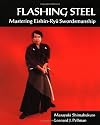
This book is well organized and written. You have all the basics to get started in sword here. If read and followed with dedication; an instructor would be able to easily guide you to your shodan. Photos are also well laid out. This is a great book for someone wanting to learn the way of the samuari....and sword. For beginners only.
This book is a great explanation of many Japanese/zen concepts that come up in martial arts in general and swordsmanship and iaido specifically. While I prefer Suino's Art of Japanese Swordsmanship as help in remembering the waza, this book is great as an aid to remember the ideas BEHIND the waza.
(from cover)
Iaijutsu was the premier martial art of the samurai warriors of feudal Japan. Unlike kenjutsu (kendo) it begins with the sword still in its scabbard. An inner and outer calm is developed which is tremendously intimidating to the opponent. Sword skills require a philosophical training which permeates the entire life outside the dojo, building compassion and self-discipline.
Flashing Steel describes and pictures forty-two kata (formal training patterns) which govern this system, show more with ten partner exercises applying iaido principles in realistic attack and defense situations. These kata are also widely practiced by students of kendo, aikido, and other martial arts which use swordsmanship.
'At last! The martial arts hae long awaited a book on genuine iaido. It could only have been done properly through a Japanese-American collaboration like this-Master Shimabukuro, with his unparalleled expertise and classical training, and Mr. Pellman, who has translated this unique philosophy into understandable WEstern terms. Flashing Steel will be a true milestone of the art.'--Alfonso Gomez, Martial Arts Director University of California, San Diego
'Why would a t'ai chi ch'uan student and instructor for over twenty years want to take up iaido? I was curiouis, initially, to explore a different tradition and approach. But I have been captivated by the experience and insights iaido offers. It begins with a stillness, an upright posture, breath natural, mind calm. Then the draw: the bright flash and hiss of steel that reveal the subtle qualities of the substantial (sword) cutting through the insubstantial (air). I encouraage others--newcomers or current iaido enthusiasts--to acquire this remarkable book and explore the mysteries of iaido.--Michael Conniry, T'ai Chi Ch'uan Instructor Grossmont/Cuyumaca Colleges, El Cajon, CA
Contents
Foreword
Chapter One: History
Chapter Two: Iaijutsu Philosophy
Chapter Three: Eyes of a Samurai
Chapter Four: Sword Nomenclature
Chapter Five: Progression of Training
Chapter Six: Preparation and Etiquette
Chapter Seven: Fundamentals
Chapter Eight: Omori-Ryu Seiza Waza
Chapter Nine: Chuden Tatchiza Waza
Chapter Ten: Okuden Tachiwaza
Chapter Eleven: Okuden Skuwariwaza
Chapter Twelve: Tachiuchi no Kurai (Katachi)
Chapter Thirteen: Zen Nippon Kendo Renmei Seitei Iai Kata
Chapter Fourteen: Tameshigiri (Practice Cutting)
Chapter Fifteen: Summary of the Eishin-Ryu system
Chkapter Sixteen: Promotion Guuidelines
Chapter Seventeen: Tournament Information
Chapter Eighteen: The Way to Victorious Life
Appendix A: Jikishin-Kai Locations
Appendix B: Samurai no Kokoro-e
About the Authors show less
Iaijutsu was the premier martial art of the samurai warriors of feudal Japan. Unlike kenjutsu (kendo) it begins with the sword still in its scabbard. An inner and outer calm is developed which is tremendously intimidating to the opponent. Sword skills require a philosophical training which permeates the entire life outside the dojo, building compassion and self-discipline.
Flashing Steel describes and pictures forty-two kata (formal training patterns) which govern this system, show more with ten partner exercises applying iaido principles in realistic attack and defense situations. These kata are also widely practiced by students of kendo, aikido, and other martial arts which use swordsmanship.
'At last! The martial arts hae long awaited a book on genuine iaido. It could only have been done properly through a Japanese-American collaboration like this-Master Shimabukuro, with his unparalleled expertise and classical training, and Mr. Pellman, who has translated this unique philosophy into understandable WEstern terms. Flashing Steel will be a true milestone of the art.'--Alfonso Gomez, Martial Arts Director University of California, San Diego
'Why would a t'ai chi ch'uan student and instructor for over twenty years want to take up iaido? I was curiouis, initially, to explore a different tradition and approach. But I have been captivated by the experience and insights iaido offers. It begins with a stillness, an upright posture, breath natural, mind calm. Then the draw: the bright flash and hiss of steel that reveal the subtle qualities of the substantial (sword) cutting through the insubstantial (air). I encouraage others--newcomers or current iaido enthusiasts--to acquire this remarkable book and explore the mysteries of iaido.--Michael Conniry, T'ai Chi Ch'uan Instructor Grossmont/Cuyumaca Colleges, El Cajon, CA
Contents
Foreword
Chapter One: History
Chapter Two: Iaijutsu Philosophy
Chapter Three: Eyes of a Samurai
Chapter Four: Sword Nomenclature
Chapter Five: Progression of Training
Chapter Six: Preparation and Etiquette
Chapter Seven: Fundamentals
Chapter Eight: Omori-Ryu Seiza Waza
Chapter Nine: Chuden Tatchiza Waza
Chapter Ten: Okuden Tachiwaza
Chapter Eleven: Okuden Skuwariwaza
Chapter Twelve: Tachiuchi no Kurai (Katachi)
Chapter Thirteen: Zen Nippon Kendo Renmei Seitei Iai Kata
Chapter Fourteen: Tameshigiri (Practice Cutting)
Chapter Fifteen: Summary of the Eishin-Ryu system
Chkapter Sixteen: Promotion Guuidelines
Chapter Seventeen: Tournament Information
Chapter Eighteen: The Way to Victorious Life
Appendix A: Jikishin-Kai Locations
Appendix B: Samurai no Kokoro-e
About the Authors show less

Contents
Acknowledgments
Dedication
author's notes
Foreword
About the author
Chapter One The meaning of karate
The nature of conflict
The purposes & benefits of karate training
The reasons for karate training
What sets the jikishin-kai apart?
Chapter Two Karate philosophy
The pursuit of personal perfection
Power and compassion
Body and mind as one
Cultivate intuition
Know your enemy
What is a dojo?
The pen and the sword
Understanding true respect
The power of unity
How to begin
Determination and show more conviction
Building spirit
Principles of training
Chapter Three History of karate
Introduction
The development of martial arts
The emergence of karate
The consolidation of karate styles
Chapter Four Karate and the spiritual life
Chapter Five True understanding of karate
Cause-and-effect
Effects of your environment
Life's desires and problems
What is luck?
The power of optimism
The changing conditions of life
The four primitive stages
The gateway to maturity
The six cyclical stages of life
The level of self-discovery
The path to fulfillment
The heart and mind
Life and death
Chapter Six Etiquette & fundamentals
Intoduction
Etiquette and the martial artist
Making a fist
Nomenclature of striking surfaces
Hikite-Pulling hand
Turning techniques
Chapter Seven Basic stances
Ancient karate stances
Modern karate stances
Chapter Eight Defensive techniques
Blocking techniques
Five principles of defense
The five major blocks
Chapter Nine Offensive techniques
Punching methods
Striking methods
Kicking methods
Chapter Ten Combinations & partner training
Combinations
Ippon kumite
Sambon kumite
Yakusoku kkumite
Chapter Eleven Mental training discipline
Make up your mind
Chapter The power of ki
Chapter Thirteen Secrets of kata
Origins of kata
Application of kata
Understanding tempo
Progression of training
Chapter Fourteen Secrets of kumite
Origins of kumite
Proper stance
Cntrolling distance
Using initiative
Offensive tactics
Mind-technique-body
Emphasize the fundamentals
Chapter Fifteen Tournaments & competition
Origins of tournaments
Benefits of competition
Tournament rules
Judge's calls and signals
Chapter Sixteen Promotion testing
Chapter Seventeen Karate weapons
Origins of kobudo
Weapons of Okinawa kobudo
Modern kata
Chapter Eighteen Karate-do After-school programs
The potential of after-school
Keeping children on the right track
Preventing crime
Enhancing academic achievement
Supporting social development
School, family, community
Appendix I PaRC
The mission
PaRC method
Basic PaRC principles
PaRC level I syllabus
PaRC instructor certification
Appendix II Author's memories
Appendix III Jikishin-kai affiliate dojo
Appendix IV Applications and forms
Jikishin-kai ranking system show less
Acknowledgments
Dedication
author's notes
Foreword
About the author
Chapter One The meaning of karate
The nature of conflict
The purposes & benefits of karate training
The reasons for karate training
What sets the jikishin-kai apart?
Chapter Two Karate philosophy
The pursuit of personal perfection
Power and compassion
Body and mind as one
Cultivate intuition
Know your enemy
What is a dojo?
The pen and the sword
Understanding true respect
The power of unity
How to begin
Determination and show more conviction
Building spirit
Principles of training
Chapter Three History of karate
Introduction
The development of martial arts
The emergence of karate
The consolidation of karate styles
Chapter Four Karate and the spiritual life
Chapter Five True understanding of karate
Cause-and-effect
Effects of your environment
Life's desires and problems
What is luck?
The power of optimism
The changing conditions of life
The four primitive stages
The gateway to maturity
The six cyclical stages of life
The level of self-discovery
The path to fulfillment
The heart and mind
Life and death
Chapter Six Etiquette & fundamentals
Intoduction
Etiquette and the martial artist
Making a fist
Nomenclature of striking surfaces
Hikite-Pulling hand
Turning techniques
Chapter Seven Basic stances
Ancient karate stances
Modern karate stances
Chapter Eight Defensive techniques
Blocking techniques
Five principles of defense
The five major blocks
Chapter Nine Offensive techniques
Punching methods
Striking methods
Kicking methods
Chapter Ten Combinations & partner training
Combinations
Ippon kumite
Sambon kumite
Yakusoku kkumite
Chapter Eleven Mental training discipline
Make up your mind
Chapter The power of ki
Chapter Thirteen Secrets of kata
Origins of kata
Application of kata
Understanding tempo
Progression of training
Chapter Fourteen Secrets of kumite
Origins of kumite
Proper stance
Cntrolling distance
Using initiative
Offensive tactics
Mind-technique-body
Emphasize the fundamentals
Chapter Fifteen Tournaments & competition
Origins of tournaments
Benefits of competition
Tournament rules
Judge's calls and signals
Chapter Sixteen Promotion testing
Chapter Seventeen Karate weapons
Origins of kobudo
Weapons of Okinawa kobudo
Modern kata
Chapter Eighteen Karate-do After-school programs
The potential of after-school
Keeping children on the right track
Preventing crime
Enhancing academic achievement
Supporting social development
School, family, community
Appendix I PaRC
The mission
PaRC method
Basic PaRC principles
PaRC level I syllabus
PaRC instructor certification
Appendix II Author's memories
Appendix III Jikishin-kai affiliate dojo
Appendix IV Applications and forms
Jikishin-kai ranking system show less
Statistics
- Works
- 5
- Members
- 143
- Popularity
- #144,061
- Rating
- 4.0
- Reviews
- 4
- ISBNs
- 6