
Laura Marcus (1956–2021)
Author of Autobiography: A Very Short Introduction
About the Author
Laura Marcus is Reader in English at the University of Sussex.
Works by Laura Marcus
The New Cambridge History of English Literature: Twentieth-Century English Literature (2005) 27 copies
A Concise Companion to Psychoanalysis, Literature, and Culture (Concise Companions to Literature and Culture) (2014) 7 copies
Associated Works
Sex and Character: An Investigation of Fundamental Principles (1906) — Editor, some editions — 200 copies, 1 review
The Reception of Virginia Woolf in Europe (Reception of British Authors in Europe) (2002) — Contributor — 3 copies
The Jetty [2024 TV mini series] — Actor — 2 copies
Tagged
Common Knowledge
- Birthdate
- 1956-03-07
- Date of death
- 2021-09-22
- Gender
- female
- Education
- Warwick University
University of Kent (MA, PhD | Modern literature) - Occupations
- professor
writer
critic - Organizations
- Birkbeck College, University of London
University of Edinburgh
New College, Oxford - Awards and honors
- Fellow, British Academy
- Cause of death
- cancer (pancreatic)
- Nationality
- UK
- Birthplace
- Hammersmith, London, England, UK
- Places of residence
- UK
- Associated Place (for map)
- England, UK
Members
Reviews
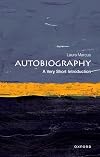
Life Writing is incredibly popular these days, and it came as no surprise to me to learn from This Very Short Introduction to Autobiography that Michel Foucault thinks that we have become ‘confessing animals’. The plethora of memoirs, autobiographies and ‘true confessions’ today seems to be evidence of a compulsion to record the complexities of human life, experience and memory, though it has to be said that some life writing seems of more lasting value than others. Autobiography, a show more Very Short Introduction by Laura Marcus, a Professor at Oxford, is a fascinating exploration of this kind of writing, starting with the Confessions of St Augustine in the 4th century, through to its modern manifestations in multimedia, autobiographical novels and autofiction.
After the Introduction, there are eight chapters in this VSI (as well as the usual references, suggestions for further reading, and an index).
Confession, conversion, testimony
The journeying self
Autobiographical consciousness
Autobiography and psychoanalysis
Family histories and the autobiography of childhood
Public selves
Self-portraiture, photography, and performance
Autobiographies, autobiographical novels, and autofictions.
Beginning in chapter one, Marcus discusses the important question of what motivates the writer of autobiography:
From a reader’s point-of-view, (or posterity’s) the value of a life-story depends on its representative or exemplary status. Some writers (such as Harriet Martineau) feel a duty to tell the story of an unusual life, while others such as John Stuart Mill felt compelled to write about his life in an age of transition.
To read the rest of my review please visit https://anzlitlovers.com/2018/10/24/autobiography-a-very-short-introduction-by-l... show less
After the Introduction, there are eight chapters in this VSI (as well as the usual references, suggestions for further reading, and an index).
Confession, conversion, testimony
The journeying self
Autobiographical consciousness
Autobiography and psychoanalysis
Family histories and the autobiography of childhood
Public selves
Self-portraiture, photography, and performance
Autobiographies, autobiographical novels, and autofictions.
Beginning in chapter one, Marcus discusses the important question of what motivates the writer of autobiography:
Numerous writers of autobiography, from across the centuries, have offered their own understandings of the motives for autobiography, its possible forms, and its intended readerships. Prefaces, or opening statements, frequently anticipate the charges of vanity, egotism, self-distortion (or self-promotion), and narcissism that might be levelled against the author who talks about him or herself, answering them in advance by suggesting more edifying or altruistic autobiographical motives. Some writers of autobiography will suggest that they are on a quest for self-understanding, while others will stress their wish to communicate their experiences to others. (p.5)
From a reader’s point-of-view, (or posterity’s) the value of a life-story depends on its representative or exemplary status. Some writers (such as Harriet Martineau) feel a duty to tell the story of an unusual life, while others such as John Stuart Mill felt compelled to write about his life in an age of transition.
To read the rest of my review please visit https://anzlitlovers.com/2018/10/24/autobiography-a-very-short-introduction-by-l... show less
I only read about two thirds of this. It became ever more obvious that it was not about the autobiographies and memoirs that I read.
Lists
Awards

You May Also Like
Associated Authors
Statistics
- Works
- 14
- Also by
- 6
- Members
- 148
- Popularity
- #140,179
- Rating
- 3.9
- Reviews
- 2
- ISBNs
- 47