
Zeno (1920–1978)
Author of The Cauldron
About the Author
Works by Zeno
Stoicorum Veterum Fragmenta: Volumen I. Zeno et Zenonis Discipuli (Editionis Primae MCMV) (1905) — Author — 9 copies
De verrekte moeite van t doodgaan 2 copies
Losprijs voor een sjeik 1 copy
À perpétuité 1 copy
Associated Works
Tagged
Common Knowledge
- Canonical name
- Zeno
- Legal name
- Lamarque, Gerald Theodore
- Other names
- Allerton, Kenneth
- Birthdate
- 1920-06-02
- Date of death
- 1978
- Gender
- male
Members
Reviews
The Cauldron by Zeno
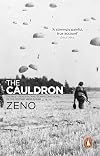
The Cauldron, a novel of the Battle of Arnhem written by a former paratrooper who was actually there, is aptly named. It takes the ingredients of war and confines them in rough cast-iron and brings it to a punishing boil. As far as pure combat goes, I have scarcely seen it written so well: exhaustive, unsentimental, fast and chaotic and yet impressing upon the green reader just how much conscious thought must go into every movement; the negotiation of a house or ditch or defensive position; show more when to move and for how long; what position to take; how to maintain a picture of what's going on around you; whether to stand or crawl or run; whether to engage or not and from what angle; and, increasingly over the seven days of relentless battle, the mental exhaustion of all of these steps taking their toll.
Even after all that negotiation it might not matter due to a moment of bad luck, or the conscious movement of an opposing soldier (or even an ally); the men in The Cauldron die matter-of-factly or in the background or even just mentioned in passing, no matter if you have spent the previous 20 or 30 pages invested in their point-of-view. The opening of Chapter 13, which shows a full roster of the company with the names of those who have died crossed out, is sobering in its stark simplicity. What's more, the book contains one of the most apt metaphors for negotiating a combat zone that I've ever read, and over 300 pages evokes it in exemplary fashion:
"It was like being struck blind at a Cup-tie, and only being able to guess what was happening from the unintelligible roar of the crowd." (pg. 109)
And yet, while the punishment of relentless combat is brought to the reader without prejudice, this is not to say that The Cauldron is excessively bleak or a chore just because it is ungentle. The writing is of a high calibre, even if Zeno (the pseudonym chosen by the author) does occasionally force the issue in a writerly way by having his characters converse about their opinions on the soldier's psychology of death or the wider strategic failings of Operation Market Garden.
Zeno himself appears to have been an interesting man as authors go; his real name, so the Introduction to this new Penguin edition tells us, was Gerald Lamarque (although some knew him as Kenneth Allerton) and after fighting at Arnhem he wrote this novel in the 1960s while in prison for murdering his ex-girlfriend's new beau. While his writing is fittingly unsentimental for such a man, his book is thankfully not sour or dogmatic enough to be pushing an iconoclastic or counter-cultural message. If The Cauldron is ungentle it is only because the hell of Arnhem was, and if Zeno proved an ideal conduit for recording that hell for posterity it may well be because the war followed him home. show less
Even after all that negotiation it might not matter due to a moment of bad luck, or the conscious movement of an opposing soldier (or even an ally); the men in The Cauldron die matter-of-factly or in the background or even just mentioned in passing, no matter if you have spent the previous 20 or 30 pages invested in their point-of-view. The opening of Chapter 13, which shows a full roster of the company with the names of those who have died crossed out, is sobering in its stark simplicity. What's more, the book contains one of the most apt metaphors for negotiating a combat zone that I've ever read, and over 300 pages evokes it in exemplary fashion:
"It was like being struck blind at a Cup-tie, and only being able to guess what was happening from the unintelligible roar of the crowd." (pg. 109)
And yet, while the punishment of relentless combat is brought to the reader without prejudice, this is not to say that The Cauldron is excessively bleak or a chore just because it is ungentle. The writing is of a high calibre, even if Zeno (the pseudonym chosen by the author) does occasionally force the issue in a writerly way by having his characters converse about their opinions on the soldier's psychology of death or the wider strategic failings of Operation Market Garden.
Zeno himself appears to have been an interesting man as authors go; his real name, so the Introduction to this new Penguin edition tells us, was Gerald Lamarque (although some knew him as Kenneth Allerton) and after fighting at Arnhem he wrote this novel in the 1960s while in prison for murdering his ex-girlfriend's new beau. While his writing is fittingly unsentimental for such a man, his book is thankfully not sour or dogmatic enough to be pushing an iconoclastic or counter-cultural message. If The Cauldron is ungentle it is only because the hell of Arnhem was, and if Zeno proved an ideal conduit for recording that hell for posterity it may well be because the war followed him home. show less
The Cauldron by Zeno

The Cauldron traces the fortunes of the men of a single pathfinder platoon, from their pre flight briefing in afternoon sunlight on an English airfield to the bitter end nine days later, trapped with the shattered remnants of the parachute brigade in the smoking ruins of Arnhem, The Dutch village that came to be known as the cauldron.”
You May Also Like
Associated Authors
Statistics
- Works
- 14
- Also by
- 3
- Members
- 99
- Popularity
- #191,537
- Rating
- 3.7
- Reviews
- 2
- ISBNs
- 19
- Languages
- 3