
David Leviatin
Author of How the Other Half Lives
Works by David Leviatin
Associated Works
Southern Horrors and Other Writings: The Anti-lynching Campaign of Ida B. Wells, 1892–1900 (1997) — Contributor — 273 copies, 3 reviews
Tagged
Common Knowledge
- Birthdate
- 1961-02-04
- Gender
- male
- Education
- Harvard University (PhD)
- Organizations
- Harvard University
Members
Reviews

It is the photographs that make this such an enduring book. Calls for reform, the impact of different nationalities and communities on New York City's tenements all dissolve before the captivating images. People striving to earn a few pennies collecting flowers, the endless trek of people scurrying on their way to what . . . ? And in almost every photo I kept seeing a recurring theme: the search for individual dignity. This was an era in which culture disseminated from the top social classes show more to the bottom. Thus in photo after photo, even the dirtiest, over worn, patched garment echoes the top hats and business suits of the social elite. Look closely, and you will easily see the inspiration for Charlie Chaplin's character of the The Tramp, a humorous albeit melancholy figure in search of self worth and dignity, in the pictures. show less
Смятана за емблематична книга от тия, които имат самочувствието, че знаят по-добре от бедните как да се погрижат за тях и живота им, How the other half lives още в заглавието си задава тема и начин на разсъждаване върху бедността.
Знаете ги тея хора - които се "борят с бедността", която show more обаче гледат главно отдалече и по-скоро изпитват погнуса от самите бедни хора. Авторът е точно такъв.
Четейки за отвратителните условия на живот на скорошните емигранти на остров Манхатън (който тогава е клоака, а не като сега) в края на 19 век, оставаме с впечатление, че Рийс всъщност никога не е говорил с никой от тях. За него те са анонимна човешка маса и читателят неусетно почва да се чуди дали на автора всъщност му пука за тея хора, или просто го е гнус да живее в един град с такива гнусни бедняци.
Подобен тип "банкетни социалисти" Джордж Оруел перфектно описва в едно от есетата си в книгата Пътят към кея на Уиган (не е превеждана на български).
Да, за тях бедните са "другата половина", те не са като нас, цивилизованите хора. Затова ние сме призвани да им покажем как трябва да се живее, и ако не искат... е, ще ги задължим. Което не е чак толкова лош подход, ако вземаше предвид причините за бедността, а не се опитваше да оправи последствията от нея - лошите условия на живот. Което още веднъж затвърждава мнението, че Рийс го е гнус от мръсотията просто.
Хората... е, хората да се оправят. То така и става, когато в резултат от надигналия се обществен глас (обществен от страна на богатите в Ню Йорк, не на бедните, естествено) са приети закони и наредби за качеството на отдаваните под наем жилища. В резултат на което условията значително се подобряват.
С това, разбира се, се "подобрявят" и цените на наемите, поради което бедните или бягат от Ню Йорк или остават бездомни. Градът е "изчистен" от мизерни гета, нали това искаше "обществото"... в Манхатън вече не живеят бедни, а се нанасят все по-богати.
Резултатите от тая политика продължават и сега - Ню Йорк от тогава е един от градовете в САЩ с най-тежки регулации за строеж на сгради, с най-високи наеми и най-голямо бездомно население. Ама се "грижат за бедните", нали... show less
Знаете ги тея хора - които се "борят с бедността", която show more обаче гледат главно отдалече и по-скоро изпитват погнуса от самите бедни хора. Авторът е точно такъв.
Четейки за отвратителните условия на живот на скорошните емигранти на остров Манхатън (който тогава е клоака, а не като сега) в края на 19 век, оставаме с впечатление, че Рийс всъщност никога не е говорил с никой от тях. За него те са анонимна човешка маса и читателят неусетно почва да се чуди дали на автора всъщност му пука за тея хора, или просто го е гнус да живее в един град с такива гнусни бедняци.
Подобен тип "банкетни социалисти" Джордж Оруел перфектно описва в едно от есетата си в книгата Пътят към кея на Уиган (не е превеждана на български).
Да, за тях бедните са "другата половина", те не са като нас, цивилизованите хора. Затова ние сме призвани да им покажем как трябва да се живее, и ако не искат... е, ще ги задължим. Което не е чак толкова лош подход, ако вземаше предвид причините за бедността, а не се опитваше да оправи последствията от нея - лошите условия на живот. Което още веднъж затвърждава мнението, че Рийс го е гнус от мръсотията просто.
Хората... е, хората да се оправят. То така и става, когато в резултат от надигналия се обществен глас (обществен от страна на богатите в Ню Йорк, не на бедните, естествено) са приети закони и наредби за качеството на отдаваните под наем жилища. В резултат на което условията значително се подобряват.
С това, разбира се, се "подобрявят" и цените на наемите, поради което бедните или бягат от Ню Йорк или остават бездомни. Градът е "изчистен" от мизерни гета, нали това искаше "обществото"... в Манхатън вече не живеят бедни, а се нанасят все по-богати.
Резултатите от тая политика продължават и сега - Ню Йорк от тогава е един от градовете в САЩ с най-тежки регулации за строеж на сгради, с най-високи наеми и най-голямо бездомно население. Ама се "грижат за бедните", нали... show less
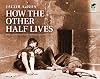
Although most Americans don’t recognize the name, Jacob Riis serves as a luminary for most journalists. Better known authors, such as Nellie Blye, James Agee and Walker Evans, Michael Harrington, Studs Terkel, Jonathan Kozol and Alex Kotlowitz, owe him a great debt, as Riis virtually pioneered the practice of introducing abject poverty to the middle and upper classes. In other words, this is the book that started it all.
Chances are that, although Americans do not recognize his name, show more they’ve seen his photographs of the Lower East Side in the 1890s: hollow-eyed children, two families living in a single room (no heat, no water), a tiny girl servant (“I scrubs”), praying children at a workhouse, a destitute boy and his baby sibling in front of the tenement from which his family had just been evicted, opium dens, sweatshops, and people sleeping wherever they could: on mattresses on the floor, in attics, stairwells, in alleys, over grates, on rooftops. To get an idea of the exploitation, this is a “boarding house” in the Lower East Side. The cost? Seven cents at a time when the daily wage for unskilled laborers was 13 cents a day. A family could pay $1 a month to sleep in a shed. .
The book is somewhat dated, in that Riis, himself a Danish-born immigrant, carries the casual racism, antisemitism and anti-Catholicism of Protestants in the 1890s; however, his heartfelt compassion for these exploited immigrants shines through in every chapter. Like many Progressives of his era, Riis believed that better living conditions, adequate medical care, healthier food, fresh air and an end of child labor would improve characters as well as health outcomes, intelligence, literacy and life expectancies. How sad that nearly 140 years later, we are still having to make the same arguments!
Note: Readers should try to get an edition of How the Other Half Lives that includes Riis’ photographs. Without the photos, it’s impossible to grasp the depth of these poor people’s destitution.
show less
Chances are that, although Americans do not recognize his name, show more they’ve seen his photographs of the Lower East Side in the 1890s: hollow-eyed children, two families living in a single room (no heat, no water), a tiny girl servant (“I scrubs”), praying children at a workhouse, a destitute boy and his baby sibling in front of the tenement from which his family had just been evicted, opium dens, sweatshops, and people sleeping wherever they could: on mattresses on the floor, in attics, stairwells, in alleys, over grates, on rooftops. To get an idea of the exploitation, this is a “boarding house” in the Lower East Side. The cost? Seven cents at a time when the daily wage for unskilled laborers was 13 cents a day. A family could pay $1 a month to sleep in a shed. .
The book is somewhat dated, in that Riis, himself a Danish-born immigrant, carries the casual racism, antisemitism and anti-Catholicism of Protestants in the 1890s; however, his heartfelt compassion for these exploited immigrants shines through in every chapter. Like many Progressives of his era, Riis believed that better living conditions, adequate medical care, healthier food, fresh air and an end of child labor would improve characters as well as health outcomes, intelligence, literacy and life expectancies. How sad that nearly 140 years later, we are still having to make the same arguments!
Note: Readers should try to get an edition of How the Other Half Lives that includes Riis’ photographs. Without the photos, it’s impossible to grasp the depth of these poor people’s destitution.
show less

The most racist book I've read. Entirely condescending and patronizing. The raw data is interesting, the description of the living conditions mind blowing, but the criticisms leveled at other cultures are painful to read. It made me think of an old National Lampoon guide to ethnicities from the 1970s or 80s, except that it was serious.
Sante, in the introduction, claims that Riis is not so bad as other writers of the time and that may be, but it was jarring, nonetheless.
Sante, in the introduction, claims that Riis is not so bad as other writers of the time and that may be, but it was jarring, nonetheless.
Lists
Awards


You May Also Like
Associated Authors
Statistics
- Works
- 3
- Also by
- 1
- Members
- 1,647
- Popularity
- #15,595
- Rating
- 4.0
- Reviews
- 11
- ISBNs
- 67
- Languages
- 1