
Amy Kiste Nyberg
Author of Seal of Approval: The History of the Comics Code
Works by Amy Kiste Nyberg
Associated Works
Tagged
Common Knowledge
- Gender
- female
Members
Reviews
Seal of Approval: The History of the Comics Code (Studies in Popular Culture (Paperback)) by Amy Kiste Nyberg
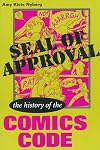
In Seal of Approval: The History of the Comics Code, Amy Kiste Nyberg argues, "[Fredric] Wertham’s role in the crusade against comics has been largely misinterpreted by fans and scholars alike, who dismiss his findings as naïve social science, failing to understand how his work on comic books fits into the larger context of his beliefs about violence, psychiatry, and social reform" (p. xiii). Nyberg traces the origin of objections to comics back to the early 1940s, but explains that the show more panic did not intensify until after the war, when publishers, no longer able to use patriotism as an easy selling point, began branching out into horror and crime stories to maintain sales. Despite public cries for censorship, Nyberg argues that the U.S. Senate committee knew it was effectively powerless. Nyberg writes, “…the intention of the hearings from the beginning was to force (or frighten) the publishers into adopting a self-regulatory code like that of the film industry” (p. 79). Nyberg demonstrates that Wertham offered vindication to mothers who felt responsible for juvenile delinquency. In focusing on the gendered argument against comics, Nyberg writes, “The issue of gender is linked to violence in Wertham’s study, since women are generally victims in comic books…In many comic books, women were portrayed as objects to be abused or to be used as decoys in crime settings. Women who did not fall into the role of victim were generally cast as villains, often with masculine or witchlike powers” (p. 95). Later, Judge Charles F. Murphy, the first “czar” of the Comics Magazine Association of America, hired a staff of five women to help him evaluate the comics that passed through his office. Nyberg writes, “Enforcing standards in children’s reading material was an extension of the mother’s role” in 1950s America (p. 115). Though Nyberg reinterprets Wertham's role in this history of censorship, she does not suggest that he was justified in his stance. In sum, Nyberg presents a balanced portrait of the moral panic over comics in the 1950s and its role in censorship. show less
You May Also Like
Associated Authors
Statistics
- Works
- 1
- Also by
- 1
- Members
- 57
- Popularity
- #287,972
- Rating
- 3.7
- Reviews
- 1
- ISBNs
- 3