
Rachel Kapelke-Dale
Author of The Ballerinas
Works by Rachel Kapelke-Dale
Graduates in Wonderland: The International Misadventures of Two (Almost) Adults (2014) 150 copies, 39 reviews
Tagged
Common Knowledge
- Nationality
- USA
- Associated Place (for map)
- USA
Members
Reviews
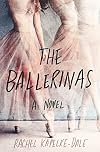
The Ballerinas is an exploration of female friendships set within the world of professional ballet where competition is a fierce motivator. The story features three dancers: Delphine, Lindsay and Margaux, who all began studying at the Paris Opera Ballet when they were young girls. Over the years, they are intensely focused on the careers to which they aspire. As they mature, they might secure spots as members of the ballet company or, if they are good enough, become soloists or principal show more dancers, featured in productions. The path to becoming a principal dancer is long and fraught, requiring not just superior talent, dedication, and tireless preparation, but the ability to navigate the politics of getting noticed and championed by the ballet company's teachers, choreographers, and artistic directors. For debut author Rachel Kapelke-Dale, little research was required, aside from learning about the workings of the Paris Opera Ballet because she trained intensively in ballet as child. "My training allowed me to sketch in the background action for various scenes without too much trouble, as the format of those classes is so deeply ingrained in my memory," she relates.
For Delphine Léger, dance is a family matter. Her mother was a star ballerina whose career was cut short by her unplanned pregnancy. Delphine feels pressure not just to live up to her mother's example, but her expectation that Delphine will avoid making the same mistake she did and enjoy a long, successful career. Lindsay and Margaux also struggle with the stressors that challenge young dancers as they mature, including the never-ending effort to maintain an ideal body even as natural changes threaten to render perfection unattainable, the harsh criticisms of instructors ("You start out a whole and then you break," Delphine observes), expectations of parents and family members, and the destruction and debilitating effects of self-doubt and competition that can drive fragile adolescents to behave in harshly shocking ways.
It is 2018, and Delphine has decided that "Paris is always a good idea." After a thirteen-year absence, she has returned to Paris to choreograph Rasputin, a ballet she wanted to stage the entire time she was in St. Petersburg working as a choreographer at the Mariinsky Ballet with her romantic partner. And she has definite ideas about who she wants to star in the production: her old friend Lindsay, who has been a soloist for years. But Lindsay is now thirty-five years old – the company has a mandatory retirement age of forty-two -- and not a good partner. But Delphine is convinced that her staging of the classic, with Lindsay as the tsarina, will revitalize the company . . . as well as her friends' careers. Nathalie Dorival, the artistic director, reluctantly agrees to give Delphine one month to determine if Lindsay is up to the challenge. But she must name an understudy -- an insult to a ballerina of Lindsay's status. Delphine must accept Nathalie's condition because the production will be mounted as part of the opera's three hundred and fiftieth anniversary season, she desperately wants to make the most of the opportunity Nathalie has given her by agreeing to take her back into the company, . . . and she is intent on giving Lindsay "something that would change her life. Fourteen years after I had ruined it." Delphine's one true love, Jock (formerly Jacques), will be Lindsay's co-star, and there will be a role for Margaux, as well. While Lindsay is eager to take on the role Delphine is customizing for her, Margaux is resentful and suspicious, given that Delphine has been out of there lives for so many years and failed to make an effort to maintain their friendship. Kapelke-Dale says Margaux is “disillusioned,” but do not have any training to pursue a different career and has “taken her frustration and turned it in on herself.”
Delphine's first-person narration moves back to 1995, when Delphine, Lindsay, and Margeaux are students . . . and competitors. Kapelke-Dale notes that it was her editor who recommended adding the second timeline in order to fully reveal the characters’ pasts. She immerses readers in the girls' world, providing insight into the grueling physical demands of ballet, their emotional struggles, the imbalance of power in their relationship, and the machinations it inspires, including one particularly stunning betrayal. As the narrative moves incrementally forward in time, Kapelke-Dale reveals the characters' secrets at deftly-timed intervals, providing context for their behavior and illuminating their motivations.
The Ballerinas is a taut, evenly-paced, and absorbing glimpse into the world of ballet. Delphine would be easy to dismiss as unlikable and, therefore, irredeemable. But that misses the point. Delphine is a product of the world into which she was born, and all the people and events that influence her. She is self-centered, selfish, driven, and vengeful. But she also cares about her friends and colleagues, and eventually returns to Paris intent on making up for her mistakes. But is it too late?
The themes Kapelke-Dale delves into through her characters resonate against the ballet backdrop, they are universal. Female friendships are complicated, but their complexity is magnified in Kapelke-Dale's convincing portrayal of women facing consequential choices about reproduction, work-life balance, and workplace harassment and abuse in an industry where men have, for centuries, been the powerbrokers and women have been vulnerable to and dependent upon their desires, whims, and approval. Kapelke-Dale says that as she was writing the book, she thought deeply about an institution that “purportedly celebrate femininity in some ways also reinforce draconian standards,” and wanted to impart the sense of urging that Delphine feels as her fortieth birthday looms and she wonders if her best professional years are behind her. Ultimately, her characters must decide how they will shape their futures, what matters most to them, and what kind of people they want to be. Kapelke-Dale delivers an entertaining story with a conclusion that is nothing less than jaw-dropping, despite early foreshadowing because so much transpires in succeeding chapters.
Thanks to NetGalley for an Advance Reader's Copy of the book. show less
For Delphine Léger, dance is a family matter. Her mother was a star ballerina whose career was cut short by her unplanned pregnancy. Delphine feels pressure not just to live up to her mother's example, but her expectation that Delphine will avoid making the same mistake she did and enjoy a long, successful career. Lindsay and Margaux also struggle with the stressors that challenge young dancers as they mature, including the never-ending effort to maintain an ideal body even as natural changes threaten to render perfection unattainable, the harsh criticisms of instructors ("You start out a whole and then you break," Delphine observes), expectations of parents and family members, and the destruction and debilitating effects of self-doubt and competition that can drive fragile adolescents to behave in harshly shocking ways.
It is 2018, and Delphine has decided that "Paris is always a good idea." After a thirteen-year absence, she has returned to Paris to choreograph Rasputin, a ballet she wanted to stage the entire time she was in St. Petersburg working as a choreographer at the Mariinsky Ballet with her romantic partner. And she has definite ideas about who she wants to star in the production: her old friend Lindsay, who has been a soloist for years. But Lindsay is now thirty-five years old – the company has a mandatory retirement age of forty-two -- and not a good partner. But Delphine is convinced that her staging of the classic, with Lindsay as the tsarina, will revitalize the company . . . as well as her friends' careers. Nathalie Dorival, the artistic director, reluctantly agrees to give Delphine one month to determine if Lindsay is up to the challenge. But she must name an understudy -- an insult to a ballerina of Lindsay's status. Delphine must accept Nathalie's condition because the production will be mounted as part of the opera's three hundred and fiftieth anniversary season, she desperately wants to make the most of the opportunity Nathalie has given her by agreeing to take her back into the company, . . . and she is intent on giving Lindsay "something that would change her life. Fourteen years after I had ruined it." Delphine's one true love, Jock (formerly Jacques), will be Lindsay's co-star, and there will be a role for Margaux, as well. While Lindsay is eager to take on the role Delphine is customizing for her, Margaux is resentful and suspicious, given that Delphine has been out of there lives for so many years and failed to make an effort to maintain their friendship. Kapelke-Dale says Margaux is “disillusioned,” but do not have any training to pursue a different career and has “taken her frustration and turned it in on herself.”
Delphine's first-person narration moves back to 1995, when Delphine, Lindsay, and Margeaux are students . . . and competitors. Kapelke-Dale notes that it was her editor who recommended adding the second timeline in order to fully reveal the characters’ pasts. She immerses readers in the girls' world, providing insight into the grueling physical demands of ballet, their emotional struggles, the imbalance of power in their relationship, and the machinations it inspires, including one particularly stunning betrayal. As the narrative moves incrementally forward in time, Kapelke-Dale reveals the characters' secrets at deftly-timed intervals, providing context for their behavior and illuminating their motivations.
The Ballerinas is a taut, evenly-paced, and absorbing glimpse into the world of ballet. Delphine would be easy to dismiss as unlikable and, therefore, irredeemable. But that misses the point. Delphine is a product of the world into which she was born, and all the people and events that influence her. She is self-centered, selfish, driven, and vengeful. But she also cares about her friends and colleagues, and eventually returns to Paris intent on making up for her mistakes. But is it too late?
The themes Kapelke-Dale delves into through her characters resonate against the ballet backdrop, they are universal. Female friendships are complicated, but their complexity is magnified in Kapelke-Dale's convincing portrayal of women facing consequential choices about reproduction, work-life balance, and workplace harassment and abuse in an industry where men have, for centuries, been the powerbrokers and women have been vulnerable to and dependent upon their desires, whims, and approval. Kapelke-Dale says that as she was writing the book, she thought deeply about an institution that “purportedly celebrate femininity in some ways also reinforce draconian standards,” and wanted to impart the sense of urging that Delphine feels as her fortieth birthday looms and she wonders if her best professional years are behind her. Ultimately, her characters must decide how they will shape their futures, what matters most to them, and what kind of people they want to be. Kapelke-Dale delivers an entertaining story with a conclusion that is nothing less than jaw-dropping, despite early foreshadowing because so much transpires in succeeding chapters.
Thanks to NetGalley for an Advance Reader's Copy of the book. show less
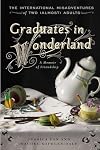
Two best friends document their post college lives via honest, witty and sometimes very sad, emails. Jessica has moved to China on a whim, while Rachel tries to get into the art world in New York. They detail their goals, fears, love lives and more across the span of three years.
I really enjoyed this book. Right off the bat it had me laughing. Jessica and Rachel are both very clever and despite this book having less detail than your average novel, I still felt totally immersed in their show more different worlds. Sometimes their worries and fears were so similar to my own it was depressing. Yet that made this book feel even more genuine. The fact that these two were willing to share their lives like this and keep me engrossed from page one was terrific.
I'd recommend this book for older audiences. They do talk about their sex loves often - nothing graphic, but definitely mature. This would make a great beach or weekend read. It's quick to get through and a very enjoyable break from my constant fantasy reads.
This was an ARC I won in exchange for an honest review. Cover says the book is due out in May! show less
I really enjoyed this book. Right off the bat it had me laughing. Jessica and Rachel are both very clever and despite this book having less detail than your average novel, I still felt totally immersed in their show more different worlds. Sometimes their worries and fears were so similar to my own it was depressing. Yet that made this book feel even more genuine. The fact that these two were willing to share their lives like this and keep me engrossed from page one was terrific.
I'd recommend this book for older audiences. They do talk about their sex loves often - nothing graphic, but definitely mature. This would make a great beach or weekend read. It's quick to get through and a very enjoyable break from my constant fantasy reads.
This was an ARC I won in exchange for an honest review. Cover says the book is due out in May! show less
 This review was written for LibraryThing Early Reviewers.
I’m a sucker for anything epistolary, and Graduates in Wonderland surpassed my expectations. It fits perfectly between the post-high-school, pre-college novel Roomies by Tara Altebrando and Sara Zarr, and Rachel Bertsche’s friend-making memoir MWF Seeking BFF: My Yearlong Search for a New Best Friend. Certainly, as graduates of Brown, Pan and Kapelke-Dale have a certain level of privilege, and I’m not sure how well this book will sit with those who don’t come from the same or similar show more backgrounds; however, setting that aside, I think this has the potential to be hugely popular with the twenty-to-thirty-year-old set. Pan and Kapelke-Dale are both great writers; they’re funny and honest, and they write about work, social life, managing depression, romance, living in foreign cities and struggling with the language, and deciding what to do with their lives. The subject matter and casual style make for addicting reading; I want to recommend this to all my college and immediate post-college friends.
Quotes
...I don't think the people I see on a daily basis realize how down I really am. (Rachel to Jess, 12)
These beautiful moments are a nice distraction from the stagnation of my career. (Is it stagnation if it hasn't begun?) (Jess to Rachel, 35)
...I feel like I haven't lived enough to really focus on my writing. I don't think I'm ready. (Rachel to Jess, 58)
6. Has close friends he confides in (If a guy doesn't share his feelings with anyone, he doesn't have any. Friends or feelings. Period. I'm not going to be the one to fix him.) (Jess to Rachel, 62)
We sat alone in a corner talking and quietly making fun of everyone else at the party. If true love isn't sitting in the corner with someone and gossiping about everybody else while they press their legs against yours, then I don't know what is. (Jess to Rachel, 160)
This interlude before anything begins is always my favorite moment. So much unknown, but everything is already set up and we both know something is going to happen - but we just don't know how or when yet. (Jess to Rachel, 161)
He sounds great, but we need to listen to the warnings that guys give about themselves. (Rachel to Jess, 161)
P.S. Get a French person to try to read the word hodgepodge out loud. They will say, "hogey-pogey," and it will be the best moment of your life. (Rachel to Jess, 163)
I felt that lonely when you left New York. It wasn't so bad when other people left, because you were still there. But when the last close person leaves - that is when the breakdown happens. (Rachel to Jess, 170)
There's something in this subject I find so moving. How do we deal with all the people we've been? (Rachel to Jess, 171)
They find Paris "boring." However, boring is the same word as annoying in French (which actually explains a lot about how French people think). (Rachel to Jess, 171)
I'm in so deep I can't see the sky. (Rachel to Jess, 177)
It's a huge decision, but you sound so sure. You better not stay there forever, though. I don't want your kids talking like that. (Rachel to Jess, 182)
Yesterday, I was in a park and I saw a Chinese man out walking his birds. In each hand he held a birdcage as he strolled, showing the birds the park scenery before hanging the cages from a tree while he went to go socialize with his fellow bird-walkers. I'm really going to miss this place. (Jess to Rachel, 185)
I don't know how guys, like toddlers or puppies, can be completely entertained just by giving them a ball to play with, but it seems like they always can.
Take one guy from every country in the world, throw them together, and inevitably, you'll find them playing soccer. Well, except for the token American guy, who will have to sit on the sidelines, cradling his football. (Rachel to Jess, 186)
Note to future selves: Never buy anything. You will just have to pack it in a suitcase one day... (Jess to Rachel, 192)
I hate that these doubts consume me, and that I want to understand something that doesn't have an answer. (Rachel to Jess, 210)
...I think there's a certain sadness to finally getting what you want...There's a simplicity and sense of adventure to being alone, and I sometimes envy you for still having it, as you explore Paris. Even when you're getting your heart broken, you can still wake up and not know what's going to happen next....sometimes I wish I could have it both ways. (Jess to Rachel, 232)
Whenever I imagines living with a guy, I also thought that it would feel really serious, but actually it's just sort of a game where I try to mask or conquer weird habits....Just the extra pair of eyes makes me act like a real person. (Jess to Rachel, 242)
Everywhere people and friendships are changing. I'm starting to wonder how many friends I've made here will still be friends for the long haul. How many places can you leave people behind and still expect to keep in touch with all of them? (Rachel to Jess, 251)
We spoke in French, which is the second language for both of us. It feels like 40 percent of the time, I say what I can say, rather than what I really think. What if he is doing the same thing? (Rachel to Jess, 262) show less
Quotes
...I don't think the people I see on a daily basis realize how down I really am. (Rachel to Jess, 12)
These beautiful moments are a nice distraction from the stagnation of my career. (Is it stagnation if it hasn't begun?) (Jess to Rachel, 35)
...I feel like I haven't lived enough to really focus on my writing. I don't think I'm ready. (Rachel to Jess, 58)
6. Has close friends he confides in (If a guy doesn't share his feelings with anyone, he doesn't have any. Friends or feelings. Period. I'm not going to be the one to fix him.) (Jess to Rachel, 62)
We sat alone in a corner talking and quietly making fun of everyone else at the party. If true love isn't sitting in the corner with someone and gossiping about everybody else while they press their legs against yours, then I don't know what is. (Jess to Rachel, 160)
This interlude before anything begins is always my favorite moment. So much unknown, but everything is already set up and we both know something is going to happen - but we just don't know how or when yet. (Jess to Rachel, 161)
He sounds great, but we need to listen to the warnings that guys give about themselves. (Rachel to Jess, 161)
P.S. Get a French person to try to read the word hodgepodge out loud. They will say, "hogey-pogey," and it will be the best moment of your life. (Rachel to Jess, 163)
I felt that lonely when you left New York. It wasn't so bad when other people left, because you were still there. But when the last close person leaves - that is when the breakdown happens. (Rachel to Jess, 170)
There's something in this subject I find so moving. How do we deal with all the people we've been? (Rachel to Jess, 171)
They find Paris "boring." However, boring is the same word as annoying in French (which actually explains a lot about how French people think). (Rachel to Jess, 171)
I'm in so deep I can't see the sky. (Rachel to Jess, 177)
It's a huge decision, but you sound so sure. You better not stay there forever, though. I don't want your kids talking like that. (Rachel to Jess, 182)
Yesterday, I was in a park and I saw a Chinese man out walking his birds. In each hand he held a birdcage as he strolled, showing the birds the park scenery before hanging the cages from a tree while he went to go socialize with his fellow bird-walkers. I'm really going to miss this place. (Jess to Rachel, 185)
I don't know how guys, like toddlers or puppies, can be completely entertained just by giving them a ball to play with, but it seems like they always can.
Take one guy from every country in the world, throw them together, and inevitably, you'll find them playing soccer. Well, except for the token American guy, who will have to sit on the sidelines, cradling his football. (Rachel to Jess, 186)
Note to future selves: Never buy anything. You will just have to pack it in a suitcase one day... (Jess to Rachel, 192)
I hate that these doubts consume me, and that I want to understand something that doesn't have an answer. (Rachel to Jess, 210)
...I think there's a certain sadness to finally getting what you want...There's a simplicity and sense of adventure to being alone, and I sometimes envy you for still having it, as you explore Paris. Even when you're getting your heart broken, you can still wake up and not know what's going to happen next....sometimes I wish I could have it both ways. (Jess to Rachel, 232)
Whenever I imagines living with a guy, I also thought that it would feel really serious, but actually it's just sort of a game where I try to mask or conquer weird habits....Just the extra pair of eyes makes me act like a real person. (Jess to Rachel, 242)
Everywhere people and friendships are changing. I'm starting to wonder how many friends I've made here will still be friends for the long haul. How many places can you leave people behind and still expect to keep in touch with all of them? (Rachel to Jess, 251)
We spoke in French, which is the second language for both of us. It feels like 40 percent of the time, I say what I can say, rather than what I really think. What if he is doing the same thing? (Rachel to Jess, 262) show less
This review was written for LibraryThing Early Reviewers.
Hace trece años, Delphine Léger abandonó su prestigioso puesto como solista en el Ballet de la Ópera de París para empezar una nueva vida en San Petersburgo. Se llevó consigo un secreto que podría poner patas arriba la vida de sus mejores amigas y compañeras de ballet, Lindsay y Margaux. Ahora, a los treinta y seis años, Delphine ha regresado a su antiguo hogar y al legendario Palacio Garnier para coreografiar la obra de ballet que hará despegar la siguiente fase de su carrera y show more que, espera, conseguirá que se arreglen las cosas con sus antiguas amistades. Sin embargo, Delphine no tarda en descubrir que las cosas han cambiado durante su ausencia y que algunos secretos no pueden permanecer enterrados para siempre.
Las bailarinas se mueve entre el pasado, cuando las tres eran todavía adolescentes, y el presente. Explora las complejidades de la amistad entre mujeres, la enfermiza voluntad por conseguir un físico perfecto en nombre de la expresión artística, el arma de doble filo que representan la ambición y la pasión, y la rabia sublimada que tantas personas guardan en su interior. Todo ello culmina con un giro inesperado y unos personajes que no serán fáciles de olvidar. show less
Las bailarinas se mueve entre el pasado, cuando las tres eran todavía adolescentes, y el presente. Explora las complejidades de la amistad entre mujeres, la enfermiza voluntad por conseguir un físico perfecto en nombre de la expresión artística, el arma de doble filo que representan la ambición y la pasión, y la rabia sublimada que tantas personas guardan en su interior. Todo ello culmina con un giro inesperado y unos personajes que no serán fáciles de olvidar. show less
Lists
Dance! (1)
Awards

You May Also Like


Statistics
- Works
- 4
- Members
- 740
- Popularity
- #34,320
- Rating
- 3.6
- Reviews
- 71
- ISBNs
- 22
- Languages
- 1
