
Mary de Rachewiltz
Author of Moscardino
About the Author
Series
Works by Mary de Rachewiltz
Il Diapason 1 copy
Associated Works
The Classic Noh Theatre of Japan (New Directions Paperbook) (1916) — Editor, some editions — 130 copies
A Poem Containing History: Textual Studies in The Cantos (Editorial Theory and Literary Criticism) (1997) — Contributor — 3 copies
30 poesie — Translator, some editions — 2 copies
Canto 98 / tradotto da Mary de Rachewiltz. — Translator, some editions — 1 copy
Tagged
Common Knowledge
- Other names
- Pound, Mary
Rachewiltz, Mary Pound de
Rachewiltz, Princess Mary de - Birthdate
- 1925-07-09
- Gender
- female
- Education
- La Quiete, Florence, Italy
- Occupations
- poet
translator
editor
lecturer
nurse
curator - Organizations
- Curator of the Ezra Pound Archive, Yale University
Radcliffe Institute (fellow)
University of Toledo (Canaday fellow) - Relationships
- Pound, Ezra (father)
Pound, Omar (half-brother)
De Rachewiltz, Boris (husband) - Nationality
- USA
- Birthplace
- Bressanone, Italy
- Places of residence
- Venice, Italy
Brunnenburg, South Tyrol, Italy
Gais, Italy
Rapallo, Italy - Associated Place (for map)
- Italy
Members
Reviews
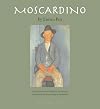
Moscardino, the first novella of the Il romazo di Moscardino tetralogy, was published by the Italian writer Enrico Pea (1881-1958) in 1922. Pea's good friend, Ezra Pound, translated this work into English, and it was eventually published by New Directions Press in 1955. The Pound translation was re-released by Archipelago Books in 2005.
The story is narrated by Moscardino's grandson, toward the end of his grandfather's life. Moscardino lives an idyllic and privileged existence in Lunigiana in show more the mid-19th century. The boys are incredibly spoiled, and their parents are impossibly demanding, so much so that their servants stay only long enough to receive their monthly wages before quitting. Cleofe, a beautiful young woman from the hills overlooking the town, is hired to care for the household. Don Moscardino falls hopelessly in love with Cleofe, as he is mesmerized by her milky skin and "chestnut rind" colored eyes, as he views her nakedness through the keyhole of her room. He is savagely jealous of her, and tells her that the only way out of his misery will be to kill her. He pulls out a knife but cannot bring himself to take her life. Instead, he falls on the knife and disembowels himself. He is committed to a lunatic asylum, where he regains his sense of sanity, along with his tender love for Cleofe.
This was a beautifully written and translated novella. However, I found the story to be quite dull and aimless, with too many diversions. Several pages toward the end were spent discussing a neighbor's dog, with an additional lengthy description of Moscardino's pet rooster. Some may like this novella better than I did, so I will only marginally recommend it. show less
The story is narrated by Moscardino's grandson, toward the end of his grandfather's life. Moscardino lives an idyllic and privileged existence in Lunigiana in show more the mid-19th century. The boys are incredibly spoiled, and their parents are impossibly demanding, so much so that their servants stay only long enough to receive their monthly wages before quitting. Cleofe, a beautiful young woman from the hills overlooking the town, is hired to care for the household. Don Moscardino falls hopelessly in love with Cleofe, as he is mesmerized by her milky skin and "chestnut rind" colored eyes, as he views her nakedness through the keyhole of her room. He is savagely jealous of her, and tells her that the only way out of his misery will be to kill her. He pulls out a knife but cannot bring himself to take her life. Instead, he falls on the knife and disembowels himself. He is committed to a lunatic asylum, where he regains his sense of sanity, along with his tender love for Cleofe.
This was a beautifully written and translated novella. However, I found the story to be quite dull and aimless, with too many diversions. Several pages toward the end were spent discussing a neighbor's dog, with an additional lengthy description of Moscardino's pet rooster. Some may like this novella better than I did, so I will only marginally recommend it. show less
Awards

You May Also Like
Associated Authors
Statistics
- Works
- 10
- Also by
- 9
- Members
- 102
- Popularity
- #187,250
- Rating
- 3.9
- Reviews
- 1
- ISBNs
- 8
- Languages
- 1