
Sophus Helle
Author of Gilgamesh: A New Translation of the Ancient Epic
Works by Sophus Helle
Associated Works
Tagged
Common Knowledge
- Canonical name
- Helle, Sophus
- Birthdate
- 1993-04-02
- Gender
- male
- Education
- Aarhus University (Ph.D|2020)
University of Copenhagen (MA|2017) - Occupations
- writer
translator
cultural historian
editor - Organizations
- Library of Babylonian Literature
- Nationality
- Denmark
- Associated Place (for map)
- Denmark
Members
Reviews
Gilgamesh : a new translation of the ancient epic with essays on the poem, its past, and its passion by Sophus Helle
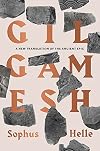
Helle’s translation into lively English of the Assyro-Babylonian epic poem from the cuneiform of the Akkadian language is a delight. The tale, even in the fragmented form that has survived, deals with fundamental concerns: love, mortality, grief, power, and a struggle between restless striving for control and a serene acceptance of life as human beings.
A 30-page introduction precedes the 120-page translation of the 12 tablets of the poem. This is followed by 95 pages of essays by the show more author about its literary form, language, and the societies and their ethics and norms that created the epic over centuries and the modern scholarship that followed its late 19th century rediscovery. This scholarship is summarized and backed up in the essays with 39 pages of footnotes and a 27-page bibliography. show less
A 30-page introduction precedes the 120-page translation of the 12 tablets of the poem. This is followed by 95 pages of essays by the show more author about its literary form, language, and the societies and their ethics and norms that created the epic over centuries and the modern scholarship that followed its late 19th century rediscovery. This scholarship is summarized and backed up in the essays with 39 pages of footnotes and a 27-page bibliography. show less
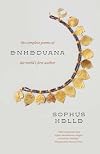
All the work of the young Danish Assyriologist Sophus Helle is solid. I previously read “Gilgamesh, a New Translation” by him and that not only provided a very secure and readable translation, but above all an up-to-date elucidation that is also understandable for laymen. And that is what Helle now offers here, for the work attributed to Enheduana, the high priestess in Sumerian Ur, more than 2200 years ago. The main difference with Gilgamesh is that this is not a more or less complete show more epic story, but a very limited oeuvre of mainly hymns, poems of praise addressed to one or more deities, and especially the Sumerian moon goddess Inana. The longest poem, the “Exaltation of Inana”, will speak most because of its powerful, expressive lyricism, the Temple Hymns and the other work remain somewhat stranger to the modern reader. Helle's explanations make up for a lot, but the distance still is too great in my opinion. For Helle, that’s no problem: “What the poems attributed to Enheduana have in common is that they overwhelm the reader with a torrent of images. There is an intensity to her work, a condensed fervor which even today feels like an explosion, and which I have done my best to convey in translation. Line after line, the reader is bombarded with metaphors and similes, often focused on reversals and the destructive forces of war and nature.” And then of course there’s the question of authorship, which Helle addresses in great detail. More about that in my History account on Goodreads: https://www.goodreads.com/review/show/5533015816. show less
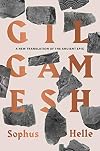
The still very young Danish cultural historian Sophus Helle has quickly become an internationally respected expert on ancient Mesopotamian literature. The Gilgamesh epic is his speciality, in 2019 he already released a Danish translation, together with his father, the poet Maarten Sondergaard. In this book he ventures into an English translation, and that is no small beer, because there has been no shortage of translations in recent decades. But in my opinion Helle does very well: his show more translation of the Standard Version is smooth, and seems to respect the (fragmented) originals well (it is of course an advantage that he knows the original languages -Sumerian and Akkadian- well). Compared to Schmidt's Gilgamesh A Life of a Poem, his introduction is a bit general and flat, but after the translation follows 5 longer essays that explore various aspects of the Gilgamesh story, both content and form. I are some of the best I've read about that oldest narrative of humanity. In my review in my History account on Goodreads I elaborate on what, after reading many other books, I also learned from Helle: https:/ /www.goodreads.com/review/show/4923560653 show less
My introduction to Gilgamesh was the N K Sandars edition, first published in 1960. It therefore seemed about time to find what had since been discovered about the epic. Sophus Helle does not disappoint, providing a powerful translation and much information to ponder about the nature of humanity, and the core importance of story-telling.
Awards


You May Also Like
Associated Authors
Statistics
- Works
- 3
- Also by
- 1
- Members
- 295
- Popularity
- #79,434
- Rating
- 3.8
- Reviews
- 7
- ISBNs
- 8
- Languages
- 1