
Roy W. Hamilton
Author of Gift of the Cotton Maiden: Textiles of Flores and the Solor Islands (Indonesia)
Works by Roy W. Hamilton
Gift of the Cotton Maiden: Textiles of Flores and the Solor Islands (Indonesia) (1994) — Editor and Author — 36 copies, 2 reviews
Material Choices: Refashioning Bast and Leaf Fibers in Asia and the Pacific (2007) — Editor — 23 copies, 1 review
Associated Works
Tagged
Common Knowledge
There is no Common Knowledge data for this author yet. You can help.
Members
Reviews
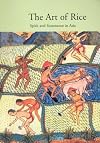
This is one of four books (& at 5.6 pounds, the heftiest!) that I highly recommend for those wishing to absorb some of the culture and art of south-east Asia. And of course, ART includes cooking! The area is loosely bound by RICE -- food of sustenance, and by beliefs & rituals that nourish the people's spirits.
1. It Rains Fishes (Thai cookery) # 0876543565 (1995)
2. Hot Sour Salty Sweet (Mekong River cuisine) # 1579651143 (2000)
3. Seductions of Rice (luxurious, delicious book!) # 1579652344 show more (2003)
I have been pursuing the weath of information, rituals & folk tales from these volumes, but oh, so slowly. (Taking a break & watching the movie "Eat, Drink, Man, Woman" [# B00005JKG1] is a good prescription to follow.)
Each book lifts up the Rice Goddess and the value of following an Asian diet with rice at its heart. Some of the recipes are as fascinating as the traditions & folk stories. "It Rains Fishes" has colorful BOLD watercolor paintings by T. Goodenough, & delicate companion drawings by M. DeSong which are delightful. The author is Kasma Loha-Unchit who teaches in the Bay Area & also leads discovery tours to Thailand each year. The two books by Jeffrey Alford & Naomi Duguid have handsome photographs and it is difficult to be content staying at home after browsing through these books.
Aurora Ammayao is the author, and Roy Hamilton (UCLA museum curator) editor of "The Art of Rice." Ancient antiquities connected with rice are shown with contemporary crafts, all conveying the sense of cultures centuries old, and rich beyond description. Questions come to mind about what will be there after "civilization" has sucked all the art & rituals from these people, leaving only commerce with its greed, and greater poverty.
Many writers have contributed to the scholarship of "THE ART OF RICE" - - You will follow your individual leadings but these are the chapters that piqued my greatest concentration:
c.30, The Future of Rice: there is a photo of a freezer vault at the International Rice Genebank in the Philippines; also, a collage-like painting of "Golf" with a commentary on the loss of rice fields to those building new golf courses, mostly adjacent to the burgeoning cities of SE Asia. Someone should sell this as a poster to finance a campaign against the descecration of sacred lands. American-multinational food conglomerates continue to kill the future livelihood of native farmers.
c.28, Wrapping the Body with Images of Rice (Kimono patterns from the Edo period; many show sheaves of rice & wooden noisemakers "naruko" to shoo ravenous sparrows away.)
c.25, Straw Matters (beautiful, intricate craftsmanship)
c.26, Rice, Self and State
c. 8, The Granary: A Home for Rice Spirits
c.31, Let's Hope the Bile is Good
c.18, The Goddess of Rice
c.12, The Gods Walk on Rice (Bali)
c.14, The Ghost Fest of Dan Sai (Thailand)
c.17, Of Mites and Men (Japan)
This book is tremendously important. All the museums I can never visit, and the glorious countryside & markets and waterfronts! REVIEWER mcHAIKU says perhaps some of these people are benefiting from our "Tsunami Gifts" - - a thought that makes being a homebound traveler much 'easier to take' ! show less
1. It Rains Fishes (Thai cookery) # 0876543565 (1995)
2. Hot Sour Salty Sweet (Mekong River cuisine) # 1579651143 (2000)
3. Seductions of Rice (luxurious, delicious book!) # 1579652344 show more (2003)
I have been pursuing the weath of information, rituals & folk tales from these volumes, but oh, so slowly. (Taking a break & watching the movie "Eat, Drink, Man, Woman" [# B00005JKG1] is a good prescription to follow.)
Each book lifts up the Rice Goddess and the value of following an Asian diet with rice at its heart. Some of the recipes are as fascinating as the traditions & folk stories. "It Rains Fishes" has colorful BOLD watercolor paintings by T. Goodenough, & delicate companion drawings by M. DeSong which are delightful. The author is Kasma Loha-Unchit who teaches in the Bay Area & also leads discovery tours to Thailand each year. The two books by Jeffrey Alford & Naomi Duguid have handsome photographs and it is difficult to be content staying at home after browsing through these books.
Aurora Ammayao is the author, and Roy Hamilton (UCLA museum curator) editor of "The Art of Rice." Ancient antiquities connected with rice are shown with contemporary crafts, all conveying the sense of cultures centuries old, and rich beyond description. Questions come to mind about what will be there after "civilization" has sucked all the art & rituals from these people, leaving only commerce with its greed, and greater poverty.
Many writers have contributed to the scholarship of "THE ART OF RICE" - - You will follow your individual leadings but these are the chapters that piqued my greatest concentration:
c.30, The Future of Rice: there is a photo of a freezer vault at the International Rice Genebank in the Philippines; also, a collage-like painting of "Golf" with a commentary on the loss of rice fields to those building new golf courses, mostly adjacent to the burgeoning cities of SE Asia. Someone should sell this as a poster to finance a campaign against the descecration of sacred lands. American-multinational food conglomerates continue to kill the future livelihood of native farmers.
c.28, Wrapping the Body with Images of Rice (Kimono patterns from the Edo period; many show sheaves of rice & wooden noisemakers "naruko" to shoo ravenous sparrows away.)
c.25, Straw Matters (beautiful, intricate craftsmanship)
c.26, Rice, Self and State
c. 8, The Granary: A Home for Rice Spirits
c.31, Let's Hope the Bile is Good
c.18, The Goddess of Rice
c.12, The Gods Walk on Rice (Bali)
c.14, The Ghost Fest of Dan Sai (Thailand)
c.17, Of Mites and Men (Japan)
This book is tremendously important. All the museums I can never visit, and the glorious countryside & markets and waterfronts! REVIEWER mcHAIKU says perhaps some of these people are benefiting from our "Tsunami Gifts" - - a thought that makes being a homebound traveler much 'easier to take' ! show less
A fascinating and diverse collection of essays on the festivals, beliefs, and customs of rice-growing in Asia. A go-to book for anyone interested in rice, festivals, agriculture in Asia, animism, and rural Asian cultures. Authors from 10 different countries contributed to this volume, which accompanied 'one of the UCLA Fowler Museum's largest and most complex undertakings'. In their words, this volume 'encompasses the vast geographical construct called "Asia" and the innumerable ways that show more the growing and eating of rice have become intimately bound to aspects of personal identity; notions of family, community, and state; and systems of religious belief and ritual activity. More than three billion people, most of them in Asia, consider rice the staple of their diet.'
Content includes articles on practices in Bali, Thailand, Nepal, India, Java, Vietnam, Indonesia, Japan and Korea. The articles are as diverse as "Sake in Japanese Art and Culture" to "The Goddess of Rice".
I've owned this book for years and dip in and out of it as needs be when researching specific cultures and festivals. I've never been disappointed. show less
Content includes articles on practices in Bali, Thailand, Nepal, India, Java, Vietnam, Indonesia, Japan and Korea. The articles are as diverse as "Sake in Japanese Art and Culture" to "The Goddess of Rice".
I've owned this book for years and dip in and out of it as needs be when researching specific cultures and festivals. I've never been disappointed. show less

Beautiful fabrics in wonderful colours, sometimes in very unusual combinations (magenta and orange)can provide inspiration for interior decoration.

Textiles of Flores and the Solor Islands by Los Angeles
Fowler Museum of Cultural history University of California (1994).
Photos, illustrations and text.
Fowler Museum of Cultural history University of California (1994).
Photos, illustrations and text.
Awards
You May Also Like
Associated Authors
Statistics
- Works
- 7
- Also by
- 3
- Members
- 126
- Popularity
- #159,215
- Rating
- 4.3
- Reviews
- 7
- ISBNs
- 10
- Languages
- 1