
Mikael S. Adolphson
Author of The Teeth and Claws of the Buddha: Monastic Warriors and Sohei in Japanese History
About the Author
Mikael Adolphson is associate professor of Japanese history in the Department of East Asian Languages and Civilizations, Harvard University.
Works by Mikael S. Adolphson
The Teeth and Claws of the Buddha: Monastic Warriors and Sohei in Japanese History (2007) 39 copies, 2 reviews
Tagged
Common Knowledge
- Birthdate
- 1961-03-10
- Gender
- male
- Nationality
- Sweden
- Associated Place (for map)
- Sweden
Members
Reviews
The Teeth and Claws of the Buddha : Monastic Warriors and Sōhei in Japanese History by Mikael S. Adolphson

While not as famous as the samurai or ninja, a well-known figure from Japanese history is the sohei, or warrior monk, typically depicted as wearing monastic robes, having a cowl on his head, and wielding a naginata.
Adolphson's object here is to show that this image is largely mythical, constructed for artistic and ideological purposes in the Tokugawa period. Actual monastic warriors in medieval Japan were overwhelmingly lay dependants of monasteries rather than monks proper, and dressed and show more fought identically to warriors in the service of secular masters.
I don't have the background to have an independent opinion, but FWIW his take seems internally consistent and to rhyme well with that of Karl Friday in Samurai, Warfare and the State in Early Medieval Japan, which doesn't really distinguish between secular and monastic employers of warriors. show less
Adolphson's object here is to show that this image is largely mythical, constructed for artistic and ideological purposes in the Tokugawa period. Actual monastic warriors in medieval Japan were overwhelmingly lay dependants of monasteries rather than monks proper, and dressed and show more fought identically to warriors in the service of secular masters.
I don't have the background to have an independent opinion, but FWIW his take seems internally consistent and to rhyme well with that of Karl Friday in Samurai, Warfare and the State in Early Medieval Japan, which doesn't really distinguish between secular and monastic employers of warriors. show less
The Teeth and Claws of the Buddha: Monastic Warriors and Sohei in Japanese History by Mikael S. Adolphson
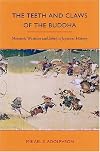
Excellent overview of the Japanese monastic warriors through history. Author systematically goes through actual historical data and moves toward symbols that are now associated with the monk warriors as depicted today.
Monasteries in Japan were source of rather good income so it is not strange that they soon became areas of contention between various noble families (be it in direct confrontation or through appointment of nobles as high functionaries or even abbots of the monasteries). Very show more soon [as it usually goes] monasteries started to fight between themselves over various claims on territory and income.
So it is not strange that very early these monasteries started to keep and organize their own armed forces, first small group of armed retainers that had no links to monks themselves (they were all layman) and then large well armed groups that presented quite a factor in conflicts among the noble families.
Author shows how monastic armed forces evolved over time, who was involved in the maintenance of armed forces for monasteries, how good they were, and links them to legends that gave birth to modern-day image of monk warrior (sohei).
Excellent book, highly recommended. show less
Monasteries in Japan were source of rather good income so it is not strange that they soon became areas of contention between various noble families (be it in direct confrontation or through appointment of nobles as high functionaries or even abbots of the monasteries). Very show more soon [as it usually goes] monasteries started to fight between themselves over various claims on territory and income.
So it is not strange that very early these monasteries started to keep and organize their own armed forces, first small group of armed retainers that had no links to monks themselves (they were all layman) and then large well armed groups that presented quite a factor in conflicts among the noble families.
Author shows how monastic armed forces evolved over time, who was involved in the maintenance of armed forces for monasteries, how good they were, and links them to legends that gave birth to modern-day image of monk warrior (sohei).
Excellent book, highly recommended. show less
Lists
Statistics
- Works
- 4
- Members
- 88
- Popularity
- #209,355
- Rating
- 4.0
- Reviews
- 2
- ISBNs
- 15