
Scott Loring Sanders
Author of The Hanging Woods
Works by Scott Loring Sanders
Associated Works
Tagged
Common Knowledge
There is no Common Knowledge data for this author yet. You can help.
Members
Reviews
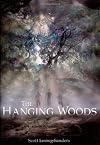
Reviewed by Cana Rensberger for TeensReadToo.com
You know that feeling you get when you pass a particularly horrific accident? It's not that you want someone to be hurt, but you can't help slowing down to look. That's how I felt as I began reading this book.
The year is 1975, shortly after the end of the Vietnam War. Times are tough. Tempers flare and the stress level is high. There are many historical elements that firmly root this story in this time period, yet the events and emotions in show more this story are not relegated to the 70's. Knowing this human condition exists today gives it even more impact.
Scott Loring Sanders deftly places the reader into the mind of thirteen-year-old Walter. Through Walter, the reader will experience the killing of a fox up close and personal. I could feel the fear and panic of the fox as he struggled against the trap. I felt the life energy of that fox dissipate into nothing through the handle of the stick used to beat him senseless, and I felt both Walter's revulsion and thrill over his first kill. His grandfather had insisted on this savage method. He told Walter, "...you gotta learn the hard way, really feel it with your hands, so you can appreciate the easy way."
This first chapter sets the tone of the book. Disturbing, you say? Absolutely. Fascinating? Positively! I read on, I'll admit, with some trepidation, as a reader who neither hunts, nor appreciates the feeling of satisfaction that hunters must feel when taking their prize, a foreigner to this male world of violence and dominance.
Meet Walter's friends. Jimmy is the leader who's rough around the edges, chiseled and hardened at the hands of his abusive, alcoholic father. Mothball's the chubby oddball who aims to become famous by beheading a chicken in just the right way so that he, Mothball, can keep it alive for over eighteen months and, therefore, beat the Guinness Book record. As you might imagine, he's subjected to more than his share of pranks and jokes, which makes him even more determined to succeed.
The boys walk the town in the wee hours of the morning as they pull off ever-escalating pranks on the local townspeople. To prove to one another that they aren't chicken, the risk and fear factors are taken up a notch each night. They venture further toward the Hanging Woods, Niggertown, and the Troll, a homeless Vietnam War veteran. When Troll sees them, they race home, adrenaline pumping, fear lighting a fire beneath their feet. But neither Jimmy nor Mothball knows Walter's secret, that Troll knows him. He called him by name!
The temperament of a thirteen-year-old around his parents is, by design, often volatile and argumentative. These are the times that teens must decide for themselves who they are and who they want to be. They examine the values their parents have tried to teach and compare them with the values their parents have shown. They are bombarded with the voices and opinions of their peers and walk a tightrope between what they are coming to believe about the world, and what they have been taught to believe. Imagine the turmoil Walter must feel when his safety net is snatched away the day he reads the secrets in his mother's diary. Walter's interpretation of those events results in his slow unraveling. The shift in the foundation of his world leaves Walter feeling unable to do anything more than stand by and let the darkness inside take over.
Other reviews have compared this book to TO KILL A MOCKING BIRD by Harper Lee and I see the similarities. Certainly the author has nailed the social atmosphere of the time, an interesting statement in itself, since the two books are set forty years apart. Both books masterfully address cruelty, hate, and prejudice, and both feature an innocent character on trial who makes the perfect target, in part, because they are reclusive and strange, the criminal stereotype. But for me, the similarities end there. Where Atticus Finch patiently strives to teach and show high moral values, the parents in THE HANGING WOODS are equally dysfunctional, instead teaching their son anger, frustration, and resignation.
As I read this book, I was strangely reminded of the classic movie, THE CHRISTMAS STORY, but without the light humor. Both feature rough, real-men-don't-cry type fathers; apologetic, coddling mothers; and sons struggling to find their place in their family and the world. In both, you become immersed in the strange world of guy bonding; fathers attempting to grow their sons up tough.
THE HANGING WOODS is a riveting look into a disturbed mind. I doubt I will soon forget the images and emotions Scott Loring Sanders brought forth in this, his first novel. I warn you, this is a dark, troubling read that will niggle at your conscience for days, if not weeks. But if you're like me, you won't be able to put it down until you find out if Walter's okay, in just the same way that you can't help slowing to view that accident.
I have compared THE HANGING WOODS to two enduring classics. I found myself researching the Tallapoosa River that separated Walter and his friends from Niggertown. I asked a social studies teacher what he knew of the Tallapoosa and the history of the time period. This novel completely got under my skin and instilled a desire in me to find out more.
How could I not also give it a Gold Star? I look forward to reading what Mr. Sanders has to offer next. show less
You know that feeling you get when you pass a particularly horrific accident? It's not that you want someone to be hurt, but you can't help slowing down to look. That's how I felt as I began reading this book.
The year is 1975, shortly after the end of the Vietnam War. Times are tough. Tempers flare and the stress level is high. There are many historical elements that firmly root this story in this time period, yet the events and emotions in show more this story are not relegated to the 70's. Knowing this human condition exists today gives it even more impact.
Scott Loring Sanders deftly places the reader into the mind of thirteen-year-old Walter. Through Walter, the reader will experience the killing of a fox up close and personal. I could feel the fear and panic of the fox as he struggled against the trap. I felt the life energy of that fox dissipate into nothing through the handle of the stick used to beat him senseless, and I felt both Walter's revulsion and thrill over his first kill. His grandfather had insisted on this savage method. He told Walter, "...you gotta learn the hard way, really feel it with your hands, so you can appreciate the easy way."
This first chapter sets the tone of the book. Disturbing, you say? Absolutely. Fascinating? Positively! I read on, I'll admit, with some trepidation, as a reader who neither hunts, nor appreciates the feeling of satisfaction that hunters must feel when taking their prize, a foreigner to this male world of violence and dominance.
Meet Walter's friends. Jimmy is the leader who's rough around the edges, chiseled and hardened at the hands of his abusive, alcoholic father. Mothball's the chubby oddball who aims to become famous by beheading a chicken in just the right way so that he, Mothball, can keep it alive for over eighteen months and, therefore, beat the Guinness Book record. As you might imagine, he's subjected to more than his share of pranks and jokes, which makes him even more determined to succeed.
The boys walk the town in the wee hours of the morning as they pull off ever-escalating pranks on the local townspeople. To prove to one another that they aren't chicken, the risk and fear factors are taken up a notch each night. They venture further toward the Hanging Woods, Niggertown, and the Troll, a homeless Vietnam War veteran. When Troll sees them, they race home, adrenaline pumping, fear lighting a fire beneath their feet. But neither Jimmy nor Mothball knows Walter's secret, that Troll knows him. He called him by name!
The temperament of a thirteen-year-old around his parents is, by design, often volatile and argumentative. These are the times that teens must decide for themselves who they are and who they want to be. They examine the values their parents have tried to teach and compare them with the values their parents have shown. They are bombarded with the voices and opinions of their peers and walk a tightrope between what they are coming to believe about the world, and what they have been taught to believe. Imagine the turmoil Walter must feel when his safety net is snatched away the day he reads the secrets in his mother's diary. Walter's interpretation of those events results in his slow unraveling. The shift in the foundation of his world leaves Walter feeling unable to do anything more than stand by and let the darkness inside take over.
Other reviews have compared this book to TO KILL A MOCKING BIRD by Harper Lee and I see the similarities. Certainly the author has nailed the social atmosphere of the time, an interesting statement in itself, since the two books are set forty years apart. Both books masterfully address cruelty, hate, and prejudice, and both feature an innocent character on trial who makes the perfect target, in part, because they are reclusive and strange, the criminal stereotype. But for me, the similarities end there. Where Atticus Finch patiently strives to teach and show high moral values, the parents in THE HANGING WOODS are equally dysfunctional, instead teaching their son anger, frustration, and resignation.
As I read this book, I was strangely reminded of the classic movie, THE CHRISTMAS STORY, but without the light humor. Both feature rough, real-men-don't-cry type fathers; apologetic, coddling mothers; and sons struggling to find their place in their family and the world. In both, you become immersed in the strange world of guy bonding; fathers attempting to grow their sons up tough.
THE HANGING WOODS is a riveting look into a disturbed mind. I doubt I will soon forget the images and emotions Scott Loring Sanders brought forth in this, his first novel. I warn you, this is a dark, troubling read that will niggle at your conscience for days, if not weeks. But if you're like me, you won't be able to put it down until you find out if Walter's okay, in just the same way that you can't help slowing to view that accident.
I have compared THE HANGING WOODS to two enduring classics. I found myself researching the Tallapoosa River that separated Walter and his friends from Niggertown. I asked a social studies teacher what he knew of the Tallapoosa and the history of the time period. This novel completely got under my skin and instilled a desire in me to find out more.
How could I not also give it a Gold Star? I look forward to reading what Mr. Sanders has to offer next. show less
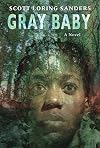
Reviewed by Sally Kruger aka "Readingjunky" for TeensReadToo.com
About ten years ago, Clifton Carlson watched as his father was beaten to death by a police officer. The attack was provoked by the fact that Clifton's black father was driving in a car with his white wife. Today's label for the situation would be DWB - driving while black.
Now in high school, Clifton doesn't think of himself as black or white. He is simply surviving, most of the time on his own since his mother has been lost in show more depression since the death of her husband. She spends her nights working at a dead-end job and her days lost in alcohol and cigarette smoke.
A balloon-release activity at Clifton's high school inspires him to try his own experiment. He writes short notes and sets them adrift in a nearby river in his mother's discarded wine bottles. Just making contact with someone far away from his own messed up world gives Clifton the courage to continue.
One day a letter arrives from a stranger who calls himself Swamper and Clifton is amazed. When he discovers the stranger lives within walking distance from the release point he used for his message-carrying bottles, he is at first disappointed but still interested in meeting the man.
Swamper lives alone in the woods. He spends his time catching catfish and selling them to a fishmonger who motors by each day to purchase his catch. Clifton is immediately fascinated by Swamper's lifestyle and falls into helping him as he casts his lines. He doesn't even question much when he learns that Swamper already knows about his father's tragic death. It just feels good to be with someone so sure of his place and so willing to spend time with a young teen.
Scott Loring Sanders explores the issue of racial prejudice in GRAY BABY. He presents the all too common white against black crime and relates the aftermath it creates for survivors. The plot could have gotten bogged down by the racial issue, but Sanders introduces several other situations that focus readers on the fact that bitterness as a result of crime and tragedy is not always black and white. Throughout the novel, Clifton struggles with his place in life, but a combination of determination and the encouragement of an old man help him find a way to carry on. show less
About ten years ago, Clifton Carlson watched as his father was beaten to death by a police officer. The attack was provoked by the fact that Clifton's black father was driving in a car with his white wife. Today's label for the situation would be DWB - driving while black.
Now in high school, Clifton doesn't think of himself as black or white. He is simply surviving, most of the time on his own since his mother has been lost in show more depression since the death of her husband. She spends her nights working at a dead-end job and her days lost in alcohol and cigarette smoke.
A balloon-release activity at Clifton's high school inspires him to try his own experiment. He writes short notes and sets them adrift in a nearby river in his mother's discarded wine bottles. Just making contact with someone far away from his own messed up world gives Clifton the courage to continue.
One day a letter arrives from a stranger who calls himself Swamper and Clifton is amazed. When he discovers the stranger lives within walking distance from the release point he used for his message-carrying bottles, he is at first disappointed but still interested in meeting the man.
Swamper lives alone in the woods. He spends his time catching catfish and selling them to a fishmonger who motors by each day to purchase his catch. Clifton is immediately fascinated by Swamper's lifestyle and falls into helping him as he casts his lines. He doesn't even question much when he learns that Swamper already knows about his father's tragic death. It just feels good to be with someone so sure of his place and so willing to spend time with a young teen.
Scott Loring Sanders explores the issue of racial prejudice in GRAY BABY. He presents the all too common white against black crime and relates the aftermath it creates for survivors. The plot could have gotten bogged down by the racial issue, but Sanders introduces several other situations that focus readers on the fact that bitterness as a result of crime and tragedy is not always black and white. Throughout the novel, Clifton struggles with his place in life, but a combination of determination and the encouragement of an old man help him find a way to carry on. show less
I picked this up because the cover and the blurbs made it seem like a "Stand by Me" sort of novel. Set in the 1970s in a small, struggling working class town, this is the story of 3 teen boys who are uneasy with themselves and with each other. Trust is a major theme in this book - though lifelong friends, the three main characters don't trust each other at all. They make mention of John Knowles "A Seperate Peace" and there are some interesting parallels. The characters don't grab you, and show more the story is very plodding for the first 3/4 of the book. Everyone is mildly to stronly racist, but little to no moral judgement attached. The only bright spot is a headless turkey that one character is trying to keep alive in order to get into the Guinness Book of World Records. The ending is a "gotcha" one, but I found it not that shocking coming from such an unreliable narrator. I wouldn't booktalk it, but I may shelftalk it if I had a teen who was into murder mysteries and wanted something that was quick and easy. show less
Clifton's father was killed when he was young. His mother, depressed, sunk into alcoholism. Half black, half white, he doesn't seem to fit in anywhere until he makes friends with an old man one summer. Then Clifton sees a girl being abducted.
Awards


You May Also Like
Associated Authors
Statistics
- Works
- 4
- Also by
- 2
- Members
- 111
- Popularity
- #175,483
- Rating
- 3.5
- Reviews
- 7
- ISBNs
- 7