
Paula Ikuutaq Rumbolt
Author of The Origin of Day and Night
About the Author
Works by Paula Ikuutaq Rumbolt
Tagged
Common Knowledge
There is no Common Knowledge data for this author yet. You can help.
Members
Reviews

Inuit author Paula Ikuutaq Rumbolt turns to the traditional lore of her people in this debut picture-book, which offers a pourquoi story explaining how lightning and thunder came to be. Opening in a time before theft was known amongst the Inuit, the tale details how two orphaned children, a sister and brother, are turned away from a village's celebration, and told that there is no food for them. When they steal what they need - the first theft - they are at first pleased with what they have show more taken. But when they realize that they will be punished by the people for their actions, they seek an escape, eventually making their way to the sky land, where they become the lightning and the thunder...
After enjoying Rumbolt's subsequent picture-book, The Origin of Day and Night, I decided to track down The Legend of Lightning and Thunder, and read that as well. I'm glad I did. Like so many titles put out by the Inuit-owned publisher, Inhabit Media, this offered an appealing blend of engaging, thought-provoking story and striking artwork. It was quite interesting to learn that, in the traditional Inuit view, such acts as theft came into the world, not through malice or evil on the part of the wrong-doer, but through a lack of generosity toward the unfortunate on the part of the people. This highlights the central importance that community and mutual help would have played (and no doubt still do) in such a harsh natural environment. The artwork by Jo Rioux is sometimes a little too cute for the subject matter, I thought, but was still quite appealing. All in all, a lovely book, one I would recommend to folklore lovers in general, and to anyone interested in Inuit legends in particular. show less
After enjoying Rumbolt's subsequent picture-book, The Origin of Day and Night, I decided to track down The Legend of Lightning and Thunder, and read that as well. I'm glad I did. Like so many titles put out by the Inuit-owned publisher, Inhabit Media, this offered an appealing blend of engaging, thought-provoking story and striking artwork. It was quite interesting to learn that, in the traditional Inuit view, such acts as theft came into the world, not through malice or evil on the part of the wrong-doer, but through a lack of generosity toward the unfortunate on the part of the people. This highlights the central importance that community and mutual help would have played (and no doubt still do) in such a harsh natural environment. The artwork by Jo Rioux is sometimes a little too cute for the subject matter, I thought, but was still quite appealing. All in all, a lovely book, one I would recommend to folklore lovers in general, and to anyone interested in Inuit legends in particular. show less

Paula Ikuutaq Rumbolt, who made her debut with 2013's The Legend of Lightning and Thunder, returns to the traditional stories of the Inuit people in this second picture-book. A pourquoi tale explaining how day and night came to alternate in the world, it follows the at first competitive and then cooperative actions of Tiri, the Arctic fox, and Ukaliq, the Arctic hare. One prefers the dark for his hunting, the other the light for her foraging. Eventually they learn to balance their needs, and show more the demand for night and day...
Like so many other titles I have read from Inhabit Media, an Inuit-owned press based in Nunavut, The Origin of Day and Night pairs an engaging retelling of a traditional tale with arresting artwork. I appreciated the fact that although the fox and hare are antagonistic - the fox hunts the hare, after all! - neither is depicted as the villain, and both of their needs are treated as legitimate and important. Finding a balance between the two is something that leads to a benefit for all. I also appreciated the power assigned to words here, as this - the idea that words are a form of magic that can make and unmake reality - is something seen in many traditions. The artwork by Lenny Lischenko is just lovely, and greatly enhanced my appreciation for the book. The color palette is limited, but suitable for an arctic setting, and the figures are stylized and appealing. I particularly liked the scenes with a dark background paper. Recommended to young folklore enthusiasts, and to anyone looking for children's stories about the Arctic. show less
Like so many other titles I have read from Inhabit Media, an Inuit-owned press based in Nunavut, The Origin of Day and Night pairs an engaging retelling of a traditional tale with arresting artwork. I appreciated the fact that although the fox and hare are antagonistic - the fox hunts the hare, after all! - neither is depicted as the villain, and both of their needs are treated as legitimate and important. Finding a balance between the two is something that leads to a benefit for all. I also appreciated the power assigned to words here, as this - the idea that words are a form of magic that can make and unmake reality - is something seen in many traditions. The artwork by Lenny Lischenko is just lovely, and greatly enhanced my appreciation for the book. The color palette is limited, but suitable for an arctic setting, and the figures are stylized and appealing. I particularly liked the scenes with a dark background paper. Recommended to young folklore enthusiasts, and to anyone looking for children's stories about the Arctic. show less
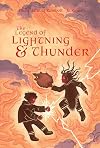
This book was part of an initiative to provide access to authentic native stories to native children. I like listening/reading native storytelling because they focus so much on the nature and land around them. You can imagine them being passed through generations of families. This book would be ideal in a unit on Native culture and storytelling. It could also be included in a unit on weather, along with other related legends about weather.
This book was very magical after reading the author's message I was moved by the fact that she does it to keep her culture from being forgotten. After realizing that kids knew more about Eurocentric culture than their own she decided to make a book that will deliver a sense of tradition to the Inuit.
Lists
Awards


You May Also Like
Associated Authors
Statistics
- Works
- 2
- Members
- 53
- Popularity
- #303,172
- Rating
- 3.6
- Reviews
- 5
- ISBNs
- 8