
Dmitri Bykov
Author of Living Souls
About the Author
Image credit: Dmitri Bykov on February 01, 2005 in Moscow, Russia
Works by Dmitri Bykov
Думание мира 1 copy
Associated Works
Read Russia!: An Anthology of New Voices — Contributor — 15 copies
Tagged
Common Knowledge
- Canonical name
- Bykov, Dmitri
- Legal name
- Bykov, Dmitrii Lvovich
- Other names
- Быков, Дмитрий Львович
- Birthdate
- 1967-12-20
- Gender
- male
- Education
- Moscow State University
- Occupations
- journalist
author
poet
broadcaster
lecturer - Organizations
- Moscow State Institute of International Relations (MGIMO)
League of Voters
Russian Opposition Coordination Council - Relationships
- Lukianova, Irina (wife)
- Nationality
- Russia
- Birthplace
- Moscow, Soviet Union
- Places of residence
- Moscow, Russia
- Map Location
- Russia
Members
Reviews

История прокатывается по живым людям, как каток. Как огромное страшное колесо, кого-то оставляя целым, а кого-то разрывая надвое. Человек "до" слома эпохи и он же "после" слома - один ли это человек, или рождается непредсказуемый кентавр, способный на геройство и подлость show more одновременно? show less
Rating: 4* of five
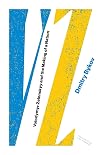
The Publisher Says: How does a comedian become the face of a nation's fight for survival?
In VZ, celebrated Russian author Dmitry Bykov unpacks the extraordinary rise of Vladimir Zelenskyi—from a TV star to a wartime leader defying a global superpower. With wit and razor-sharp insight, Bykov dives into the moments that shaped Zelenskyi's improbable journey, revealing the man behind the headlines.
This is not just a story of one leader but of a nation on the edge, and the show more power of resilience in the face of overwhelming odds. Bykov offers a fresh, compelling take on Zelenskyi’s leadership, Ukraine’s struggle for sovereignty, and what it truly means to fight for democracy in the modern world.
For anyone eager to understand the making of a modern hero and the fierce will of a nation under siege, VZ is essential reading.
I RECEIVED A DRC FROM THE PUBLISHER VIA EDELWEISS+. THANK YOU.
My Review: Ukraine's president, a former performer who took on a mantle of identity formation for the ancient land of Ukraine, gets a hagiography. Bykov is a prolific writer, twelve novels and a slew of other biographies in his pocket, but until Open Letter brought this book out, nothing in English either in the UK or US markets. As translated by John Freedman, a prolific translator into English, the Bykov touch seems to serve a need to balance uncritical praise and honest assessment.
Everything starts for the Anglophone with the competing systems of Romanizing Russian and Ukrainian. They are as different as English and American, or Portuguese and Brazilian. This means they need to be transliterated differently. It will strike US readers as weird, and feel "wrong" to many who, like me, lived our entire lives accepting "USSR" and "Russia" as synonyms, "The Ukraine" being uncritically assumed to be part of both.
Volodymyr Zelenskyi (a usage common in the text; I'll use it here as I prefer it to double-y which breaks my brain) is the president of Ukraine's name. Learn it. We're not dictating anymore, old white guys, we're learning what to call people, how to spell it, when to say it. The fascism our fathers, their grandfathers, fought a war to defeat is cultural as well as political. We need to shed our old assumptions.
Accustoming myself to Author Bykov's code-switching between transliterations was as challenging as learning when to use "tu" versus the formal third person. It got to be automatic, and served as effective signposting of a source's sympathies. It's going to take effort from the deeply acculturated to the Cold War's polarities. In a multipolar world, people like Zelenskyi are the feared and/or anticipated breezes from outside certainty. There's a lot in Zelenskyi's past that makes him a good stand-in for global changes to get the old certainties to unclench: he's charismatic, he's deeply convinced of his cause's rightness not simply clinging to his power; his government, unsurprisingly, faces a lot of bad press with accusations of corruption and self-dealing that ring false and hollow, so don't stick. Reading this rather-too-long book demonstrates why: This is a man of integrity and convictions accusing by his existence those who embody other "values."
What you gain by reading this biography is a clear sense of *WHY* Ukraine unites behind the figure of Zelenskyi: He represents them, he says the words they want to hear, he makes the sacrifices they make. This is Leadership 101, folks, it's either the best stage-managed con job in political history (in which case the world's leaders would unite to kill him as fast as possible) or he's sure he's Right.
Guess which one the invaders' ruler, too scared of his people to allow them elections that are free of thumbscaling determinism, wants us all to believe. I think I'm finally understanding the Slavic concept of "the holy fool" (bozhevilyi in Ukrainian) the longer I stew over the facts of Zelenskyi's choice to stand in Putin's way. It's that real belief that the way will be made for that soul who simply does not accept the world's verdict about reality. Any sane person would've taken the ride offered to evacuate him, not demanded the weapons to fight, the invaders of a major army with a dictator at its head who needn't fear election losses or civil unrest unseating him. (It says here...watch this space.)
I will say I can't offer all five stars because, absence of footnotes and all, there's simply an overwhelming amount of detail to absorb and not a lot of framing to do it within. It's not possible to give that without a lot more history; that's not what this book's about; so it's a little unfair but I'm a reader-response reviewer not a literary critic. I'm resolutely anti-christian and find a lot of the apocalypticism around the battles of this war framed in Holy War terms unpleasantly alien, when I think the humanity on each side is more than capable of doing their worst of their own volition.
I could simply be not "getting" these references inside the proper framework. I acknowledge this...and still slice off the remaining bits of a fifth star. So four thoroughly impressed, urgently motivated "buy me now" stars. show less
The Publisher Says: How does a comedian become the face of a nation's fight for survival?
In VZ, celebrated Russian author Dmitry Bykov unpacks the extraordinary rise of Vladimir Zelenskyi—from a TV star to a wartime leader defying a global superpower. With wit and razor-sharp insight, Bykov dives into the moments that shaped Zelenskyi's improbable journey, revealing the man behind the headlines.
This is not just a story of one leader but of a nation on the edge, and the show more power of resilience in the face of overwhelming odds. Bykov offers a fresh, compelling take on Zelenskyi’s leadership, Ukraine’s struggle for sovereignty, and what it truly means to fight for democracy in the modern world.
For anyone eager to understand the making of a modern hero and the fierce will of a nation under siege, VZ is essential reading.
I RECEIVED A DRC FROM THE PUBLISHER VIA EDELWEISS+. THANK YOU.
My Review: Ukraine's president, a former performer who took on a mantle of identity formation for the ancient land of Ukraine, gets a hagiography. Bykov is a prolific writer, twelve novels and a slew of other biographies in his pocket, but until Open Letter brought this book out, nothing in English either in the UK or US markets. As translated by John Freedman, a prolific translator into English, the Bykov touch seems to serve a need to balance uncritical praise and honest assessment.
Everything starts for the Anglophone with the competing systems of Romanizing Russian and Ukrainian. They are as different as English and American, or Portuguese and Brazilian. This means they need to be transliterated differently. It will strike US readers as weird, and feel "wrong" to many who, like me, lived our entire lives accepting "USSR" and "Russia" as synonyms, "The Ukraine" being uncritically assumed to be part of both.
Volodymyr Zelenskyi (a usage common in the text; I'll use it here as I prefer it to double-y which breaks my brain) is the president of Ukraine's name. Learn it. We're not dictating anymore, old white guys, we're learning what to call people, how to spell it, when to say it. The fascism our fathers, their grandfathers, fought a war to defeat is cultural as well as political. We need to shed our old assumptions.
Accustoming myself to Author Bykov's code-switching between transliterations was as challenging as learning when to use "tu" versus the formal third person. It got to be automatic, and served as effective signposting of a source's sympathies. It's going to take effort from the deeply acculturated to the Cold War's polarities. In a multipolar world, people like Zelenskyi are the feared and/or anticipated breezes from outside certainty. There's a lot in Zelenskyi's past that makes him a good stand-in for global changes to get the old certainties to unclench: he's charismatic, he's deeply convinced of his cause's rightness not simply clinging to his power; his government, unsurprisingly, faces a lot of bad press with accusations of corruption and self-dealing that ring false and hollow, so don't stick. Reading this rather-too-long book demonstrates why: This is a man of integrity and convictions accusing by his existence those who embody other "values."
What you gain by reading this biography is a clear sense of *WHY* Ukraine unites behind the figure of Zelenskyi: He represents them, he says the words they want to hear, he makes the sacrifices they make. This is Leadership 101, folks, it's either the best stage-managed con job in political history (in which case the world's leaders would unite to kill him as fast as possible) or he's sure he's Right.
Guess which one the invaders' ruler, too scared of his people to allow them elections that are free of thumbscaling determinism, wants us all to believe. I think I'm finally understanding the Slavic concept of "the holy fool" (bozhevilyi in Ukrainian) the longer I stew over the facts of Zelenskyi's choice to stand in Putin's way. It's that real belief that the way will be made for that soul who simply does not accept the world's verdict about reality. Any sane person would've taken the ride offered to evacuate him, not demanded the weapons to fight, the invaders of a major army with a dictator at its head who needn't fear election losses or civil unrest unseating him. (It says here...watch this space.)
I will say I can't offer all five stars because, absence of footnotes and all, there's simply an overwhelming amount of detail to absorb and not a lot of framing to do it within. It's not possible to give that without a lot more history; that's not what this book's about; so it's a little unfair but I'm a reader-response reviewer not a literary critic. I'm resolutely anti-christian and find a lot of the apocalypticism around the battles of this war framed in Holy War terms unpleasantly alien, when I think the humanity on each side is more than capable of doing their worst of their own volition.
I could simply be not "getting" these references inside the proper framework. I acknowledge this...and still slice off the remaining bits of a fifth star. So four thoroughly impressed, urgently motivated "buy me now" stars. show less

One of those nearly perfect novels that dive into the time, the places, the atmosphere. And look, here are the people, this is who they were, you can reach out and touch of you want.
My reactions to Bykov's explanation for "the Soviet phenomenon" range between "I see" and "Seriously!?" But really, who am I to begrudge authors their very own ways of exorcising their soviet demons? It's a great book, do read it if you can.
My reactions to Bykov's explanation for "the Soviet phenomenon" range between "I see" and "Seriously!?" But really, who am I to begrudge authors their very own ways of exorcising their soviet demons? It's a great book, do read it if you can.

В основу сюжета нового романа Дмитрия Быкова "Остромов, или Ученик чародея" легло полузабытое ныне "Дело ленинградских масонов" 1925-1926 гг. Но оно, как часто случается в книгах этого писателя (вспомним романы "Орфография" и "Оправдание", с которыми "Остромов" составляет show more своеобразную трилогию), стало лишь фоном для многопланового повествования о людских судьбах в переломную эпоху, о стремительно меняющихся критериях добра и зла, о стойкости, кажущейся бравадой, и конформизме, приобретающем статус добродетели. И размышлений о том, не предстоит ли и нам пережить нечто подобное. show less
Awards


You May Also Like
Associated Authors
Statistics
- Works
- 47
- Also by
- 1
- Members
- 176
- Popularity
- #121,981
- Rating
- 3.8
- Reviews
- 15
- ISBNs
- 72
- Languages
- 5
- Favorited
- 1
