
Jerusalem Demsas
Author of On the Housing Crisis: Land, Development, Democracy (Atlantic Editions)
Works by Jerusalem Demsas
Tagged
Common Knowledge
There is no Common Knowledge data for this author yet. You can help.
Members
Reviews
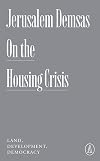
For decades, the USA has neglected its housing stock and its residents’ needs for housing. Instead, everyone is focused on the price. Americans judge the state of the economy by the rate of rise and occasional fall in housing prices. Nothing is allowed to interfere with the constant price increase for long, because it is the basis of most families’ wealth. In On the Housing Crisis, Jerusalem Demsas has collected her articles from The Atlantic on this topic, and the conclusion is show more everyone’s been looking in the wrong place, because the light is better there. It is a fast and smooth-reading collection of facts and research that will almost certainly alter the reader’s appreciation of the housing crisis and of the ever-increasing homelessness in the USA.
The problem, Demsas is quite clear, is democracy. Every individual has the right to block new construction, for whatever individual want or desire they have. They might object to a view being obstructed, or to additional noise from additional residents, or pollution, or trees of the wrong kind, or changing the character of the neighborhood. Or even just the design of the new project not being close enough to the rest of the area. Anything and everything can stand in the way of development. And for some reason, a single bleating voice is usually enough to kill off a project at the planning, zoning or council level. Harangues work, and local officials don’t get paid nearly enough to endure and outlast them. So they cave and the applicant is shut out.
Worse, most of the tens of thousands of boroughs, villages, townships and towns, and even unincorporated areas have zoning restrictions. And they typically require acre lots, large single family homes, with huge pointless front lawns and totally unnecessarily long driveways. So density is nil. Even if the town has no life, no employment opportunities and no future, someone will object to a block of rowhouses or a duplex going up that might kick the town into gear. So nothing changes, and more and more Americans can’t find affordable housing. For immigrants, there is nothing. The country is totally unprepared for them.
This democratic right is so entrenched that anyone trying to build a mother-in-law apartment in their own garage can be stopped cold by anyone else on the street. It has come to the point where living in a town is more strict than living in a condo community with all its rules against colors of paint, height of grass, kinds of lights and so on. Demsas says “It’s like a homeowners’ association from hell, backed by the force of law.”
So while everyone is used to blaming evil developers for wrecking peaceful little communities with their big money and big ideas, it is actually democracy, Demsas found, that enables the stagnancy and lack of affordable housing all over the country. Housing is at a standstill, and pure selfishness is at the core.
The studies done show that the complainers are largely older homeowners, wealthier and whiter than the community they are complaining in. Their conservatism means no one else is allowed to do anything. Towns are not allowed to evolve or grow; everything is frozen in time. Variety is prevented. No additional services will be offered because the population is not increasing to where they are viable. It’s a kind of MAGA effect at the most local level. And it’s killing the nation. Demsas says “Among renters, low-income households, and people of color, support for the state overriding localities and building new housing is strong.” But that pendulum swing seems a long way off.
Estimates run to America being short nearly four million homes. This, in simple supply and demand terms, means what stock is available will be painfully expensive. And so it is. It’s always a sellers’ market under these conditions.
It also means rents are much higher than they would otherwise be. And when it is all added up, there are hundreds of thousands of homeless. People with jobs, living in cars because they can’t afford rent, let alone a purchase. In New York City nearly 120,000 children are registered in school as having no fixed address.
And that brings up the business of cities. Demsas found that the more successful the city, the fewer people who worked there could live there. It means pointlessly long and expensive commutes into town, and lots of homelessness. The people working in San Jose can’t afford to live there, so they live in San Francisco, which empties out every morning as they go to work. But then, people who work in San Francisco can’t afford to live there themselves, because the rich techies from San Jose have taken all the apartments. This has led to ridiculous businesses like overnight parked car rentals, so employees can get to work without a two hour commute. On the East coast, workers in the Hamptons sleep in pup tents in the wild areas because there is nowhere they can rent in the Hamptons.
It’s not a matter of red government or blue; it’s a reflection of success. “Homelessness is abundant only in areas with robust labor markets and low rates of unemployment – booming coastal cities,” Demsas cites one study as determining. So it’s not that these cities are failing or that government is overbearing. It is because they are successful. It is the opposite of common knowledge. It is, in the immortal words of WC Fields, “the penalty of greatness.”
Demsas explodes the myth that the homeless travel across the country looking for a comfortable climate to be homeless in. The vast majority of the homeless in California do not come from out of state. In San Francisco in 2022, the figure was 4% for out of staters.
First of the all, the homeless are generally not in any position to do a lot of cross country travel. Second, things are bad enough without also giving up contact with their lifelong network of friends and family. And doing all this only to end up in a place where they have no support and know no one makes no sense, including to the homeless.
And as long as she’s at it, Demsas demolishes the impression that people like Donald Trump have that Blacks fill inner cities, where crime is huge and fearsome, and so on. The fact is the “Black population living in the 40 most populous central cities in the U.S. fell from 40 percent to 24 percent.” And this has been a trend for decades. Those who move to the suburbs do significantly better than those who stay put. The Extreme Urban Black is just another old myth that is simply not borne out by the facts.
I have only one complaint about the book. It seems that Demsas simply collected her 14 magazine articles and pasted them into this book. The result is repetition as the same sentences and thoughts get restated in different stories. Understanding that these are standalone articles allows readers to carry on despite having already seen this, but as a book it could stand some editing for a smoother ride.
The punchline to all this is a living contradiction that demonstrates everything and explains nothing. Billionaire Marc Andreessen published a piece called “It’s Time To Build.” In it, he demonstrates his complete understanding of the situation – housing shortage, markets, expansion, overcrowding, undercrowding, homelessness, vibrant neighborhoods – the works. And yet, when it came to a developer wanting to build a “small number of multifamily units” in Atherton, California, where the Andreessens live – they were all over it. They protested vigorously and loudly, defending their rich enclave from the threat of the non-billionaire class coming anywhere near their town. Their property values would plummet if ordinary families were allowed in, they yelled. And so people who work there can’t live there.
And that’s why we live in the car, kids.
David Wineberg show less
The problem, Demsas is quite clear, is democracy. Every individual has the right to block new construction, for whatever individual want or desire they have. They might object to a view being obstructed, or to additional noise from additional residents, or pollution, or trees of the wrong kind, or changing the character of the neighborhood. Or even just the design of the new project not being close enough to the rest of the area. Anything and everything can stand in the way of development. And for some reason, a single bleating voice is usually enough to kill off a project at the planning, zoning or council level. Harangues work, and local officials don’t get paid nearly enough to endure and outlast them. So they cave and the applicant is shut out.
Worse, most of the tens of thousands of boroughs, villages, townships and towns, and even unincorporated areas have zoning restrictions. And they typically require acre lots, large single family homes, with huge pointless front lawns and totally unnecessarily long driveways. So density is nil. Even if the town has no life, no employment opportunities and no future, someone will object to a block of rowhouses or a duplex going up that might kick the town into gear. So nothing changes, and more and more Americans can’t find affordable housing. For immigrants, there is nothing. The country is totally unprepared for them.
This democratic right is so entrenched that anyone trying to build a mother-in-law apartment in their own garage can be stopped cold by anyone else on the street. It has come to the point where living in a town is more strict than living in a condo community with all its rules against colors of paint, height of grass, kinds of lights and so on. Demsas says “It’s like a homeowners’ association from hell, backed by the force of law.”
So while everyone is used to blaming evil developers for wrecking peaceful little communities with their big money and big ideas, it is actually democracy, Demsas found, that enables the stagnancy and lack of affordable housing all over the country. Housing is at a standstill, and pure selfishness is at the core.
The studies done show that the complainers are largely older homeowners, wealthier and whiter than the community they are complaining in. Their conservatism means no one else is allowed to do anything. Towns are not allowed to evolve or grow; everything is frozen in time. Variety is prevented. No additional services will be offered because the population is not increasing to where they are viable. It’s a kind of MAGA effect at the most local level. And it’s killing the nation. Demsas says “Among renters, low-income households, and people of color, support for the state overriding localities and building new housing is strong.” But that pendulum swing seems a long way off.
Estimates run to America being short nearly four million homes. This, in simple supply and demand terms, means what stock is available will be painfully expensive. And so it is. It’s always a sellers’ market under these conditions.
It also means rents are much higher than they would otherwise be. And when it is all added up, there are hundreds of thousands of homeless. People with jobs, living in cars because they can’t afford rent, let alone a purchase. In New York City nearly 120,000 children are registered in school as having no fixed address.
And that brings up the business of cities. Demsas found that the more successful the city, the fewer people who worked there could live there. It means pointlessly long and expensive commutes into town, and lots of homelessness. The people working in San Jose can’t afford to live there, so they live in San Francisco, which empties out every morning as they go to work. But then, people who work in San Francisco can’t afford to live there themselves, because the rich techies from San Jose have taken all the apartments. This has led to ridiculous businesses like overnight parked car rentals, so employees can get to work without a two hour commute. On the East coast, workers in the Hamptons sleep in pup tents in the wild areas because there is nowhere they can rent in the Hamptons.
It’s not a matter of red government or blue; it’s a reflection of success. “Homelessness is abundant only in areas with robust labor markets and low rates of unemployment – booming coastal cities,” Demsas cites one study as determining. So it’s not that these cities are failing or that government is overbearing. It is because they are successful. It is the opposite of common knowledge. It is, in the immortal words of WC Fields, “the penalty of greatness.”
Demsas explodes the myth that the homeless travel across the country looking for a comfortable climate to be homeless in. The vast majority of the homeless in California do not come from out of state. In San Francisco in 2022, the figure was 4% for out of staters.
First of the all, the homeless are generally not in any position to do a lot of cross country travel. Second, things are bad enough without also giving up contact with their lifelong network of friends and family. And doing all this only to end up in a place where they have no support and know no one makes no sense, including to the homeless.
And as long as she’s at it, Demsas demolishes the impression that people like Donald Trump have that Blacks fill inner cities, where crime is huge and fearsome, and so on. The fact is the “Black population living in the 40 most populous central cities in the U.S. fell from 40 percent to 24 percent.” And this has been a trend for decades. Those who move to the suburbs do significantly better than those who stay put. The Extreme Urban Black is just another old myth that is simply not borne out by the facts.
I have only one complaint about the book. It seems that Demsas simply collected her 14 magazine articles and pasted them into this book. The result is repetition as the same sentences and thoughts get restated in different stories. Understanding that these are standalone articles allows readers to carry on despite having already seen this, but as a book it could stand some editing for a smoother ride.
The punchline to all this is a living contradiction that demonstrates everything and explains nothing. Billionaire Marc Andreessen published a piece called “It’s Time To Build.” In it, he demonstrates his complete understanding of the situation – housing shortage, markets, expansion, overcrowding, undercrowding, homelessness, vibrant neighborhoods – the works. And yet, when it came to a developer wanting to build a “small number of multifamily units” in Atherton, California, where the Andreessens live – they were all over it. They protested vigorously and loudly, defending their rich enclave from the threat of the non-billionaire class coming anywhere near their town. Their property values would plummet if ordinary families were allowed in, they yelled. And so people who work there can’t live there.
And that’s why we live in the car, kids.
David Wineberg show less
Statistics
- Works
- 1
- Members
- 23
- Popularity
- #537,597
- Rating
- 4.0
- Reviews
- 1
- ISBNs
- 2