
Greg Oliver
Author of Benoit: Wrestling with the Horror that Destroyed a Family and Crippled a Sport
About the Author
A Virginia-based writer and editor, Steven Johnson has won more than 20 regional and national awards for his reporting on a variety of stories. He wrote his first wrestling magazine story in 1973 and contributes to SLAM! Wrestling and other publications. Greg Oliver is the author of 15 books and show more counting, and the producer of the long-running SLAM! Wrestling website. He lives in Toronto, Ontario, with his wife and son. show less
Series
Works by Greg Oliver
Benoit: Wrestling with the Horror that Destroyed a Family and Crippled a Sport (2007) 27 copies, 1 review
Don't Call Me Goon: Hockey's Greatest Enforcers, Gunslingers, and Bad Boys (2013) 20 copies, 2 reviews
The Pro Wrestling Hall of Fame: The Storytellers (From the Terrible Turk to Twitter) (2019) — Director — 14 copies, 3 reviews
Written in Blue and White: The Toronto Maple Leafs Contracts and Historical Documents from the Collection of Allan Stitt (2014) 3 copies
Tagged
Common Knowledge
- Gender
- male
Members
Reviews
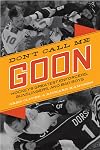
Despite what we’ve learned in recent years about the long term effects of fighting, hard hitting and cheap shots in pro hockey, there’s no denying that the foundation of the sport was built on the backs of “the enforcer”. When a team is down and their spirit is broken, they call on the almighty bruiser to run onto the battlefield and turn that momentum around. Whether it’s through a bone crushing hit that ignites the fans or a fight that shakes the confidence of their opponent, the show more goon brings that intangible that often isn’t measured on a score sheet.
With “Don’t Call Me Goon”, co-authors Greg Oliver and Richard Kamchen present a look at a select few of the toughest guys to ever lace up a pair of skates. While the argument between those who want to keep fighting in the game and those who want it banished is ongoing, there’s no questioning the impact a physical player has on the ice. Whether he’s talking trash, eliminating an offensive threat or dropping his gloves for a round of fisticuffs, he’s often known to have just as big an impact as a go-ahead goal.
Oliver and Kamchen do a great job tackling the early brawlers such as Joe Hall, Sprague Cleghorn and Red Horner as well as some of the heavy hitters of the original six era. However, I found the book really picked up when they moved into the expansion era. The punishing physical full team style pioneered by the St. Louis Blues and then adapted and perfected by the Broad Street Bullies Philadelphia Flyers had my jaw nearly hitting the floor. Players would often come down with a severe case of the Philly Flu, opting to sit it out rather than take that hellish beating the Bobby Clarke led squad would hand out. They were unstoppable from 1972 to 1978 when the equally destructive Montreal Canadiens would put an end to it.
The book then moves through some of the greatest tag teams like the late Bob Probert, a one man wrecking crew and his running mate Joey Koncur. It was until these two arrived alongside the legendary Steve Yzerman that the Detroit Red Wings turned things around in the late 1980s. The authors shine a light on former Maple Leaf heavyweights Tiger Williams and Dan Maloney as well as Anaheim’s Stu “The Grim Reaper” Grimson and his buddy Todd Ewen.
Oliver and Kamchen also take time to spotlight a few of the guys who could hit you as often as one of their shots would find the back of the net. Explosive multi-dimensional players like Clark Gillies and Wilf Paiement show that some ruffians are more than hitting machines.
Overall, I thought they presented an unbiased look at a few of hockey’s most memorable players. While it would be impossible to write a book about physical style hockey and not shed a light on the controversy it creates, both Oliver and Kamchen kept things light and managed to avoid having an opinion either way.
Don’t Call Me Goon is a swift punch in the face that won’t make you feel like you’re watching the clock, waiting for your penalty to end. show less
With “Don’t Call Me Goon”, co-authors Greg Oliver and Richard Kamchen present a look at a select few of the toughest guys to ever lace up a pair of skates. While the argument between those who want to keep fighting in the game and those who want it banished is ongoing, there’s no questioning the impact a physical player has on the ice. Whether he’s talking trash, eliminating an offensive threat or dropping his gloves for a round of fisticuffs, he’s often known to have just as big an impact as a go-ahead goal.
Oliver and Kamchen do a great job tackling the early brawlers such as Joe Hall, Sprague Cleghorn and Red Horner as well as some of the heavy hitters of the original six era. However, I found the book really picked up when they moved into the expansion era. The punishing physical full team style pioneered by the St. Louis Blues and then adapted and perfected by the Broad Street Bullies Philadelphia Flyers had my jaw nearly hitting the floor. Players would often come down with a severe case of the Philly Flu, opting to sit it out rather than take that hellish beating the Bobby Clarke led squad would hand out. They were unstoppable from 1972 to 1978 when the equally destructive Montreal Canadiens would put an end to it.
The book then moves through some of the greatest tag teams like the late Bob Probert, a one man wrecking crew and his running mate Joey Koncur. It was until these two arrived alongside the legendary Steve Yzerman that the Detroit Red Wings turned things around in the late 1980s. The authors shine a light on former Maple Leaf heavyweights Tiger Williams and Dan Maloney as well as Anaheim’s Stu “The Grim Reaper” Grimson and his buddy Todd Ewen.
Oliver and Kamchen also take time to spotlight a few of the guys who could hit you as often as one of their shots would find the back of the net. Explosive multi-dimensional players like Clark Gillies and Wilf Paiement show that some ruffians are more than hitting machines.
Overall, I thought they presented an unbiased look at a few of hockey’s most memorable players. While it would be impossible to write a book about physical style hockey and not shed a light on the controversy it creates, both Oliver and Kamchen kept things light and managed to avoid having an opinion either way.
Don’t Call Me Goon is a swift punch in the face that won’t make you feel like you’re watching the clock, waiting for your penalty to end. show less
This book is about hockey enforcers and their fights. It goes back to the early years of the early twentieth century and highlights many, many players. Let me tell you, for those of you who think fighting is still prevalent in today’s hockey game, it isn’t. They actually brought people up on murder charges back then! Hockey would break out at fights. It was crazy!
The authors cover early fighters such as Joe Hall, Red Horner, and Sprague Cleghorn before moving on to heavyweights from the show more original six era. It was fascinating to read about. Things really got bad, though, during the expansion era, circa 1967. When the Philadelphia Flyers, St. Louis Blues, Pittsburgh Penguins, and other teams came into existence, doors opened for players who previously couldn’t get on with the original six teams. A lot of these were fighters. And so Philly’s Broadstreet Bullies were born, and they terrorized the NHL throughout the ‘70s. I was disappointed the authors didn’t cover someone I consider to be perhaps the most famous enforcer of all time, Dave “The Hammer” Schulz, nor did they cover Bob “The Battleship” Kelly, other than just brief mentions. Still, the fights were tremendous. And tremendous to read about.
The authors then go into pairings of fighters, such as the infamous Bob Probert and Joey Concur, as well as Tiger Williams and Dan Maloney, among others. They then go on to highlight fighters who could score and defend too. They try to cover issues like concussions, but I don’t think they go quite far enough with that. It’s a growing concern and one that shouldn’t be swept under the rug.
It was interesting to read the former enforcer’s take on the current state of the game. They think it’s been ruined by a newish interference rule that has resulted in cheap shots and gone a long way to eliminating the role of enforcer. They think enforcers policed the game and the refs shouldn’t be the ones having to do it themselves and aren’t in a position to do it right either. They think today’s game is watered down with pansy players skating around doing whatever they want. As noted big time enforcer Tiger Williams said in the book, “Some snot-nosed little [punk] that isn’t going to break a nail is going to score 50 goals and he’s never driven to the net in his life. He’s never stood in front of the net with Moose Dupont giving him 89 cross-checks in the back of his head,…. To have today’s play’s players score 400 goals in a no-punch pond hockey league is garbage. Getting in another guy’s face is part of the character of the game.” Well said, Tiger, well said. show less
The authors cover early fighters such as Joe Hall, Red Horner, and Sprague Cleghorn before moving on to heavyweights from the show more original six era. It was fascinating to read about. Things really got bad, though, during the expansion era, circa 1967. When the Philadelphia Flyers, St. Louis Blues, Pittsburgh Penguins, and other teams came into existence, doors opened for players who previously couldn’t get on with the original six teams. A lot of these were fighters. And so Philly’s Broadstreet Bullies were born, and they terrorized the NHL throughout the ‘70s. I was disappointed the authors didn’t cover someone I consider to be perhaps the most famous enforcer of all time, Dave “The Hammer” Schulz, nor did they cover Bob “The Battleship” Kelly, other than just brief mentions. Still, the fights were tremendous. And tremendous to read about.
The authors then go into pairings of fighters, such as the infamous Bob Probert and Joey Concur, as well as Tiger Williams and Dan Maloney, among others. They then go on to highlight fighters who could score and defend too. They try to cover issues like concussions, but I don’t think they go quite far enough with that. It’s a growing concern and one that shouldn’t be swept under the rug.
It was interesting to read the former enforcer’s take on the current state of the game. They think it’s been ruined by a newish interference rule that has resulted in cheap shots and gone a long way to eliminating the role of enforcer. They think enforcers policed the game and the refs shouldn’t be the ones having to do it themselves and aren’t in a position to do it right either. They think today’s game is watered down with pansy players skating around doing whatever they want. As noted big time enforcer Tiger Williams said in the book, “Some snot-nosed little [punk] that isn’t going to break a nail is going to score 50 goals and he’s never driven to the net in his life. He’s never stood in front of the net with Moose Dupont giving him 89 cross-checks in the back of his head,…. To have today’s play’s players score 400 goals in a no-punch pond hockey league is garbage. Getting in another guy’s face is part of the character of the game.” Well said, Tiger, well said. show less
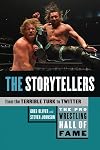
It is rare that you come across a book that is an introduction to a topic while providing good reading for someone knowledgeable in the subject. Pro-Wrestler Hall of Fame : The Storytellers does just that. Each chapter introduces an aspect of the weird world of pro-wrestling and then provides a trio of vignettes focusing on persons who embodies that aspect of wrestling. For myself the introductions were a nice reminder of the various strange workings of wrestling. Topics ranged from the show more beginnings the wrestling in the carnivals, promoters to jobbers and the origins of extreme wrestling. It was the stories attached to each topic that got my attention. Although I am verse in the world of wrestling, I found that stories provided me with new information and insights into a world that I thought I knew well. I highly recommend the book to any fan of wrestling or to someone who wants to get a more accurate picture of this form of entertainment. show less
 This review was written for LibraryThing Early Reviewers.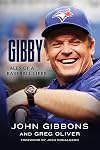
John “Gibby” Gibbons started his baseball career as a catcher. He only played 18 games. This did not stop him from being a great coach and manager. His relationship with his players and his intelligence lead to an impressive career.
John Gibbons has been an icon in professional baseball for years. So, I jumped at the chance to read this.
I enjoyed so much about this book! I have been a huge baseball fan my whole life. So, I just love reading about the quirks of the game. This book is full show more of famous names and the politics of the game. I laughed out loud in places and was surprised in others. Now, it is a bit choppy in the writing. But that could be because it is an arc and the kinks have not been worked out yet.
Need some good baseball stories…THIS IS IT! Grab your copy today!
I received this book from the publisher for a honest review. show less
John Gibbons has been an icon in professional baseball for years. So, I jumped at the chance to read this.
I enjoyed so much about this book! I have been a huge baseball fan my whole life. So, I just love reading about the quirks of the game. This book is full show more of famous names and the politics of the game. I laughed out loud in places and was surprised in others. Now, it is a bit choppy in the writing. But that could be because it is an arc and the kinks have not been worked out yet.
Need some good baseball stories…THIS IS IT! Grab your copy today!
I received this book from the publisher for a honest review. show less
Lists
You May Also Like
Associated Authors
Statistics
- Works
- 17
- Members
- 159
- Popularity
- #132,374
- Rating
- 3.9
- Reviews
- 10
- ISBNs
- 36
