
Barão de Teive
Author of The Education of the Stoic
Works by Barão de Teive
Tagged
Common Knowledge
There is no Common Knowledge data for this author yet. You can help.
Members
Reviews
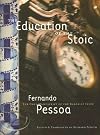
This short work is a collection of observations and reflections of life by the Baron of Tieve, the fictional "quasi-author" who contributed to Pessoa's famous novel The Book of Disquiet. The baron was a sensitive and tortured soul, who spent much of his life in solitude and ultimately committed suicide due to his immense unhappiness and inability to find love with a woman. Although this book has a high rating on LT I could not connect with it, as I found the baron's comments to be obtuse, show more morbid and banal. Your mileage may vary with this one. show less
I tried to read Disquiet, and failed, which doesn't happen too often. I partially blame Pessoa himself, or perhaps just me, since I have a really, really hard time getting into pessimistic writings that don't seem to be ironic, or funny, and have nothing solid to fall back on: Auschwitz, say, or Communism, or slavery. I partially blame his translator and acolyte, Richard Zenith, not just because I refuse to believe that a man exists whose parents gave him the name Dick Zenith, but also show more because I just don't like the way he writes, whether that be his editorial materials (which tend to the endless plot summary, quite a trick given that these works have no plot; and also towards the hagiographic, whether the hagio is Pessoa's works, and they can do no wrong), or his translations. Of course, I know jack Portugese, so maybe that's how Pessoa writes: over-wrought, under-thought.
A friend suggested I start with the Baron of Teive, instead, and I'm very glad I did. It helps that this text is short, I won't lie; it also helps that there's so much more self-reflection about the pessimism; and it helps that the pessimism leads somewhere, i.e., suicide. That's grim praise, but nonetheless.
The Education comprises fragments, of course, but Dick Zenith has put them in a good order: a little bit of literary criticism of previous pessimists (Chateaubriand, Roussea, Quental, Leopardi), some 'biography' of the Baron, some general reflections. But it's the overall structure that helped me enjoy this so much: the Baron is writing his "definition" (not, he stresses, confession), which will end with his suicide. Why is he killing himself? Well, for the usual modern reasons: anomie, enforced atheism, Hamlet syndrome.
If it was just that, I wouldn't have enjoyed this any more than the few bits I read of Disquiet. However, Stoic goes on step further, at least implicitly: the Baron kills himself, not because of those things, but because the doctrine on which he relied--i.e., pessimism--turns out to be as empty and shallow as any other doctrine. He returns again and again to the excellent point that the pessimists who don't have any social complaints to make are just being ridiculous: "I am shy with women: therefore there is no God" is a highly unconvincing metaphysics, as Pessoa wrote in a fragment on Leopardi. As the Baron writes, "There's something vile--and all the more vile because ridiculous--in the tendency of feeble men to make universal tragedies out of the sad comedies of their private woes."
The blurbs and afterwords ask us to think that this book is far more grim than Pessoa's other work, because it ends in suicide. That's inaccurate. It's pretty grim for the Baron, but for the rest of us, it's a fascinating piece of self-criticism, in which the dregs of romanticism and pessimism are shown up for the sillinesses that they are, and the suicide of an individual is shown to be entirely personal. Nobody kills themselves because of cosmic indifference, and to profess otherwise is vile. The implication, of course, is that life is worth living, most of the time. Not something the pessimist wants to hear. show less
A friend suggested I start with the Baron of Teive, instead, and I'm very glad I did. It helps that this text is short, I won't lie; it also helps that there's so much more self-reflection about the pessimism; and it helps that the pessimism leads somewhere, i.e., suicide. That's grim praise, but nonetheless.
The Education comprises fragments, of course, but Dick Zenith has put them in a good order: a little bit of literary criticism of previous pessimists (Chateaubriand, Roussea, Quental, Leopardi), some 'biography' of the Baron, some general reflections. But it's the overall structure that helped me enjoy this so much: the Baron is writing his "definition" (not, he stresses, confession), which will end with his suicide. Why is he killing himself? Well, for the usual modern reasons: anomie, enforced atheism, Hamlet syndrome.
If it was just that, I wouldn't have enjoyed this any more than the few bits I read of Disquiet. However, Stoic goes on step further, at least implicitly: the Baron kills himself, not because of those things, but because the doctrine on which he relied--i.e., pessimism--turns out to be as empty and shallow as any other doctrine. He returns again and again to the excellent point that the pessimists who don't have any social complaints to make are just being ridiculous: "I am shy with women: therefore there is no God" is a highly unconvincing metaphysics, as Pessoa wrote in a fragment on Leopardi. As the Baron writes, "There's something vile--and all the more vile because ridiculous--in the tendency of feeble men to make universal tragedies out of the sad comedies of their private woes."
The blurbs and afterwords ask us to think that this book is far more grim than Pessoa's other work, because it ends in suicide. That's inaccurate. It's pretty grim for the Baron, but for the rest of us, it's a fascinating piece of self-criticism, in which the dregs of romanticism and pessimism are shown up for the sillinesses that they are, and the suicide of an individual is shown to be entirely personal. Nobody kills themselves because of cosmic indifference, and to profess otherwise is vile. The implication, of course, is that life is worth living, most of the time. Not something the pessimist wants to hear. show less
Another heteronym, a disparate vantage, a discarded entrée. Pessoa was myriad, his entrances were random and multiple. The titular character here is a stub, a runt, an admixture of about two ideas with a dangling quote to afford it a macabre sheen. I devoted all of two minutes to see if there was a decent biography in English. I couldn't find one. Is that suitable preamble for suicide? As I age the weighty issues are not Death and Peace, nor Sex and the Sublime. Matters these days require show more more of a technical manual. The heterodoxy on display in this Pessoa is foreign but hardly enticing.
Ash finished Infinite Jest and I feel as if he and I are speaking into soup cans--though these remain unlinked and thus boringly autistic. Much as this text ponders the poets of pessimism, Pessoa and DFW didn't allow the Void to temper their prolix output.
Where to go from here? Casanova is admittedly appetizing at the moment. show less
Ash finished Infinite Jest and I feel as if he and I are speaking into soup cans--though these remain unlinked and thus boringly autistic. Much as this text ponders the poets of pessimism, Pessoa and DFW didn't allow the Void to temper their prolix output.
Where to go from here? Casanova is admittedly appetizing at the moment. show less

Ο ΑΛΒΑΡΟ ΚΟΕΛΙΟ ΝΤΕ ΑΤΑΪΝΤΕ, 14ος Βαρόνος ντε Τέιβε, είναι ένας ακόμη ετερώνυμος του Φερνάντο Πεσσόα. Ευπατρίδης, διανοούμενος "άκαμπτος και συγκρατημένος", αποτυχημένος εραστής και τελειομανής δημιουργός, πέρασε το μεγαλύτερο μέρος της φανταστικής ζωής του σε μια show more αγροικία στα περίχωρα της Λισαβόνας, αφιερώνοντας τον καιρό του στη σύνταξη σημειώσεων και αποσπασμάτων, καταλείποντας ένα "συνονθύλευμα πραγμάτων" ενός έργου που τελικά δεν είχε γράψει.
Έχοντας κατακτήσει "τη χρήση της λογικής στην πληρότητά της" ή έχοντας φτάσει "στον κορεσμό του τίποτα, στην πληρότητα του κανενός πράγματος", οδηγείται στην αυτοκτονία. Πριν από το μοιραίο διάβημα, ο Τέιβε καίει όλα του τα κείμενα εκτός από το έσχατο και μοναδικό χειρόγραφό του, ένα "πνευματικό υπόμνημα" της στωικής του παιδείας και μια απολογία για την απόφασή του να δώσει τέλος στη ζωή του. (Από την παρουσίαση στο οπισθόφυλλο του βιβλίου) show less
Έχοντας κατακτήσει "τη χρήση της λογικής στην πληρότητά της" ή έχοντας φτάσει "στον κορεσμό του τίποτα, στην πληρότητα του κανενός πράγματος", οδηγείται στην αυτοκτονία. Πριν από το μοιραίο διάβημα, ο Τέιβε καίει όλα του τα κείμενα εκτός από το έσχατο και μοναδικό χειρόγραφό του, ένα "πνευματικό υπόμνημα" της στωικής του παιδείας και μια απολογία για την απόφασή του να δώσει τέλος στη ζωή του. (Από την παρουσίαση στο οπισθόφυλλο του βιβλίου) show less
Lists
el (1)
You May Also Like
Associated Authors
Statistics
- Works
- 1
- Members
- 268
- Popularity
- #86,165
- Rating
- 3.9
- Reviews
- 5
- ISBNs
- 13
- Languages
- 8