
Thuận
Author of Chinatown
About the Author
Image credit: DOAN CAM THUAN le 9 juillet 2013 lors d'une entretien sur la littérature contemporaine vietnamienne
Works by Thuận
Vân Vy 2 copies
Paris 11 tháng 8 2 copies
Thang máy Sài Gòn 2 copies
Chaos and Harmony 1 copy
Made in Vietnam 1 copy
Tagged
Common Knowledge
- Legal name
- Doan, Anh Thuan
Đoàn, Câm̀ Thuan - Other names
- Thuận (Pseudonyme)
- Birthdate
- 1967
- Education
- Université de Paris VII (Littérature anglaise, 19 91)
Université de Moscou (19 86 | 19 91) - Occupations
- Romancière
Traductrice (Vietnamien, Français) - Relationships
- Vu, Tran Trong (Epoux)
Dan, Tran (Beau-père)
Đoàn, Câm̀ Thi (Soeur jumelle)
Poisson, Emmanuel (Beau-frère) - Nationality
- Vietnam (birth)
France (naturalization) - Birthplace
- Hanoï, Vietnam
- Places of residence
- Anthony, Hauts-de-Seine, Île-de-France, France
Paris, Île-de-France, France
Hanoï, Vietnam - Map Location
- Vietnam
France
Members
Reviews
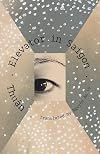
This slim novel begins with the death of the narrator's mother. She'd come to Saigon to see her son's new house, a fancy place that includes an elevator, one where she will fall down the elevator shaft in the middle of the night. The narrator travels back to Vietnam from Paris, where she works in a shop and teaches a class in Vietnamese on Monday evenings. The funeral awakens in her a need to investigate her mother's past, a search that will take her back to Paris, looking for an elusive man show more she believes to be her father.
The summary does a disservice to this book. It's a short book, but filled with different lives and countries and histories. There's the narrator's own life, the interpersonal relationships of her students, her mother's life as a faithful party member, and the lives of both the man she's searching for and assorted others, from a refugee from Vietnam who lives the shadow life of a person without connections or documents to the aging Parisienne living is squalor along with the feral cats she tricks into entering her apartment. It's an odd and fascinating journey, full of history and human nature. show less
The summary does a disservice to this book. It's a short book, but filled with different lives and countries and histories. There's the narrator's own life, the interpersonal relationships of her students, her mother's life as a faithful party member, and the lives of both the man she's searching for and assorted others, from a refugee from Vietnam who lives the shadow life of a person without connections or documents to the aging Parisienne living is squalor along with the feral cats she tricks into entering her apartment. It's an odd and fascinating journey, full of history and human nature. show less
I think, at its heart, this is a story about never really being able to know others, even those closest to us. Each has an inner world of thoughts or secrets that remain for the sole audience of oneself. And when someone passes, that knowledge is gone, forever unknown or, at most, guessed at by others. This theme is carried through in layered nuance from an individual level (personal actions, motivations, & relationships) to a societal level (having live in or perhaps perform under a show more restrictive government) to a world level (life as an emigre or expat). I enjoyed those parallels being layered into the story.
While the beginning & ending are bookends of literal & metaphorical hard landings, the bulk of the novel has a lot of unknowns, including flights of fantasy & unreliable narrators. The semi-episodic nature of the chapters adds to the disorientation, imo.
It's both clever & also just out of reach. An interesting read. show less
While the beginning & ending are bookends of literal & metaphorical hard landings, the bulk of the novel has a lot of unknowns, including flights of fantasy & unreliable narrators. The semi-episodic nature of the chapters adds to the disorientation, imo.
It's both clever & also just out of reach. An interesting read. show less

Thêm 1 số 4 nữa. Trọn vẹn.
Lúc đầu mình nghĩ có lẽ mình sẽ không thích quyển này. Nhưng hóa ra Thuận vẫn duyên như vậy, và mình đọc văn của Thuận vẫn chưa thấy chán :D Vẫn là cách viết ấy, những nhân vật ấy, những kẻ tha hương mang theo trong mình quá khứ có Việt Nam, Hà Nội, Sài Gòn xưa cũ, những ngày tháng lộn xộn chất chồng lên nhau.
Đi đến cuối cùng câu chuyện mới hiểu nàng show more chỉ mãi là một câu đố, một dấu chấm hỏi đã biến mất giữa màu xanh của biển. Ta chỉ biết nàng qua trí nhớ, tưởng tượng của những người khác. Ta biết khởi sự và kết thúc, nhưng giữa 2 thời điểm ấy ta chẳng biết gì. Giống như nhân vật nam chính, ta thấy mình lạc lối giữa một thành phố cảng, lạc giữa mê cung những số 4 để đi tìm một hình bóng hư ảo; giống như nhân vật nam chính, ta ôm vào mình nỗi đau của 2 người con gái ta yêu, đều nhạy cảm với một ngày tháng 4 định mệnh, đều ám ảnh với đất nước mà ta đã rời bỏ từ lâu. Để đi tìm họ, ta phải đi tìm trong quá khứ, họ không sống ở hiện tại, không ở bất cứ nơi đâu ta biết, Paris hay Sài Gòn, họ đã biến mất vào quá khứ, biến mất cùng với quá khứ, những Atlantis đã chìm xuống đáy đại dương. Chỉ còn những tàn tích, chỉ thấy một bộ phim không như ta nghĩ, chiếu lên không phải để cho ta xem, những nơi những người khác xa những gì ta tưởng tượng. Vì yêu họ nên ta đi tìm lại quá khứ, nên số 4 ấy cũng làm ta đau, như Murakami viết trong Cuộc săn cừu hoang, "Sheep hurt my father, and through my father, sheep have also hurt me." show less
Lúc đầu mình nghĩ có lẽ mình sẽ không thích quyển này. Nhưng hóa ra Thuận vẫn duyên như vậy, và mình đọc văn của Thuận vẫn chưa thấy chán :D Vẫn là cách viết ấy, những nhân vật ấy, những kẻ tha hương mang theo trong mình quá khứ có Việt Nam, Hà Nội, Sài Gòn xưa cũ, những ngày tháng lộn xộn chất chồng lên nhau.
Đi đến cuối cùng câu chuyện mới hiểu nàng show more chỉ mãi là một câu đố, một dấu chấm hỏi đã biến mất giữa màu xanh của biển. Ta chỉ biết nàng qua trí nhớ, tưởng tượng của những người khác. Ta biết khởi sự và kết thúc, nhưng giữa 2 thời điểm ấy ta chẳng biết gì. Giống như nhân vật nam chính, ta thấy mình lạc lối giữa một thành phố cảng, lạc giữa mê cung những số 4 để đi tìm một hình bóng hư ảo; giống như nhân vật nam chính, ta ôm vào mình nỗi đau của 2 người con gái ta yêu, đều nhạy cảm với một ngày tháng 4 định mệnh, đều ám ảnh với đất nước mà ta đã rời bỏ từ lâu. Để đi tìm họ, ta phải đi tìm trong quá khứ, họ không sống ở hiện tại, không ở bất cứ nơi đâu ta biết, Paris hay Sài Gòn, họ đã biến mất vào quá khứ, biến mất cùng với quá khứ, những Atlantis đã chìm xuống đáy đại dương. Chỉ còn những tàn tích, chỉ thấy một bộ phim không như ta nghĩ, chiếu lên không phải để cho ta xem, những nơi những người khác xa những gì ta tưởng tượng. Vì yêu họ nên ta đi tìm lại quá khứ, nên số 4 ấy cũng làm ta đau, như Murakami viết trong Cuộc săn cừu hoang, "Sheep hurt my father, and through my father, sheep have also hurt me." show less
"My mother died on a night of torrential rain. A night of unseasonal rain. In such a freak accident that our language probably had no word to name."
So begins the story. How did she die? A freak accident, falling down the elevator shaft? Murder? Suicide?
The narrative is in first person; we never really get the first name of the narrator, and only her last name near the end of the novel. We get first names for her son (Mike) and brother (Mai). The story moves between Saigon, Hanoi, and Paris, show more between past and present. Details of the narrator's life and of her parents' lives are revealed slowly, bit by bit. Much remains hidden; the family is dominated by secrets, unknown to each other, unknown to us. And throughout, the narrator pursues the elusive Paul Polotsky. Who is he? Why does she want to find him? Are we reading Moby-Dick? Is Paul Polotsky the Great White Whale? If you want to know, you will have to read it.
The mother's funeral is garish and bizarre, like something Evelyn Waugh might have written if he had set The Loved One in Asia.
There are lots of interesting bits about life in Hanoi under the communist regime, life in Saigon in its contemporary capitalist phase. About the life of the Vietnamese diaspora in Paris. For those like me, whose knowledge of Vietnam consists of half-remembered news stories of Khe Sahn and the fall of Saigon, with my draft card riding uncomfortably in my pocket, it is a different perspective.
Food plays an important role. From the funeral buffet near the beginning to the narrator's language students' obsession with Vietnamese food to the narrator's many noshes throughout. Always Vietnamese food. The obsession of the expatriate with her native foods, even in Paris, capital of haute cuisine. Nothing says home like our childhood foods! show less
So begins the story. How did she die? A freak accident, falling down the elevator shaft? Murder? Suicide?
The narrative is in first person; we never really get the first name of the narrator, and only her last name near the end of the novel. We get first names for her son (Mike) and brother (Mai). The story moves between Saigon, Hanoi, and Paris, show more between past and present. Details of the narrator's life and of her parents' lives are revealed slowly, bit by bit. Much remains hidden; the family is dominated by secrets, unknown to each other, unknown to us. And throughout, the narrator pursues the elusive Paul Polotsky. Who is he? Why does she want to find him? Are we reading Moby-Dick? Is Paul Polotsky the Great White Whale? If you want to know, you will have to read it.
The mother's funeral is garish and bizarre, like something Evelyn Waugh might have written if he had set The Loved One in Asia.
There are lots of interesting bits about life in Hanoi under the communist regime, life in Saigon in its contemporary capitalist phase. About the life of the Vietnamese diaspora in Paris. For those like me, whose knowledge of Vietnam consists of half-remembered news stories of Khe Sahn and the fall of Saigon, with my draft card riding uncomfortably in my pocket, it is a different perspective.
Food plays an important role. From the funeral buffet near the beginning to the narrator's language students' obsession with Vietnamese food to the narrator's many noshes throughout. Always Vietnamese food. The obsession of the expatriate with her native foods, even in Paris, capital of haute cuisine. Nothing says home like our childhood foods! show less
Lists
Awards


You May Also Like
Associated Authors
Statistics
- Works
- 13
- Members
- 146
- Popularity
- #141,735
- Rating
- 3.7
- Reviews
- 9
- ISBNs
- 15
- Languages
- 3


