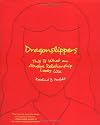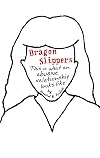
Dragonslippers : this is what an abusive relationship looks like
by Rosalind B. Penfold
On This Page
Description
"In this deft, honest work, writer-illustrator Penfold documents how she traveled from successful businesswoman to abused wife and back again." --Publishers Weekly Rosalind B. Penfold is an appealing, successful thirty-five-year-old businesswoman running her own company when her parents, worried that she works too hard, invite her to a country picnic-party one weekend. There she meets widower Brian and is swept off her feet. Romantic and exuberant, with four loving children, Brian seems show more like everything a woman could possibly want, and Roz falls deeply in love. But soon Roz begins to notice troubling signs that Brian is not what he seems. A pattern of lies and petty cruelties begins to emerge that, over the course of their decade together, comes to encompass a litany of physical, mental, and sexual abuse appalling in its scope and malevolence. Often too traumatized and ashamed to admit the true extent of what she is experiencing, Roz instead pours her anguish into a series of graphic diaries that provide a touching, profoundly shocking, and completely original portrait of domestic abuse. An extraordinary visual testimony, Dragonslippers presents the many warning signs of abuse and offers a frank examination of the psychology of both abusers and victims. Above all, this is the story of a woman who fights for and finds the strength to break free. show lessTags
Recommendations








Member Reviews
Rosalind B. Penfold es una mujer fuerte, independiente, con una carrera profesional exitosa y un entorno estable. Un día Rosalind conoce en una fiesta a Brian , viudo con cuatro hijos, e inicia de inmediato una relación romántica y apasionada con él . De manera lenta y progresiva el idilio inicial se torna en una historia de celos y maltrato que la atrapa y deja aislada de su familia y amigos. Rosalind B. Penfold es el pseudónimo utilizado por una mujer canadiense que sufrió durante 10 años una relación tóxica y “Quiéreme bien” es su relato, publicado por Lumen en el año 2006 y reeditado ahora por Astiberri.
Lo primero que hay que dejar claro sobre esta obra es que, sin dudarlo, hay que leerla. Por el tema que trata, por show more desgracia de una terrible vigencia, y por cómo lo trata, con sinceridad, sencillez y desde el testimonio en primera persona. La descripción de las fases del maltrato (la perplejidad inicial , la negación, el sentimiento de culpa de la víctima, la destrucción de sus redes de apoyo y su autoestima…), la ruptura de estereotipos (nadie, tenga la condición social o personal que tenga, está a salvo de caer en una relación nociva) y el mensaje de alerta contra la peligrosa idea de amor romántico que nos vende la sociedad por activa y por pasiva convierten esta obra en una excelente candidata a posibles lecturas recomendadas para trabajar con alumnos de bachillerato o incluso víctimas de maltrato físico y/o psicológico.
Lo segundo que salta a la vista es que la parte gráfica de este libro no es su mejor carta de presentación. Sin tener referencias previas, es fácil que alguien ojee la obra y la descarte desanimado por el dibujo. Hay que traspasar ese rechazo inicial. La autora se descubre como una dibujante mediocre, pero una muy buena narradora. Durante su tortuosa relación, Rosalind B. Penfold encontró cierto alivio dibujando hechos y sentimientos en unas hojas de papel para intentar comprender lo que le estaba pasando. Éstas acabaron olvidadas dentro de una caja de cartón. Años después, tras su proceso de terapia, se reencontró con este material y decidió publicarlo, añadiendo algunas escenas que completan el relato. El resultado es un diario personal sincero, muy directo, con un dibujo naif que llega al lector despojado de licencias literarias y artificios.
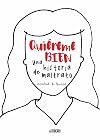
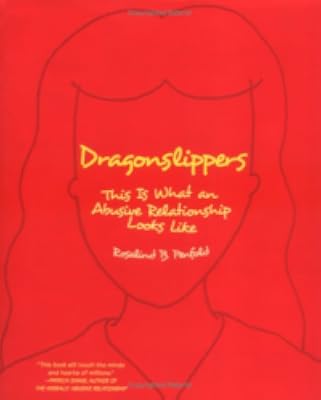
Lo tercero que hay que advertir de “Quiéreme bien” es que es una obra que toca. Su lectura puede ser en algunos momentos incómoda, dolorosa, pero básicamente provoca mala leche. Primero contra el personaje de Brian, maltratador de manual, un personaje abyecto que manipula, controla y abusa y al que cuesta otorgar cualquier tipo de justificación o disculpa. En segundo lugar contra la propia autora, mujer perfectamente capacitada a ojos de la sociedad a la que vemos caer, perplejos, en una relación destructiva a pesar de las evidentes (para el lector) señales de alarma. Y finalmente, mala leche contra uno mismo, por caer, ni que sea por un breve instante, en el “victim blaming” (culpar a la víctima) y perpetuar la idea errónea de que una mujer fuerte y con recursos económicos no caerá nunca en una relación de maltrato. Y este es el mayor logro de esta obra: romper ideas preconcebidas y desarmar estructuras mentales erróneas. La portada nos presenta a una mujer sin rostro , una mujer que podría ser cualquier mujer. Y es que nadie está a salvo de caer en una relación dañina.
Lo dicho. Lean este libro. Y después recomiéndenlo.
https://13millonesdenaves.com/quiereme-bien-una-historia-de-maltrato/ show less
Lo primero que hay que dejar claro sobre esta obra es que, sin dudarlo, hay que leerla. Por el tema que trata, por show more desgracia de una terrible vigencia, y por cómo lo trata, con sinceridad, sencillez y desde el testimonio en primera persona. La descripción de las fases del maltrato (la perplejidad inicial , la negación, el sentimiento de culpa de la víctima, la destrucción de sus redes de apoyo y su autoestima…), la ruptura de estereotipos (nadie, tenga la condición social o personal que tenga, está a salvo de caer en una relación nociva) y el mensaje de alerta contra la peligrosa idea de amor romántico que nos vende la sociedad por activa y por pasiva convierten esta obra en una excelente candidata a posibles lecturas recomendadas para trabajar con alumnos de bachillerato o incluso víctimas de maltrato físico y/o psicológico.
Lo segundo que salta a la vista es que la parte gráfica de este libro no es su mejor carta de presentación. Sin tener referencias previas, es fácil que alguien ojee la obra y la descarte desanimado por el dibujo. Hay que traspasar ese rechazo inicial. La autora se descubre como una dibujante mediocre, pero una muy buena narradora. Durante su tortuosa relación, Rosalind B. Penfold encontró cierto alivio dibujando hechos y sentimientos en unas hojas de papel para intentar comprender lo que le estaba pasando. Éstas acabaron olvidadas dentro de una caja de cartón. Años después, tras su proceso de terapia, se reencontró con este material y decidió publicarlo, añadiendo algunas escenas que completan el relato. El resultado es un diario personal sincero, muy directo, con un dibujo naif que llega al lector despojado de licencias literarias y artificios.
Lo tercero que hay que advertir de “Quiéreme bien” es que es una obra que toca. Su lectura puede ser en algunos momentos incómoda, dolorosa, pero básicamente provoca mala leche. Primero contra el personaje de Brian, maltratador de manual, un personaje abyecto que manipula, controla y abusa y al que cuesta otorgar cualquier tipo de justificación o disculpa. En segundo lugar contra la propia autora, mujer perfectamente capacitada a ojos de la sociedad a la que vemos caer, perplejos, en una relación destructiva a pesar de las evidentes (para el lector) señales de alarma. Y finalmente, mala leche contra uno mismo, por caer, ni que sea por un breve instante, en el “victim blaming” (culpar a la víctima) y perpetuar la idea errónea de que una mujer fuerte y con recursos económicos no caerá nunca en una relación de maltrato. Y este es el mayor logro de esta obra: romper ideas preconcebidas y desarmar estructuras mentales erróneas. La portada nos presenta a una mujer sin rostro , una mujer que podría ser cualquier mujer. Y es que nadie está a salvo de caer en una relación dañina.
Lo dicho. Lean este libro. Y después recomiéndenlo.
https://13millonesdenaves.com/quiereme-bien-una-historia-de-maltrato/ show less
Reading this books made my stomach turn that is how well this graphic novel is written. I read this novel in a a few hours which says something about how compelling the story is. The author uses a pseudonym not only for her her own privacy but also to illustrate that fact that "Rosalind B. Penfold" can be any person who goes through and survives domestic abuse.
This autobiography tells, through a pictorial diary, the story of a successful woman who was in an abusive relationship. It offers caution against ignoring the warning signs of abuse and offers inspiration for women who want to break free from abusive relationships. The animation and cartoon style conveys a message that sometimes cannot be captured in words. This is particularly useful when illustrating the devastating impact of emotional and verbal abuse, which is not easily articulated. It provides a view of the whole family and the impact experienced by each member as an incident is occurring. The book effectively demonstrates warning signs of control and power that may occur in the beginning of an abusive relationship. The reader show more also gains an important and rare insight by witnessing abuse through a child's eyes. show less
Ratings
Members
- Recently Added By
Lists

Graphic Memoirs by Women
175 works; 6 members
Author Information
4 Works 128 Members
Awards and Honors
Common Knowledge
- Canonical title
- Dragonslippers : this is what an abusive relationship looks like
- People/Characters
- Rosalind B. Penfold; Brian; Megan; Lizzie; Tom; Popcorn (show all 9); Lottie; Kyrie; Sage
- First words
- Here -- would you mind holding this?
- Last words
- (Click to show. Warning: May contain spoilers.)Uh-huh... I heard the same things about you...
Classifications
- Genre
- Graphic Novels & Comics
- DDC/MDS
- 616.85822 — Applied science & technology Medicine & health Diseases, Allergies, Skin Conditions Nervous Disorders: Autism, Anorexia, OCD Miscellaneous Personality, sexual, gender-identity, impulse-control, factitious, developmental, learning disorders; violent behavior; mental retardation Antisocial personality disorders, family violence and abuse Family violence and abuse
- LCC
- HV6626.2 .P46 — Social sciences Social pathology. Social and public welfare. Criminology Social pathology. Social and public welfare. Criminology Crimes and offenses
- BISAC
Statistics
- Members
- 121
- Popularity
- 270,095
- Reviews
- 3
- Rating
- (3.58)
- Languages
- Dutch, English, Spanish
- Media
- Paper, Ebook
- ISBNs
- 8
- ASINs
- 2