On This Page
Description
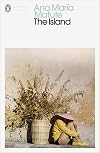
'This is an old and wicked island. An island of Phoenicians and merchants, of bloodsuckers and frauds' Expelled from her convent school for kicking the prioress, and abandoned by her father when her mother dies, rebellious teenager Matia is sent to live with her domineering grandmother on the island of Mallorca. In the hot, oppressive stillness of an adolescent summer, she learns to scheme with her cousin Borja, and finds herself increasingly drawn to the strange outsider Manuel. But civil show more war has come to Spain, and it will teach Matia about the adult world in ways she could not foresee. This powerful, lyrical coming-of-age novel depicts Mallorca as an enchanted island, a lost Eden and a Never Land combined, where ancient hatreds and present-day passions collide. show lessTags
Recommendations
















Member Recommendations


smellbeforerain Si te interesa la historia de la Guerra Civil, es otra novela genial para mostrar las injusticias durante el Franquismo.
Member Reviews
Ana María Matute is one of Spain's best known writers, and has won the Premio Nadal as well as the Cervantes Prize, two of Spain's highest literary honours. I had not read any of her works, and thought it was about time. The Island is a short, bitter novel, part of a semi-autobiographical trilogy of books first published in the 1950s-70s. The original title in Spanish is Primera memoria and it was initially published in English translation as Awakening. In an introductory essay, Laura Lonsdale speaks of the derogatory terms in which the persons in the book referred to Jewish people, but I noticed as I read that they also use a slur for one of the (Spanish) characters ('Chink'- translated apparently from El Chino in Spanish). I found it show more odd - and I've seen other reviews as well note this as well - that she didn't acknowledge the use of this slur, and the way it was translated, as she did the others, which received a great deal of attention.
In The Island, Matia, a rebellious teenage girl, is sent to live on a small island in Mallorca with her grandmother. A proud, unyielding, strict woman, Matia's grandmother rules over not only their large, crumbling mansion, but also the island in general. Matia's uncle is away fighting in the Spanish Civil War; the war, in turn, although distant, looms large over their lives on the remote island. Also present on the island is Matia's aunt, a distracted, soft-hearted woman prone to drink, whom Matia holds in contempt because she is overweight, and Matia's cousin Borja, a manipulative, nasty, ill-tempered boy. Their housekeeper, Antonia, bears the brunt of Matia's rage at her situation, while Borja directs his ire at their tutor, Antonia's son Lauro, who is the aforementioned 'El Chino', a term of contempt. Borja and Matia run wild over the island, exploring beaches, quarreling with each other, engaging in little spiteful exchanges, and thoroughly ignoring their tutor. Borja in front of his grandmother is obsequious and deferential, and consequently, her favourite - Matia, who is polite to no one, is the subject of much disgrace, more so because her own father joined the side of the republicans, while her grandmother, uncle and all the rest support the nationalists. Over the course of the novel, Matia befriends Manuel, the oldest son of the island's only Jewish family. As Manuel's family are increasingly subject to ritualistic humiliation and torments (his mother's head is publicly shaved, their dog killed and thrown into their well, poisoning their water), Manuel's father is killed. Matia must keep her friendship with him a secret; although Borja has found out, and Borja, who has never done anything except for his own benefit, will undoubtedly use this knowledge for his own use.
Matute combines the incredibly difficult and dense subject matter of this novel with a narrative style that is almost feverish: told through Matia's eyes, events pass almost like fleeting images, leaving impressions on her, her huge adolescent emotions and rages colouring them. Amidst the great overarching horror of war and anti-semitism, Matute also weaves in innumerable smaller horrors: The tutor, Lauro, is heavily implied to have attempted to behave improperly with Borja, and Borja in turn, is using this information to blackmail Lauro into letting him do whatever he wants. Borja continually uses Matia's friendship with Manuel to accuse her of promiscuity, an accusation he doubles with any male she comes in contact with. Every aspect of this novel is utterly joyless: even moments of pleasure and happiness are quickly revealed as tainted, or attached to a price too big to bear. Although Matia's internal pain and to some extent, Borja's, are in the foreground, Matute demonstrates that all around the two self-involved teenagers, tragedies are unfolding at a scale they cannot imagine, involving people that they neither notice, nor care about.
I walked away with a feeling of great disgust and disquiet, which is to the credit of the author, who clearly intended to provoke this reaction and did so, with excellence. It is a very skillful novel, but not one that I would ever read again. show less
In The Island, Matia, a rebellious teenage girl, is sent to live on a small island in Mallorca with her grandmother. A proud, unyielding, strict woman, Matia's grandmother rules over not only their large, crumbling mansion, but also the island in general. Matia's uncle is away fighting in the Spanish Civil War; the war, in turn, although distant, looms large over their lives on the remote island. Also present on the island is Matia's aunt, a distracted, soft-hearted woman prone to drink, whom Matia holds in contempt because she is overweight, and Matia's cousin Borja, a manipulative, nasty, ill-tempered boy. Their housekeeper, Antonia, bears the brunt of Matia's rage at her situation, while Borja directs his ire at their tutor, Antonia's son Lauro, who is the aforementioned 'El Chino', a term of contempt. Borja and Matia run wild over the island, exploring beaches, quarreling with each other, engaging in little spiteful exchanges, and thoroughly ignoring their tutor. Borja in front of his grandmother is obsequious and deferential, and consequently, her favourite - Matia, who is polite to no one, is the subject of much disgrace, more so because her own father joined the side of the republicans, while her grandmother, uncle and all the rest support the nationalists. Over the course of the novel, Matia befriends Manuel, the oldest son of the island's only Jewish family. As Manuel's family are increasingly subject to ritualistic humiliation and torments (his mother's head is publicly shaved, their dog killed and thrown into their well, poisoning their water), Manuel's father is killed. Matia must keep her friendship with him a secret; although Borja has found out, and Borja, who has never done anything except for his own benefit, will undoubtedly use this knowledge for his own use.
Matute combines the incredibly difficult and dense subject matter of this novel with a narrative style that is almost feverish: told through Matia's eyes, events pass almost like fleeting images, leaving impressions on her, her huge adolescent emotions and rages colouring them. Amidst the great overarching horror of war and anti-semitism, Matute also weaves in innumerable smaller horrors: The tutor, Lauro, is heavily implied to have attempted to behave improperly with Borja, and Borja in turn, is using this information to blackmail Lauro into letting him do whatever he wants. Borja continually uses Matia's friendship with Manuel to accuse her of promiscuity, an accusation he doubles with any male she comes in contact with. Every aspect of this novel is utterly joyless: even moments of pleasure and happiness are quickly revealed as tainted, or attached to a price too big to bear. Although Matia's internal pain and to some extent, Borja's, are in the foreground, Matute demonstrates that all around the two self-involved teenagers, tragedies are unfolding at a scale they cannot imagine, involving people that they neither notice, nor care about.
I walked away with a feeling of great disgust and disquiet, which is to the credit of the author, who clearly intended to provoke this reaction and did so, with excellence. It is a very skillful novel, but not one that I would ever read again. show less
Matia, Borja y Manuel no quieren dejar de ser niños. Son adolescentes al borde del abismo de la edad adulta, con miedo a asomarse pero conscientes de que no tienen alternativa, de que no les queda más remedio que hacerlo. Se les acabó el tiempo. Y el poco que les quedaba lo consume una guerra que acaba de estallar y que se alarga, en la lejanía, y lo ensombrece todo.
«Quien no haya sido, desde los nueve a los catorce años, atraído y llevado de un lugar a otro, de unas a otras manos, como un objeto, no podrá entender mi desamor y rebeldía de aquel tiempo», dice una Matia adulta, recordando a la Matia de entonces, una niña de rodillas peladas, llena de rabia, desterrada por el abandono paterno en una isla cuyo nombre jamás se show more pronuncia. En aquel largo verano del treinta y seis, y bajo la mirada vigilante de su abuela, ella y su primo Borja, un muchacho de quince años taimado y carismático, desgranan una rutina estival hecha de perezosas lecciones de latín, cigarrillos fumados a escondidas y escapadas en barca a las calas recónditas de la isla. Sus pequeños secretos y maldades, el atisbo de la complejidad del mundo de los mayores tienen en Manuel, el hijo mayor de una familia marginada por todos hacia el que Matia siente un apego que no consigue definir, una caja de resonancia que hace pedazos la frágil alianza de conveniencia de los dos primos. show less
«Quien no haya sido, desde los nueve a los catorce años, atraído y llevado de un lugar a otro, de unas a otras manos, como un objeto, no podrá entender mi desamor y rebeldía de aquel tiempo», dice una Matia adulta, recordando a la Matia de entonces, una niña de rodillas peladas, llena de rabia, desterrada por el abandono paterno en una isla cuyo nombre jamás se show more pronuncia. En aquel largo verano del treinta y seis, y bajo la mirada vigilante de su abuela, ella y su primo Borja, un muchacho de quince años taimado y carismático, desgranan una rutina estival hecha de perezosas lecciones de latín, cigarrillos fumados a escondidas y escapadas en barca a las calas recónditas de la isla. Sus pequeños secretos y maldades, el atisbo de la complejidad del mundo de los mayores tienen en Manuel, el hijo mayor de una familia marginada por todos hacia el que Matia siente un apego que no consigue definir, una caja de resonancia que hace pedazos la frágil alianza de conveniencia de los dos primos. show less
Matute is an acclaimed writer in Spain, her work heavily influenced by her own childhood experience of the Spanish Civil War. The Island is the first in a semi-autobiographical trilogy of books, but the only one translated into English (in fact it's the only one of her works translated as far as I can see on Amazon).
Set during the Spanish Civil war, 14 year old Matia has been sent to live with her matriarchal grandmother on the island of Mallorca after being expelled from her convent school. Also living there are her slightly older male cousin Borja and his mother, and a housekeeper and her young son, who is tasked with schooling the two children until they return to school. It's a coming of age story, but a bleak one at that. With a show more dead mother and a father who has abandoned her, Matia is looked after by her aunt and grandmother but feels little that resembles love. The adults in the novel are all unlikeable, full of prejudice and holding onto societal divisions, and Matia's coming of age story is essentially one of discovering that it's a cruel, unfair world out there. Whilst the island itself isn't directly impacted by the Spanish Civil War, many of its male inhabitants are away fighting, and the class and religious struggles which were some of the many facets of that war pervade the bleak sentiments of this novel. In this loveless atmosphere which seems to envelop much of the town, unsurprisingly the children too are often cruel and unruly.
At one point I almost abandoned this novel, but in the end I was glad I stuck with it. It's not a bad book by any means; it's just relentlessly bleak, and as a novel that's not plot focused its pessimism and unlikeable characters - young and old - sucked the life out of me at times.
3 stars - Despite myself, I'm finding myself thinking about this book and its uneasy atmosphere but I wouldn't go out of my way to recommend it. show less
Set during the Spanish Civil war, 14 year old Matia has been sent to live with her matriarchal grandmother on the island of Mallorca after being expelled from her convent school. Also living there are her slightly older male cousin Borja and his mother, and a housekeeper and her young son, who is tasked with schooling the two children until they return to school. It's a coming of age story, but a bleak one at that. With a show more dead mother and a father who has abandoned her, Matia is looked after by her aunt and grandmother but feels little that resembles love. The adults in the novel are all unlikeable, full of prejudice and holding onto societal divisions, and Matia's coming of age story is essentially one of discovering that it's a cruel, unfair world out there. Whilst the island itself isn't directly impacted by the Spanish Civil War, many of its male inhabitants are away fighting, and the class and religious struggles which were some of the many facets of that war pervade the bleak sentiments of this novel. In this loveless atmosphere which seems to envelop much of the town, unsurprisingly the children too are often cruel and unruly.
At one point I almost abandoned this novel, but in the end I was glad I stuck with it. It's not a bad book by any means; it's just relentlessly bleak, and as a novel that's not plot focused its pessimism and unlikeable characters - young and old - sucked the life out of me at times.
3 stars - Despite myself, I'm finding myself thinking about this book and its uneasy atmosphere but I wouldn't go out of my way to recommend it. show less
"The Island" concerns childhood, broken by war, betrayal, and jealousy. It is a powerful short novel that offers little by way of resolution, leaving the reader with almost as many questions at the end as were seen at the start; but the time you spend with these strange, strong characters is most certainly worthwhile.
Así, nos encontramos con una novela imprescindible. Una obra maestra con identidad propia, un estilo narrativo del que nos queda mucho que aprender y disfrutar. Podemos gozar de personajes bien construidos, con auténtica profundidad. Ana María Matute conocía las letras, las quería, las cuidaba y las hacía crecer. Merecen ser leídas y amadas por nosotros.
https://alibreria.wordpress.com/2016/10/28/critica-a-primera-memoria-de-ana-mari...
https://alibreria.wordpress.com/2016/10/28/critica-a-primera-memoria-de-ana-mari...
Libros de Matias y Carmen. Ed. Orbis - Historia de la Literatura española. Vol. 23
Los protagonistas de Primera memoria —Matia, Borja y Manuel— no quieren dejar de ser niños. Son adolescentes al borde del abismo de la edad adulta, con miedo a asomarse pero conscientes de que no tienen alternativa, de que no les queda más remedio que hacerlo. Se les acabó el tiempo. Y el poco que les quedaba lo consume una guerra que acaba de estallar y que se alarga, en la lejanía, y lo ensombrece todo.
«Quien no haya sido, desde los nueve a los catorce años, atraído y llevado de un lugar a otro, de unas a otras manos, como un objeto, no podrá entender mi desamor y rebeldía de aquel tiempo», dice una Matia adulta, recordando a la Matia de entonces, una niña de rodillas peladas, llena de rabia, desterrada por el abandono show more paterno en una isla cuyo nombre jamás se pronuncia. En aquel largo verano del treinta y seis, y bajo la mirada vigilante de su abuela, ella y su primo Borja, un muchacho de quince años taimado y carismático, desgranan una rutina estival hecha de perezosas lecciones de latín, cigarrillos fumados a escondidas y escapadas en barca a las calas recónditas de la isla. Sus pequeños secretos y maldades, el atisbo de la complejidad del mundo de los mayores tienen en Manuel, el hijo mayor de una familia marginada por todos hacia el que Matia siente un apego que no consigue definir, una caja de resonancia que hace pedazos la frágil alianza de conveniencia de los dos primos.
Sobre Primera memoria planea el desasosiego de la adolescencia, una asfixia que Ana María Matute (Barcelona, 1925) ha hecho protagonista de muchas de sus obras. La lucha terrible de esa etapa entre el final de la infancia y la edad adulta ha centrado títulos capitales de su producción, como Los Abel (mención especial del jurado del Premio Nadal de Novela en 1947), Luciérnagas (1949), Algunos muchachos (1964) y Paraíso inhabitado (2008), aunque acaso en ninguna obra como en esta, merecedora del Premio Nadal de Novela en 1959, consigue que esa lucha se convierta en una perfecta y melancólica elegía de la perversión de la inocencia. show less
«Quien no haya sido, desde los nueve a los catorce años, atraído y llevado de un lugar a otro, de unas a otras manos, como un objeto, no podrá entender mi desamor y rebeldía de aquel tiempo», dice una Matia adulta, recordando a la Matia de entonces, una niña de rodillas peladas, llena de rabia, desterrada por el abandono show more paterno en una isla cuyo nombre jamás se pronuncia. En aquel largo verano del treinta y seis, y bajo la mirada vigilante de su abuela, ella y su primo Borja, un muchacho de quince años taimado y carismático, desgranan una rutina estival hecha de perezosas lecciones de latín, cigarrillos fumados a escondidas y escapadas en barca a las calas recónditas de la isla. Sus pequeños secretos y maldades, el atisbo de la complejidad del mundo de los mayores tienen en Manuel, el hijo mayor de una familia marginada por todos hacia el que Matia siente un apego que no consigue definir, una caja de resonancia que hace pedazos la frágil alianza de conveniencia de los dos primos.
Sobre Primera memoria planea el desasosiego de la adolescencia, una asfixia que Ana María Matute (Barcelona, 1925) ha hecho protagonista de muchas de sus obras. La lucha terrible de esa etapa entre el final de la infancia y la edad adulta ha centrado títulos capitales de su producción, como Los Abel (mención especial del jurado del Premio Nadal de Novela en 1947), Luciérnagas (1949), Algunos muchachos (1964) y Paraíso inhabitado (2008), aunque acaso en ninguna obra como en esta, merecedora del Premio Nadal de Novela en 1959, consigue que esa lucha se convierta en una perfecta y melancólica elegía de la perversión de la inocencia. show less
Aug 12, 2025Spanish
Members
- Recently Added By
Lists

Las cien mejores novelas del siglo XX en lengua española
117 works; 1 member

Reading LIst
648 works; 1 member
Author Information

79+ Works 2,274 Members
Ana Maria Matute was born on July 26, 1925. She studied at the international school of Hilversum in the Netherlands. She was regarded as one of Spain's greatest post-Civil War writers. Her works include Los Abel (The Abels), Los Soldados Lloran de Noche (Soldiers Cry By Night), La Trampa (The Trap), and Family Demons. She also wrote books for show more children and young adults including Los Ninos Tontos (The Stupid Children) and El Verdadero Final de La Bella Durmiente (The True Story of Sleeping Beauty). She received numerous awards including Spain's National Literature Award for Children's and Young People's Literature in 1984, Spain's National Literature Award in 2007, and the Cervantes Prize in 2010. She died of a heart attack on June 25, 2014 at the age of 88. (Bowker Author Biography) show less
Some Editions
Awards and Honors
Awards
Series

Belongs to Publisher Series
Common Knowledge
- Canonical title
- The Island
- Original title
- Primera memoria
- Alternate titles
- Escuela Del Sol; School of the Sun
- Original publication date
- 1959
- People/Characters
- Matia; Borja; Lauro
- Important events
- Spanish Civil War (1936 | 1939)
- Epigraph
- The Lord hath not sent thee; but thou makest these people to trust in a lie.
Jeremiah 28, 15 - First words
- My grandmother's white hair was set in a bristling wave on her forehead.
- Original language
- Spanish
Classifications
Statistics
- Members
- 321
- Popularity
- 99,477
- Reviews
- 11
- Rating
- (4.04)
- Languages
- English, French, Latin, Spanish
- Media
- Paper, Ebook
- ISBNs
- 31
- ASINs
- 11