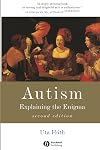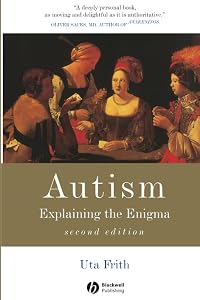
Autism: Explaining the Enigma
by Uta Frith
On This Page
Description
What causes autism? Is it a genetic disorder, or due to some unknown environmental hazard? Are we facing an autism epidemic? What are the main symptoms, and how does it relate to Asperger syndrome? Everyone has heard of autism, but the disorder itself is little understood. It has captured the public imagination through films and novels portraying individuals with baffling combinations of disability and extraordinary talent, and yet the reality is that it often places a heavy burden on show more sufferers and their families. This Very Short Introduction offers a clear statement on what is currently known about autism and Asperger syndrome. Explaining the vast array of different conditions that hide behind these two labels, and looking at symptoms from the full spectrum of autistic disorders, it explores the possible causes for the apparent rise in autism and also evaluates the links with neuroscience, psychology, brain development, genetics, and environmental causes including MMR and Thimerosal. This VSI also explores the psychology behind social impairment and savantism, and sheds light on what it is like to live inside the mind of the sufferer. show lessTags
Recommendations




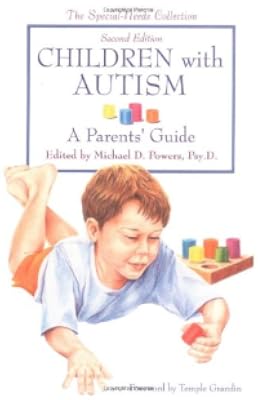
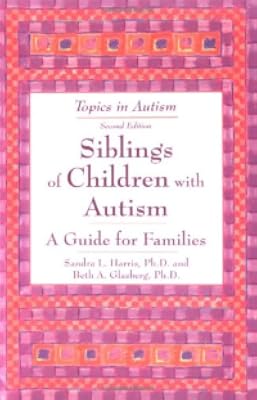
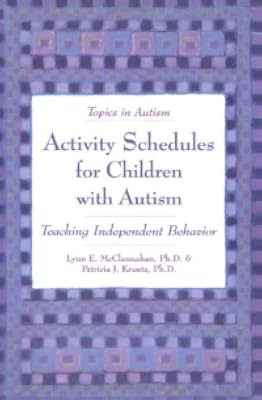

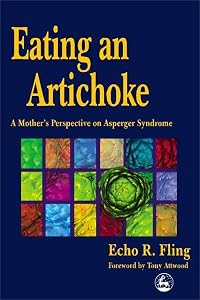


Member Reviews
A highly interesting book that ranges from biography to philosophy in its search for questions. I doubt anyone could read this without disagreeing with something. I'm not sure her theories about the engines that drive the brain are correct. Neither am I convinced that autism is a dysfunction. But this is not a book of answers but of questions and it invites you to ask them. The most interesting part for me was the section on autistic types from history. It added a number of books to Mount Tabor.
This book advances theories of autistic thinking that look good on paper, primarily looking good to non-autistic readers, but that do not truly explain our experiences. Things that do not fit these theories are sidelined as unimportant, thereby allowing a researcher to force-fit our experiences to her mold. There are some interesting descriptions in this book, but the theories drawing them all together are lacking.
Unfortunately, the same could be said about most books by 'experts' in the field of autism, and this review might be interchangeable with several other books I've read which advance flawed descriptions of how autistic people think.
Unfortunately, the same could be said about most books by 'experts' in the field of autism, and this review might be interchangeable with several other books I've read which advance flawed descriptions of how autistic people think.
The first edition of Autism: Explaining the Enigma quickly became a classic It provides an account of what happens in the mind of a person with autism. The book proposed that the key problems were an inability to recognise and think about thoughts (theory of mind), and an inability to integrate pieces of information into coherent wholes (central coherence). It suggested that from this beginning, problems of communication, social interaction and flexibility follow as the complex interactions of human development unfold.
This updated edition reports on how this explanation has stood the test of time. A new chapter outlines developments in neuropsychological research that have taken place since the book was first published and reviews the show more growing body of work on the neurological basis of autism. The accessible style and structure of the original edition have been retained, with information and references updated throughout.
Unfortunately, the book is heavily based on medical model thinking and completely neglects other areas of discourse, such as psychoanalytic theories. show less
This updated edition reports on how this explanation has stood the test of time. A new chapter outlines developments in neuropsychological research that have taken place since the book was first published and reviews the show more growing body of work on the neurological basis of autism. The accessible style and structure of the original edition have been retained, with information and references updated throughout.
Unfortunately, the book is heavily based on medical model thinking and completely neglects other areas of discourse, such as psychoanalytic theories. show less
Hanging out with young leftist academics as I do I've taken up the yellow sharpie, and suffice to say I want to pick up a can of yellow paint. Not everything pinged, but what did certainly did!
The first edition of the text proposed that the key psychological features of autism were concerned with the theory of mind and central coherence. This updated edition reports on how this explanation has stood the test of time. The history and epidemiology of autism are also discussed. A new chapter outlines developments in neuropsychological research. (This review refers to updated 2003 edition)
La primera edición de Autismo.Hacia una explicación del enigma, muy pronto se convirtió en un clásico porque proporcionaba el primer relato psicológico satisfactorio de lo que pasa en la mente de una persona con autismo. Esta nueva edición actualizada cuenta la historia del esfuerzo científico por comprender el autismo y muestra que las explicaciones que aportaba Uta Frith han resistido el paso del tiempo. Con sorprendentes ampliaciones y mejoras en cada uno de los capítulos, el libro ha sido revisado radicalmente y se ha añadido un nuevo capítulo con las investigaciones en neuropsicología más destacadas de los últimos diez años. Este libro de Uta Frith seguirá siendo un clásico de referencia obligatoria en todos los show more estudios sobre autismo show less
May 5, 2018Spanish
Ratings
Members
- Recently Added By
Author Information

7+ Works 487 Members
Common Knowledge
- Canonical title
- Autism: Explaining the Enigma
- People/Characters
- Hans Asperger; Margaret Dewey; Beate Hermelin; Leo Kanner; Neil O'Connor; Michael Rutter (show all 7); Lorna Wing
- Dedication
- To my mentors:
Beate Hermelin
Neil O'Connor
John Morton
Margaret Dewey
[Dedication to the Blackwell edition:]For Chris, Martin and Alex - First words
- 1
What is Autism?
'She was so pretty -- hazel eyes with long curling eyelashes and finely tapered eyebrows, flaxen coloured curls and such a sweet, far-away expression; I hoped against hope that all would ... (show all)eventually go well, and that she was just a slow starter.' - Last words
- (Click to show. Warning: May contain spoilers.)If we lose sight of this fact, we lose sight of the overall pattern.
- Blurbers
- Rutter, Michael; Premack, David
Classifications
- Genres
- Nonfiction, General Nonfiction, Science & Nature
- DDC/MDS
- 618.92 — Applied science & technology Medicine & health Gynecology, obstetrics, pediatrics, geriatrics Pediatrics & Geriatrics Pediatric Care
- LCC
- RJ506 .A9 .F695 — Medicine Pediatrics Pediatrics Diseases of children and adolescents Mental disorders. Child psychiatry
- BISAC
Statistics
- Members
- 150
- Popularity
- 219,253
- Reviews
- 6
- Rating
- (3.38)
- Languages
- 7 — Dutch, English, French, Hungarian, Italian, Spanish, Swedish
- Media
- Paper, Audiobook
- ISBNs
- 17
- ASINs
- 1