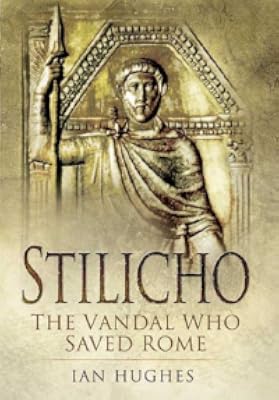
Stilicho : the Vandal who saved Rome
by Ian Hughes
On This Page
Description
The period of history in which Stilicho lived was one of the most turbulent in European history. The Western Empire was finally giving way under pressure from external threats, especially from Germanic tribes crossing the Rhine and Danube, as well as from seemingly ever-present internal revolts and rebellions. Ian Hughes explains how a Vandal (actually Stilicho had a Vandal father and Roman mother) came to be given almost total control of the Western Empire and describes his attempts to save show more both the Western Empire and even Rome itself from the attacks of Alaric the Goth and other barbarian invaders. Stilicho is one of the major figures in the history of the Late Roman Empire and his actions following the death of the emperor Theodosius the Great in 395 may have helped to divide the Western and Eastern halves of the Roman Empire on a permanent basis. Yet he is also the individual who helped maintain the integrity of the West before the rebellion of Constantine III in Britain and the crossing of the Rhine by a major force of Vandals, Sueves and Alans - both in AD 406 - set the scene for both his downfall and execution in 408 and the later disintegration of the West. Despite his role in this fascinating and crucial period of history, there is no other full-length biography of him in print. show lessTags
Recommendations




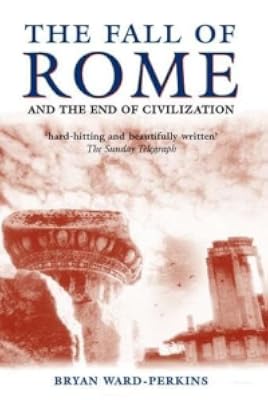
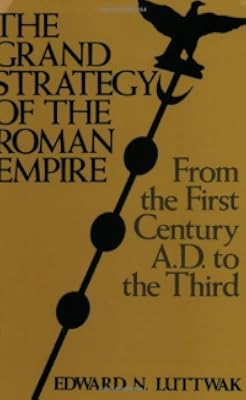
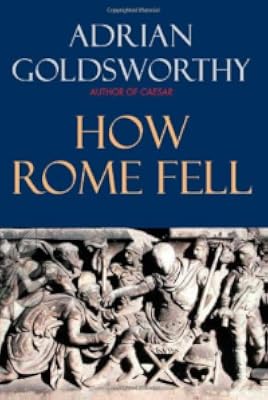
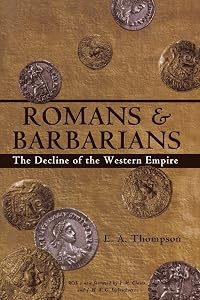



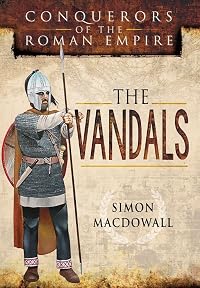
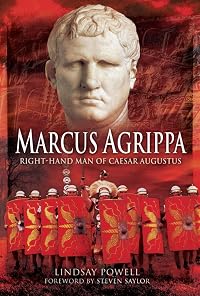
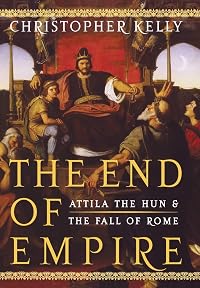
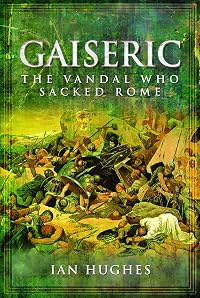
Member Recommendations

Ammianus This is the prelude to the rise of Stilicho.
Member Reviews
From the Foreword by Adrian Goldsworthy:
"It is a frustrating and intriguing challenge to write the history of this period. Ian Hughes sets himself an even more difficult task in writing a biography of Stilicho, where the central thread is the career of just one man. It is well worthwhile, for it is always good to remind ourselves that men like Stilicho, Honorius and Alaric were just human beings. Historians rightly concern themselves with wider social trends, where the successes and failures of individuals are seen principally as illustrations of broader patterns. Yet this is not how people actually live their lives, and it is very dangerous to remove this human element from history."
The lead up to and "fall" of the Western Roman Empire show more (the Eastern Roman Empire continued for another 1000 years as Byzantium) in the 4th and 5th Century is a time of turmoil. Primary sources are fragmented and sometimes contradictory, giving the novelist lots of leeway, but making the historian/biographer's job tough. Stilicho is one of the major figures of this time. Born of a Vandal father and high-born Roman mother, he married Theodosius the Great's niece (and adopted daughter) Serena and spent his life fighting for the empire. After Theodosius' death, he raised the emperor's son Honorius and daughter Galla Placidia. He effectively ruled the Western Empire during Honorius' minority, putting down usurpers and fighting barbarian incursions while balancing the politics of the Roman Senate. He eventually falls afoul of the "anti-barbarian" faction in Western Roman politics, not because of his own parentage, but because he incorporates barbarians into the Roman army. Stilicho faced enormous challenges both external and internal while trying to save the Empire. His death, on the orders of the Emperor he dedicated his life to, was poor recompense for his years of dedicated service. In his final chapter, Hughes turns to his title and asks the question "Did Stilicho save Rome?" given its dissolution decades later.
I've read and reviewed several biographies in the past year (both for pleasure and research.) Those authors blessed with a plethora of primary sources can tell their subjects' story in their own words and those of contemporaries. Those without have addressed the challenge in different ways. Schiff in "Cleopatra: a Life[", speculated on emotions and even put thoughts in her subjects' heads. A choice that made the book highly readable, but was troubling to me. Hughes presents what is known, takes sides in the historical controversies, but is also not afraid to say "we don't know" when there is no evidence. This is a dense book, both in pages and information. The style is a bit dry, but a wonderful resource for anyone interested in this time period.
Note: I purchased this book for my own research; the opinions in this review are my own. show less
"It is a frustrating and intriguing challenge to write the history of this period. Ian Hughes sets himself an even more difficult task in writing a biography of Stilicho, where the central thread is the career of just one man. It is well worthwhile, for it is always good to remind ourselves that men like Stilicho, Honorius and Alaric were just human beings. Historians rightly concern themselves with wider social trends, where the successes and failures of individuals are seen principally as illustrations of broader patterns. Yet this is not how people actually live their lives, and it is very dangerous to remove this human element from history."
The lead up to and "fall" of the Western Roman Empire show more (the Eastern Roman Empire continued for another 1000 years as Byzantium) in the 4th and 5th Century is a time of turmoil. Primary sources are fragmented and sometimes contradictory, giving the novelist lots of leeway, but making the historian/biographer's job tough. Stilicho is one of the major figures of this time. Born of a Vandal father and high-born Roman mother, he married Theodosius the Great's niece (and adopted daughter) Serena and spent his life fighting for the empire. After Theodosius' death, he raised the emperor's son Honorius and daughter Galla Placidia. He effectively ruled the Western Empire during Honorius' minority, putting down usurpers and fighting barbarian incursions while balancing the politics of the Roman Senate. He eventually falls afoul of the "anti-barbarian" faction in Western Roman politics, not because of his own parentage, but because he incorporates barbarians into the Roman army. Stilicho faced enormous challenges both external and internal while trying to save the Empire. His death, on the orders of the Emperor he dedicated his life to, was poor recompense for his years of dedicated service. In his final chapter, Hughes turns to his title and asks the question "Did Stilicho save Rome?" given its dissolution decades later.
I've read and reviewed several biographies in the past year (both for pleasure and research.) Those authors blessed with a plethora of primary sources can tell their subjects' story in their own words and those of contemporaries. Those without have addressed the challenge in different ways. Schiff in "Cleopatra: a Life[", speculated on emotions and even put thoughts in her subjects' heads. A choice that made the book highly readable, but was troubling to me. Hughes presents what is known, takes sides in the historical controversies, but is also not afraid to say "we don't know" when there is no evidence. This is a dense book, both in pages and information. The style is a bit dry, but a wonderful resource for anyone interested in this time period.
Note: I purchased this book for my own research; the opinions in this review are my own. show less
Ratings
Members
- Recently Added By
Author Information

10+ Works 404 Members
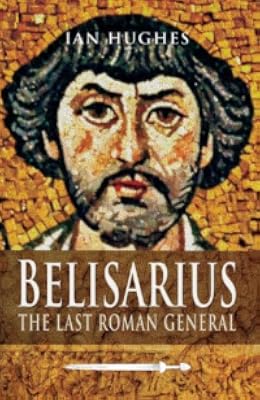
Ian Hughes specializes in Late Roman history and is the author of Belisarius: The Last Roman General (2009), Stilicho: the Vandal Who Saved Rome (2010), Aetius: Atilla's Nemesis (2012) and Imperial Brothers: Valentinian, Valens and the Disaster at Adrianople (2013). A former teacher whose hobbies include football, wargaming and restoring electric show more guitars, he lives near Barnsley in South Yorkshire. show less
Common Knowledge
- Canonical title
- Stilicho : the Vandal who saved Rome
- Original publication date
- 2010
- People/Characters
- Stilicho
- Important places
- Roman Empire
- Original language
- English
Classifications
- Genres
- History, Nonfiction, Biography & Memoir, General Nonfiction
- DDC/MDS
- 937.09092 — History & geography History of ancient world (to ca. 499) Italian Peninsula to 476 and adjacent territories to 476 Division of empire 395-476 A.D.
- LCC
- DG322.5 .S75 .H84 — History of Europe, Asia, Africa and Oceania City History of Italy Ancient Italy. Rome to 476 History By period Empire, 27 B.C. - 476 A.D. 284-476. Decline and fall
- BISAC
Statistics
- Members
- 66
- Popularity
- 474,082
- Reviews
- 1
- Rating
- (4.00)
- Languages
- English
- Media
- Paper, Ebook
- ISBNs
- 4
- ASINs
- 1