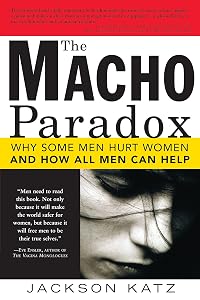
The Macho Paradox: Why Some Men Hurt Women and and How All Men Can Help
by Jackson Katz
On This Page
Description
Revised and updated to include current studies, politics, and discussions, The Macho Paradox is the first book to show how violence against women is a male issue as well as a female one—and how we can come together to stop it. Written by pioneering anti-violence educator Jackson Katz, The Macho Paradox incorporates the voices and experiences of women and men who have confronted the problem from all angles, the discussions surrounding currents events in politics and pop-culture, and where show more the violence is ignored or encouraged in our upbringing. Katz also offers cogent explanations for why so many men harass and hurt women, and he shows what can be done to stop the violence. By working together as allies, Katz shows how all genders can end the abuse and mistreatment of women. show lessTags
Recommendations




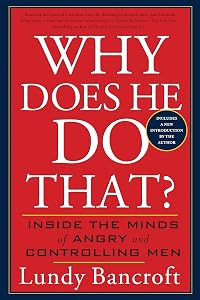

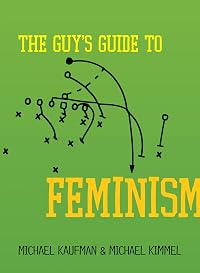



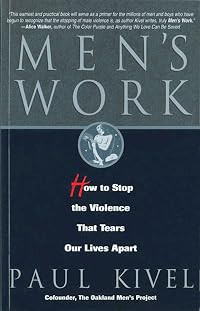
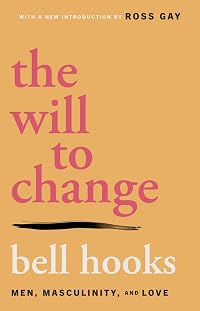





























Member Reviews
The book's premise is that rape, sexual assault, and domestic violence are a societal issue, not just a women's issue, and that it should also be a men's issue. The second premise is that it wants to engage men as invested bystanders to the issue of violence against women.
Katz does this by specifically addressing men, by trying to make it personal by the continual reminder of the women in men's lives (mothers, sisters, wives, girlfriends, daughters, friends, etc), giving lots of case examples of how men are gender violence activists, and theoretical arguments on why gender violence is a societal issue and not the work of individual deviants.
I think Katz was best when it came to talking about how male culture was a deterrant against show more speaking out against gender violence, the problems men face when speaking out (e.g. being called pussywhipped or accused of being gay, peer pressure and male solidarity), guilt over mild to severe forms of past behavior, and how to engage male culture in activism. He used examples of his work with marines, and athletic organizations. He also touched upon some issues of how male activists are unused to women run and dominated organizations, and how that can cause tension, and also whether chivalry is helpful or at cross-purposes with anti-gender violence activism.
Some criticisms were that there were passages where the language he used was biased towards his own conclusions, and where the causal links were a little weak. I am sympathetic to his position, and there are parts where he was preaching to the choir, but I would have liked Katz to have taken the time to clarify how he got to his conclusions. This could be done either by tying in his case studies more strongly with the statistics he gave in Chapter 2, especially when he was talking about the influence of the media in gender violence. Then again, perhaps his focus was on giving a broad overview of the topic, and rebutting common counterarguments.
I do like how he addressed different aspects of the issue: how it isn't about male bashing, how race and ethnicity can play into it, who runs gender prevention presentations in schools, how a man's status within a male hierarchy influences his decisions, various strategies, how children are influenced by society, the psychology of bystanders, how gender neutrality covers up problems, even women who argue against gender violence as a societal issue, and the pros and cons of collaboration with organizations not generally known for their ant-gender violence stance.
I think this book is good for the framing of gender violence as a men's issue, and trying to engage bystanders into helping/preventing gender violence, its strategies, and overview of the subject. I'd say it was readable and engaging for someone who wasn't already familiar with the topic. I'd want to look over the theoretical arguments more carefully, and the language he used in some places. (But I'm not willing to invest the time in a reskimming the book, and it's borrowed.)
Note: Katz compares misogynistic behaviors and remarks to racist behaviors and remarks, to argue the former shouldn't be done. This only works if the audience is anti-racist, or if they recognize those behaviors or remarks as racist. For example, the equation of misogynistic jokes with racist jokes. show less
Katz does this by specifically addressing men, by trying to make it personal by the continual reminder of the women in men's lives (mothers, sisters, wives, girlfriends, daughters, friends, etc), giving lots of case examples of how men are gender violence activists, and theoretical arguments on why gender violence is a societal issue and not the work of individual deviants.
I think Katz was best when it came to talking about how male culture was a deterrant against show more speaking out against gender violence, the problems men face when speaking out (e.g. being called pussywhipped or accused of being gay, peer pressure and male solidarity), guilt over mild to severe forms of past behavior, and how to engage male culture in activism. He used examples of his work with marines, and athletic organizations. He also touched upon some issues of how male activists are unused to women run and dominated organizations, and how that can cause tension, and also whether chivalry is helpful or at cross-purposes with anti-gender violence activism.
Some criticisms were that there were passages where the language he used was biased towards his own conclusions, and where the causal links were a little weak. I am sympathetic to his position, and there are parts where he was preaching to the choir, but I would have liked Katz to have taken the time to clarify how he got to his conclusions. This could be done either by tying in his case studies more strongly with the statistics he gave in Chapter 2, especially when he was talking about the influence of the media in gender violence. Then again, perhaps his focus was on giving a broad overview of the topic, and rebutting common counterarguments.
I do like how he addressed different aspects of the issue: how it isn't about male bashing, how race and ethnicity can play into it, who runs gender prevention presentations in schools, how a man's status within a male hierarchy influences his decisions, various strategies, how children are influenced by society, the psychology of bystanders, how gender neutrality covers up problems, even women who argue against gender violence as a societal issue, and the pros and cons of collaboration with organizations not generally known for their ant-gender violence stance.
I think this book is good for the framing of gender violence as a men's issue, and trying to engage bystanders into helping/preventing gender violence, its strategies, and overview of the subject. I'd say it was readable and engaging for someone who wasn't already familiar with the topic. I'd want to look over the theoretical arguments more carefully, and the language he used in some places. (But I'm not willing to invest the time in a reskimming the book, and it's borrowed.)
Note: Katz compares misogynistic behaviors and remarks to racist behaviors and remarks, to argue the former shouldn't be done. This only works if the audience is anti-racist, or if they recognize those behaviors or remarks as racist. For example, the equation of misogynistic jokes with racist jokes. show less
Starts off well and then flags towards the end, with the last third being a bit repetitive and lacking the energy of the beginning.
Should be required reading for most men and most leaders. I suspect a lot of what I have just read will take time to settle and come to terms with.
If you're a bloke...read it. It will give you the tools to be a slightly better you, and then it will be up to you to use them.
Excellent book. I recommend that all (men and women) read this, it's difficult to see how much of an effect gender relations have on us all. Socially-constructed notions of masculinity and femininity need to be changed, we are supposed to be an egalitarian society, let's live up to our name.
Ratings
Members
- Recently Added By
Author Information
14 Works 346 Members
Jackson Katz, Ph.D. is internationally renowned for his pioneering scholarship, activism, and dynamic lectures on issues of gender and violence. He is the creator of the award-winning documentary Tough Guise 2 and author of The Macho Paradox: Way Some Men Hurt Women and How All Men Can Help.
Common Knowledge
- Original publication date
- 2006
Classifications
- Genres
- Nonfiction, Sexuality and Gender Studies, General Nonfiction
- DDC/MDS
- 362.88082 — Society, government, & culture Social problems and social services Social Welfare Problems of and services to other groups People affected by criminal acts
- LCC
- HV6250.4 .W65 .K39 — Social sciences Social pathology. Social and public welfare. Criminology Social pathology. Social and public welfare. Criminology Victims of crimes. Victimology
- BISAC
Statistics
- Members
- 247
- Popularity
- 132,028
- Reviews
- 3
- Rating
- (3.84)
- Languages
- English, Polish
- Media
- Paper, Audiobook, Ebook
- ISBNs
- 8
- UPCs
- 2
- ASINs
- 3