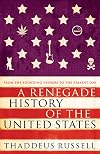
A Renegade History of the United States
by Thaddeus Russell
On This Page
Description
Historian Howard Zinn demonstrated that there are compelling, alternative histories that are both scholarly and valuable. Now, Thaddeus Russell provides a challenging new way of reading history that will turn convention on its head and is sure to elicit as much controversy as it does support. Russell shows that drunkards, laggards, prostitutes, and pirates were the real heroes of the American Revolution. Slaves worked less and had more fun than free men. Prostitutes, not feminists, won show more women's liberation. White people lost their rhythm when they became good Americans. Without organized crime, we might not have Hollywood, Las Vegas, labor unions, legal alcohol, birth control, or gay rights. Zoot-suiters and rock-and-rollers, not Ronald Reagan or the peace movement, brought down the Soviet Union. And Britney Spears will win the war on terror. It was not the elitists who created real revolution in America nor the political radicals whom Zinn credits, but the people on the fringes of society who laid the foundation for change and were responsible for many of the freedoms we cherish today. American history was driven by clashes between those interested in preserving social order and those more interested in pursuing their own desires-the "respectable" versus the "degenerate," the moral versus the immoral, "good citizens" versus the "bad." The more that "bad" people existed, resisted, and won, the greater was our common good. In A Renegade History of the United States, Russell introduces us to the origins of our nation's identity as we have never known them before. show lessTags
Recommendations




















Member Reviews
This is an interesting work, a good read, a fact-based (though maddeningly un-footnoted) history, but... it is a frustrating book.
Why? Russell is adept at bringing into the light the underbelly of civilization, in this case, American civilization. For example, colonial and revolutionary era madams and whores, saloons that catered to a multiracial patronage, and so on. He wonderfully illustrates that slaves "rebelled" or "got back" at their masters in innumerable ways, but then controversially claims that slavery was often easier (in some sense "freer") than life as, say, a poor white sodbuster who had to work hard or starve. He claims that slaves were free to indulge in vices they had to give up (or were supposed to give up) during show more Reconstruction such as serial monogamy or working the least amount possible. He states that Gilded Age prostitutes were harbingers of women's lib because they were owners of their own businesses and bodies and did what they want. (How many women were forced by person or circumstance to enter into prostitution is never surmised by Russell.) Another part of his book called "How White People Lost Their Rhythm" discusses how blacks, Irish, Jews, and Italians were each considered evil and outside the bounds of respectability, but then they were slowly respected and brought into mainstream society.
Et cetera, et cetera, et cetera.
The problem is that though Russell makes some good points, and a heck of a whole lot of insight, it is his overarching thesis that "rebels" bring us all the wonderful freedoms we have today. How he puts it:
"If you were a typical American living in the early part of the nineteenth century, you had to plant, tend, harvest, slaughter, and process your own food. You had to make your own clothing, and all of it had to be strictly utilitarian; no decorations, unnecessary colors, or 'style.' You worked from before dawn until late at night. Your only source of entertainment was books, and most that were available were moral parables. You spent your entire life within a fifty-mile radius of your home. You believed that leisure was bad. There was no weekend." (p. 207)
Then:
"By the end of the nineteenth century Americans bought attractive clothing from stores, ate a variety of pleasing foods, read for fun, attended amusement parks and vaudeville shows, went dancing, rode trains, greatly decreased the number of hours a day they worked, and believed that leisure was good." (p. 207)
Bunk.
Without the Puritans, the Founders, the police officers, the 9-5ers, the hard-workers, the frontiersmen, the bankers, the moralists, the religious, etc., the mainstream he derides in every era as dictatorial buzzkills, there would be no civilization. Just chaos. If everybody shirked work, sabotaged factories, played jazz all day, were common whores, were petty crooks, etc., then what civilization would we have? None.
Renegades and rebels have a role in society, and a profound effect on culture, especially the common "low-brow" culture that drives the masses. But to deride Christian morality, the Protestant work ethic, the average worker, etc., you deride all the progress society has made. The eight-hour work day owes less to slaves and striking union members and lazy bums than it does to inventors, investors, and capitalism. But that book would be boring, would it not?
Buy and read, I heartily recommend it, but don't buy the argument whole. show less
Why? Russell is adept at bringing into the light the underbelly of civilization, in this case, American civilization. For example, colonial and revolutionary era madams and whores, saloons that catered to a multiracial patronage, and so on. He wonderfully illustrates that slaves "rebelled" or "got back" at their masters in innumerable ways, but then controversially claims that slavery was often easier (in some sense "freer") than life as, say, a poor white sodbuster who had to work hard or starve. He claims that slaves were free to indulge in vices they had to give up (or were supposed to give up) during show more Reconstruction such as serial monogamy or working the least amount possible. He states that Gilded Age prostitutes were harbingers of women's lib because they were owners of their own businesses and bodies and did what they want. (How many women were forced by person or circumstance to enter into prostitution is never surmised by Russell.) Another part of his book called "How White People Lost Their Rhythm" discusses how blacks, Irish, Jews, and Italians were each considered evil and outside the bounds of respectability, but then they were slowly respected and brought into mainstream society.
Et cetera, et cetera, et cetera.
The problem is that though Russell makes some good points, and a heck of a whole lot of insight, it is his overarching thesis that "rebels" bring us all the wonderful freedoms we have today. How he puts it:
"If you were a typical American living in the early part of the nineteenth century, you had to plant, tend, harvest, slaughter, and process your own food. You had to make your own clothing, and all of it had to be strictly utilitarian; no decorations, unnecessary colors, or 'style.' You worked from before dawn until late at night. Your only source of entertainment was books, and most that were available were moral parables. You spent your entire life within a fifty-mile radius of your home. You believed that leisure was bad. There was no weekend." (p. 207)
Then:
"By the end of the nineteenth century Americans bought attractive clothing from stores, ate a variety of pleasing foods, read for fun, attended amusement parks and vaudeville shows, went dancing, rode trains, greatly decreased the number of hours a day they worked, and believed that leisure was good." (p. 207)
Bunk.
Without the Puritans, the Founders, the police officers, the 9-5ers, the hard-workers, the frontiersmen, the bankers, the moralists, the religious, etc., the mainstream he derides in every era as dictatorial buzzkills, there would be no civilization. Just chaos. If everybody shirked work, sabotaged factories, played jazz all day, were common whores, were petty crooks, etc., then what civilization would we have? None.
Renegades and rebels have a role in society, and a profound effect on culture, especially the common "low-brow" culture that drives the masses. But to deride Christian morality, the Protestant work ethic, the average worker, etc., you deride all the progress society has made. The eight-hour work day owes less to slaves and striking union members and lazy bums than it does to inventors, investors, and capitalism. But that book would be boring, would it not?
Buy and read, I heartily recommend it, but don't buy the argument whole. show less
Историята, ако съдим по учебниците, е съставена главно от царе,политици, генерали, велики учени и герои, които се открояват през вековете. Влиятелните личности затова са влиятелни, защото са имали и имат голямо влияние върху хода на човешките съдби и света около себе си. Само че макар тяхното влияние да расте с геометрична прогресия колкото по-влиятелни стават те, то пак не може да е по-голямо от show more комбинираното влияние на всички останали хора - за които обаче учебниците рядко пишат.
Ако не сме внимателни или просто сме интелектуално мързеливи, обаче, можем да си четем учебниците по история и да си мислим, че напредъка или назадъка на човечеството се случва само заради и чрез тия големи, важни личности, докато всички останали хора са само пясък в колелата на битките на велики личности и идеи в историята. Реалния свят обаче, сега както и в миналото, не е епична приказка, борба между добро и зло, а просто сборът на милионите различни човеци, които някак се опитват да живеят в него.
"Ренегадската" история на САЩ е ренегадска с това, че описва влиянието на различните хора "извън мейнстрийма" като роби, проститутки, гангстери и т.н. за оформяне на моралния облик на Америка (и до голяма степен и света, защото както пеят Рамщайн, "ние всички живеем в Америка").
Докато прави това, Тадеус Ръсел неизбежно се отклонява от общоприетото виждане за историята на царе и генерали, на епични сблъсъци на добро и зло и разказва (често - с цитирани техните собствени думи от писма, публикации от периода и т.н.) историите на обикновените хора - както ренегати, така и консервативната, работлива средна класа, която може да се каже е тяхна противоположност.
Въпреки, че самият авторът е непоправимо ляв (всъщност, захванах да чета книгата като част от усилията си да не се самозатварям идейно и да чета и книги от автори с различни и дори противоположни на моята идеологии и виждане за света), фактите, които описва разбиват много от свещените крави на лявото в САЩ и описват историята на страната доста далеч от картинката, която то представя (далече и от това, което дясното там си представя също де, защото и двете страни на политическия спектър имат идеализирано виждане за миналото на Америка само дето за едните то е рождество от черно подтисничество, а за другите свещено правдив генезис).
Ръсел не се пести и започва с крошетата от първата глава, където описва робството на негрите в САЩ в далеч не толкова черни краски, колкото то типично се представя - дотолкова, че много от белите всъщност им се е искало да живеят като негри, свободни от строгите морални ограничения и граждански задължения в живота на средния "свободен" американец. След като надълго се занимава с робите (все пак те са значителна част от моралния исторически багаж на Америка) той преминава към проститутките, допринесли за еманципацията на жените много повече от феминистките, към гангстерите по времето на сухия режим и как те помогнали гейовете и техните права чрез подкрепата си на гей-заведенията от чисто финансов интерес и продължава все така.
За правдивостта на начина му на мислене мога да съдя от описанието му на подривното влияние, които имат американската и като цяло западната култура в социалистическите общества чрез джаз музиката, модата, Бийтълс и западните стоки, които са популярни в ъндърграунда тогава и не само устояват на всякакви опити на "работническата власт" да ги изкорени, ами накрая допринасят значително за обществените нагласи срещу нея.
Като цяло, основната червена линия в книгата е, че основната битка в създаването на душата на Америка и американския народ е водена по линията на от една страна строгата протестантска етика на упорит труд, скромност, пестеливост и самоограничение чрез силни морални устои и от там отговорно гражданство и от друга страна свободния либертинско-либертариански дух на низшите икономически класи, които винаги са искали да правят каквото си искат, без да мислят за утре - а основните политически течения не отразяват интересите на едните и на другите, а само на първите, като срещу вторите се борят както десните, така и левите, за да ги подчинят на машината на политико-икономическата власт и ред. show less
Ако не сме внимателни или просто сме интелектуално мързеливи, обаче, можем да си четем учебниците по история и да си мислим, че напредъка или назадъка на човечеството се случва само заради и чрез тия големи, важни личности, докато всички останали хора са само пясък в колелата на битките на велики личности и идеи в историята. Реалния свят обаче, сега както и в миналото, не е епична приказка, борба между добро и зло, а просто сборът на милионите различни човеци, които някак се опитват да живеят в него.
"Ренегадската" история на САЩ е ренегадска с това, че описва влиянието на различните хора "извън мейнстрийма" като роби, проститутки, гангстери и т.н. за оформяне на моралния облик на Америка (и до голяма степен и света, защото както пеят Рамщайн, "ние всички живеем в Америка").
Докато прави това, Тадеус Ръсел неизбежно се отклонява от общоприетото виждане за историята на царе и генерали, на епични сблъсъци на добро и зло и разказва (често - с цитирани техните собствени думи от писма, публикации от периода и т.н.) историите на обикновените хора - както ренегати, така и консервативната, работлива средна класа, която може да се каже е тяхна противоположност.
Въпреки, че самият авторът е непоправимо ляв (всъщност, захванах да чета книгата като част от усилията си да не се самозатварям идейно и да чета и книги от автори с различни и дори противоположни на моята идеологии и виждане за света), фактите, които описва разбиват много от свещените крави на лявото в САЩ и описват историята на страната доста далеч от картинката, която то представя (далече и от това, което дясното там си представя също де, защото и двете страни на политическия спектър имат идеализирано виждане за миналото на Америка само дето за едните то е рождество от черно подтисничество, а за другите свещено правдив генезис).
Ръсел не се пести и започва с крошетата от първата глава, където описва робството на негрите в САЩ в далеч не толкова черни краски, колкото то типично се представя - дотолкова, че много от белите всъщност им се е искало да живеят като негри, свободни от строгите морални ограничения и граждански задължения в живота на средния "свободен" американец. След като надълго се занимава с робите (все пак те са значителна част от моралния исторически багаж на Америка) той преминава към проститутките, допринесли за еманципацията на жените много повече от феминистките, към гангстерите по времето на сухия режим и как те помогнали гейовете и техните права чрез подкрепата си на гей-заведенията от чисто финансов интерес и продължава все така.
За правдивостта на начина му на мислене мога да съдя от описанието му на подривното влияние, които имат американската и като цяло западната култура в социалистическите общества чрез джаз музиката, модата, Бийтълс и западните стоки, които са популярни в ъндърграунда тогава и не само устояват на всякакви опити на "работническата власт" да ги изкорени, ами накрая допринасят значително за обществените нагласи срещу нея.
Като цяло, основната червена линия в книгата е, че основната битка в създаването на душата на Америка и американския народ е водена по линията на от една страна строгата протестантска етика на упорит труд, скромност, пестеливост и самоограничение чрез силни морални устои и от там отговорно гражданство и от друга страна свободния либертинско-либертариански дух на низшите икономически класи, които винаги са искали да правят каквото си искат, без да мислят за утре - а основните политически течения не отразяват интересите на едните и на другите, а само на първите, като срещу вторите се борят както десните, така и левите, за да ги подчинят на машината на политико-икономическата власт и ред. show less
Thaddeus Russell used to teach history at Bernard College. He says in spite of the fact that his classes were so popular, he “had tripled the sizes of the introductory U.S. history course and the American Studies program” he was asked to present his work to colleagues at the college. He was hoping to get on the track toward tenure, instead some respected historians looked on him with disgust. He thinks that's just because they were closed minded.
His theory is that the founders of the United States, in fact the leaders of most governments want citizens to forgo personal gratification for the good of all. He says that the guiding principle of the US is the puritan work ethic, not just that work is good for whatever one wants to show more accomplish, but that work is good as an end in itself. The requirements of citizenship merge with Christian asceticism and self abnegation. Citizens should want no more than work and responsibility. Renegades, on the other hand, have no stake in the common good. They live for pleasure, and by doing so have brought freedom to the repressed good citizens.
This is how he puts it: “If you were a typical American living in the early part of the nineteenth century, you had to plant, tend, harvest, slaughter, and process your own food,. You had to make your own clothing, and all of it had to be strictly utilitarian; no decorations, unnecessary colors, or 'style.' You worked from before dawn until late at night. Your only source of entertainment was books, and most that were available were moral parables. You spent your entire life within a fifty-mile radius of your home. You believed that leisure was bad. There was no weekend.” You also maintained strict sexual monogamy.
“By the end of the nineteenth century Americans bought attractive clothing from stores, ate a variety of pleasing foods, read for fun, attended amusement parks and vaudeville shows, went dancing, rode trains, greatly decreased the number of hours a day they worked, and believed that leisure was good.” Renegades were responsible for the desire for comfort, fun and adornment. Desire produced demand and demand lead to production. African Americans, former slaves, (also drunkards, homosexuals and prostitutes) were the source of that desire. Waves of immigrants from Irish to Jews to Italians initially looked to African Americans for companionship, were even thought of as
"Negroid", and spent the first part of their history as immigrants imitating Black culture, dress, sexual freedom, dance, music, and rejection of the Puritan work ethic. The only problem with this premise, the lynchpin of the whole book, is that Russell says African Americans had it better as slaves than they did as free people. “slave culture offered many liberating alternatives to the highly repressive, work-obsessed, anti-sex culture of the early United States”
In Russell's view of slavery the owners took on all the responsibility of feeding, clothing, housing, child care and health care for their slaves leaving the African Americans free to dodge work (sure some got whipped, but when the overseer was at the other end of the field, the slaves completely slacked off), to malinger, to live promiscuous lives, (really, only about 8% of slave women were raped, probably fewer than white women), to dress better than their masters, to dance and sing with abandon. The onus was entirely on the slave owners because if the slaves didn't like the way they were treated they would just run away, for days or hours, even weeks or years, then they would “come back,” (Russell's term - he didn't say they were captured and brought back) He doesn't mention the slave ships bringing these lucky new Americans from Africa, but I think he must have seen them as something like a Carnival Cruise gone wrong. Because of their experience of slavery African Americans are less likely to internalize repression, they are less likely to relinquish their culture of personal freedom in exchange for potential rights as citizens. They are Russell's heroes.
Oh, and FDR was a fascist and 12% of first and second generation Japanese Americans actively supported Japan in the second world war.
Aside from the above mentioned rather unpleasant charges, Russell proposes some interesting ideas: movies, amusement parks, dancing (with bent knees) non reproductive sex are all activities engaged in by renegades. Renegade music: jazz, R and B, rock and roll and disco was responsible for the US winning the cold war. Country music is patriotic, heterosexually family oriented and expresses both a hated of work yet pride in doing it. Country music therefore does not promote freedom.
The mafia is responsible not only for the popularization of jazz, Broadway and Las Vegas but was also instrumental in protecting the gay subculture because Vito Genovese, a big mob boss, was married to a lesbian.
The Stonewall Riots lead to gay liberation, gay pride parades, the flaunting of purely recreational sex and nudist beaches increasing sexual freedom for the rest of us. The recent move toward gay marriage is lead by the usual conservative type and works against freedom emphasizing the ideal for both homo and hetero sexuals that sex should be hidden.
Those on the side of repression and decreased personal freedom: J. Edgar Hoover and Martin Luther King, Jr. Renegades were Elvis Presley, Chuck Berry and Alan Ginsberg.
This is a very interesting book, but Russell was so intent on making his "renegades save the world" point that I fear he went pretty far from reality in a few important cases. I'd rate the book 4 for interest, 1 for accuracy. show less
His theory is that the founders of the United States, in fact the leaders of most governments want citizens to forgo personal gratification for the good of all. He says that the guiding principle of the US is the puritan work ethic, not just that work is good for whatever one wants to show more accomplish, but that work is good as an end in itself. The requirements of citizenship merge with Christian asceticism and self abnegation. Citizens should want no more than work and responsibility. Renegades, on the other hand, have no stake in the common good. They live for pleasure, and by doing so have brought freedom to the repressed good citizens.
This is how he puts it: “If you were a typical American living in the early part of the nineteenth century, you had to plant, tend, harvest, slaughter, and process your own food,. You had to make your own clothing, and all of it had to be strictly utilitarian; no decorations, unnecessary colors, or 'style.' You worked from before dawn until late at night. Your only source of entertainment was books, and most that were available were moral parables. You spent your entire life within a fifty-mile radius of your home. You believed that leisure was bad. There was no weekend.” You also maintained strict sexual monogamy.
“By the end of the nineteenth century Americans bought attractive clothing from stores, ate a variety of pleasing foods, read for fun, attended amusement parks and vaudeville shows, went dancing, rode trains, greatly decreased the number of hours a day they worked, and believed that leisure was good.” Renegades were responsible for the desire for comfort, fun and adornment. Desire produced demand and demand lead to production. African Americans, former slaves, (also drunkards, homosexuals and prostitutes) were the source of that desire. Waves of immigrants from Irish to Jews to Italians initially looked to African Americans for companionship, were even thought of as
"Negroid", and spent the first part of their history as immigrants imitating Black culture, dress, sexual freedom, dance, music, and rejection of the Puritan work ethic. The only problem with this premise, the lynchpin of the whole book, is that Russell says African Americans had it better as slaves than they did as free people. “slave culture offered many liberating alternatives to the highly repressive, work-obsessed, anti-sex culture of the early United States”
In Russell's view of slavery the owners took on all the responsibility of feeding, clothing, housing, child care and health care for their slaves leaving the African Americans free to dodge work (sure some got whipped, but when the overseer was at the other end of the field, the slaves completely slacked off), to malinger, to live promiscuous lives, (really, only about 8% of slave women were raped, probably fewer than white women), to dress better than their masters, to dance and sing with abandon. The onus was entirely on the slave owners because if the slaves didn't like the way they were treated they would just run away, for days or hours, even weeks or years, then they would “come back,” (Russell's term - he didn't say they were captured and brought back) He doesn't mention the slave ships bringing these lucky new Americans from Africa, but I think he must have seen them as something like a Carnival Cruise gone wrong. Because of their experience of slavery African Americans are less likely to internalize repression, they are less likely to relinquish their culture of personal freedom in exchange for potential rights as citizens. They are Russell's heroes.
Oh, and FDR was a fascist and 12% of first and second generation Japanese Americans actively supported Japan in the second world war.
Aside from the above mentioned rather unpleasant charges, Russell proposes some interesting ideas: movies, amusement parks, dancing (with bent knees) non reproductive sex are all activities engaged in by renegades. Renegade music: jazz, R and B, rock and roll and disco was responsible for the US winning the cold war. Country music is patriotic, heterosexually family oriented and expresses both a hated of work yet pride in doing it. Country music therefore does not promote freedom.
The mafia is responsible not only for the popularization of jazz, Broadway and Las Vegas but was also instrumental in protecting the gay subculture because Vito Genovese, a big mob boss, was married to a lesbian.
The Stonewall Riots lead to gay liberation, gay pride parades, the flaunting of purely recreational sex and nudist beaches increasing sexual freedom for the rest of us. The recent move toward gay marriage is lead by the usual conservative type and works against freedom emphasizing the ideal for both homo and hetero sexuals that sex should be hidden.
Those on the side of repression and decreased personal freedom: J. Edgar Hoover and Martin Luther King, Jr. Renegades were Elvis Presley, Chuck Berry and Alan Ginsberg.
This is a very interesting book, but Russell was so intent on making his "renegades save the world" point that I fear he went pretty far from reality in a few important cases. I'd rate the book 4 for interest, 1 for accuracy. show less
This is an enlightening, engaging alternative view of history from colonial-era transvestite prostitutes to collusion between mafia dons and gay bar patrons and more paints a picutre of crminalized and stigmatized underclasses as the progenitures of the rich and free culture we revel in. This is well worth reading to balance more traditional histories.
While this book I think is fascinating and educational on underclass movements arising in greater culture in language, (cultural) life, and liberty, some things seemed present absences. Among these, the 'gayola" extortion angle of The Stonewall Riots and the role of publishers defending "pornographic" literature in firing up First Amendment privileges.
While this book I think is fascinating and educational on underclass movements arising in greater culture in language, (cultural) life, and liberty, some things seemed present absences. Among these, the 'gayola" extortion angle of The Stonewall Riots and the role of publishers defending "pornographic" literature in firing up First Amendment privileges.
Wonderful, eye-opening view of American history from the grassroots level. Russell takes a broad view of how the freedom-loving "renegades" challenged the straight-laced American society that took hold after the American Revolution and has stayed with us ever since, giving ground only slowly. Irish and Italians and Jews were absorbed, gangsters in the 1920s set the styles for the times and provided what society rejected - booze, jazz fans and flappers thumbed their noses at traditional styles which traced to the staid minuet and "respectable" styles. Russell's view is that the renegades of society kindled the freedom that we espouse which loosening the strangle-hold of ultra conservative society. Very illuminating.
This was an excellent book if a bit too anecdotal. Regardless, it will definitely get you looking at US history from a very different angle. The author challenges a great many of the traditional takes on things are varied as slavery, prostitution, the New Deal and the notion that US citizenship was not without some significant downsides.
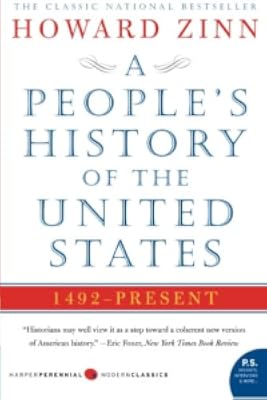
Really revealing exploration which creates many questions for the conventionally educated. 'We have met the enemy and it is us'. But read this after you have read 'The People's History of the United States' by Howard Zinn'. This book gives me hope for survival against our current right wing advocates, although, reaching back into our history demonstrates a stunning sameness to the past. It seems to me that so many negative comments show a fear to 'question authority'.
Members
- Recently Added By
Lists

The Joe Rogan Experience Library
254 works; 3 members
Talk Discussions
Past Discussions
Miscellaneous in History: On learning from and writing history (April 2013)
Author Information
3 Works 363 Members
Thaddeus Russell is Visiting Assistant Professor of History at Barnard College
Common Knowledge
- Original publication date
- 2010
- Dedication
- For Toby and his freedom
- First words
- (Introduction): This is a new story.
In the spring of 1777, the great men of America came to Philadelphia for the fourth meeting of the Continental Congress, the de facto government of the rebel republic. - Quotations
- Indeed, if Americals throughout history had only sacrificed themselves and made themselves, "good," what kind of society would we live in now? To answer that question, you might count the things in this book that you ... (show all)value in your own life or wish to enjoy, then imagine them as impossibilities. Renegades made these illicit joys not only possible but real. They didn't intend their actions as gifts to us. But now is our chance to take them as gifts, take the side of the renegades when the guardians of social order to try to keep them down, and take more.
- Last words
- (Click to show. Warning: May contain spoilers.)But now is our chance to take them as gifts, take the side of the renegades when the guardians of social order to try to keep them down, and take more.
Classifications
- Genres
- Nonfiction, History
- DDC/MDS
- 303.48 — Society, government, & culture Social sciences, sociology & anthropology Social processes Social change Causes of change
- LCC
- HN57 .R792 — Social sciences Social history and conditions. Social problems. Social reform Social history and conditions. Social problems. By region or country
- BISAC
Statistics
- Members
- 332
- Popularity
- 95,717
- Reviews
- 10
- Rating
- (3.47)
- Languages
- English
- Media
- Paper, Audiobook, Ebook
- ISBNs
- 11
- ASINs
- 7