School Blues
by Daniel Pennac
On This Page
Description
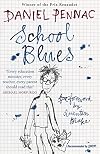
Daniel Pennac has never forgotten what it was like to be a very unsatisfactory student, nor the day one of his teachers saved his life by assigning him the task of writing a novel. This was the moment Pennac realized that no-one has to be a failure for ever. In School Blues, Pennac explores the many facets of schooling: how fear makes children reject education; how children can be captivated by inventive thinking; how consumerism has altered attitudes to learning. Haunted by memories of his show more own turbulent time in the classroom, Pennac enacts dialogues with his teachers, his parents and his own students, and serves up much more than a bald analysis of how young people are consistently failed by a faltering system. School Blues is not only universally applicable, but it is unquestionably a work of literature in its own right, driven by subtlety, sensitivity and a passion for pedagogy, while embracing the realities of contemporary culture. show lessTags
Recommendations






























Member Reviews
Un libro che non pensavo avrei apprezzato così tanto dato che solitamente io non leggo saggi. Ma questo è stata veramente uno shock in senso positivo.
Pennac rivive la sua infanzia, di come sia stato salvato da tre professori che lo hanno riportato *sulla retta via*, che gli hanno mostrato come uno studente dovrebbe essere, tutto fuorchè un somaro come lui.
Da studentessa che anch'essa è stata salvata da un professore di matematica tra la terza e la quinta liceo, questo libro mi ha toccato a fondo. Era come leggere i miei pensieri messi su carta.
Nel mio caso andavo male quasi solo in matematica, raramente toccavo la sufficienza. Poi ho incontrato lui, il professore di matematica (che poi in realtà era un fisico, e ci teneva a show more ribadirlo sempre) che capì che somara in matematica non ero, ed è solo grazie a lui che oggi faccio il secondo anno di ingegneria senza il terrore di essere una nullità. Se sono riuscita a scegliere una strada è solo grazie a lui.
Pennac è riuscito a racchiudere in un libricino di appena 270 pagine la storia che accomuna da centenari migliaia di bambini che per la scuola e la società erano considerati un fallimento, ma non agli occhi dei professori. Di come a volte basta andare oltre le apparenze, a farsi forza nel chiedere certe domande che alcuni non avrebbero mai il coraggio di pronunciare.
Io ringrazio Pennac. Che mi ha fatto rivivere un pezzo della mia storia ormai passata a cui oggigiorno riesco a rivolgergli un sorriso sincero, perché come il *lui* somaro ha gettato le basi del suo cambiamento anche il *mio* essere negata in certe materie mi ha fatto diventare la persona che sono adesso. show less
Pennac rivive la sua infanzia, di come sia stato salvato da tre professori che lo hanno riportato *sulla retta via*, che gli hanno mostrato come uno studente dovrebbe essere, tutto fuorchè un somaro come lui.
Da studentessa che anch'essa è stata salvata da un professore di matematica tra la terza e la quinta liceo, questo libro mi ha toccato a fondo. Era come leggere i miei pensieri messi su carta.
Nel mio caso andavo male quasi solo in matematica, raramente toccavo la sufficienza. Poi ho incontrato lui, il professore di matematica (che poi in realtà era un fisico, e ci teneva a show more ribadirlo sempre) che capì che somara in matematica non ero, ed è solo grazie a lui che oggi faccio il secondo anno di ingegneria senza il terrore di essere una nullità. Se sono riuscita a scegliere una strada è solo grazie a lui.
Pennac è riuscito a racchiudere in un libricino di appena 270 pagine la storia che accomuna da centenari migliaia di bambini che per la scuola e la società erano considerati un fallimento, ma non agli occhi dei professori. Di come a volte basta andare oltre le apparenze, a farsi forza nel chiedere certe domande che alcuni non avrebbero mai il coraggio di pronunciare.
Io ringrazio Pennac. Che mi ha fatto rivivere un pezzo della mia storia ormai passata a cui oggigiorno riesco a rivolgergli un sorriso sincero, perché come il *lui* somaro ha gettato le basi del suo cambiamento anche il *mio* essere negata in certe materie mi ha fatto diventare la persona che sono adesso. show less
loved this book. It's about the kids who don't do so well at school - Pennac describes himself as a dunce (cancre) during his own school days, but under the encouragement of great teachers he did well and ended up as a teacher himself, so he's seen both (all three?) sides of the story.
The book mixes memoir (of his schooling and teaching days) with a sort of manifesto for what teaching ought to provide, and the sympathy and support which should be given to those who don't find studying too easy, who don't "enjoy the blessed facility of being able to slip into a different skin whenever necessary, to shift from restless teenager to attentive student, from spurned sweetheart to focused scientist, from sporting hero to swot, from elsewhere show more to here, from past to present, from maths to literature".
While making a compelling case, Pennac knows that it's not easy - he recounts occasions when he too failed to reach out or to be patient or generous. He mocks his own pretensions and becomes, for me, an even more sympathetic character. All this, incidentally, is beautifully written and translated. I'll be giving School Blues to all of my friends who work in education. show less
The book mixes memoir (of his schooling and teaching days) with a sort of manifesto for what teaching ought to provide, and the sympathy and support which should be given to those who don't find studying too easy, who don't "enjoy the blessed facility of being able to slip into a different skin whenever necessary, to shift from restless teenager to attentive student, from spurned sweetheart to focused scientist, from sporting hero to swot, from elsewhere show more to here, from past to present, from maths to literature".
While making a compelling case, Pennac knows that it's not easy - he recounts occasions when he too failed to reach out or to be patient or generous. He mocks his own pretensions and becomes, for me, an even more sympathetic character. All this, incidentally, is beautifully written and translated. I'll be giving School Blues to all of my friends who work in education. show less
"Basta un profesor-¡uno solo!-para salvarnos de nosotros mismos y hacernos olvidar a todos los demás"
¿Estamos aquí ante autobiografía con datos que permiten analizar la educación y labor docente, o ante un ensayo acerca del sector educacional aderezado con las vivencias de Pennac como estudiante y profesor? Es una pregunta que sigo teniendo pero, sea cual sea la respuesta, es una lectura realmente amena.
En este libro nos encontramos con que uno de los más respetados profesores que Francia ha concebido nos habla acerca de lo que los (malos) estudiantes sienten y viven día a día, así como de la frustración de los padres y profesores ante la imposibilidad de comunicarse con los niños, pero esta explicación no es como cualquier show more otra, la manera de decirnos todo esto se siente más como una conversación entre amigos que como un estudio, siendo que ciertamente se acerca más al segundo que al primero.
Esta no es una lectura para todos, pero para personas que les interese el sector sociológico y pedagógico, esta es una lectura excelente que te hará ver de manera simple, sencilla y divertida situaciones actuales comparadas con la educación antigua. Sí bien Pennac nos ubica en Francia todas las situaciones que el describe pueden trasladarse fácilmente a cualquier otro país con más de una similitud, desde los tipos de alumnos hasta la carga de responsabilidad, y muchas de las sugerencias que ofrece (están escondidas, pero las puedes encontrar fácilmente) serán útiles para quien desee utilizarlas.
Es de especial gusto todos los capítulos en que nos narra su experiencia como "zoquete", por más que hayas sido un buen estudiante puedes identificarte con algo de lo que describe.
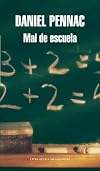
No pude evitar recordar a tantos compañeros de escuela que tuve al leer este libro y al ver esta imagen show less
¿Estamos aquí ante autobiografía con datos que permiten analizar la educación y labor docente, o ante un ensayo acerca del sector educacional aderezado con las vivencias de Pennac como estudiante y profesor? Es una pregunta que sigo teniendo pero, sea cual sea la respuesta, es una lectura realmente amena.
En este libro nos encontramos con que uno de los más respetados profesores que Francia ha concebido nos habla acerca de lo que los (malos) estudiantes sienten y viven día a día, así como de la frustración de los padres y profesores ante la imposibilidad de comunicarse con los niños, pero esta explicación no es como cualquier show more otra, la manera de decirnos todo esto se siente más como una conversación entre amigos que como un estudio, siendo que ciertamente se acerca más al segundo que al primero.
Esta no es una lectura para todos, pero para personas que les interese el sector sociológico y pedagógico, esta es una lectura excelente que te hará ver de manera simple, sencilla y divertida situaciones actuales comparadas con la educación antigua. Sí bien Pennac nos ubica en Francia todas las situaciones que el describe pueden trasladarse fácilmente a cualquier otro país con más de una similitud, desde los tipos de alumnos hasta la carga de responsabilidad, y muchas de las sugerencias que ofrece (están escondidas, pero las puedes encontrar fácilmente) serán útiles para quien desee utilizarlas.
Es de especial gusto todos los capítulos en que nos narra su experiencia como "zoquete", por más que hayas sido un buen estudiante puedes identificarte con algo de lo que describe.
No pude evitar recordar a tantos compañeros de escuela que tuve al leer este libro y al ver esta imagen show less
Chagrin d'école is a more substantial book that builds up from the ideas of Comme un roman into a wider discussion of how the education system deals with students who can't or won't learn. Pennac tells us that he himself was bottom of the class for most of his school days, and as a teacher he spent his career in schools with a large proportion of "problem students".
There's a lot of material — autobiography, anecdote, descriptions of visits to schools as a writer, problems shared by friends who are parents, and a lot more — and it isn't always very clear where he's going: this was obviously a book that took a long time to write and changed course a few times in the process. All the same, it's clearly heartfelt, and Pennac has a lot show more of sympathy for kids who have fallen out of the boat in one way or another and feel that they have been written off.
The most important thing he wants to get across seems to be that we should avoid generalising, especially the fashionable French demonisation of young people from certain notorious mostly-immigrant neighbourhoods. Also, he reminds us that social exclusion and violence are nothing new in the education system, what has changed is the way we perceive them. In the fifties no-one seemed to be over-worried about the number of young people leaving school early without qualifications: there were plenty of jobs where they were needed.
Another point Pennac makes a number of times is that lack of academic progress is often mostly a matter of self-confidence in the student: if you go through a bad patch for some reason, and parents and teachers keep telling you that you are wasting your life and will never amount to anything, there's a point at which it becomes easier to identify yourself as a "hopeless case", rather than to keep trying and failing. Kids in that kind of situation can often get back on track if they have the luck to find a motivated teacher who isn't prepared to let them give up on themselves. He credits his own recovery from dunce-status to four very determined teachers who taught him during his numerous attempts to pass his baccalaureate. But of course he accepts that there are some kids who have serious social or medical problems that need to be solved first before they can be made to appreciate Flaubert and Corneille, and some who are so difficult to help that the system is always going to let them down in the end. show less
There's a lot of material — autobiography, anecdote, descriptions of visits to schools as a writer, problems shared by friends who are parents, and a lot more — and it isn't always very clear where he's going: this was obviously a book that took a long time to write and changed course a few times in the process. All the same, it's clearly heartfelt, and Pennac has a lot show more of sympathy for kids who have fallen out of the boat in one way or another and feel that they have been written off.
The most important thing he wants to get across seems to be that we should avoid generalising, especially the fashionable French demonisation of young people from certain notorious mostly-immigrant neighbourhoods. Also, he reminds us that social exclusion and violence are nothing new in the education system, what has changed is the way we perceive them. In the fifties no-one seemed to be over-worried about the number of young people leaving school early without qualifications: there were plenty of jobs where they were needed.
Another point Pennac makes a number of times is that lack of academic progress is often mostly a matter of self-confidence in the student: if you go through a bad patch for some reason, and parents and teachers keep telling you that you are wasting your life and will never amount to anything, there's a point at which it becomes easier to identify yourself as a "hopeless case", rather than to keep trying and failing. Kids in that kind of situation can often get back on track if they have the luck to find a motivated teacher who isn't prepared to let them give up on themselves. He credits his own recovery from dunce-status to four very determined teachers who taught him during his numerous attempts to pass his baccalaureate. But of course he accepts that there are some kids who have serious social or medical problems that need to be solved first before they can be made to appreciate Flaubert and Corneille, and some who are so difficult to help that the system is always going to let them down in the end. show less
« Donc, j’étais un mauvais élève. Chaque soir de mon enfance, je rentrais à la maison poursuivi par l’école. Mes carnets disaient la réprobation de mes maîtres. Quand je n’étais pas le dernier de ma classe, c’est que j’en étais l’avant-dernier. (Champagne !) Fermé à l’arithmétique d’abord, aux mathématiques ensuite, profondément dysorthographique, rétif à la mémorisation des dates et à la localisation des lieux géographiques, inapte à l’apprentissage des langues étrangères, réputé paresseux (leçons non apprises, travail non fait), je rapportais à la maison des résultats pitoyables que ne rachetaient ni la musique, ni le sport, ni d’ailleurs aucune activité parascolaire. » Dans la lignée show more de Comme un roman, Chagrin d’école est donc un livre qui concerne l’école. Non pas l’école qui change dans la société qui change, mais, « au cœur de cet incessant bouleversement, sur ce qui ne change pas, justement, sur une permanence dont je n’entends jamais parler : la douleur partagée du cancre, des parents et des professeurs, l’interaction de ces chagrins d’école ».
Daniel Pennac entremêle ainsi souvenirs autobiographiques et réflexions sur la pédagogie et les dysfonctionnements de l’institution scolaire, sur la douleur d’être cancre et la soif d’apprendre, sur le sentiment d’exclusion et l’amour de l’enseignement. Entre humour et tendresse, analyse critique et formules allant droit au but, il offre ici une brillante et savoureuse leçon d’intelligence. Ce Chagrin d’école s’impose déjà comme un livre indispensable. show less
Daniel Pennac entremêle ainsi souvenirs autobiographiques et réflexions sur la pédagogie et les dysfonctionnements de l’institution scolaire, sur la douleur d’être cancre et la soif d’apprendre, sur le sentiment d’exclusion et l’amour de l’enseignement. Entre humour et tendresse, analyse critique et formules allant droit au but, il offre ici une brillante et savoureuse leçon d’intelligence. Ce Chagrin d’école s’impose déjà comme un livre indispensable. show less
This is not quite the autobiography which I thought it was going to be. There are memories of the author's own (disastrous) school days, but these are just anecdotes that lead to general philosophising about what makes a good teacher, what is teaching, why some pupils are considered 'difficult', whether it is more difficult to teach now than in the '60s or '70s etc. That approach is very French, and it takes some getting used to (I also leanrt some new trendy slang that came up whenever pupils are quoted). Fortunately, the chapters are interspersed with short vignettes that lighten one's reading, and by the end I'd grown quite fond of the elderly teacher-author.
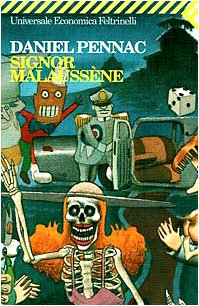
Daniel Pennac is a world-renowned French author, well-known for children's books and light-hearted novels such as the Malaussene series. In School Blues, Pennac draws on his school days, where he was a self-described dunce, as well as his own teaching career, and discusses the problems of failing children and what can be done to help them.
It's certainly interesting to read of the childhood of a famed author and the influences that moulded him, but School Blues is really just a series of anecdotes about the struggles Pennac and others had to succeed at school. He fails to identify any real reason for his own problems - which presumably are the ones he knows best - attributing them merely to an inability to understand.
Pennac's book may be show more of general interest but it is not going to add to the knowledge of experienced educationalists, all of whom would be well aware of these issues. His conclusions are unenlightening and trite - effectively his only answer is that teachers need to love the failing students in their care. show less
It's certainly interesting to read of the childhood of a famed author and the influences that moulded him, but School Blues is really just a series of anecdotes about the struggles Pennac and others had to succeed at school. He fails to identify any real reason for his own problems - which presumably are the ones he knows best - attributing them merely to an inability to understand.
Pennac's book may be show more of general interest but it is not going to add to the knowledge of experienced educationalists, all of whom would be well aware of these issues. His conclusions are unenlightening and trite - effectively his only answer is that teachers need to love the failing students in their care. show less
Members
- Recently Added By
Author Information

95+ Works 13,154 Members
Some Editions
Awards and Honors
Series
Belongs to Publisher Series
Common Knowledge
- Canonical title
- School Blues
- Original title
- Chagrin d'école
- Original publication date
- 2007; 2010 (UK) (UK)
- Epigraph*
- Pour Minne, ô combien !
À Fanchon Delfosse, Pierre Arènes, José Rivaux, Philippe Bonneu, Ali Mehidi, Françoise Dousset et Nicole Harlé, sauveurs d’élèves s’il en fut.
Et à la mémoire de Jean Rolin,... (show all) qui ne désespéra jamais du cancre que j’étais. - First words*
- I
LA POUBELLE DE DJIBOUTI
Statistiquement tout s’explique, personnellement tout se complique
1
Commençons par l’épilogue : Maman, quasi cente naire, regardant un fi lm sur un auteur qu’ell... (show all)e connaît bien. [...] - Blurbers
- Morpurgo, Michael
- Original language*
- Français
*Some information comes from Common Knowledge in other languages. Click "Edit" for more information.
Classifications
Statistics
- Members
- 902
- Popularity
- 29,578
- Reviews
- 27
- Rating
- (3.47)
- Languages
- 10 — Catalan, Dutch, English, French, German, Italian, Portuguese, Russian, Spanish, Turkish
- Media
- Paper, Audiobook, Ebook
- ISBNs
- 39
- ASINs
- 11