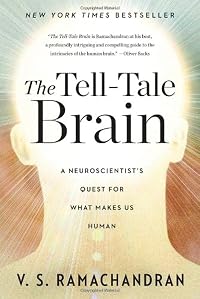
The Tell-Tale Brain: A Neuroscientist's Quest for What Makes Us Human
by V. S. Ramachandran
On This Page
Description
Ramachandran--the "Marco Polo of neuroscience"--reveals what baffling and extreme case studies can teach us about normal brain function and how it evolved. Among the topics he discusses are synesthesia as a window to creativity and autism as a springboard to understanding self-awareness.Tags
Recommendations



Member Recommendations
Member Reviews
my hackles are raised. Ramachandran seems to be one of those scientists that haven’t learned much about social science or woo. like Linus Pauling pushing for vitamin C as a cure-all or some physicists -brilliant as they might be in their own field- not understanding that “intelligent design” is not science. or it could be that he is just smug and priggish and full of hubris. “cheerleader” for the specialness of humans using his arbitrary and prejudiced benchmarks such as reading and laughing. he commits the most basic of social science mistakes: anthropocentrism. his writing is not unlike that of the stereotypical haughty intellectual academic often seen preening and prancing about in robes with smug superiority on his face as show more he seeks adulation through publication and elevation. the elite scholar in his ivory tower. i wonder if Oliver Sacks ever knew him? or if Ramachandran has ever read and actually understood the humble compassion and avid curiosity of Sacks?
and does he really believe in the 10% brain myth? a neuroscientist? if so, that pulls the rug out from under any modicum of respect i had for his expertise.
he immediately starts off by elevating humans above all other animals as something special and peculiar. he downplays people that talk about us “merely” being apes or saying we are “just” primates. he does not like that. his remark at the end of one paragraph did give me pause: “??? is just the secular version of original sin?” intriguing thought but i have to wonder more strongly whether or not he’s ever risen above the archaic belief that animals are beneath us, that saying we are “merely” animals is somehow the gravest of insults? like the sexism inherent in the time-dishonored “you throw like a girl,” or any insult towards a male that calls them a female. he seems to miss the point that qualifying words like “merely” and “just” might be in reaction to the still endemic belief that humankind has a manifest destiny over all animals and plants instead of us being part of the environment ourselves. they might be an attempt by those of us that understand humans are part of the terran environment just like the other Earthlings we share this planet with to build some humbleness into the conversation and combat that desiccated concept. i’m waiting to see if he mentions the “super natural” in relation to humankind. that we are somehow not part of it. he has said we are. that we can be both special and primates but the snooty air he exudes has me questioning his prejudices.
--
three years later… i’ve finished the book. not because it was a slog but due to pressures in life outside of the book.
i’m happy to report that he toned down whatever hubris or self-aggrandizement i was seeing in the initial chapter. the later chapters are well-written and the studies, principles, and anecdotes contained therein are spot on. they highlight intriguing aspects of the human neurosystem that pertain to consciousness, mind, and self. he posits numerous hypotheses that are always backed up by evidence. in the vein of a good scientist, if his speculations are based on just a few trials or observations, he clearly states that this is so, not seeking to promote these ideas as fact but as pathways with potential. in the end, when he does openly speculate, he states it plainly that he might be totally wrong-headed about it all but that good science often seeks to substantiate or refute preconceived notions and that can lead to real insight.
unlike Sacks, Ramachandran walks us through the neurology and brain function of things in detail - but not enough to turn off non-scientists, i don’t think. he does tell tales of individual patients and their plights but they are are central to the narrative as they would be in Sacks’s stories. no, Ramachandran uses them as illustrations of where many hypotheses and theories come from and as evidence for where they might go. he draws heavily on evolutionary theory and genetics but does not neglect the effects of the environment and, most importantly, the free will and choices of individual minds on personality and even brain wiring itself. so many people - even professionals and experts - fail to recognize the power of the will. the choices you make can and do affect the arrangement and function of your nervous system. Ramachandran recognizes and respects that fact while never losing sight that those choices can be influenced and even directed by the very neurocircuits they are coming from. in fact, when speaking about language, he talks about the essential importance of the recursive nature of language and i think this extends into the neuronal realm as well.
it’s a thought-provoking, educational book, and accessible-to-non-experts book. it certainly has broadened my own model of consciousness and the brain. show less
and does he really believe in the 10% brain myth? a neuroscientist? if so, that pulls the rug out from under any modicum of respect i had for his expertise.
he immediately starts off by elevating humans above all other animals as something special and peculiar. he downplays people that talk about us “merely” being apes or saying we are “just” primates. he does not like that. his remark at the end of one paragraph did give me pause: “??? is just the secular version of original sin?” intriguing thought but i have to wonder more strongly whether or not he’s ever risen above the archaic belief that animals are beneath us, that saying we are “merely” animals is somehow the gravest of insults? like the sexism inherent in the time-dishonored “you throw like a girl,” or any insult towards a male that calls them a female. he seems to miss the point that qualifying words like “merely” and “just” might be in reaction to the still endemic belief that humankind has a manifest destiny over all animals and plants instead of us being part of the environment ourselves. they might be an attempt by those of us that understand humans are part of the terran environment just like the other Earthlings we share this planet with to build some humbleness into the conversation and combat that desiccated concept. i’m waiting to see if he mentions the “super natural” in relation to humankind. that we are somehow not part of it. he has said we are. that we can be both special and primates but the snooty air he exudes has me questioning his prejudices.
--
three years later… i’ve finished the book. not because it was a slog but due to pressures in life outside of the book.
i’m happy to report that he toned down whatever hubris or self-aggrandizement i was seeing in the initial chapter. the later chapters are well-written and the studies, principles, and anecdotes contained therein are spot on. they highlight intriguing aspects of the human neurosystem that pertain to consciousness, mind, and self. he posits numerous hypotheses that are always backed up by evidence. in the vein of a good scientist, if his speculations are based on just a few trials or observations, he clearly states that this is so, not seeking to promote these ideas as fact but as pathways with potential. in the end, when he does openly speculate, he states it plainly that he might be totally wrong-headed about it all but that good science often seeks to substantiate or refute preconceived notions and that can lead to real insight.
unlike Sacks, Ramachandran walks us through the neurology and brain function of things in detail - but not enough to turn off non-scientists, i don’t think. he does tell tales of individual patients and their plights but they are are central to the narrative as they would be in Sacks’s stories. no, Ramachandran uses them as illustrations of where many hypotheses and theories come from and as evidence for where they might go. he draws heavily on evolutionary theory and genetics but does not neglect the effects of the environment and, most importantly, the free will and choices of individual minds on personality and even brain wiring itself. so many people - even professionals and experts - fail to recognize the power of the will. the choices you make can and do affect the arrangement and function of your nervous system. Ramachandran recognizes and respects that fact while never losing sight that those choices can be influenced and even directed by the very neurocircuits they are coming from. in fact, when speaking about language, he talks about the essential importance of the recursive nature of language and i think this extends into the neuronal realm as well.
it’s a thought-provoking, educational book, and accessible-to-non-experts book. it certainly has broadened my own model of consciousness and the brain. show less
ვილიანურ რამაჩანდრანის the tell-tale brain (ელეგანტური თარგმანი ვერ მოვნახე, ამიტომ ისევ ინგლისურად დავწერე)არაჩვეულებრივი მოგზაურობაა ადამიანის გონებასა და ცნობიერებაში. ეს არის ნეირომეცნიერის მთავარი კითხვა და ძიების მიმართულება: რას ნიშნავს იყო ადამიანი? სად იქმნება ცნობიერება? show more პირადად ჩემი სიმპათია მეცნიერების მიმართ ასტრონომიიდან დაიწყო, სწორედ აქ ისმოდა ყველაზე დიდი კითხვები,სად ვცხოვობთ ჩვენ? როგორია ჩვენი კოსმოსური სახლი? როგორია მთელი უნივერსუმი? ეს მართლაც უდიდესი კითხვებია. მაგრამ რატომ ან როგორ ვსვამთ ამ კითხვებს? როგორ ვაცნობიერებთ იმას რომ ვაცნობიერებთ? ეს ალბათ კიდევ უფრო სიღრმისეულია, რამაჩანდრანი უფრო ლამაზად გადმოსცემს წინასიტყვაობაში იმას რისი თქმაც მინდა: "განსაკუთრებით შთამაგონებელია ის რომ ნებისმიერი ცალკეული ტვინი, თქვენი ტვინის ჩათვლით, შედგება ატომებისგან, რომლებიც ჩამოყალიბდნენ უთვალავ შორეულ ვარსკვლავთა გულებში, მილიარდობით წლის უკან. ეს ნაწილაკები ლივლივებდნენ მარადისობაში და სინათლის წლების ნამძილზე სანამ შემთხვევითობამ და გრავიტაციამ არ შეკრა ისინი ერთად. ახლა ისინი ქმნიან კონგლომერატს - თქვენ ტვინს - რომელსაც არა მარტო შეუძლია იმ ვარსკვლავებზე დაფიქრება რომელმაც სიცოცხლე მისცა, არამედ ფიქრი იმაზეც რომ ფიქრი შეუძლია და ასევე შეუძლია აღფრთოვანდეს საკუთარი აღფრთოვანების შესაძლებლობაზე.ნათქვამია რომ ადამიანის გაჩენით სამყარო უცებ ცნობიერი გახდა საკუთარი თავის შესახებ. ეს ნამდვილად ყველა დროის ყველაზე დიდი მისტერიაა."
წიგნის მეშვეობით უამრავ საინტერესო რამეს გაიგებთ ტვინზე. დაწყებული მისი ანატომიიდან დამთავრებული უცნაური სინდრომებით და ილუზიებით, რასაც გარკვეული უბნების დაზიანება იწვევს. რამაჩანდრანის ძიების მიმართულებაც ამ უცნაურ ილუზიებზე და სინდრომებზე გადის. რადგან ტვინის დარღვეული ფუნქციონირება გვასწავლის იმასაც თუ როგორ ფუნქციონირებს ნორმალური ტვინი. რატომ არსებობს ისეთი უცნაური შემთხვევები როგორიცაა ფანტომური კიდური და შესაბამისად ფანტომური კიდურის ტკივილი? რა საფუძველი აქვს კაპგრასის სინდრომს? როდესაც პაციენტს გონია რომ მისი ოჯახის წევრები არ არიან ნამდვილები. რა იწვევს OOBE-ს? (Out of body experience) ილუზიას რომლის დროსაც ადამიანს ეჩვენება რომ დატოვა სხეული? და კიდევ უამრავი უცნაური და საინტერესო ილუზია. ზოგს ღმერთი გონია თავი, ზოგი ირწმუნება რომ მისი ხელი დედამისს ეკუთვნის, ზოგი ფანტომურ ტყუპისცალსაც კი გრძნობს. ზოგიერთნი კი ნოტებს ფერებად აღიქვამენ ანდაც ხელის შეხებით გრძნოენ გემოს. რას აღარ შეხვდები, ზოგიერთ ტრანსექსუალ ქალს ფანტომური პენისი და ერექციაც კი აქვს.
ეს ხალხი სრულებით არაა შეშლილი, უმეტესად ისინი სრულიად ნორმალურ ჭკუაზე არიან. ზოგიერთ ილუზიას და სინდრომს ტვინის გარკვეული უბნების დაზიანება იწვევს, ზოგჯერ კი გარკვეულ გაუგებრობას აქვს ადგილი ტვინსა და სხვა ორგანოებს შორის. ხანდახან დაავადებების ბრალია.
რამაჩანდრანი გასაგებად ცდილობს ყველაფრის ახსნას ტვინის ანატომიის საფუძველზე.
წიგნში მნიშვნელოვანი ადგილი უკავია ხედვას და აღქმას, ასევე აუტიზმს, სინესთეზიას, ენის წარმოშობას და ევოლუციას, ძალიან საინტერესოა მეშვიდე და მერვე თავში განხილული ხელოვნების და ესთეტიკის საკითხები. ავტორის აზრით ესეთეტიკის აღქმას უნივერსალური კანონები აქვს. რომ ხელოვნებით ტკბობას განაპირობებს ულტრანორმალური სტიმული, რომელიც ხედვის და აღქმის უბნებშია ჩაქსოვილი.
რამაჩანდრანის ჰიპოთეზებში და თეორიებში დიდი ადგილი უკავია სარკულ ნეირონებს.სარკული ნეირონები ალბათ ისაა რამაც ადამიანებად გვაქცია. ისინი ყველა პრიმატს გააჩნია, მაგრამ მხოლოდ ადამიანში მიაღწია იმ სირთულეს რასაც თვით ცნობიერება ქვია.
მიუხედავად იმისა რომ ტვინზე უამრავი ინფორმაცია გვაქვს, ჯერ კიდევ მისი მუშაობის უდიდესი ნაწილი ამოსახნელია.ავტორი სინანულით აღნიშნავს "და მაინც რამდენი რამ არ ვიცით ტვინის შესახებ" ასევე დასძენს რომ ნეირომეცნიერება დღეს იმ დონეზეა როგორც ქიმია მეცხრამეტე საუკუნეში. როცა მეცნიერები ხვდებოდნენ რომ რაღაც წესები არსებობდა ელემენტების დასახარისხებლად მაგრამ მენდელეევის ტაბულა ჯერ არ ქონდათ აღმოჩენილი.
მოკლედ მე ძალიან კმაყოფილი ვარ წიგნით. ალბათ კიდევ რამდენჯერმე წავიკითხავ რომ მთელი ეს საინტერესო ინფორმაცია, უამრავი კავშირები ტვინში, უამრავი სინდრომები, ილუზიები და თეორიები კარგად შევინახო ტვინის უჯრედებში. თქვენ კი ვისაც გაგიჩნდათ წიგნის წაკითხვის სურვილი დამატებით გირჩევთ რამაჩანდრანის ვიდეო საუბარს ტედზე. (TED) იუთუბში შეგიძლიათ მონახოთ საძიებო სიტყვებით: VS Ramachandran: 3 clues to understanding your brain. ვიდეოში მოკლედ არის იმ თემებზე საუბარი რაც წიგნში ფართოდაა გაშლილი. show less
წიგნის მეშვეობით უამრავ საინტერესო რამეს გაიგებთ ტვინზე. დაწყებული მისი ანატომიიდან დამთავრებული უცნაური სინდრომებით და ილუზიებით, რასაც გარკვეული უბნების დაზიანება იწვევს. რამაჩანდრანის ძიების მიმართულებაც ამ უცნაურ ილუზიებზე და სინდრომებზე გადის. რადგან ტვინის დარღვეული ფუნქციონირება გვასწავლის იმასაც თუ როგორ ფუნქციონირებს ნორმალური ტვინი. რატომ არსებობს ისეთი უცნაური შემთხვევები როგორიცაა ფანტომური კიდური და შესაბამისად ფანტომური კიდურის ტკივილი? რა საფუძველი აქვს კაპგრასის სინდრომს? როდესაც პაციენტს გონია რომ მისი ოჯახის წევრები არ არიან ნამდვილები. რა იწვევს OOBE-ს? (Out of body experience) ილუზიას რომლის დროსაც ადამიანს ეჩვენება რომ დატოვა სხეული? და კიდევ უამრავი უცნაური და საინტერესო ილუზია. ზოგს ღმერთი გონია თავი, ზოგი ირწმუნება რომ მისი ხელი დედამისს ეკუთვნის, ზოგი ფანტომურ ტყუპისცალსაც კი გრძნობს. ზოგიერთნი კი ნოტებს ფერებად აღიქვამენ ანდაც ხელის შეხებით გრძნოენ გემოს. რას აღარ შეხვდები, ზოგიერთ ტრანსექსუალ ქალს ფანტომური პენისი და ერექციაც კი აქვს.
ეს ხალხი სრულებით არაა შეშლილი, უმეტესად ისინი სრულიად ნორმალურ ჭკუაზე არიან. ზოგიერთ ილუზიას და სინდრომს ტვინის გარკვეული უბნების დაზიანება იწვევს, ზოგჯერ კი გარკვეულ გაუგებრობას აქვს ადგილი ტვინსა და სხვა ორგანოებს შორის. ხანდახან დაავადებების ბრალია.
რამაჩანდრანი გასაგებად ცდილობს ყველაფრის ახსნას ტვინის ანატომიის საფუძველზე.
წიგნში მნიშვნელოვანი ადგილი უკავია ხედვას და აღქმას, ასევე აუტიზმს, სინესთეზიას, ენის წარმოშობას და ევოლუციას, ძალიან საინტერესოა მეშვიდე და მერვე თავში განხილული ხელოვნების და ესთეტიკის საკითხები. ავტორის აზრით ესეთეტიკის აღქმას უნივერსალური კანონები აქვს. რომ ხელოვნებით ტკბობას განაპირობებს ულტრანორმალური სტიმული, რომელიც ხედვის და აღქმის უბნებშია ჩაქსოვილი.
რამაჩანდრანის ჰიპოთეზებში და თეორიებში დიდი ადგილი უკავია სარკულ ნეირონებს.სარკული ნეირონები ალბათ ისაა რამაც ადამიანებად გვაქცია. ისინი ყველა პრიმატს გააჩნია, მაგრამ მხოლოდ ადამიანში მიაღწია იმ სირთულეს რასაც თვით ცნობიერება ქვია.
მიუხედავად იმისა რომ ტვინზე უამრავი ინფორმაცია გვაქვს, ჯერ კიდევ მისი მუშაობის უდიდესი ნაწილი ამოსახნელია.ავტორი სინანულით აღნიშნავს "და მაინც რამდენი რამ არ ვიცით ტვინის შესახებ" ასევე დასძენს რომ ნეირომეცნიერება დღეს იმ დონეზეა როგორც ქიმია მეცხრამეტე საუკუნეში. როცა მეცნიერები ხვდებოდნენ რომ რაღაც წესები არსებობდა ელემენტების დასახარისხებლად მაგრამ მენდელეევის ტაბულა ჯერ არ ქონდათ აღმოჩენილი.
მოკლედ მე ძალიან კმაყოფილი ვარ წიგნით. ალბათ კიდევ რამდენჯერმე წავიკითხავ რომ მთელი ეს საინტერესო ინფორმაცია, უამრავი კავშირები ტვინში, უამრავი სინდრომები, ილუზიები და თეორიები კარგად შევინახო ტვინის უჯრედებში. თქვენ კი ვისაც გაგიჩნდათ წიგნის წაკითხვის სურვილი დამატებით გირჩევთ რამაჩანდრანის ვიდეო საუბარს ტედზე. (TED) იუთუბში შეგიძლიათ მონახოთ საძიებო სიტყვებით: VS Ramachandran: 3 clues to understanding your brain. ვიდეოში მოკლედ არის იმ თემებზე საუბარი რაც წიგნში ფართოდაა გაშლილი. show less
Breezy, fun, and very insightful tour of new discoveries in neurology, with an Oliver Sacks-ian focus on interesting neurological disorders, and on mirror neurons. Ramachandran writes (and thinks) in an affable, optimistic, folksy way. This would sound annoying in a pure pop-science writer, but Ramachandran is an experienced researcher, and his examples and explanations have that quality of instant clarification. In a single throwaway remark, he can open a very wide door of interest. (Would watching a horror movie stop a panic attack? Are puns the opposite of metaphors?)
One slightly unfortunate side effect of his casual, playful tone is that he often reaches for humor—which is fine in itself, but his jokes are quite bad. They're show more grade-A uncle-joke material, corny and slightly inappropriate in a way that makes you want to go "yeeeah we don't say that anymore". Ramachandran isn't quite as caring and sensitive as Sacks in his attitude toward his patients, but he seems sensitive enough that I'm sure he's a nice dude. I just wish he'd lay off the wonky jokes.
Another slightly problematic area is his attempt at analysis of the building blocks of art and art appreciation. He ties them to basic aspects of visual processing: symmetry, contrast, etc. and some higher-level stuff (metaphor). This is all fine, and I'm in agreement; however, he stops a bit short, only noting in passing other qualities of art (such as ego and social effects). This is partly due to a focus on visual art; true, we humans are visual creatures, but not exclusively so. It could be neat if Ramachandran approached music and literature with the same neurologically-minded mind. Like 'Musicophilia', but a bit more academically strict.
It's a very fun book to power through, and I'm looking forward to more. show less
One slightly unfortunate side effect of his casual, playful tone is that he often reaches for humor—which is fine in itself, but his jokes are quite bad. They're show more grade-A uncle-joke material, corny and slightly inappropriate in a way that makes you want to go "yeeeah we don't say that anymore". Ramachandran isn't quite as caring and sensitive as Sacks in his attitude toward his patients, but he seems sensitive enough that I'm sure he's a nice dude. I just wish he'd lay off the wonky jokes.
Another slightly problematic area is his attempt at analysis of the building blocks of art and art appreciation. He ties them to basic aspects of visual processing: symmetry, contrast, etc. and some higher-level stuff (metaphor). This is all fine, and I'm in agreement; however, he stops a bit short, only noting in passing other qualities of art (such as ego and social effects). This is partly due to a focus on visual art; true, we humans are visual creatures, but not exclusively so. It could be neat if Ramachandran approached music and literature with the same neurologically-minded mind. Like 'Musicophilia', but a bit more academically strict.
It's a very fun book to power through, and I'm looking forward to more. show less
An excellent science book. The author beautifully straddles the neuroscientist & storyteller roles with a rare skill of making complex material easy to understand & compelling, leaving you much richer for the experience.
the first four chapters were brilliant. insightful, clear, humorous. then the author strayed beyond his expertise and into the roots of language, autism, art. here he left so many holes in his arguments, and used so much opinion in place of fact or even scientific speculation, that I ended up disappointed with the book. stop after the first four or five chapters and then skip to the last chapter and the epilogue for an excellent read.
I was set to be totally enthralled but ended up disappointed. In the beginning the author seemed to be viewing and thinking very broadly across numerous disciplines and making startling and insightful conjectures. With time, certain blind spots became evident. He pooh poohed psychoanalysis using an antiquated picture of it when it could have been easily encompassed as one of several ways to enhance connections between neurons. Considering that it often works, it should be incorporated into a picture of how the brain works. Also as he got to more speculative topics, his leaps of conjecture were made on such flimsy evidence that it didn't seem worth making them.
Published in January of 2011. Most Amazing, insightful stuff from a new hero of mine in the neuroscience field. His writing is readable and exciting. Lots of science and case studies for the general reader and not dummied down to the point of a kid’s book. If you like Oliver Sack’s books, this guy is for you. Look for his lectures online. His delivery is exasperatingly brilliant.
Members
- Recently Added By
Published Reviews
ThingScore 50
"{T}he book is packed with other evidence that neuroscience has made illuminating progress in recent years. Reading such accounts of exactly what our brains get up to is apt to leave one with the disconcerting thought that they are often a lot cleverer than their owners realize. "
added by lorax
Lists

Best Science Books for Non-Scientists
113 works; 57 members

Popular science books mentioned on WNYC Radiolab show
9 works; 3 members

Books That Changed Me
158 works; 47 members

Non-Fiction Worth Reading
1,015 works; 254 members

Books With Body Parts in the Title
153 works; 9 members
Books That Changed Our Perspective
423 works; 168 members
Author Information

12+ Works 3,899 Members
V. S. Ramachandran is the director of the Center for Brain and Cognition and a professor with the Psychology Department and Neurosciences Program at the University of California, San Diego. He lives in Del Mar, California.
Awards and Honors
Awards
Distinctions
Notable Lists
Common Knowledge
- Canonical title*
- L'uomo che credeva di essere morto e altri casi clinici sul mistero della natura umana
- Original title
- The Tell-Tale Brain: A Neuroscientist's Quest for What Makes Us Human
- Alternate titles
- Tell-Tale Brain
- Original publication date
- 2011
*Some information comes from Common Knowledge in other languages. Click "Edit" for more information.
Classifications
- Genres
- Nonfiction, Science & Nature, General Nonfiction
- DDC/MDS
- 616.8 — Applied science & technology Medicine & health Diseases, Allergies, Skin Conditions Nervous Disorders: Autism, Anorexia, OCD
- LCC
- RC351 .R25 — Medicine Internal medicine Internal medicine Neurosciences. Biological psychiatry. Neuropsychiatry Neurology. Diseases of the nervous system
- BISAC
Statistics
- Members
- 1,027
- Popularity
- 25,249
- Reviews
- 21
- Rating
- (3.85)
- Languages
- 7 — Dutch, English, French, Italian, Portuguese, Russian, Spanish
- Media
- Paper, Audiobook, Ebook
- ISBNs
- 28
- UPCs
- 1
- ASINs
- 12