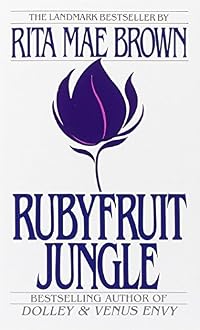
Rubyfruit Jungle
by Rita Mae Brown
On This Page
Description
Molly Bolt is the adoptive daughter of a dirt-poor Southern couple. Molly finds that women are drawn to her wherever she goes, and she refuses to apologize for loving them back.Tags
Recommendations
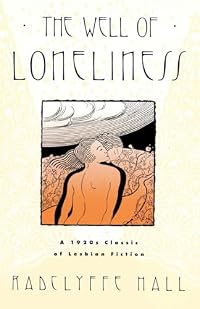
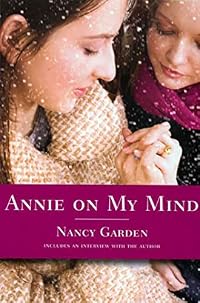
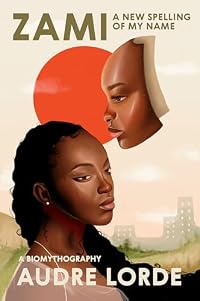
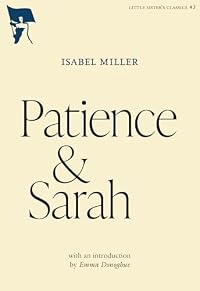
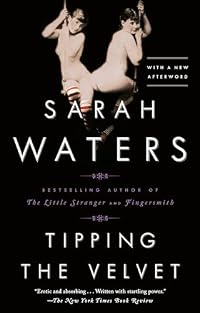
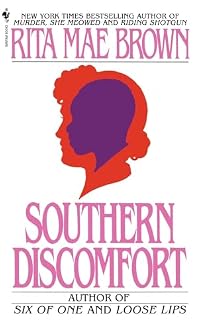

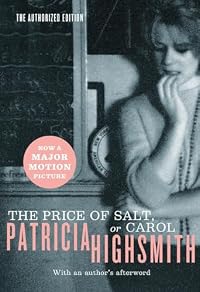






Member Recommendations
Member Reviews
This has been on my TBR for a while because of it's status within the queer community as a landmark. I was super excited to read it, but it wasn't exactly what I thought it would be. I love how unapologetic Molly is in her sexuality. Each of her relationships are so unique. The ending made me kinda sad, though I do find it's probably the most realistic way it could have ended.
I am 95% certain I read this in college, maybe high school? If I didn't, Molly Bolt is a character after my heart because I think I hate labels as much as she does. AND she lived in PA and FL -- ME TOO! Molly is a formidable character who isn't afraid to be herself and share her opinions -- even if they are controversial 50 years later.
This book is an entertaining and funny coming-of-age story (I read the first two pages aloud to Jesse because I need to share the antics of this enterprising 7-year-old) that will also raise those eyebrows - I mean, Rita, the incest? I could've done without. The late 60s/early 70s were a crazy time to write a book and Ms Brown put it all out there.
----------
Molly Bolt reminded me of one of my favorite show more coming-of-age heroines: Daisy Fay Harper from Daisy Fay and the Miracle Man by Fannie Flagg -- who was the partner of Rita Mae Brown in the late 70s. Apparently Rita outed Fannie! Both take place in the 50s/60s with a strong female MC that ends up in Florida for a time. I wonder how inspired Fannie was by Rubyfruit Jungle? show less
This book is an entertaining and funny coming-of-age story (I read the first two pages aloud to Jesse because I need to share the antics of this enterprising 7-year-old) that will also raise those eyebrows - I mean, Rita, the incest? I could've done without. The late 60s/early 70s were a crazy time to write a book and Ms Brown put it all out there.
----------
Molly Bolt reminded me of one of my favorite show more coming-of-age heroines: Daisy Fay Harper from Daisy Fay and the Miracle Man by Fannie Flagg -- who was the partner of Rita Mae Brown in the late 70s. Apparently Rita outed Fannie! Both take place in the 50s/60s with a strong female MC that ends up in Florida for a time. I wonder how inspired Fannie was by Rubyfruit Jungle? show less
I loved the main character for her ambition. Far too many books portray romance as the goal of womankind. This book was different, not because the main character loved women, but because she kind of didn't give a fuck about anything except furthering her career. She was observant about classism, sexism, racism, etc. I liked that she was written as a redneck who still had the sensitivity to care. She was an outcast in her film class. Everyone else was doing ridiculous gonzo pieces with no heart, but she chose to do a documentary on her mother. I thought that was really cool, and a fitting tribute to feminism, which is what this book was.
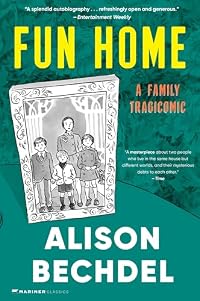
I’m always a sucker for a bildungsroman and this does not disappoint. The second half moves a little quickly, with a progression of interchangeable New York friends rejecting Molly for her lesbianism. But as a story of self making, it is easily above average. Doesn’t quite crack the top tier with Oranges are Not the Only Fruit or Funhome or Good Morning Midnight because it’s ambitions never quite graduate to the universal and it’s language doesn’t quite reach the same poetry. But that’s elite company and not a knock.
I had been meaning to read this book FOREVER. So I finally picked it up for Sapphic September, and I am very sorry to say that I just did not vibe with this novel.
Molly is what, this matter-of-fact, hard-scrabble kid, raised in poverty with a not-great adoptive mother and somehow has no hangups about sex or something. And is also queer. Okay, great. But one of the whole themes in this story is how time and time again Molly is turned away from some vestige of security or some opportunity she has won becasue of other people's irrational prejudices about her relationships with women, but our dear Molly seems to never have a thought about her own prejudices, or any interest in community building or solidarity, she is just her one-woman show more island iconoclast whatever. And I get that her experiences would be very isolating, and it's not that she is ever really woe-is-me about her own situation, but she doesn't ever seem to acknowledge that anyone has it worse than her, either.
I can appreciate that this was groundbreaking in its time, and also why it might be important to a lot of people, but I personally found it ultimately frustrating. show less
Molly is what, this matter-of-fact, hard-scrabble kid, raised in poverty with a not-great adoptive mother and somehow has no hangups about sex or something. And is also queer. Okay, great. But one of the whole themes in this story is how time and time again Molly is turned away from some vestige of security or some opportunity she has won becasue of other people's irrational prejudices about her relationships with women, but our dear Molly seems to never have a thought about her own prejudices, or any interest in community building or solidarity, she is just her one-woman show more island iconoclast whatever. And I get that her experiences would be very isolating, and it's not that she is ever really woe-is-me about her own situation, but she doesn't ever seem to acknowledge that anyone has it worse than her, either.
I can appreciate that this was groundbreaking in its time, and also why it might be important to a lot of people, but I personally found it ultimately frustrating. show less
For as long as I can remember (in the ten years that I’ve been an out lesbian), Rubyfruit Jungle has appeared and been mentioned in countless places. Websites, books, magazines, and word-of-mouth all tout this unorthodox coming-of-age novel as The One Lesbian Novel You Must Read. I suspect that, in the ’70s when it was published, this was probably true. Reading it today, I found it to be, in a word, heavy-handed.
Rather than a carefully crafted story, Rubyfruit Jungle reads a bit like a piece of propaganda. It is as though the author is using this story to cover an essay of thinly veiled criticism of patriarchy and heteronormativity. Molly, the main character, is kicked out of college for being a lesbian and faces discrimination at show more work and school for being a woman. However, she never really seems to be emotionally or psychologically affected by this prejudice; she simply maintains a critical attitude. (In other words, Molly sounds like the author commenting on the misfortune that befalls her rather undeveloped character).
One thing I found interesting was Molly’s dislike of the butch/femme dynamic, and the butch way of presenting. In asserting her belief that lesbians should not emulate heterosexual relationship roles, Molly comes off as butch-phobic. I can understand where she’s coming from, but I also think that her opinion discounts the entirely acceptable masculine-of-center way of being. Again, though, my perspective is shaped by the 2010s, whereas Molly’s (and Brown’s) is a product of the 1970s. It’s interesting how LGBT culture has so drastically changed over the years.
There was one final aspect of this story that bothered me to no end: all of Molly’s lovers were “straight” until she met them! This is something that so rarely happens in real life that it just seemed ridiculous and unbelievable coincidental in the book. Every woman in whom Molly took an interest turned out to be down with girl-on-girl action. Ah, if only real life were like that.
I’m glad I read Rubyfruit Jungle for herstory’s sake, and for my own edification, and to better understand lesbian life in the ’70s. But it’s time we update our category of must-read lesbian novel. Let Rubyfruit remain part of the lesbian canon, but not as a story that is applicable to lesbian culture these days. Society has changed too much for that. show less
Rather than a carefully crafted story, Rubyfruit Jungle reads a bit like a piece of propaganda. It is as though the author is using this story to cover an essay of thinly veiled criticism of patriarchy and heteronormativity. Molly, the main character, is kicked out of college for being a lesbian and faces discrimination at show more work and school for being a woman. However, she never really seems to be emotionally or psychologically affected by this prejudice; she simply maintains a critical attitude. (In other words, Molly sounds like the author commenting on the misfortune that befalls her rather undeveloped character).
One thing I found interesting was Molly’s dislike of the butch/femme dynamic, and the butch way of presenting. In asserting her belief that lesbians should not emulate heterosexual relationship roles, Molly comes off as butch-phobic. I can understand where she’s coming from, but I also think that her opinion discounts the entirely acceptable masculine-of-center way of being. Again, though, my perspective is shaped by the 2010s, whereas Molly’s (and Brown’s) is a product of the 1970s. It’s interesting how LGBT culture has so drastically changed over the years.
There was one final aspect of this story that bothered me to no end: all of Molly’s lovers were “straight” until she met them! This is something that so rarely happens in real life that it just seemed ridiculous and unbelievable coincidental in the book. Every woman in whom Molly took an interest turned out to be down with girl-on-girl action. Ah, if only real life were like that.
I’m glad I read Rubyfruit Jungle for herstory’s sake, and for my own edification, and to better understand lesbian life in the ’70s. But it’s time we update our category of must-read lesbian novel. Let Rubyfruit remain part of the lesbian canon, but not as a story that is applicable to lesbian culture these days. Society has changed too much for that. show less
This novelist makes a point that if you going to write a lesbian manifesto in the 1970s you must deal with raw sex in its multitude of possibilities. This is not porn cleverly hidden but a refreshing, open, clear eyed journey. Yes, parts described within might be called sleazy but this is far from being a sleazy book. Her main character wants to belong but on her terms. There is plenty of back bone and a certain jauntiness that makes this an enjoyable read.
Quotes: (page 49) “'Leota, you thought about getting married?'
'Yeah, I'll get married and have six children and wear aprons like my mother, only my husband will be handsome.'
'Who you gonna marry?'
'I don't know yet.'
'Why don't you marry me? I'm not handsome, but I'm pretty.'
'Girls show more can't get married.'
'Says who?'
'It's a rule.'
'It's a dumb rule. Anyway, you like me better than anybody, don't you? I like you better than anybody.'
'I like you best,but I still think girls can't get married.'”
(page 176) “'Fuck you. You have to throw in my face that you don't have that option, don't you. People like you make me sick, wearing your poverty like a badge of purity.'
'I didn't mean it to sound that way. Maybe I did sound self-righteous. Well, hell, I'd like to go to Paris myself or wherever. But all I'm trying to say is, don't make a ritual out of getting your head together, that's all,'” show less
Quotes: (page 49) “'Leota, you thought about getting married?'
'Yeah, I'll get married and have six children and wear aprons like my mother, only my husband will be handsome.'
'Who you gonna marry?'
'I don't know yet.'
'Why don't you marry me? I'm not handsome, but I'm pretty.'
'Girls show more can't get married.'
'Says who?'
'It's a rule.'
'It's a dumb rule. Anyway, you like me better than anybody, don't you? I like you better than anybody.'
'I like you best,but I still think girls can't get married.'”
(page 176) “'Fuck you. You have to throw in my face that you don't have that option, don't you. People like you make me sick, wearing your poverty like a badge of purity.'
'I didn't mean it to sound that way. Maybe I did sound self-righteous. Well, hell, I'd like to go to Paris myself or wherever. But all I'm trying to say is, don't make a ritual out of getting your head together, that's all,'” show less
Members
- Recently Added By
Lists

The Guardian's 1000 Novels Everyone Must Read
1,005 works; 546 members

Best Lesbian Fiction (And Narrative Non-Fiction)
155 works; 36 members

Favorite Coming of Age Novels.
164 works; 51 members

Pre-1969 LGBTQ Literature
182 works; 69 members

Female Author
1,235 works; 67 members
Female Protagonist
1,056 works; 56 members

Books Set in New York City
127 works; 21 members
20th Century Literature
1,161 works; 55 members

Best LGBT Fiction
144 works; 24 members

Publishing Triangle 100 Best Lesbian and Gay Novels
97 works; 6 members

Urban Fiction
74 works; 7 members

Good LGBT fiction for LGBT folk and friends
537 works; 50 members

Books About Girls
219 works; 17 members

Retrospective of 20th- and 21st-century literature
154 works; 1 member

Classics Book Club 2025
11 works; 1 member

Best Antiheroes and Antiheroines
119 works; 7 members

Penguin Random House
458 works; 4 members

Lesbian young adult fiction
50 works; 1 member

Will She Be a Feminist?
8 works; 1 member

Antiheroes
17 works; 3 members
Read These Too
458 works; 9 members

Queer Fiction (Owned TBR)
142 works; 1 member
Author Information

103+ Works 30,713 Members
Rita Mae Brown was born in Hanover, Pennsylvania, on November 28, 1944. She received an associate's degree from Broward Junior College in 1965, a B.A. in English and classics from New York University in 1968, a Cinematography Degree from the School of the Visual Arts in 1968, and a Ph.D. in English and political science from the Institute for show more Policy Studies in 1976. She was the writer-in-residence at the Women's Writing Center of Cazenovi College and a visiting instructor teaching fiction writing at the University of Virginia. After publishing two books of poetry, she published her first novel, Rubyfruit Jungle, in 1973. Her works include The Hand that Cradles the Rock, Sudden Death, Venus Envy, Loose Lips, and Rita Will: Memoir of a Literary Rabble-Rouser. She writes the Mrs. Murphy Mystery series and Foxhunting Mysteries series. She also writes screenplays and teleplays including Sweet Surrender, Room to Move, Table Dancing, and The Long Hot Summer. Her work on TV earned several Emmy nominations and she received the Writers Guild of America Award for Best Variety Show in 1982 for I Love Liberty. (Bowker Author Biography) Rita Mae Brown is the author of many novels, including "Outfoxed" & "Loose Lips". She & her collaborator, Sneaky Pie Brown, have written eight previous Mrs. Murphy mysteries, most recently "Pawing Through the Past". (Publisher Provided) show less
Some Editions
Awards and Honors
Awards
Notable Lists
Greatest Books algorithm (1550)
Series
Belongs to Publisher Series
Work Relationships
Is contained in
Is abridged in
Has as a student's study guide
Common Knowledge
- Canonical title*
- Rubyfruit jungle
- Original title
- Rubyfruit Jungle
- Alternate titles*
- Rubyfruit jungle : de avonturen van Molly Bolt
- Original publication date
- 1973
- People/Characters
- Molly Bolt; Leota B. Bisland; Carolyn Simpson; Carl Bolt; Carrie Bolt
- Important places
- New York, New York, USA
- Dedication
- Dedicated to
ALEXIS SMITH
Actress, Wit, Beauty, Cook, Kindheart, Irreverent Observer of Political Phenomena, Etc. If I were to list her outstanding qualities, you, dear reader, would be exhausted before you get to... (show all) page one. So let me just say the abovementioned woman took the time to give me a playful push in the direction of my typewriter. Of course, after you read the book, you may wish that she had pushed me in front of something moving faster than a typewriter. - First words
- No one remembers her beginnings.
- Quotations
- Leroy bet me I couldn't find a pot of gold at the end, and I told him that was a stupid bet because the rainbow was enough.
- Last words
- (Click to show. Warning: May contain spoilers.)But if it does take that long then watch out world because I'm going to be the hottest fifty-year-old this side of Mississippi.
- Original language*
- Engels
- Canonical DDC/MDS
- 813.54
- Canonical LCC
- PS3552.R698
*Some information comes from Common Knowledge in other languages. Click "Edit" for more information.
Classifications
Statistics
- Members
- 3,590
- Popularity
- 4,515
- Reviews
- 72
- Rating
- (3.66)
- Languages
- 10 — Danish, Dutch, English, German, Hebrew, Italian, Norwegian (Bokmål), Polish, Spanish, Swedish
- Media
- Paper, Audiobook, Ebook
- ISBNs
- 57
- ASINs
- 24