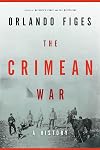
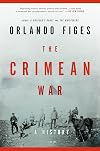
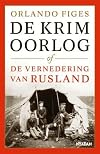
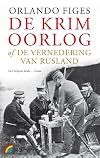
The Crimean War: A History
by Orlando Figes
On This Page
Description
From "the great storyteller of modern Russian historians" comes the definitive account of the Crimean War, a forgotten war that shaped the modern age. Figes reconstructs the first full conflagration of modernity, a global industrialized struggle fought with unusual ferocity and incompetence.Tags
Recommendations






Member Reviews
É famoso o praguejar do Capitão Haddock, popular personagem de Hergé. Entre as expressões que utiliza estão Bashi Bazouks e Zouaves. Para o leitor de hoje das Aventuras de Tintin são expressões cómicas e enigmáticas mas para o leitor das aventuras á data em que foram publicadas elas eram facilmente identificáveis e reportavam a personagens de um passado recente da Guerra da Crimeia.
Ela é, para o mundo de hoje, uma guerra algures num passado longínquo, difícil de colocar num mapa e de objectivos misteriosos.
Para alguns autores – Karl Polanyi, por exemplo- a Guerra da Crimeia terá sido um acontecimento mais ou menos colonial.
Orlando Figes, sólido historiador, dá-nos agora “Crimea e diz-nos que ela foi muito mais do show more que isso. A juntar á extensa bibliografia inglesa e francesa – uma outra obra interessante é “La guerre de Crimée”, Alain Gouttman, Tempus – sobre o tema, Figes acede a novas fontes russas, francesas, inglesas e otomanas para dar nova luz ás razões religiosas, políticas, económicas e culturais que determinaram o envolvimento das diversas nações na guerra.
A Guerra da Crimeia – Vostochnaia voina, a Guerra do Levante, como a chamam os russos – foi para os nossos antepassados do século XIX o maior e o mais marcante conflito das suas vidas. Foi uma imensa matança de resultados irrisórios. Sendo impossível contabilizar as vítimas civis, só as militares causadas pelos combates ou pelos ferimentos e doenças foram mais de 750 000.
Foi a primeira guerra da eram moderna, com novas armas, novas tecnologias, novos meios de transporte e de logística. Foi o campo de ensaio para a guerra de trincheiras da 1ª Guerra Mundial e aquela em que, pela primeira vez, a imprensa e a opinião intervieram directamente no conflito
Teve os seus heróis e os seus mitos como foi a “Carga da Brigada Ligeira”, consagrada no poema de Tennyson e a “Senhora da Lanterna”, Florence Nightingale.
Nos capítulos iniciais, Orlando Figes dá um panorama da situação política nos diversos países, as suas teias de relações de interesses e a personalidade dos seus principais personagens.
O ponto de partida foi a questão da Terra Santa: católicos e latinos (apoiados pela França) enfrentavam os gregos ortodoxos (apoiados pela Rússia) para decidir quem teria o controlo da Igreja do Santo Sepulcro de Jerusalém e da Igreja da Natividade, em Belém. E é neste capítulos iniciais que é desenvolvida a tese, ignorada ou menorizada por muitos autores, da importância da questão religiosa no século XIX e como esta era sempre permanente na Questão do Levante. São capítulos de análise lúcida e convincente.
O estilo a que Orlando de Figes nos habituou em obras anteriores surge em pleno com a descrição do início da guerra e dos combates. Do nevoeiro do passado dos diários dos soldados, das cartas pessoais e dos relatórios militares, surgem as vozes pessoais dos diversos participantes no conflito.
Falam das tragédias da vida diária, dos mortos e feridos, da imensa carnagem, das condições abomináveis para apoio aos feridos, das arrogância e dos erros dos comandos. Ouvimos as vozes das opiniões públicas russas, inglesas e otomanas quando recebiam as notícias dos combates, da inacção da guerra de trincheiras e as listas com os milhares de mortes. Lá nos aparecem os Bashi Bazouks e os Zuoaves.
Os relatos dos combates naquela longínqua parte do mundo chegavam poucas horas ou dias depois de terem acontecido fazendo evoluir com rapidez a opinião pública e as acções dos dirigentes políticos.
Terminados os combates, declarado o cessar-fogo, assinaram-se os tratados para definir as partilhas dos despojos da guerra que poucas alterações provocaram no mapa da Europa.
Os excelentes capítulos finais mostram como se organizaram as relações internacionais no pós-guerra e como o caminho ficou aberto para os novos campos de morte num novo matadouro europeu.
Salientam-se as imensas emigrações forçadas e o desenraizamento de grupos étnicos e religiosos. Foram, desde logo, os tártaros na Crimeia mas também os gregos, os polacos, os cristãos arménios, os circassianos, os abkhazes e outros grupos muçulmanos.
Sobre um império otomano fraco saltaram franceses e inglesas impondo os seus mercados, os seus produtos e sua maneira de vida. A abertura ás ideias do ocidente pelo império otomano gerou conflitos por toda a região que ainda hoje assistimos.
O ressentimento russo contra o ocidente assenta neste período as suas raízes e na Rússia de Putin são hoje recuperados muitos dos personagens de então.
Excelente análise histórica com um estilo atraente esta “Crimea” show less
Ela é, para o mundo de hoje, uma guerra algures num passado longínquo, difícil de colocar num mapa e de objectivos misteriosos.
Para alguns autores – Karl Polanyi, por exemplo- a Guerra da Crimeia terá sido um acontecimento mais ou menos colonial.
Orlando Figes, sólido historiador, dá-nos agora “Crimea e diz-nos que ela foi muito mais do show more que isso. A juntar á extensa bibliografia inglesa e francesa – uma outra obra interessante é “La guerre de Crimée”, Alain Gouttman, Tempus – sobre o tema, Figes acede a novas fontes russas, francesas, inglesas e otomanas para dar nova luz ás razões religiosas, políticas, económicas e culturais que determinaram o envolvimento das diversas nações na guerra.
A Guerra da Crimeia – Vostochnaia voina, a Guerra do Levante, como a chamam os russos – foi para os nossos antepassados do século XIX o maior e o mais marcante conflito das suas vidas. Foi uma imensa matança de resultados irrisórios. Sendo impossível contabilizar as vítimas civis, só as militares causadas pelos combates ou pelos ferimentos e doenças foram mais de 750 000.
Foi a primeira guerra da eram moderna, com novas armas, novas tecnologias, novos meios de transporte e de logística. Foi o campo de ensaio para a guerra de trincheiras da 1ª Guerra Mundial e aquela em que, pela primeira vez, a imprensa e a opinião intervieram directamente no conflito
Teve os seus heróis e os seus mitos como foi a “Carga da Brigada Ligeira”, consagrada no poema de Tennyson e a “Senhora da Lanterna”, Florence Nightingale.
Nos capítulos iniciais, Orlando Figes dá um panorama da situação política nos diversos países, as suas teias de relações de interesses e a personalidade dos seus principais personagens.
O ponto de partida foi a questão da Terra Santa: católicos e latinos (apoiados pela França) enfrentavam os gregos ortodoxos (apoiados pela Rússia) para decidir quem teria o controlo da Igreja do Santo Sepulcro de Jerusalém e da Igreja da Natividade, em Belém. E é neste capítulos iniciais que é desenvolvida a tese, ignorada ou menorizada por muitos autores, da importância da questão religiosa no século XIX e como esta era sempre permanente na Questão do Levante. São capítulos de análise lúcida e convincente.
O estilo a que Orlando de Figes nos habituou em obras anteriores surge em pleno com a descrição do início da guerra e dos combates. Do nevoeiro do passado dos diários dos soldados, das cartas pessoais e dos relatórios militares, surgem as vozes pessoais dos diversos participantes no conflito.
Falam das tragédias da vida diária, dos mortos e feridos, da imensa carnagem, das condições abomináveis para apoio aos feridos, das arrogância e dos erros dos comandos. Ouvimos as vozes das opiniões públicas russas, inglesas e otomanas quando recebiam as notícias dos combates, da inacção da guerra de trincheiras e as listas com os milhares de mortes. Lá nos aparecem os Bashi Bazouks e os Zuoaves.
Os relatos dos combates naquela longínqua parte do mundo chegavam poucas horas ou dias depois de terem acontecido fazendo evoluir com rapidez a opinião pública e as acções dos dirigentes políticos.
Terminados os combates, declarado o cessar-fogo, assinaram-se os tratados para definir as partilhas dos despojos da guerra que poucas alterações provocaram no mapa da Europa.
Os excelentes capítulos finais mostram como se organizaram as relações internacionais no pós-guerra e como o caminho ficou aberto para os novos campos de morte num novo matadouro europeu.
Salientam-se as imensas emigrações forçadas e o desenraizamento de grupos étnicos e religiosos. Foram, desde logo, os tártaros na Crimeia mas também os gregos, os polacos, os cristãos arménios, os circassianos, os abkhazes e outros grupos muçulmanos.
Sobre um império otomano fraco saltaram franceses e inglesas impondo os seus mercados, os seus produtos e sua maneira de vida. A abertura ás ideias do ocidente pelo império otomano gerou conflitos por toda a região que ainda hoje assistimos.
O ressentimento russo contra o ocidente assenta neste período as suas raízes e na Rússia de Putin são hoje recuperados muitos dos personagens de então.
Excelente análise histórica com um estilo atraente esta “Crimea” show less
Excellent. This is actually three books. The first one--up to p. 140 or so--is about the origins of the Crimean war. At the Church of the Holy Sepulcher in Jerusalem Catholic and Orthodox Christians would fight each other to the death for the right to, say, be the first to celebrate the Easter Mass. Disingenuously, Nicholas I of Russia used a concern for the Orthodox living under Turkish rule as an opportunity for imperialist expansion. He really wanted to partition Turkey. Russophobic Britain was having none of it. They believed, not without reason, that Russia wanted India. This pushed them into an alliance with France to challenge Russia when it occupied the Danubian Principalities, Ottoman territory.
The second book is an account of show more the conflict itself, which was brutal and marked by an appalling lack of planning and leadership on all but the French side. For the British it devolves to the point of travesty. The incompetence of British officers leaves one astonished, gaping. For example, no provision was made for the Crimea's harsh winter because they thought it would be a short campaign. When the harsh weather came the ensuing tragedy had to make headlines in London before asses were gotten in gear and the appropriate supplies made available. By then of course it was too late for the first winter. The tommies in their made-for-summer tents, soaked through for months at a time, died in their thousands.
The third and final book is on the aftermath of the war. How it affected the principal combatants (France, Britain, Russia, Turkey) economically and politically. Russia's humiliating loss became a significant factor in her decision to free the serfs. One can't after all fight with an army of slaves; there's a certain problem of motivation. Tolstoy was at the Siege of Sevastopol and his comments, taken from Sevastopal Sketches as well as his letters, deepen the book in surprising ways. The first great battle, fought in the fog at Balaclava, is a breathtaking read.
What I liked most was the way the book served as a linking narrative for me for many events I had read about--from Napoleon's Retreat from Moscow in 1812 through World War II. Written in simple, declarative prose there is little or no use of tedious novelistic devices. I warmly recommend The Crimean War. Now, if you would be so kind, please sign the Charter for Compassion at http://charterforcompassion.org.
Paix Peace мир barış show less
The second book is an account of show more the conflict itself, which was brutal and marked by an appalling lack of planning and leadership on all but the French side. For the British it devolves to the point of travesty. The incompetence of British officers leaves one astonished, gaping. For example, no provision was made for the Crimea's harsh winter because they thought it would be a short campaign. When the harsh weather came the ensuing tragedy had to make headlines in London before asses were gotten in gear and the appropriate supplies made available. By then of course it was too late for the first winter. The tommies in their made-for-summer tents, soaked through for months at a time, died in their thousands.
The third and final book is on the aftermath of the war. How it affected the principal combatants (France, Britain, Russia, Turkey) economically and politically. Russia's humiliating loss became a significant factor in her decision to free the serfs. One can't after all fight with an army of slaves; there's a certain problem of motivation. Tolstoy was at the Siege of Sevastopol and his comments, taken from Sevastopal Sketches as well as his letters, deepen the book in surprising ways. The first great battle, fought in the fog at Balaclava, is a breathtaking read.
What I liked most was the way the book served as a linking narrative for me for many events I had read about--from Napoleon's Retreat from Moscow in 1812 through World War II. Written in simple, declarative prose there is little or no use of tedious novelistic devices. I warmly recommend The Crimean War. Now, if you would be so kind, please sign the Charter for Compassion at http://charterforcompassion.org.
Paix Peace мир barış show less
Figes creates a sweeping political history of the Crimean War, drawing on his expertise in Russian history to do more than retell the standard myths. He places the war as a sort of tectonic event in the Eastern Question-the slow decay of the Ottoman Empire and the various actions of European powers to take advantage of that decay. For decades prior to the war, Russia had kept Turkey in what I can only describe as an abusive relationship-giving passports to Orthodox Ottoman subjects, carving off chunks of territory, and the like. Turkey played to the western powers, France and England, to counter Russian aggression, until finally in 1853 Tsar Nicolas pulled the trigger on the invasion. The politics are adeptly handled, and Figes has a show more real feeling for the pro and anti-war positions in each country.
However, as a military history, this book is distinctly weaker. Figes livens up the battles with plenty of firsthand accounts, including the immortal Tolstoy, but provides little insight into the minds of the commanders or soldiers. This is mostly what I wanted, since Crimea is in my opinion the stupidest war in history. The Charge of the Light Brigade barely begins to cover it: the Allies conducted TWO amphibious invasions without bothering to scout out the beaches first. In fact, scouting and intelligence seemed entirely absent from both sides of the war. The critical question, "Why invade Crimea at all? Why besiege Sevastopol at immense cost?" Is glossed over with a nod towards having sailed an army to Turkey and lost thousands of men to cholera, the Allies had to Do Something or lose the respect of their troops and the public. It may suffice to say that the commanders on both sides were amateurs, idiots, drunks, and on their deathbeds (all true), but it doesn't explain how they made so many godawful decisions.
In the end, after close to a million casualties on all sides, the system worked. Diplomacy prevented a wider war. France gained the most prestige. Britain many exemplars of the rising bourgeois morality. Russia lost some territory but also had a chance for half-hearted reforms. The Ottoman Empire got some breathing space and mostly used it to return to the status quo ante. Austria lost the most, despite avoiding the fighting, as its historic alliance with Russia was broken, and they had no allies to stop the rise of Germany and Italy from Austrian territory. The Eastern Question, Serbia, and Pan-Slavism remained unresolved, paving the way for World War 1 and the modern world.
And as an aside, what with current events circa 2014 and the Russian Annexation of Crimea, you might want to read more into this book than is warranted. All I can say is that there is a long long history of Westerners treating Russians as "savages and barbarians" and misreading Russian intentions. That said, do not underestimate the extent to which Sevastopol is holy ground to a certain type of pan-Slavic mystic. show less
However, as a military history, this book is distinctly weaker. Figes livens up the battles with plenty of firsthand accounts, including the immortal Tolstoy, but provides little insight into the minds of the commanders or soldiers. This is mostly what I wanted, since Crimea is in my opinion the stupidest war in history. The Charge of the Light Brigade barely begins to cover it: the Allies conducted TWO amphibious invasions without bothering to scout out the beaches first. In fact, scouting and intelligence seemed entirely absent from both sides of the war. The critical question, "Why invade Crimea at all? Why besiege Sevastopol at immense cost?" Is glossed over with a nod towards having sailed an army to Turkey and lost thousands of men to cholera, the Allies had to Do Something or lose the respect of their troops and the public. It may suffice to say that the commanders on both sides were amateurs, idiots, drunks, and on their deathbeds (all true), but it doesn't explain how they made so many godawful decisions.
In the end, after close to a million casualties on all sides, the system worked. Diplomacy prevented a wider war. France gained the most prestige. Britain many exemplars of the rising bourgeois morality. Russia lost some territory but also had a chance for half-hearted reforms. The Ottoman Empire got some breathing space and mostly used it to return to the status quo ante. Austria lost the most, despite avoiding the fighting, as its historic alliance with Russia was broken, and they had no allies to stop the rise of Germany and Italy from Austrian territory. The Eastern Question, Serbia, and Pan-Slavism remained unresolved, paving the way for World War 1 and the modern world.
And as an aside, what with current events circa 2014 and the Russian Annexation of Crimea, you might want to read more into this book than is warranted. All I can say is that there is a long long history of Westerners treating Russians as "savages and barbarians" and misreading Russian intentions. That said, do not underestimate the extent to which Sevastopol is holy ground to a certain type of pan-Slavic mystic. show less
Prior to reading The Crimean War, my knowledge of the War entailed the Charge of the Light Brigade, Florence Nightingale and Mary Secombe, and that the Inkerman Hotel in Melbourne, Australia was named for a Crimean War battle. Now, I realise that the Crimean War was a much smaller theatre of war than I anticipated, with only a few major battles, where 90% of deaths were attributable to disease.
A sobering read, reinforcing the fact that selecting your senior military officials based on connections rather than talent is the most efficient way to get your troops killed.
A sobering read, reinforcing the fact that selecting your senior military officials based on connections rather than talent is the most efficient way to get your troops killed.
This book addresses a subject that few people seem to know anything about but, considering where the world finds itself at the current moment, the time to take a look may be at hand. The war in Crimea was a much larger conflict than people realize and the players on the international stage were using armies as diplomatic tools. We find that Tsarist Russia and Ottoman Turkey weren't just battling for territory, the winds of religious zealotry were rampaging through out the Black Sea area and the Orthodox Church and Islamic empire were engaging each other with 'crusade-like " fervor. The map of Eastern Europe was rapidly changing, everyone seemed terrified of a Russian colossus, the Ottoman Empire was decaying, and France and Britain show more wanted as much of whatever they could get in this process. In the midst of battles and meetings elsewhere, the Crimean peninsula becomes a hotbed because of where it is situated. Just like today, we look at a map and there it is, jutting out into the sea from the nation of Ukraine! The lessons here should not be taken for granted. There are plenty of good and bad guys to go around on both sides of this conflict. this is where the author has done such an outstanding job. The book is more than a description of the gritty battle scenes, though they are there aplenty. He gives us the background leading up to the conflict and it's impact on the nations and peoples involved. Wars don't just affect the soldiers doing the fighting. He makes a special point to show how the Russian army was structured at that time. It's horrifying! The side effects of the taking men for the army was the mass starvation of whole villages in Russia. There wasn't a commisary network such as the other nations had or support groups for women and children after the men became soldiers. If the men in a village were taken, they had no option, the women were on their own. Then we have the battles that we have all heard about in the movies or the great poem about the Light Brigade. The real story will make you realize that the movie with Errol Flynn (my favorite as a kid) is just a movie. Considered the first "Modern" war, it's an eyeopener when you realize the scale of the carnage or the amount of actual artillery being used on the town of Sevastopol. We have photos of this war for the first time in history. We get to see some of the faces of the people and places captured in real time. We get to hear about something we wouldn't expect from this time period, troops having issues with being in the trenches too long and experiencing something that would be called shell shock at a later date. He takes through the convoluted closing days where Russia has to be humbled. The parties involved all want things and they will have them because once they start using armies, leaders like to shove them around. From this conflict, the seeds will be sown for future fights on the continent. It is a hard learned lesson but from this point some alliances will be formed and reformed and a stage will be set. For all the things that we can see in this conflict, several stand out. This set Europe on the path to WWI. This was a precursor to so many things to come. We also get to stand back and notice some other things many people may not know. It was this that that put some American military personnel in the Russian camps, including McClellan. It also started the talks that led to the sale of Alaska. Trench warfare. The Russian presence in Crimea goes way back and they have waged crusade level wars to keep it. That could explain part of where we are today and the terrible conflict in the region. That war that nobody knows anything about cost the lives of hundreds of thousands of people and sowed the seeds for the deaths of millions more. And almost no one can find it on a map. It is worth the time to find out. show less
On July 18, 1854, two British warships under the command of Captain Erasmus Ommaeny bombarded the monastery on the main island in the Solovetskie Islands in the White Sea. The monastery itself had no real military or political value, but as Ommaney lacked the forces necessary to attack the main Russian base in the area at Archangel he decided that the monastery was a suitable enough target to win his men plaudits at home. After the outdated Russian batteries defending the monastery were destroyed, Ommaney demanded the surrender of the place; when this was refused he launched a second bombardment before sailing away in frustration, his bold military action having caused a total of six casualties, all among his own men.
There is no mention show more of Ommaney's adventure in Orlando Figes's history of the Crimean War, which is unfortunate considering how nicely it encapsulates the pointlessness that is a dominant theme of his assessment of the conflict. Its absence is also revealing, as it shows Figes's focus to be squarely on the eponymous theater of the war. There is some discussion of the combat in the Caucauses, a couple of passing mentions of fighting in the Baltic and no mention of battles anywhere else. This is also unfortunate, as it would have been interesting to see him employ the same penetrating analysis to these other overlooked theaters that he applies to the fighting in the Crimea. His book offers a reexamination of a often-overlooked conflict, one that demonstrates its underrated significance to the history of Europe in the 19th century.
Figes spends the first part of the book teasing out the complicated origins of the war. While many factors were involved, he considers the role of the Russian tsar Nicolas I to be the most significant one, giving greater weight to religion as a motivating factor in his actions than have previous historians. Yet this only served to define some of the particulars of what was an ongoing struggle between the major European powers over the fate of the Ottoman Empire and her territories. Pressured by Russia, the Ottomans received support from Great Britain and France, each of whom were motivated by different interests and seeking different goals.
Achieving their various goals eventually cost the sides involved far more than they had anticipated. When war did break out in 1854, the British and the French were divided as to what to do to strike at the Ottomans. Eventually an assault on the Russian Black Fleet and their main naval base at Sebastopol became their goal, motivated as much by the allies' desire to move their forces out of cholera-afflicted Bessarabia as anything else. Their landing and subsequent advance soon developed into a ponderous siege of the town. Here Figes excels in describing the siege and the major personalities involved, capturing the bravery of the men and the appalling errors which were made by their leaders in waging it. The fall of Sebastopol, along with Nicholas's death and succession by his reform-minded son Alexander II, led to a negotiated peace that was a humiliation, one which was soon reversed by a combination of adroit diplomacy and fortuitous timing. Figes concludes with a chapter in which he looks at the weight given to the conflict in the national imaginations of the various countries which sent men to fight and die there, a few of whom were immortalized but most ultimately forgotten.
Figes's book is a superb history of a often-overlooked war. His background in Russian history and his command of the Russian-language sources allows him to provide a far more complete examination of the conflict than exists in most English-language accounts, while his abilities as a writer help bring the war to life. In this sense Ommaneny's escapade can go unnoticed, overshadowed as it was by the far larger and bloodier farce that took place further south that Figes recounts with both humanity and insight. The result is a book that, while far from the final word on this complex and multifaceted conflict, is unlikely to be bettered anytime soon for the author's success in providing such an entertaining and informative account of a war that has long been denied its due. show less
There is no mention show more of Ommaney's adventure in Orlando Figes's history of the Crimean War, which is unfortunate considering how nicely it encapsulates the pointlessness that is a dominant theme of his assessment of the conflict. Its absence is also revealing, as it shows Figes's focus to be squarely on the eponymous theater of the war. There is some discussion of the combat in the Caucauses, a couple of passing mentions of fighting in the Baltic and no mention of battles anywhere else. This is also unfortunate, as it would have been interesting to see him employ the same penetrating analysis to these other overlooked theaters that he applies to the fighting in the Crimea. His book offers a reexamination of a often-overlooked conflict, one that demonstrates its underrated significance to the history of Europe in the 19th century.
Figes spends the first part of the book teasing out the complicated origins of the war. While many factors were involved, he considers the role of the Russian tsar Nicolas I to be the most significant one, giving greater weight to religion as a motivating factor in his actions than have previous historians. Yet this only served to define some of the particulars of what was an ongoing struggle between the major European powers over the fate of the Ottoman Empire and her territories. Pressured by Russia, the Ottomans received support from Great Britain and France, each of whom were motivated by different interests and seeking different goals.
Achieving their various goals eventually cost the sides involved far more than they had anticipated. When war did break out in 1854, the British and the French were divided as to what to do to strike at the Ottomans. Eventually an assault on the Russian Black Fleet and their main naval base at Sebastopol became their goal, motivated as much by the allies' desire to move their forces out of cholera-afflicted Bessarabia as anything else. Their landing and subsequent advance soon developed into a ponderous siege of the town. Here Figes excels in describing the siege and the major personalities involved, capturing the bravery of the men and the appalling errors which were made by their leaders in waging it. The fall of Sebastopol, along with Nicholas's death and succession by his reform-minded son Alexander II, led to a negotiated peace that was a humiliation, one which was soon reversed by a combination of adroit diplomacy and fortuitous timing. Figes concludes with a chapter in which he looks at the weight given to the conflict in the national imaginations of the various countries which sent men to fight and die there, a few of whom were immortalized but most ultimately forgotten.
Figes's book is a superb history of a often-overlooked war. His background in Russian history and his command of the Russian-language sources allows him to provide a far more complete examination of the conflict than exists in most English-language accounts, while his abilities as a writer help bring the war to life. In this sense Ommaneny's escapade can go unnoticed, overshadowed as it was by the far larger and bloodier farce that took place further south that Figes recounts with both humanity and insight. The result is a book that, while far from the final word on this complex and multifaceted conflict, is unlikely to be bettered anytime soon for the author's success in providing such an entertaining and informative account of a war that has long been denied its due. show less
I had always been curious about the Crimean War and finally took the time to explore the subject. I am willing to bet most people have not even heard of it. This book thoroughly covered all I was missing.
Conducted right before our own Civil war in the 1850's it provided among other things the latest in war technology for our conflict. Based on the usual senseless religious or power grab motives behind most wars it provides a text book explanation for our current conflicts. History does have a knack for repeating itself it seems. Adding to the total of millions perhaps billions that have lost their lives in such conflicts over the ages the count continues on, seemingly forever.
Conducted right before our own Civil war in the 1850's it provided among other things the latest in war technology for our conflict. Based on the usual senseless religious or power grab motives behind most wars it provides a text book explanation for our current conflicts. History does have a knack for repeating itself it seems. Adding to the total of millions perhaps billions that have lost their lives in such conflicts over the ages the count continues on, seemingly forever.
Members
- Recently Added By
Published Reviews
ThingScore 75
THESE DAYS news is what we can digest after Sunday lunch, along with shopping advice and tips on gardening. Television make-believe, not newspaper journalism, increasingly shapes our view of the world, as life turns into a high-speed information mosaic and much journalism becomes a glossy adjunct of advertising.
added by Donogh
Lists

Books Read in 2022
5,164 works; 113 members

THE WAR ROOM
813 works; 24 members
Author Information

32+ Works 7,808 Members
Awards and Honors
Series
Belongs to Publisher Series
Rainbow pocketboeken (1151)
Common Knowledge
- Canonical title*
- Krimkrieg: Der letzte Kreuzzug
- Original title
- Crimea: The Last Crusade (UK) (UK); The Crimean War: A History (US) (US)
- Alternate titles*
- De Krimoorlog of de vernedering van Rusland
- Original publication date
- 2010
- Important places
- Crimea; United Kingdom; France; Russian Empire; Ottoman Empire; Russia
- Important events
- Crimean War (1853 | 1856)
- Dedication
- For Seren
- First words
- In the parish church of Witchamptin in Dorset there is a memorial to commemorate five soldiers from this peaceful little village who fought and died in the Crimean War. The inscription reads:
Died in the Service of their ... (show all)country
Their bodies are in the Crimea
May their souls rest in peace. MDCCCLIV
For weeks the pilgrims had been coming to Jerusalem for the Easter festival. - Last words
- (Click to show. Warning: May contain spoilers.)Eventually, a squadron of the Pasha's soldiers rounded up the rioters, the church attendants cleared up all the mess, and the ceremony of the Holy Fire proceeded as usual, the monks standing guard before the tomb of Christ, the congregation chanting 'Lord have mercy', until the patriarch emerged bearing lighted candles, and, as the church bells rang, the pilgrims pressed towards him to light their torches from the miraculous flames.
(Click to show. Warning: May contain spoilers.)(Epilogue) The bones were reburied with military honours in a ceremony attended by Ukrainian and Russian officials at the Museum of the Alma near Bakhchiserai, and there are plans in Russia to build a chapel on the site. - Publisher's editor
- Winder, Simon; Bershtel, Sara
- Blurbers
- Stone, Norman; Bullough, Oliver; Sandbrook, Dominic; Bostridge, Mark; Applebaum, Anne; Hunt, Tristram
- Original language
- English
- Disambiguation notice
- The work was published simultaneously in the UK and the US with different titles.
*Some information comes from Common Knowledge in other languages. Click "Edit" for more information.
Classifications
- Genres
- History, Nonfiction, General Nonfiction
- DDC/MDS
- 947.0738 — History & geography History of Europe Eastern European Counties and Russia Russian & Slavic History by Period Paul I - Nicholas I 1796-1855 Nicholas I, 1825-1855 Crimean War
- LCC
- DK214 .F53 — History of Europe, Asia, Africa and Oceania Russia. Soviet Union. Former Soviet Republics – Poland History of Russia. Soviet Union. Former Soviet Republics History House of Romanov, 1613-1917
- BISAC
Statistics
- Members
- 979
- Popularity
- 26,744
- Reviews
- 17
- Rating
- (3.93)
- Languages
- 7 — Dutch, English, German, Italian, Portuguese, Romanian, Spanish
- Media
- Paper, Audiobook, Ebook
- ISBNs
- 19
- ASINs
- 16