Panopticon; or, The inspection-house
by Jeremy Bentham
On This Page
Description
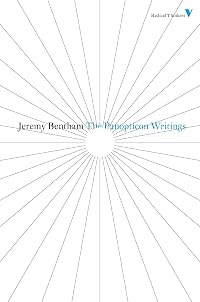
The Panopticon project for a model prison obsessed the English philosopher Jeremy Bentham for almost 20 years. In the end, the project came to nothing; the Panopticon was never built. But it is precisely this that makes the Panopticon project the best exemplification of Bentham's own theory of fictions, according to which non-existent fictitious entities can have all too real effects. There is probably no building that has stirred more philosophical controversy than Bentham's Panopticon. The show more Panopticon is not merely, as Foucault thought, "a cruel, ingenious cage," in which subjects collaborate in their own subjection, but much more—constructing the Panopticon produces not only a prison, but also a god within it. The Panopticon is a machine which on assembly is already inhabited by a ghost. It is through the Panopticon and the closely related theory of fictions that Bentham has made his greatest impact on modern thought; above all, on the theory of power. The Panopticon writings are frequently cited, rarely read. This edition contains the complete "Panopticon Letters," together with selections from "Panopticon Postscript I" and "Fragment on Ontology," Bentham's fullest account of fictions. A comprehensive introduction by Miran Bozovi? explores the place of Panopticon in contemporary theoretical debate. show lessTags
Recommendations


















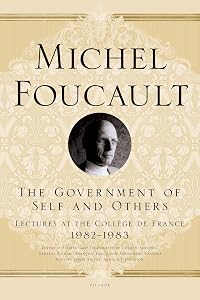
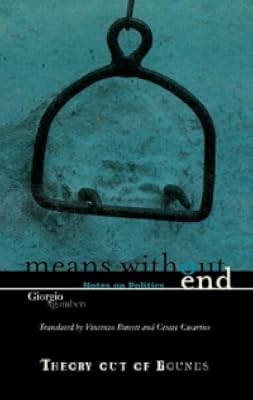
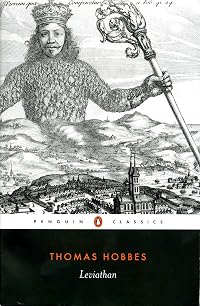
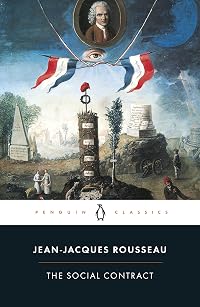


Member Recommendations
Member Reviews
I didn't feel like I needed to have read this after I read it; I think the other work you encounter that talks about the panopticon does a pretty good job of summing it up, and I will be honest that I did not really understand the fragment on ontology. But I do appreciate the return to the text, and the introduction by Miran Božovič did a good job with the framework and exploring some of the points of the writings that I probably would have missed otherwise. If you're REALLY into like returning to the original text, or have other interests in Bentham's larger work (oops I don't) then obviously it makes sense for you to read this, but if you've already read the other works and are like "great" then you are probably okay on this one. show more More like 3.5 stars from me. show less
Bentham the father of Utilitarianism is often blamed for the failure of our prison systems. But in comparison to what the legal /prison system was before him, it is markedly betetr. ALso the powers that eb made sure that even in his own time he would see the bastardization of his vision to rehabilitate those society failed, by teaching skills and educating the least of us so when they returned to society they would be better than the best of us. Once the government, business, and religion took over the wishes of one man to better society were pushed aside.
Jeremy Bentham es considerado uno de los padres del utilitarismo, y se le conoce tanto por sus obras como por su actuación política. Aquí propone un sistema para mejorar las cárceles, favoreciendo la vida de los presos y su reinserción pero, sobre todo, haciéndolas más económicas, sobre la base del liberalismo que entonces (principios del siglo XIX) era lo más progresista. Como buen liberal, sus ideas son mecánicas y se imponen por sí mismas. Uno, con el autor, se sorprende de cómo es que no se aplican estas ocurrencias inmediatamente y sin discusión, de tan estupendas que son. A veces, este librito se parece más a un folleto publicitario que a un tratado.
El caso concreto que propone es una cárcel circular en la que todas show more las celdas estuviese abiertas hacia su centro, de modo que un único empleado pudiera así controlar en todo momento a todos los presos. Insiste en que este empleado debe ser empresario con el argumento, ya clásico, de que los intereses particulares se defienden mejor que los colectivos (una suposición como otra cualquiera). Parece ser que casi llegó a convencer a gobiernos reales para que las construyesen. Afortunadamente, entonces como hoy, además de iluminados disfrazados de arbitristas, hay gente con sentido común, y estas cosas no se llevaron a la práctica.
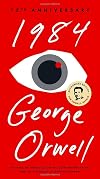
Eso sí, hay un tema colateral que hace esta obra interesante hoy en día, y es el control total de nuestros movimientos. Hoy no hace falta una construcción así, sino que todos estamos vigilados a través de dispositivos electrónicos, como éste en el que estoy escribiendo, que controlan nuestras actividades, nuestros gustos y nuestra vida. Gran Hermano y panóptico comparten método.
Como de costumbre en esta editorial, no sabemos el nombre del traductor pero tampoco el del epiloguista, que hace interesantes matizaciones. Parece ser Michel Foucault, pero ya digo que esta edición no lo aclara. show less
El caso concreto que propone es una cárcel circular en la que todas show more las celdas estuviese abiertas hacia su centro, de modo que un único empleado pudiera así controlar en todo momento a todos los presos. Insiste en que este empleado debe ser empresario con el argumento, ya clásico, de que los intereses particulares se defienden mejor que los colectivos (una suposición como otra cualquiera). Parece ser que casi llegó a convencer a gobiernos reales para que las construyesen. Afortunadamente, entonces como hoy, además de iluminados disfrazados de arbitristas, hay gente con sentido común, y estas cosas no se llevaron a la práctica.
Eso sí, hay un tema colateral que hace esta obra interesante hoy en día, y es el control total de nuestros movimientos. Hoy no hace falta una construcción así, sino que todos estamos vigilados a través de dispositivos electrónicos, como éste en el que estoy escribiendo, que controlan nuestras actividades, nuestros gustos y nuestra vida. Gran Hermano y panóptico comparten método.
Como de costumbre en esta editorial, no sabemos el nombre del traductor pero tampoco el del epiloguista, que hace interesantes matizaciones. Parece ser Michel Foucault, pero ya digo que esta edición no lo aclara. show less
Nov 29, 2014 (Edited)Spanish
1
Ratings
Members
- Recently Added By
Author Information

91+ Works 1,548 Members
Jeremy Bentham was born in London, on February 15, 1748, the son of an attorney. He was admitted to Queen's College, Oxford, at age 12 and graduated in 1763. He had his master's degree by 1766 and passed the bar exam in 1769. An English reformer and political philosopher, Bentham spent his life supporting countless social and political reform show more measures and trying as well to create a science of human behavior. He advocated a utopian welfare state and designed model cities, prisons, schools, and so on, to achieve that goal. He defined his goal as the objective study and measurement of passions and feelings, pleasures and pains, will and action. The principle of "the greatest happiness of the greatest number," set forth in his Introduction to the Principles of Morals and Legislation, governed all of his schemes for the improvement of society, and the philosophy he devised, called utilitarianism, set a model for all subsequent reforms based on scientific principles. Bentham also spoke about complete equality between the sexes, law reform, separation of church and state, the abolition of slavery, and animal rights. Bentham died on June 6, 1832, at the age of 84 at his residence in Queen Square Place in Westminster, London. He had continued to write up to a month before his death, and had made careful preparations for the dissection of his body after death and its preservation as an auto-icon. (Bowker Author Biography) show less
Some Editions
Series
Belongs to Publisher Series
Common Knowledge
- Canonical title
- Panopticon; or, The inspection-house
- Original title
- Pantopticon, or, the Inspection-House
- Quotations
- MICHELLE PERROT E, per i prigionieri, impadronirsi della torre centrale non ha senso?
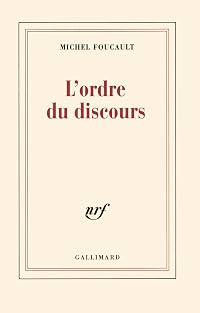
MICHEL FOUCAULT Sì. A condizione che non sia il senso finale dell'operazione. Se i prigionieri facessero funzionare il dispositivo pan... (show all)ottico e risiedessero nella torre, credete forse che sarebbe meglio così che con i sorveglianti? - Original language
- Inglese; Francese
Classifications
- Genres
- Philosophy, Nonfiction, General Nonfiction, Politics and Government
- DDC/MDS
- 364.6 — Society, government, & culture Social problems and social services Crime Punishment
- LCC
- HV8805 .B5 — Social sciences Social pathology. Social and public welfare. Criminology Social pathology. Social and public welfare. Criminal justice administration Penology. Prisons. Corrections
- BISAC
Statistics
- Members
- 199
- Popularity
- 164,379
- Reviews
- 3
- Rating
- (3.41)
- Languages
- 9 — Catalan, Danish, English, French, German, Italian, Portuguese, Spanish, Swedish
- Media
- Paper, Ebook
- ISBNs
- 24
- ASINs
- 2