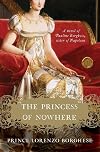
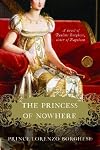
The Princess Of Nowhere
by Lorenzo Borghese
On This Page
Description
In a tale inspired by her life, Napoleon's sister, Pauline, marries Prince Camillo Borghese, a complicated relationship orchestrated by the ambitious Napoleon that soon becomes compromised by her scandalous behavior.Tags
Recommendations








Member Reviews
This is the story of Pauline Bonaparte, the sister of Emperor Napoleon Bonaparte, and her cousin, Sophie. Pauline is a stunningly beautiful, wild young widow who would rather be seducing handsome courtiers than donning mourning clothes. In an effort to control her scandalous behavior, it is arranged that she should be re-married to a Borghese prince, Camillo. Pauline's young ward Sophie, who is fascinated by her older, glamorous cousin, watches the two fall in love, only to be torn apart by Pauline's many affairs and selfishness. As Sophie grows up, she sees that her cousin is not so perfect as she would like to think, but cannot help but remain enamored with her. We see Pauline and Sophie go through life together, through Napoleon's show more reign, to his downfall and the ruin of their families.
I was skeptical when I learned that the author of this book was a Borghese prince himself, an actual relative of the characters in this book. The image of a spoiled prince writing a bad book, and getting it published through money and influence, came to mind.
However, I needn't have worried. Born with royal blood or not, Lorenzo Borghese is an author I will certainly be reading more of.
"The Princess of Nowhere" is a powerful, stunning picture of so many things - of life during the time period, of the intricate inner-workings of the infamous Bonaparte family, and of a doomed marriage that contains an odd sort of love story in the background.
The writing style was beautiful, yet realistic and grounded. I felt that I could touch every ostentatious silk gown that Pauline wore, that I could picture her grand palaces choked in glittering wealth.
Every character was well drawn, with Pauline, of course, being most memorable. Only recently did I discover that Pauline even existed, while reading another book. This glimpse into her life was such a realistic one that now I feel as if I have read twenty of her stories (as I have with Anne Boleyn, for example).
Pauline is a remarkably selfish, shameless individual. When her young son passes away, she lashes out in anger toward anyone she can possibly blame, including Sophie (for being there at the moment of his death) and her husband (even though he was hundreds of miles away at the time and never even knew Dermide was sick until it was too late). She has a talent for twisting circumstances around into whatever she wants them to be, and her logic often hardly makes any sense, though she seems to take her convictions seriously.
Pauline is a bit of a slut - there's no way around it. In her time period, her behavior would have been doubly shocking and scandalous. Her countless affairs are a regular feature in the gossip columns and cartoons, which everyone in the royal family finds embarrassing except for Pauline herself.
Since she thrives off of attention, Pauline often feigns illness. Her sicknesses are such a regular occurrence that she has made her royal doctor a rich man, and he is by now quite used to coming in and prescribing imaginary antidotes to her imaginary sicknesses. In one scene, Pauline poisons herself and Sophie with arsenic, so that she will truly get sick. Her husband has grown weary of her games, and will no longer believe that she is ill unless she is actually near death. I was shocked, and would like to know if there is any bit of truth in this part of the story.
In another scene, Pauline seduces a young man who Sophie had just told her she had her first crush on.
Pauline is selfish and, at times, evil. She is scheming and treacherous, and you would do best not to trust her.
And yet, you can't help but love her as well. Amidst her affairs, we see that she truly does love her husband Camillo. Her actions cause her to lose many of those that she loves, and she seems child-like in how she wants to take everything back now that it is too late. And her wild behavior, though never to anyone's benefit but hers, is without a doubt entertaining and lively reading. Pauline is charming in how spirited and unscrupulous she is.
She is the perfect embodiment of an anti-heroine: One that we love and hate all at once.
Sophie was set up to be the main character in the beginning, but ended up taking second place to Pauline. Since she is a child for a majority of the book, she is never as strong a character as her older cousin, but I loved her all the same. Her fierce devotion to Pauline, even after being so mistreated by her, was interesting and sad. By the end of the book, Sophie has grown into a strong young woman, and the reader cannot help but think that she is deeper and more "royal" than Pauline could ever have been.
Prince Camillo Borghese was also a very well done character. When he is engaged to be married to Pauline (but having doubts due to rumors), he is enamored by her beauty the first time he sees her. However, it is not until he accidentally sees her asleep, without makeup or fancy clothes, that he decides to marry her. He says that now she will always be beautiful to him, because he has seen her "when she thought that no one was looking."
I found this endearing and very sweet, but already, it sounded as if he was not exactly the type of man that Pauline would be suited for.
After they marry, Pauline finds that her husband is prudish in the bedroom, and that he does not take the news of her affairs well. Though he plays along with her games for a time, eventually he tires of this and ignores Pauline - the one thing she will never be able to take. Even her attempts at seducing him are unsuccessful, as what he really wants is not a whore but a wife.
Unlike Sophie, he eventually dismisses Pauline with no intention of ever seeing her again. I had to wonder who, in the end, made the right decision.
The setting was interesting as well, and we glimpse brief touches of politics, though the book focuses largely on the characters. Napoleon's wars are not mentioned very much in the book, save for the fact that Camillo goes off to war. While this may sound unrealistic, I actually believe that the author's choice to not involve the Napoleonic Wars was a fitting one.
Pauline, in her neglecting to ever mention her brother's, and the world's, news went with her character perfectly. The only news she cared to read was the gossip about herself.
As is necessary, of course, in a book about an infamously sleazy woman, "The Princess of Nowhere" contains quite a few sex scenes. I am normally very picky about sex in historical fiction. It often just doesn't feel... historical.
The scenes here were quite heavy on description, but I suppose that they were necessary to fill out Pauline's character as a very sexual woman. Just as the scenes were hovering on Harlequin, they moved on.
I loved the way that the story followed the character's lives over many years, giving you a sense of time passing.
Every emotion behind the events here was well written and believable.
I absolutely loved this book - it is my favorite Early Reviewer's read yet! Recommended. show less
I was skeptical when I learned that the author of this book was a Borghese prince himself, an actual relative of the characters in this book. The image of a spoiled prince writing a bad book, and getting it published through money and influence, came to mind.
However, I needn't have worried. Born with royal blood or not, Lorenzo Borghese is an author I will certainly be reading more of.
"The Princess of Nowhere" is a powerful, stunning picture of so many things - of life during the time period, of the intricate inner-workings of the infamous Bonaparte family, and of a doomed marriage that contains an odd sort of love story in the background.
The writing style was beautiful, yet realistic and grounded. I felt that I could touch every ostentatious silk gown that Pauline wore, that I could picture her grand palaces choked in glittering wealth.
Every character was well drawn, with Pauline, of course, being most memorable. Only recently did I discover that Pauline even existed, while reading another book. This glimpse into her life was such a realistic one that now I feel as if I have read twenty of her stories (as I have with Anne Boleyn, for example).
Pauline is a remarkably selfish, shameless individual. When her young son passes away, she lashes out in anger toward anyone she can possibly blame, including Sophie (for being there at the moment of his death) and her husband (even though he was hundreds of miles away at the time and never even knew Dermide was sick until it was too late). She has a talent for twisting circumstances around into whatever she wants them to be, and her logic often hardly makes any sense, though she seems to take her convictions seriously.
Pauline is a bit of a slut - there's no way around it. In her time period, her behavior would have been doubly shocking and scandalous. Her countless affairs are a regular feature in the gossip columns and cartoons, which everyone in the royal family finds embarrassing except for Pauline herself.
Since she thrives off of attention, Pauline often feigns illness. Her sicknesses are such a regular occurrence that she has made her royal doctor a rich man, and he is by now quite used to coming in and prescribing imaginary antidotes to her imaginary sicknesses. In one scene, Pauline poisons herself and Sophie with arsenic, so that she will truly get sick. Her husband has grown weary of her games, and will no longer believe that she is ill unless she is actually near death. I was shocked, and would like to know if there is any bit of truth in this part of the story.
In another scene, Pauline seduces a young man who Sophie had just told her she had her first crush on.
Pauline is selfish and, at times, evil. She is scheming and treacherous, and you would do best not to trust her.
And yet, you can't help but love her as well. Amidst her affairs, we see that she truly does love her husband Camillo. Her actions cause her to lose many of those that she loves, and she seems child-like in how she wants to take everything back now that it is too late. And her wild behavior, though never to anyone's benefit but hers, is without a doubt entertaining and lively reading. Pauline is charming in how spirited and unscrupulous she is.
She is the perfect embodiment of an anti-heroine: One that we love and hate all at once.
Sophie was set up to be the main character in the beginning, but ended up taking second place to Pauline. Since she is a child for a majority of the book, she is never as strong a character as her older cousin, but I loved her all the same. Her fierce devotion to Pauline, even after being so mistreated by her, was interesting and sad. By the end of the book, Sophie has grown into a strong young woman, and the reader cannot help but think that she is deeper and more "royal" than Pauline could ever have been.
Prince Camillo Borghese was also a very well done character. When he is engaged to be married to Pauline (but having doubts due to rumors), he is enamored by her beauty the first time he sees her. However, it is not until he accidentally sees her asleep, without makeup or fancy clothes, that he decides to marry her. He says that now she will always be beautiful to him, because he has seen her "when she thought that no one was looking."
I found this endearing and very sweet, but already, it sounded as if he was not exactly the type of man that Pauline would be suited for.
After they marry, Pauline finds that her husband is prudish in the bedroom, and that he does not take the news of her affairs well. Though he plays along with her games for a time, eventually he tires of this and ignores Pauline - the one thing she will never be able to take. Even her attempts at seducing him are unsuccessful, as what he really wants is not a whore but a wife.
Unlike Sophie, he eventually dismisses Pauline with no intention of ever seeing her again. I had to wonder who, in the end, made the right decision.
The setting was interesting as well, and we glimpse brief touches of politics, though the book focuses largely on the characters. Napoleon's wars are not mentioned very much in the book, save for the fact that Camillo goes off to war. While this may sound unrealistic, I actually believe that the author's choice to not involve the Napoleonic Wars was a fitting one.
Pauline, in her neglecting to ever mention her brother's, and the world's, news went with her character perfectly. The only news she cared to read was the gossip about herself.
As is necessary, of course, in a book about an infamously sleazy woman, "The Princess of Nowhere" contains quite a few sex scenes. I am normally very picky about sex in historical fiction. It often just doesn't feel... historical.
The scenes here were quite heavy on description, but I suppose that they were necessary to fill out Pauline's character as a very sexual woman. Just as the scenes were hovering on Harlequin, they moved on.
I loved the way that the story followed the character's lives over many years, giving you a sense of time passing.
Every emotion behind the events here was well written and believable.
I absolutely loved this book - it is my favorite Early Reviewer's read yet! Recommended. show less
 This review was written for LibraryThing Early Reviewers.
Quello di Lorenzo Borghese (reale discendente della famiglia Borghese, con la quale Paolina, dopo un primo matrimonio con un generale francese, si imparentò, sposando per questioni politiche Camillo Borghese) è in primo luogo un romanzo, come lo stesso autore ribadisce, ma un romanzo dalla ricostruzione storica apparentemente piuttosto accurata.
In effetti, riuscire a trovare il punto esatto dove la storia cessa di essere tale è molto difficile tanta è stata la maestria di Borghese nel ripercorrere la vita di questa donna così ribelle, anticonformista ma soprattutto appassionata come solo poche sanno essere.
"I Segreti di una Principessa" è un romanzo che narra il magnifico e tormentato amore fra la sorella di Napoleone Buonaparte, show more Paolina, e Camillo Borghese. E' un amore triste e complicato che racchiude una grande lezione sull'amore: amarsi significa comprendersi, accettarsi, comunicare ma, soprattutto, perdonare.
Paolina Boghese è una donna irrequieta, capricciosa e troppo impetuoso per essere frenato e tenuto sotto controllo, neppure per amore. Lei ama la libertà e scandalizzare la società abbandonandosi liberamente verso altre passioni e altri amori, ma è anche una donna che sopporta un fardello forse troppo grande per le sue fragili spalle e che contrasta con l'aggressiva arroganza di cui si riveste per proteggersi.
Il romanzo inizia proprio con un nuovo tradimento di Paolina, è Camillo il personaggio principale del primo capitolo. Menzogne, menzogne e ancora menzogne. Il pensiero di un uomo consapevole che, mentre in casa sua si stava tenendo un ballo, sua moglie si trovava chissà dove in compagnia di un altro uomo.
Le scenate di gelosia, le liti, le riconciliazioni e i tradimenti si susseguono con scioltezza mentre leggiamo la "storia d'amore/odio" di questi due magnifici personaggi.
L'autore è riuscito a dare uno spessore incredibile a tutti i personaggi di questo romanzo, tratteggiandoli con accuratezza ed eleganza. Paolina, nonostante i suoi mille difetti che ci portano a biasimarla e forse odiarla, riesce sempre a rientrare nelle simpatie del lettore proprio per quel suo essere capricciosa ma disperatamente infelice. Camillo, Sophie Leclerc (cugina del primo marito di Paolina Victor Emmanuel Leclerc e pupilla di Napoleone) e i vari "amanti" che Paolina prova a imporre a Sophie (da sempre innamorata di Camillo) o con i quali intreccia lei stessa appassionanti ma brevi storie d'amore... Tutti, a modo loro, affascinano e colpiscono in maniera indelebile.
Senza dubbio la figura di Paolina Borghese come "moglie" non ne esce bene, da questa versione romanzata, ma Lorenzo Borghese riesce lo stesso a tramutarla in una carismatica eroina romantica mentre narra la sua vita intensa e scandalosa. Una magnifica storia d'amore dal finale amaro e un po' struggente per questa coppia che, troppo tardi, comprese l'importanza e l'unicità della loro unione. show less
In effetti, riuscire a trovare il punto esatto dove la storia cessa di essere tale è molto difficile tanta è stata la maestria di Borghese nel ripercorrere la vita di questa donna così ribelle, anticonformista ma soprattutto appassionata come solo poche sanno essere.
"I Segreti di una Principessa" è un romanzo che narra il magnifico e tormentato amore fra la sorella di Napoleone Buonaparte, show more Paolina, e Camillo Borghese. E' un amore triste e complicato che racchiude una grande lezione sull'amore: amarsi significa comprendersi, accettarsi, comunicare ma, soprattutto, perdonare.
Paolina Boghese è una donna irrequieta, capricciosa e troppo impetuoso per essere frenato e tenuto sotto controllo, neppure per amore. Lei ama la libertà e scandalizzare la società abbandonandosi liberamente verso altre passioni e altri amori, ma è anche una donna che sopporta un fardello forse troppo grande per le sue fragili spalle e che contrasta con l'aggressiva arroganza di cui si riveste per proteggersi.
Il romanzo inizia proprio con un nuovo tradimento di Paolina, è Camillo il personaggio principale del primo capitolo. Menzogne, menzogne e ancora menzogne. Il pensiero di un uomo consapevole che, mentre in casa sua si stava tenendo un ballo, sua moglie si trovava chissà dove in compagnia di un altro uomo.
Le scenate di gelosia, le liti, le riconciliazioni e i tradimenti si susseguono con scioltezza mentre leggiamo la "storia d'amore/odio" di questi due magnifici personaggi.
L'autore è riuscito a dare uno spessore incredibile a tutti i personaggi di questo romanzo, tratteggiandoli con accuratezza ed eleganza. Paolina, nonostante i suoi mille difetti che ci portano a biasimarla e forse odiarla, riesce sempre a rientrare nelle simpatie del lettore proprio per quel suo essere capricciosa ma disperatamente infelice. Camillo, Sophie Leclerc (cugina del primo marito di Paolina Victor Emmanuel Leclerc e pupilla di Napoleone) e i vari "amanti" che Paolina prova a imporre a Sophie (da sempre innamorata di Camillo) o con i quali intreccia lei stessa appassionanti ma brevi storie d'amore... Tutti, a modo loro, affascinano e colpiscono in maniera indelebile.
Senza dubbio la figura di Paolina Borghese come "moglie" non ne esce bene, da questa versione romanzata, ma Lorenzo Borghese riesce lo stesso a tramutarla in una carismatica eroina romantica mentre narra la sua vita intensa e scandalosa. Una magnifica storia d'amore dal finale amaro e un po' struggente per questa coppia che, troppo tardi, comprese l'importanza e l'unicità della loro unione. show less
Setting: Early 1800’s. Pauline’s husband, Emmanuel, has just passed away and now her ambitious brother, Napoleon Bonaparte, wants her to marry Prince Camillo Borghese for his own political reasons.
Synopsis: Recently widowed, Pauline is asked by her brother to take in her young cousin, Sophie, in order to provide her with a better life than what her father can give her. At first Sophie is shy and reserved around her vivacious cousin. However, it doesn’t take long for Sophie to see Pauline as a goddess who she begins to idolize.
Prince Camillo Borghese knew since childhood that his bride required the approval of the pope and would be chosen for him not by him. This was true until he laid eyes on the flirtatious Pauline. Within their show more first meeting they both were in awe of each other, although, Camillo had his reservations in marrying her due to her scandalous reputation. Pauline was still supposed to be in mourning for her first husband, but they couldn’t wait to be with one another. So they were soon married in secret, despite Napoleon’s relentless objection.
Even though they were both passionately in love with one another, their marriage was no fairytale. Pauline was wild and eccentric and did not like being told what and what not to do by anyone, especially by her husband. Camillo was very conventional and adamant in staying true to tradition. It was no shock when Paulina started to rebel by having affairs with other men and spending outrageous sums of money. Camillo only put up with her unseemly behavior for so long out of love. They later went their separate ways and lived separate lives for many years until something brought them back together one last time.
Review: I was pleasantly surprised at how much I enjoyed Lorenzo Borghese’s book. With him being a distant heir to the Borghese family and this being his first novel I thought this book would be full of bias and that I would be let down. Let me just say that that was not the case. I found this story to be charming, erotic, and amusing.
The characterization was perfection. It was apparent that Lorenzo did his research and really built the characters from the inside out. Paulina was so eccentric and wild that I just couldn’t help but envying her at times. Don’t get me wrong I don’t envy her being able to go out and have affairs with other men but what I do envy is her confidence and poise. Prince Camillo is the dark and handsome prince that every girl dreams about. Yes he was a little prude in the beginning but he did come out of his shell bit by bit. Now Sophie was a bit odd. At first she sort of gave me the creeps by always sneaking around and practically worshiping Pauline, however, I began to understand her better as the story progressed.
As witnessed through the eyes of Pauline’s young cousin and surrogate daughter, this book is full of scandal, passion, and humor. I loved the historical aspect of this book and getting to know Pauline and Camillo Borghese. I would recommend this book to any historical fiction enthusiast.
To read more of my reviews or to check out my HF review click here: http://allthingshistoricalfiction.blogspot.com/ show less
Synopsis: Recently widowed, Pauline is asked by her brother to take in her young cousin, Sophie, in order to provide her with a better life than what her father can give her. At first Sophie is shy and reserved around her vivacious cousin. However, it doesn’t take long for Sophie to see Pauline as a goddess who she begins to idolize.
Prince Camillo Borghese knew since childhood that his bride required the approval of the pope and would be chosen for him not by him. This was true until he laid eyes on the flirtatious Pauline. Within their show more first meeting they both were in awe of each other, although, Camillo had his reservations in marrying her due to her scandalous reputation. Pauline was still supposed to be in mourning for her first husband, but they couldn’t wait to be with one another. So they were soon married in secret, despite Napoleon’s relentless objection.
Even though they were both passionately in love with one another, their marriage was no fairytale. Pauline was wild and eccentric and did not like being told what and what not to do by anyone, especially by her husband. Camillo was very conventional and adamant in staying true to tradition. It was no shock when Paulina started to rebel by having affairs with other men and spending outrageous sums of money. Camillo only put up with her unseemly behavior for so long out of love. They later went their separate ways and lived separate lives for many years until something brought them back together one last time.
Review: I was pleasantly surprised at how much I enjoyed Lorenzo Borghese’s book. With him being a distant heir to the Borghese family and this being his first novel I thought this book would be full of bias and that I would be let down. Let me just say that that was not the case. I found this story to be charming, erotic, and amusing.
The characterization was perfection. It was apparent that Lorenzo did his research and really built the characters from the inside out. Paulina was so eccentric and wild that I just couldn’t help but envying her at times. Don’t get me wrong I don’t envy her being able to go out and have affairs with other men but what I do envy is her confidence and poise. Prince Camillo is the dark and handsome prince that every girl dreams about. Yes he was a little prude in the beginning but he did come out of his shell bit by bit. Now Sophie was a bit odd. At first she sort of gave me the creeps by always sneaking around and practically worshiping Pauline, however, I began to understand her better as the story progressed.
As witnessed through the eyes of Pauline’s young cousin and surrogate daughter, this book is full of scandal, passion, and humor. I loved the historical aspect of this book and getting to know Pauline and Camillo Borghese. I would recommend this book to any historical fiction enthusiast.
To read more of my reviews or to check out my HF review click here: http://allthingshistoricalfiction.blogspot.com/ show less
It takes a real effort -- albeit the wrong kind of effort -- to take a story set during the Napoleonic era and make it a rather dull Harlequin-style romance novel. That's just want Prince Lorenzo Borghese has done with the story of his "ancestors" (well, actually, they are relatives), Pauline Bonaparte (sister to the more famous Napoleon) and Prince Camillo Borghese. The reader gets a standard romantic mis-adventure -- the initial infatuation of Camillo for the exotic and vivacious Pauline diminishes as it becomes clear to him that she has no intention of giving up the fast life. Only time and tragedy bring them together again, years later.
The problem here is that while the writing is more than competent, the story telling is banal. show more Perhaps the lives of Pauline and Camillo -- at least over the length of time that the author focuses on -- just didn't lend themselves to anything more than the kind of romantic saga that a reader can find in 90% of the romance novels out there. There was not much to distinguish this one from the pack -- and I was astonished, given that the "heroine's" brother changed the course of European history. This compared unfavorably with a similar tome, Desiree by Anne Marie Selinko, the story of a silk merchant's daughter courted by Napoleon, who marries one of the latter's marshals and who goes on to other things later. In both cases, the women involved are peripheral players in Napoleonic history, but while Selinko manages to make a compelling drama out of her story, Borghese never managed to make this story more than slightly interesting, even when told through the eyes of a young (fictional) protegee of Pauline's, Sophie, who has an ambivalent relationship with the princely couple.
It took me weeks of picking this up and putting it down again before I could finish plodding through it, when usually this kind of historical novel is something I would race through eagerly, even if it's relatively mundane. But perhaps it's just never a good idea to base a novel around a character like Pauline who, the more I read about her, seems to have had nothing much going on for her beyond beauty, lots of lovers and hypochondria.
Altogether, an underwhelming book that I finished only because I received an "Early Reviewer" copy and needed to pull together a coherent review. If you want a more lively novel set in the Napoleonic era, seek out the Selinko book (just republished) or some of Catherine Gavin's novels set in Napoleon's time. This is just a fancy-dress romance novel that does little justice to the dramatic events with which it deals. show less
The problem here is that while the writing is more than competent, the story telling is banal. show more Perhaps the lives of Pauline and Camillo -- at least over the length of time that the author focuses on -- just didn't lend themselves to anything more than the kind of romantic saga that a reader can find in 90% of the romance novels out there. There was not much to distinguish this one from the pack -- and I was astonished, given that the "heroine's" brother changed the course of European history. This compared unfavorably with a similar tome, Desiree by Anne Marie Selinko, the story of a silk merchant's daughter courted by Napoleon, who marries one of the latter's marshals and who goes on to other things later. In both cases, the women involved are peripheral players in Napoleonic history, but while Selinko manages to make a compelling drama out of her story, Borghese never managed to make this story more than slightly interesting, even when told through the eyes of a young (fictional) protegee of Pauline's, Sophie, who has an ambivalent relationship with the princely couple.
It took me weeks of picking this up and putting it down again before I could finish plodding through it, when usually this kind of historical novel is something I would race through eagerly, even if it's relatively mundane. But perhaps it's just never a good idea to base a novel around a character like Pauline who, the more I read about her, seems to have had nothing much going on for her beyond beauty, lots of lovers and hypochondria.
Altogether, an underwhelming book that I finished only because I received an "Early Reviewer" copy and needed to pull together a coherent review. If you want a more lively novel set in the Napoleonic era, seek out the Selinko book (just republished) or some of Catherine Gavin's novels set in Napoleon's time. This is just a fancy-dress romance novel that does little justice to the dramatic events with which it deals. show less
This review was written for LibraryThing Early Reviewers.I think that the author of this book had a wonderful journey discovering genealogical stories! A genealogy person myself, I can appreciate that. I found this book to be very emotionally/subjectively written, as would be expected from a descendent. There is nothing inherently wrong with that. (I am not a very emotional/subjective type... so take this from whence it came.)
I have enjoyed historical novels as a way to whet history, so to speak... keep it from being so dry. While I thought this book was a heart-felt story, I found that I did not really walk away with a richer sense of history. I love clever twists and robust writing. This is a narrative-novel, plain and simple. If you want a biography, written in narrative from, THIS is your show more book! If not, you may want to explore another work of lit. show less
I have enjoyed historical novels as a way to whet history, so to speak... keep it from being so dry. While I thought this book was a heart-felt story, I found that I did not really walk away with a richer sense of history. I love clever twists and robust writing. This is a narrative-novel, plain and simple. If you want a biography, written in narrative from, THIS is your show more book! If not, you may want to explore another work of lit. show less
This review was written for LibraryThing Early Reviewers.The Princess of Nowhere gives an account of Princess Paulina Borghese, sister to Napoleon. She married a prince, and lived in the lap of luxury. Paulina was impetuous, extravagant, full of life, and generally many things that didn't coincide with being a princess. The story also follows her young cousin Sophie, and her husband Camillo. They had a very tumultuous marriage, most of it caused by Paulina, but throughout the story I never disliked her. She was sort of an anti-heroine, but her personality was so strong that I couldn't help but root for her, just as Sophie always did. It was a great account of the times, and of the rise and fall of Napoleon through his sister's life. The characters were engaging, the scenes were easy to show more visualize, and the story was very moving. I loved it and would reccomend to all the historical fiction lovers out there, as well as anyone who enjoys a tragic love story. show less
This review was written for LibraryThing Early Reviewers.When Prince Camillo Borghese meets Napoleon's sister Pauline, he is at once mesmerized and intrigued, but although he is considering marriage, Pauline is not the woman he would choose. After hearing rumors of her scandalous behavior, Camillo decides against Pauline, but when he one day spies her unaware, he realizes that she is a beautiful woman that he could one day love and decides to marry her and make her a princess. Pauline brings to the marriage one young son named Dermide and a young girl named Sophie who has been placed in Pauline’s care by her brother Napoleon. As Camillo and Pauline begin their marriage, things are almost immediately rocky between them, for Pauline doesn’t wish to conduct herself in a ladylike manner and show more begins having affairs with several other suitors, a fact she doesn’t hide from her husband. Aside from this, Pauline also spends extravagantly and often neglects her son and her charge, spending countless hours doing what pleases her. All these things lead Camillo into a dance of betrayal and forgiveness that spans several years of their marriage. Sophie also is having difficulty with Pauline, for although she idolizes and loves her, Pauline neglects her and uses her as a pawn in her power struggles with Camillo. In this historical fiction debut, readers come face to face with the manipulative and selfish Pauline Borghese, a princess who only looks out for herself, no matter what the consequences are.
Though I’ve read a little about Napoleon and knew he had siblings, I didn’t have the faintest clue about what their lives were like or what kind of people they were. When I picked up this book, I hadn’t even read the jacket copy, so it was all a very big surprise to me. This isn’t your typical historical fiction read for a lot of reasons that I’ll go into, but mainly because it centered more around character development than any historical event or period. As the author explains in the afterword, his motivation for writing this book was to chronicle the life story of one of his most famous and maligned ancestors. While I think he succeeded with the story of the ever ostentatious Pauline, the book left a little to be desired in its scope and execution.
Pauline was not a very likable person, in my opinion. She was extremely vain and manipulative, and so much of a vixen that she would coax any available man into compromising situations in order to frustrate and enrage her husband. It was frustrating to me to read about this, so I can only imagine how frustrating it must have been for Camillo to live with it. Camillo was a loving and attentive man, wishing to give Pauline happiness and pleasure, but Pauline never recognized his efforts and repeatedly chose to stray from him and then to defend her right to do so. She made a cuckold of her husband very early on in the marriage and continued to do so, even though it embarrassed herself and her brother Napoleon. Though at times she tries to behave, it never seems convenient enough for her to do so for very long, and soon she reverts back to past sins and indiscretions. As the story progresses, Camillo and Pauline engage in a back and forth see-saw of attraction and repulsion.
The relationship between Pauline and Camillo was sad to watch, but I felt more sorrow at the relationship between Pauline and Sophie. Sophie loved Pauline and was continually debased and taken advantage of because she left her heart open to her guardian. Though she would do anything for the princess, Pauline cruelly uses her and subverts the love she has for her. At times Pauline is unimaginably cruel to her charge and puts her very life in danger to satisfy her whims, and though she tries to be a mentor to the young girl at times, she only succeeds in being vulgar and inappropriate when attempting to teach the young girl the ways of love. Like her relationships with the other people in her life, Pauline can be cruel and vindictive to Sophie, and when her mind fastens on a goal, she thinks nothing of putting the young girl in harm’s way. Through it all, Sophie stays loyal and true to Pauline and, in the end, even Camillo finds a way to forgive her for her transgressions, which made me a little mad to tell you the truth.
One of the things that I found very surprising was that it was filled with graphic sex scenes. Now, I am no prude, but these scenes just seemed a little out of place in a historical fiction novel, and thinking back on it, I’m quite sure this is the only historical fiction novel I’ve read that utilizes this concept. I also got a little bored with Pauline’s excessive and poor behavior and wanted the story to focus more on the events that were happening in the world during that particular time, instead of on the bad behavior of Pauline. In the conclusion of the book, Pauline is forced to make her apologies to everyone around her, and comes to regret the way that she acted in the past. Though these sections were believable, they came a little too late for me and I couldn’t forgive the princess as easily as those in her life did. I’m almost certain the ending of the book was meant to elicit a few tears from its audience, but I remained staunchly dry-eyed because these sections felt a tiny bit contrived and orchestrated.
My feelings on this book are a bit muddied. Though princess Pauline was indeed a retched character whom I grew very tired of reading about, there was also a sort of train-wreck quality to her life that I couldn’t seem to look away from, and it was interesting to see how those around her dealt with the messes that she so expertly created. This isn’t historical fiction at its best, and that is mainly because it’s so tightly focused on people instead of events, but it is a book that might just give you a character that you will love to hate. I think readers who are looking for something that is well rounded and more historically involved would be disappointed with this book, but those who love troubled characters could possibly fall right into Pauline Borghese’s life and find it riveting. A mixed bag of a book. show less
Though I’ve read a little about Napoleon and knew he had siblings, I didn’t have the faintest clue about what their lives were like or what kind of people they were. When I picked up this book, I hadn’t even read the jacket copy, so it was all a very big surprise to me. This isn’t your typical historical fiction read for a lot of reasons that I’ll go into, but mainly because it centered more around character development than any historical event or period. As the author explains in the afterword, his motivation for writing this book was to chronicle the life story of one of his most famous and maligned ancestors. While I think he succeeded with the story of the ever ostentatious Pauline, the book left a little to be desired in its scope and execution.
Pauline was not a very likable person, in my opinion. She was extremely vain and manipulative, and so much of a vixen that she would coax any available man into compromising situations in order to frustrate and enrage her husband. It was frustrating to me to read about this, so I can only imagine how frustrating it must have been for Camillo to live with it. Camillo was a loving and attentive man, wishing to give Pauline happiness and pleasure, but Pauline never recognized his efforts and repeatedly chose to stray from him and then to defend her right to do so. She made a cuckold of her husband very early on in the marriage and continued to do so, even though it embarrassed herself and her brother Napoleon. Though at times she tries to behave, it never seems convenient enough for her to do so for very long, and soon she reverts back to past sins and indiscretions. As the story progresses, Camillo and Pauline engage in a back and forth see-saw of attraction and repulsion.
The relationship between Pauline and Camillo was sad to watch, but I felt more sorrow at the relationship between Pauline and Sophie. Sophie loved Pauline and was continually debased and taken advantage of because she left her heart open to her guardian. Though she would do anything for the princess, Pauline cruelly uses her and subverts the love she has for her. At times Pauline is unimaginably cruel to her charge and puts her very life in danger to satisfy her whims, and though she tries to be a mentor to the young girl at times, she only succeeds in being vulgar and inappropriate when attempting to teach the young girl the ways of love. Like her relationships with the other people in her life, Pauline can be cruel and vindictive to Sophie, and when her mind fastens on a goal, she thinks nothing of putting the young girl in harm’s way. Through it all, Sophie stays loyal and true to Pauline and, in the end, even Camillo finds a way to forgive her for her transgressions, which made me a little mad to tell you the truth.
One of the things that I found very surprising was that it was filled with graphic sex scenes. Now, I am no prude, but these scenes just seemed a little out of place in a historical fiction novel, and thinking back on it, I’m quite sure this is the only historical fiction novel I’ve read that utilizes this concept. I also got a little bored with Pauline’s excessive and poor behavior and wanted the story to focus more on the events that were happening in the world during that particular time, instead of on the bad behavior of Pauline. In the conclusion of the book, Pauline is forced to make her apologies to everyone around her, and comes to regret the way that she acted in the past. Though these sections were believable, they came a little too late for me and I couldn’t forgive the princess as easily as those in her life did. I’m almost certain the ending of the book was meant to elicit a few tears from its audience, but I remained staunchly dry-eyed because these sections felt a tiny bit contrived and orchestrated.
My feelings on this book are a bit muddied. Though princess Pauline was indeed a retched character whom I grew very tired of reading about, there was also a sort of train-wreck quality to her life that I couldn’t seem to look away from, and it was interesting to see how those around her dealt with the messes that she so expertly created. This isn’t historical fiction at its best, and that is mainly because it’s so tightly focused on people instead of events, but it is a book that might just give you a character that you will love to hate. I think readers who are looking for something that is well rounded and more historically involved would be disappointed with this book, but those who love troubled characters could possibly fall right into Pauline Borghese’s life and find it riveting. A mixed bag of a book. show less
This review was written for LibraryThing Early Reviewers.Members
- Recently Added By
Lists

Authors from Italy
13 works; 1 member
Author Information
1 Work 106 Members
Common Knowledge
- Canonical title
- The Princess Of Nowhere
- Original publication date
- 2010-12
- People/Characters
- Pauline Bonaparte Borghese; Prince Camillo Borghese; Napoleon Bonaparte; Sophie Leclerc; Joseph Bonaparte, King of Spain; Gian Andrea Visconti (show all 7); Dermide Leclerc
- Important places
- France; Paris, France; Florence, Tuscany, Italy
- Important events
- Napoleonic Wars
- Dedication
- This book is dedicated to my mother and father, who have been married for more than forty years. They have taught me that communication is the secret to a successful marriage. Without it, love cannot grow, nor can it be com... (show all)plete.
- First words
- PRELUDE: Everything glittered.
CHAPTER 1: There were forty-eight steps from the ground floor, where they had been waiting in the anteroom, up to the first floor, where they would finally be received. - Last words
- (Click to show. Warning: May contain spoilers.)She smiled.
Classifications
Statistics
- Members
- 106
- Popularity
- 306,442
- Reviews
- 19
- Rating
- (3.29)
- Languages
- English, Hungarian, Italian
- Media
- Paper, Ebook
- ISBNs
- 6
- ASINs
- 3