Principles of Philosophy
by René Descartes
On This Page
Description
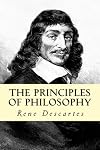
Rene Descartes is perhaps most remembered for declaring, "e;I think; therefore, I am."e; First published in 1644, Descartes's "e;Principles of Philosophy"e; elucidates the meaning of those words that ushered in a new era of philosophical thought. Unlike the medieval philosophers who often began by examining the existence and nature of God in a spirit of faith, Descartes begins by reflecting upon himself as one who doubts but who nonetheless desires certain knowledge of God show more and the world. In setting forth the truths he discovers, Descartes hoped that his "e;Principles of Philosophy"e; would provide a new basis for human knowledge and, most especially, a new footing for scientific inquiry. show lessTags
Recommendations































Member Reviews
um manual de conhecimentos gerais, e por isso numa linguagem “do conhecimento”, em formas de tópicos e parágrafos explicativos. a primeira parte é basicamente uma versão chata das meditações metafísicas (que é um livro divertido). as partes 3 e 4, em que pese a teoria dos turbilhões, realmente interessante e inovadora para a época, está entre as coisas mais insuportavelmente monótonas que já li na minha vida. de qualquer forma: os planetas são como navios e o espaço sideral é líquido, pois não existe vácuo. eles geram turbilhões, que geram movimentos de partículas e tendências de movimento. esses turbilhões se estabilizam e geram o movimento dos planetas. mas como o movimento é sempre relativo, a terra não show more se move (por si). sei. (descartes tenta jogar um caô para a igreja mas é bastante descarado). de qualquer forma, impressionante o quão anti-escolástico tudo isso é. show less
Dekarti e shkroi këtë libër me qëllimin që ky i fundit të ishte vepra e tij e madhe, sinteza e të gjitha teorive të tij në fizikë dhe filozofi. Përmes parimeve që ai na sjell prej një filozofie matematikore, ai arrin të argumentojë mbi natyrën e trupit dhe mendjes, ekzistencën e Perëndisë dhe nevojën për pastrimin e koncepteve njerëzore. Përmes aktit të të menduarit, Dekarti na çon në rrugën për ndërtimin e themeleve të forta të njohjes duke u nisur nga dyshimi metodik.
Dekarti ishte një simbol i revolucionit të cilit mund të krijojë fuqia e mendjes. Veprën e tij ndërkaq, e njohim shumë pak. Libri i tij ‘’Parimet e Filozofisë’’, i shkruajtur pas librit “Reflektime Metafizike”, është i show more vetmi libër në të cilin Dekarti përmbledh filozofinë e tij dhe ndihmon lexuesin të studiojë rolin e parimeve të tij të famshme metafizike në fizikë, teorinë e tij për sjelljen e trupave në këtë botë.
Tek kjo vepër jepet në mënyrë sistematike një seri termash leximi dhe reflektimi të realitetit nëpërmes prizmit të shkencës së re të themeluar filozofikisht. show less
Dekarti ishte një simbol i revolucionit të cilit mund të krijojë fuqia e mendjes. Veprën e tij ndërkaq, e njohim shumë pak. Libri i tij ‘’Parimet e Filozofisë’’, i shkruajtur pas librit “Reflektime Metafizike”, është i show more vetmi libër në të cilin Dekarti përmbledh filozofinë e tij dhe ndihmon lexuesin të studiojë rolin e parimeve të tij të famshme metafizike në fizikë, teorinë e tij për sjelljen e trupave në këtë botë.
Tek kjo vepër jepet në mënyrë sistematike një seri termash leximi dhe reflektimi të realitetit nëpërmes prizmit të shkencës së re të themeluar filozofikisht. show less
Price in pounds
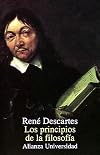
LOS PRINCIPIOS DE LA FILOSOFÍA
SI Newton pensaba que Descartes
había escrito una «novela filosófica», DESCARTES no estaba lejos de
pensar que su mundo era una fabula. Pero se trataba de una fábula computable
que definió la perspectiva de la ciencia moderna frente a las visiones oscuras
del aristotelismo y el naturalismo renacentista. Las cualidades ocultas y las
formas substanciales de los elementos fueron barridas de la escena en favor
de la transparencia de la geometría, lo que convirtió a la ciencia física en un
campo inteligible y demostrable.
LOS PRINCIPIOS DE LA FILOSOFÍA
fue la obra que más hizo por popularizar la visión moderna de una naturaleza
matemática y mecánica. En la Primera parte, acerca de los principios show more del
conocimiento humano, la duda metódica sobre las seguridades del pasado y
del sentido común, lleva al descubrimiento del cogito y las ideas claras y
distintas propias de la matemática. Así, en la Segunda, sobre los principios de
las cosas materiales, la identificación de los cuerpos con la extensión permite
concebir el conjunto de lo que hay como materia extensa y movimiento
que, siendo elementos geométricos, no precisan ulterior análisis. En la
Tercera parte se elabora sobre esas bases un esquema cosmológico calcula
ble, cuya mayor ventaja fue la de poder ser refutado por Newton medio siglo
más tarde, mientras que las confusas fábulas anteriores no eran fáciles de
eliminar con hechos y matemáticas. Finalmente, la Cuarta parte es un tratado
de ciencias de la Tierra en el que se abordan, con los mismos principios físIcos,
la geología, la meteorología, la hidrología, la metalurgia y la química.
La cuidada edición de Guillermo Quintás la pone ahora al alcance de los
lectores de lengua española. show less
SI Newton pensaba que Descartes
había escrito una «novela filosófica», DESCARTES no estaba lejos de
pensar que su mundo era una fabula. Pero se trataba de una fábula computable
que definió la perspectiva de la ciencia moderna frente a las visiones oscuras
del aristotelismo y el naturalismo renacentista. Las cualidades ocultas y las
formas substanciales de los elementos fueron barridas de la escena en favor
de la transparencia de la geometría, lo que convirtió a la ciencia física en un
campo inteligible y demostrable.
LOS PRINCIPIOS DE LA FILOSOFÍA
fue la obra que más hizo por popularizar la visión moderna de una naturaleza
matemática y mecánica. En la Primera parte, acerca de los principios show more del
conocimiento humano, la duda metódica sobre las seguridades del pasado y
del sentido común, lleva al descubrimiento del cogito y las ideas claras y
distintas propias de la matemática. Así, en la Segunda, sobre los principios de
las cosas materiales, la identificación de los cuerpos con la extensión permite
concebir el conjunto de lo que hay como materia extensa y movimiento
que, siendo elementos geométricos, no precisan ulterior análisis. En la
Tercera parte se elabora sobre esas bases un esquema cosmológico calcula
ble, cuya mayor ventaja fue la de poder ser refutado por Newton medio siglo
más tarde, mientras que las confusas fábulas anteriores no eran fáciles de
eliminar con hechos y matemáticas. Finalmente, la Cuarta parte es un tratado
de ciencias de la Tierra en el que se abordan, con los mismos principios físIcos,
la geología, la meteorología, la hidrología, la metalurgia y la química.
La cuidada edición de Guillermo Quintás la pone ahora al alcance de los
lectores de lengua española. show less
Apr 22, 2024Spanish
Ratings
Members
- Recently Added By
Author Information

366+ Works 19,902 Members
Best known for the quote from his Meditations de prima philosophia, or Meditations on First Philosophy (1641), "I think therefore I am," philosopher and mathematician Rene Descartes also devoted much of his time to the studies of medicine, anatomy and meteorology. Part of his Discourse on the Method for Rightly Conducting One's Reason and show more Searching for the Truth in the Sciences (1637) became the foundation for analytic geometry. Descartes is also credited with designing a machine to grind hyperbolic lenses, as part of his interest in optics. Rene Descartes was born in 1596 in La Haye, France. He began his schooling at a Jesuit college before going to Paris to study mathematics and to Poitiers in 1616 to study law. He served in both the Dutch and Bavarian military and settled in Holland in 1629. In 1649, he moved to Stockholm to be a philosophy tutor to Queen Christina of Sweden. He died there in 1650. Because of his general fame and philosophic study of the existence of God, some devout Catholics, thinking he would be canonized a saint, collected relics from his body as it was being transported to France for burial. (Bowker Author Biography) show less
Some Editions
Series
Belongs to Publisher Series
Filozofické odkazy (Pravda). Rad A: Predmarxistická filozofia (1987, 3116. publikácia)
Work Relationships
Is contained in
Is abridged in
Common Knowledge
- Canonical title
- Principles of Philosophy
- Original title
- Principia Philosophiae
- Original publication date
- 1644; 1967
- People/Characters
- René Descartes
- Important events
- 17th century; Enlightenment
Classifications
Statistics
- Members
- 185
- Popularity
- 177,623
- Reviews
- 4
- Rating
- (4.17)
- Languages
- 14 — Czech, Dutch, English, Finnish, French, German, Italian, Japanese, Latin, Polish, Portuguese, Russian, Spanish, Turkish
- Media
- Paper, Ebook
- ISBNs
- 48
- ASINs
- 2