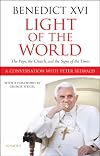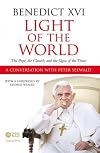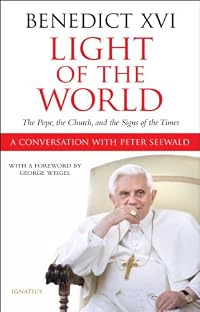
Light of the World: The Pope, The Church and the Signs Of The Times
by Pope Emeritus Benedict Xvi, Pope Benedict XVI (Author)
On This Page
Description
"Popes do not usually grant book-length interviews to journalists. And never before has a pope given as in-depth and extensive interview as this one, answering so many direct questions on so many personal and controversial topics. ... As believers and non-believers alike read this book, many will be challenged to reconsider what they think they know about Pope Benedict XVI and the future of the Catholic Church."--Inside flap.Tags
Recommendations






Member Reviews
Probably not a book I would have chosen to read, but it was given to me by a bishop and I have to say it was very enjoyable. Indeed my main disappointment was that it didn't go deeper into many of the issues discussed.
Pope Benedict XVI comes over as humble and intelligent, and somewhat more moderate and tolerant than I would have expected.
The interviewer, on the other hand, comes over as pretentious and self-important. Sycophantic would be the polite way to describe his attitude towards the pope. I was told that Benedict, in his earlier incarnation as Joseph Ratzinger, brought the interviewer back to the Church, so I suppose one can see where the hero-worships comes from, but it's a bit over the top.
Some of Benedict's reflections on show more faith and reason are very compelling. In various places he seems to be quite open to change and development. He acknowledges that while the message is timeless, the way it is expressed must change if it is to remain relevant, and he seems open to new developments emerging independently of the institutional structure of the Church. He affirms both Vatican II and biblical exegesis.
The weakest and most defensive section is probably the one that deals with much of the Church's teaching on sexual morality, despite his now famous statement on condom use. His comments on the Williamson affair, whilst honestly admitting the mistakes that were made within the Vatican, leave one wondering how such a large and sophisticated institution could be so naive and ill-prepared.
All in all a very good book. show less
Pope Benedict XVI comes over as humble and intelligent, and somewhat more moderate and tolerant than I would have expected.
The interviewer, on the other hand, comes over as pretentious and self-important. Sycophantic would be the polite way to describe his attitude towards the pope. I was told that Benedict, in his earlier incarnation as Joseph Ratzinger, brought the interviewer back to the Church, so I suppose one can see where the hero-worships comes from, but it's a bit over the top.
Some of Benedict's reflections on show more faith and reason are very compelling. In various places he seems to be quite open to change and development. He acknowledges that while the message is timeless, the way it is expressed must change if it is to remain relevant, and he seems open to new developments emerging independently of the institutional structure of the Church. He affirms both Vatican II and biblical exegesis.
The weakest and most defensive section is probably the one that deals with much of the Church's teaching on sexual morality, despite his now famous statement on condom use. His comments on the Williamson affair, whilst honestly admitting the mistakes that were made within the Vatican, leave one wondering how such a large and sophisticated institution could be so naive and ill-prepared.
All in all a very good book. show less
L'uomo Papa
Ho appena finito di leggere questo libro che è una lunga intervista ad un Uomo che oltre ad essere un prete è anche uno scrittore, uno studioso, un teologo che si trova anche ad essere il Capo di una delle più grandi comunità religiose del mondo in veste di Papa.
Divisa in tre parti questa "conversazione", come l'ha sottotitolato l'editore, il libro si legge in maniera scorrevole, come una qualsiasi intervista-conversazione nella forma di scrittura di comunicazione moderna. L'intervistatore è un compatriota dell'intervistato e sembra che i due si comprendano abbastanza bene. Non è il primo libro intervista che Peter Seevald ha scritto con il Cardinale Joseph Ratzinger.
A lettura ultimata devo confessare che istintivamente show more ho sentito il bisogno di ricominciare daccapo. Non perché non mi siano state chiare le domande o le risposte, né tanto meno perché abbia forse potuto procedere troppo velocemente nella lettura di argomenti non sempre facili da digerire. La ragione, forse, è quella di avere avvertita necessità di rimettere ordine a quanto il comune lettore ha letto e compreso, anche uno sprovveduto come, non lo nascondo affatto, posso essere io.
A dire il vero, le domande che pone il Seewald non sono sempre coerenti e conseguenziali, secondo un sistema logico che metta in condizione chi legge di trarre e ricevere un impatto organico e sistematico, in maniera da fissarne il ricordo, in modo armonico e creativo. Si alternano argomenti teologicamente alti, altri di genuina quotidianità e semplicità personale. La grande storia della Chiesa e del Cristianesimo scorre davanti agli occhi del lettore nelle parole puntuali e sintetiche dell'intervistato il quale, in più di una occasione, fa fatica, com'è ovvio che sia, a distinguersi in quale veste Egli stia rispondendo, se come Uomo o come Papa. Ma non solo questo. Anche i grandi problemi che la Chiesa deve fronteggiare, e non da oggi, ma da sempre. Oggi più che mai in un mondo sempre più aperto e discutibile, visibilmente aggressivo, spesso improponibile e inaccettabile. Fatica degli uomini e fatica di un Papa!
In questo senso l'intervistatore non è sempre corretto e coerente nelle sue domande, perché mette a disagio il lettore che non recepisce in maniera ottimale il messaggio che proviene dallo sconfinato sapere dell'intervistato.
Così mi spiego il bisogno di una rilettura, una revisione con relativi approfondimenti. Il libro resta comunque una esperienza di lettura importante sia per chi crede come per chi non crede. show less
Ho appena finito di leggere questo libro che è una lunga intervista ad un Uomo che oltre ad essere un prete è anche uno scrittore, uno studioso, un teologo che si trova anche ad essere il Capo di una delle più grandi comunità religiose del mondo in veste di Papa.
Divisa in tre parti questa "conversazione", come l'ha sottotitolato l'editore, il libro si legge in maniera scorrevole, come una qualsiasi intervista-conversazione nella forma di scrittura di comunicazione moderna. L'intervistatore è un compatriota dell'intervistato e sembra che i due si comprendano abbastanza bene. Non è il primo libro intervista che Peter Seevald ha scritto con il Cardinale Joseph Ratzinger.
A lettura ultimata devo confessare che istintivamente show more ho sentito il bisogno di ricominciare daccapo. Non perché non mi siano state chiare le domande o le risposte, né tanto meno perché abbia forse potuto procedere troppo velocemente nella lettura di argomenti non sempre facili da digerire. La ragione, forse, è quella di avere avvertita necessità di rimettere ordine a quanto il comune lettore ha letto e compreso, anche uno sprovveduto come, non lo nascondo affatto, posso essere io.
A dire il vero, le domande che pone il Seewald non sono sempre coerenti e conseguenziali, secondo un sistema logico che metta in condizione chi legge di trarre e ricevere un impatto organico e sistematico, in maniera da fissarne il ricordo, in modo armonico e creativo. Si alternano argomenti teologicamente alti, altri di genuina quotidianità e semplicità personale. La grande storia della Chiesa e del Cristianesimo scorre davanti agli occhi del lettore nelle parole puntuali e sintetiche dell'intervistato il quale, in più di una occasione, fa fatica, com'è ovvio che sia, a distinguersi in quale veste Egli stia rispondendo, se come Uomo o come Papa. Ma non solo questo. Anche i grandi problemi che la Chiesa deve fronteggiare, e non da oggi, ma da sempre. Oggi più che mai in un mondo sempre più aperto e discutibile, visibilmente aggressivo, spesso improponibile e inaccettabile. Fatica degli uomini e fatica di un Papa!
In questo senso l'intervistatore non è sempre corretto e coerente nelle sue domande, perché mette a disagio il lettore che non recepisce in maniera ottimale il messaggio che proviene dallo sconfinato sapere dell'intervistato.
Così mi spiego il bisogno di una rilettura, una revisione con relativi approfondimenti. Il libro resta comunque una esperienza di lettura importante sia per chi crede come per chi non crede. show less
This review is going to be quick and simple: read this book!
This interview really gives an insight into the personality of Pope Benedict XVI and his views on a wide range of topics relevant to Catholics today. The interviewer asks intentionally provocative questions from both sides of the spectrum (from “conservative” to “liberal”) and almost tries to tease the Pope into making radical statements, to which Benedict replies with his extraordinary modesty and balanced approach to controversial questions.
I found the book interesting from cover to cover, and more than once was moved to stop and pray.
So, if you haven’t done so yet, get a copy of this book from your public library or from your favorite bookseller. I’m glad I did.
This interview really gives an insight into the personality of Pope Benedict XVI and his views on a wide range of topics relevant to Catholics today. The interviewer asks intentionally provocative questions from both sides of the spectrum (from “conservative” to “liberal”) and almost tries to tease the Pope into making radical statements, to which Benedict replies with his extraordinary modesty and balanced approach to controversial questions.
I found the book interesting from cover to cover, and more than once was moved to stop and pray.
So, if you haven’t done so yet, get a copy of this book from your public library or from your favorite bookseller. I’m glad I did.
Pope Benedict XVI is seen by many as a strictly conservative man of the cloth especially when it comes to Liturgical celebrations and those that pertain to the faith. There is a difference when a Pope clearly teaches the faithful of church teachings and seldom do we hear his own opinions. As a writer, Pope Benedict has extensively shown his intelligence in many fields not only in philosophy and religion but also other social sciences. What makes this interview book special is that we are able to know more of who the man behind the white cassock. The approach a reader must take care in reading the book is that the position of Benedict XVI in answering the interview questions do not entirely reflect the position of the Church but merely show more his personal opinions, though there are statements when he says that such is what the Church teaches. Readers must be careful on this. show less
I found B16 to be open and warm in this interview. I think you get to peer into the heart and mind of a very spiritual and wise man who is close to God. I have a different view of B16 after reading this.
Good and formative. Benedicts personality and beliefs shine through.
L'uomo Papa
Ho appena finito di leggere questo libro che è una lunga intervista ad un Uomo che oltre ad essere un prete è anche uno scrittore, uno studioso, un teologo che si trova anche ad essere il Capo di una delle più grandi comunità religiose del mondo in veste di Papa.
Divisa in tre parti questa "conversazione", come l'ha sottotitolato l'editore, il libro si legge in maniera scorrevole, come una qualsiasi intervista-conversazione nella forma di scrittura di comunicazione moderna. L'intervistatore è un compatriota dell'intervistato e sembra che i due si comprendano abbastanza bene. Non è il primo libro intervista che Peter Seevald ha scritto con il Cardinale Joseph Ratzinger.
A lettura ultimata devo confessare che istintivamente show more ho sentito il bisogno di ricominciare daccapo. Non perché non mi siano state chiare le domande o le risposte, né tanto meno perché abbia forse potuto procedere troppo velocemente nella lettura di argomenti non sempre facili da digerire. La ragione, forse, è quella di avere avvertita necessità di rimettere ordine a quanto il comune lettore ha letto e compreso, anche uno sprovveduto come, non lo nascondo affatto, posso essere io.
A dire il vero, le domande che pone il Seewald non sono sempre coerenti e conseguenziali, secondo un sistema logico che metta in condizione chi legge di trarre e ricevere un impatto organico e sistematico, in maniera da fissarne il ricordo, in modo armonico e creativo. Si alternano argomenti teologicamente alti, altri di genuina quotidianità e semplicità personale. La grande storia della Chiesa e del Cristianesimo scorre davanti agli occhi del lettore nelle parole puntuali e sintetiche dell'intervistato il quale, in più di una occasione, fa fatica, com'è ovvio che sia, a distinguersi in quale veste Egli stia rispondendo, se come Uomo o come Papa. Ma non solo questo. Anche i grandi problemi che la Chiesa deve fronteggiare, e non da oggi, ma da sempre. Oggi più che mai in un mondo sempre più aperto e discutibile, visibilmente aggressivo, spesso improponibile e inaccettabile. Fatica degli uomini e fatica di un Papa!
In questo senso l'intervistatore non è sempre corretto e coerente nelle sue domande, perché mette a disagio il lettore che non recepisce in maniera ottimale il messaggio che proviene dallo sconfinato sapere dell'intervistato.
Così mi spiego il bisogno di una rilettura, una revisione con relativi approfondimenti. Il libro resta comunque una esperienza di lettura importante sia per chi crede come per chi non crede. show less
Ho appena finito di leggere questo libro che è una lunga intervista ad un Uomo che oltre ad essere un prete è anche uno scrittore, uno studioso, un teologo che si trova anche ad essere il Capo di una delle più grandi comunità religiose del mondo in veste di Papa.
Divisa in tre parti questa "conversazione", come l'ha sottotitolato l'editore, il libro si legge in maniera scorrevole, come una qualsiasi intervista-conversazione nella forma di scrittura di comunicazione moderna. L'intervistatore è un compatriota dell'intervistato e sembra che i due si comprendano abbastanza bene. Non è il primo libro intervista che Peter Seevald ha scritto con il Cardinale Joseph Ratzinger.
A lettura ultimata devo confessare che istintivamente show more ho sentito il bisogno di ricominciare daccapo. Non perché non mi siano state chiare le domande o le risposte, né tanto meno perché abbia forse potuto procedere troppo velocemente nella lettura di argomenti non sempre facili da digerire. La ragione, forse, è quella di avere avvertita necessità di rimettere ordine a quanto il comune lettore ha letto e compreso, anche uno sprovveduto come, non lo nascondo affatto, posso essere io.
A dire il vero, le domande che pone il Seewald non sono sempre coerenti e conseguenziali, secondo un sistema logico che metta in condizione chi legge di trarre e ricevere un impatto organico e sistematico, in maniera da fissarne il ricordo, in modo armonico e creativo. Si alternano argomenti teologicamente alti, altri di genuina quotidianità e semplicità personale. La grande storia della Chiesa e del Cristianesimo scorre davanti agli occhi del lettore nelle parole puntuali e sintetiche dell'intervistato il quale, in più di una occasione, fa fatica, com'è ovvio che sia, a distinguersi in quale veste Egli stia rispondendo, se come Uomo o come Papa. Ma non solo questo. Anche i grandi problemi che la Chiesa deve fronteggiare, e non da oggi, ma da sempre. Oggi più che mai in un mondo sempre più aperto e discutibile, visibilmente aggressivo, spesso improponibile e inaccettabile. Fatica degli uomini e fatica di un Papa!
In questo senso l'intervistatore non è sempre corretto e coerente nelle sue domande, perché mette a disagio il lettore che non recepisce in maniera ottimale il messaggio che proviene dallo sconfinato sapere dell'intervistato.
Così mi spiego il bisogno di una rilettura, una revisione con relativi approfondimenti. Il libro resta comunque una esperienza di lettura importante sia per chi crede come per chi non crede. show less
Jul 4, 2014Italian
Members
- Recently Added By
Author Information

1,036+ Works 34,320 Members
Joseph Ratzinger was born on April 16, 1927 in Marktl am Inn in the state of Bavaria, Germany. Ratzinger entered the minor seminary in Traunstein, in 1939 and in 1943 along with the rest of his seminary class he was drafted into the Flak [anti-aircraft corps]. In 1944 he was released from the Flak and returned home only to be drafted into labor show more detail under the infamous Austrian Legion. In the spring of 1945 Ratzinger deserted the army and headed home but when the Americans arrive at his village shortly thereafter, he was identified as a German soldier and incarcerated in a POW camp for a brief time. Following his release he re-entered the seminary. In 1951 Joseph was ordained into the priesthood and began lectures as a full professor of fundamental theology at the University of Bonn. From 1962-65 Ratzinger was present during all four sessions of the Second Vatican Council as a peritus, or chief theological advisor to Cardinal Joseph Frings of Cologne, Germany. . In 1977 Joseph Ratzinger was appointed Archbishop of Munich and Freising and on June 27 elevated to Cardinal of Munich by Pope Paul VI. In 1981 Ratzinger accepted Pope John Paul II's invitation to take over as Prefect for the Congregation for the Doctrine of the Faith and in 1986 he was appointed head of a 12-member commission responsible for drafting the Catechism of the Catholic Church. Cardinal Ratzinger was elected vice dean of the College of Cardinals in 1988. In 2002 Pope John Paul II, approved his election as dean of the College of Cardinals. On April 8, 2005, Cardinal Ratzinger presided over the funeral of Pope John Paul II. On April 19, 2005, Cardinal Ratzinger was elected Bishop of Rome on the fourth ballot of the conclave and took the name Benedict XVI. (Bowker Author Biography) show less
Some Editions
Common Knowledge
- People/Characters
- Benedict XVI, Pope (Joseph Aloisius Ratzinger, 1927-2022); Peter Seewald
- Important places
- Rome, Italy; Bavaria, Germany; Israel; Palestine
- Important events
- Papacy of Benedict XVI (2005-2013)
Classifications
- Genres
- Religion & Spirituality, Nonfiction, General Nonfiction, History, Biography & Memoir
- DDC/MDS
- 282.092 — Religion Christian denominations Roman Catholic Church Catholic Biography And History Biography
- LCC
- BX1751.2 .A1 .B3963 — Philosophy, Psychology and Religion Christian Denominations Christian Denominations Catholic Church Theology. Doctrine. Dogmatics
- BISAC
Statistics
- Members
- 655
- Popularity
- 43,821
- Reviews
- 10
- Rating
- (4.04)
- Languages
- 11 — Catalan, Czech, Dutch, English, French, German, Hungarian, Italian, Portuguese (Portugal), Spanish, Swedish
- Media
- Paper, Audiobook, Ebook
- ISBNs
- 27
- ASINs
- 4