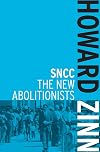
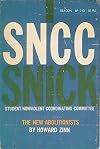
SNCC: The New Abolitionists
by Howard Zinn
On This Page
Description
Howard Zinn tells the story of one of the most important political groups in American history. SNCC: The New Abolitionists influenced a generation of activists struggling for civil rights and seeking to learn from the successes and failures of those who built the fantastically influential Student Nonviolent Coordinating Committee. It is considered an indispensable study of the organization, of the 1960s, and of the process of social change. Includes a new introduction by the author.Tags
Recommendations






























Member Reviews
Student Nonviolent Coordinating Committee
Ratings
Members
- Recently Added By
Lists

One Book, Many Authors
441 works; 40 members
Author Information

85+ Works 26,163 Members
A committed radical historian and activist, Howard Zinn approaches the study of the past from the point of view of those whom he feels have been exploited by the powerful. Zinn was born in Brooklyn, New York in 1922. After working in local shipyards during his teens, he joined the U.S. Army Air Force, where he saw combat as a bombardier in World show more War II. He received a Ph.D. in history from Columbia University in 1958 and was a postdoctoral fellow in East Asian studies at Harvard University. While teaching at Spelman College in Atlanta, Georgia, Zinn joined the civil rights movement and wrote The Southern Mystique (1964) and SNCC: The New Abolitionists (1964). He also became an outspoken critic of the Vietnam War, writing Vietnam: The Logic of Withdrawal (1967) and visiting Hanoi to receive the first American prisoners released by the North Vietnamese. Zinn's best-known and most-praised work, as well as his most controversial, is A People's History of the United States (1980). It explores American history under the thesis that most historians have favored those in power, leaving another story untold. Zinn discusses such topics as Native American views of Columbus and the socialist and anarchist opposition to World War I in examining his theory that historical change is most often due to "mass movements of ordinary people." Zinn's other books include You Can't Be Neutral on a Moving Train: A Personal History of Our Times (1995) and Artists in Times of War (2004). He has also written the plays Emma (1976), Daughter of Venus (1985), and Marx in Soho (1999). (Bowker Author Biography) Howard Zinn grew up in the immigrant slums of Brooklyn, where he worked in shipyards in his late teens. He saw combat duty as an air force bombardier in World War II, and afterward received his doctorate in history from Columbia University. His first book, "La Guardia in Congress", was an Albert Beveridge Prize winner. In 1956, he moved with his wife and children to Atlanta to become chairman of the history department of Spelman College. He has since written and edited many more books, including A People's History of the United States, SNCC: The New Abolitionist; Disobedience and Democracy; The Politics of History; The Pentagon Papers: Critical Essays; You Can't Be Neutral on a Moving Train: A Personal History of Our Times; and The Zinn Reader (Seven Stories Press, 1997). Zinn is also the author of three plays, Emma, Daughter of Venus, and Marx in Soho. Among the many honors Zinn has received is the 1998 Lannan Literary Award for nonfiction. A professor emeritus of political science at Boston University, he lives with his wife, Roslyn, in the Boston area, near their children and grandchildren. (Publisher Provided) show less
Series
Belongs to Publisher Series
Radical Sixties (1)
Common Knowledge
- Original publication date
- 1965
- Important places
- Mississippi, USA
- Important events
- African-American Civil Rights Movement ; Freedom Summer (1964)
- Dedication
- To Ella Baker
Classifications
- Genres
- Nonfiction, Politics and Government, General Nonfiction, History
- DDC/MDS
- 323.1196073 — Society, government, & culture Political science Civil Rights & Liberties/ Human Rights Minority Politics Specific Groups Biography And History African Origin
- LCC
- E185.61 .Z49 — History of the United States United States Elements in the population Afro-Americans Status and development since emancipation
- BISAC
Statistics
- Members
- 167
- Popularity
- 196,182
- Reviews
- 1
- Rating
- (3.79)
- Languages
- English
- Media
- Paper, Audiobook, Ebook
- ISBNs
- 7
- ASINs
- 6