On This Page
Description
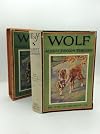
The classic story of the "fiery-red collie."Tags
Recommendations


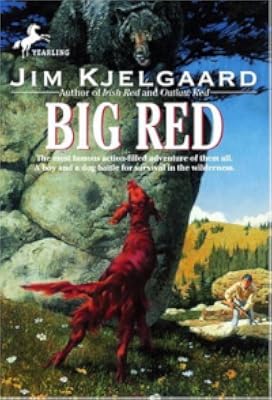


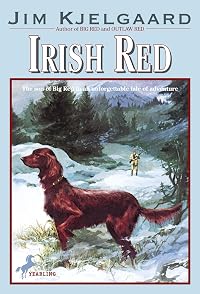


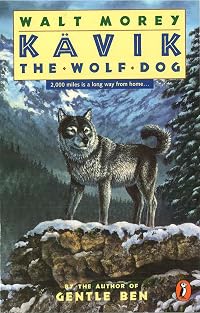










Member Recommendations

Member Reviews
A collection of short stories about "Wolf", a purebred collie (and son of the famous "Lad") who had absolutely no value as a show dog, but became beloved by the Master and Mistress despite his life-long tendency to get into trouble. It is interesting to read these books some 30-40 years after I first read them and see how my perspective has changed. The culture of dog ownership now is sooooo very different from what it was 100 years ago when this book was written.
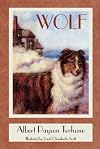
Wolf, one of Lad’s offspring, was from Terhune's pedigreed collie lines, but had a “throwback” appearance with none of the fine features and show points. In spite of his poor looks, he was a brave and loyal dog and a strong character, with a flair for drama. He liked to show off any new trick he learned to earn praise, and this sometimes got him into trouble. The book contains seven short stories featuring Wolf as the main character. In them, Wolf saves children and other dogs from being struck by cars, gets involved in the mystery of whose dog is killing everyone's chickens, rescues horses from a barn fire, befriends a stray mutt that nobody wants, retrieves a puppy that got "kidnapped", and more adventures. Note: a lot of show more attitudes in this book reflect their time. Not only about purebred dogs being “better” than strays and mixed breeds but also some very racist comments. Also there is quite a lot of fighting, dogs dealing viciously with each other, and a few deaths. Regardless, I still liked these stories, they're well told. show less
Albert Payson Terhune was the best writer of dog books of all time. There is one aspect that may detract from some's opinion of his stories, in that they can get a bit rough like when the 'good' dog has to kill a 'bad' dog. There is one instance of that in the book.
The book Wolf is written, and I tend to believe it, as what is told in this book to be accurate to what occurred in the life of his dog Wolf, sired by Lad and Lady, central characters in the previous book Lad: A dog. (Well, mostly, the chapter when Wolf is put into a dog show may be a stretch.) For this reason, I cannot fault the book for Kleenex needed in the end of the book in a way I didn't like. None of us can choose the natural endings of our relationship with our furry show more friends.
I originally had trouble writing this review. Other than say 'he's a great writer of dog stories' I was finding it hard to find the right words to give justice to his writing. So as before I will let excerpts from the book give some hints. And they will help me spur the few words needed to give hints of what happens in the book without telling too much.
Terhune raised prize winning collies. Wolf was not though. Here is how he is described:
'He was undersized; though wittily powerful and as lithe as a panther. His coat, which should have been wavily abundant, was as short and as thick as a chow’s. It was not unlike a chow’s in texture and growth. His bushy tail was three inches too short. His head was broad where it should have been chiseled into classic lines. His muzzle was not long enough for the rest of his head. The ‘stop’ above it was too prominent. His glowing dark eyes were round; not almond shaped or slanted as called for in the “Standard of the Breed.”
In brief, he was not a true type of collie; though of royally pure lineage. He was a throwback;—a throwback almost to the ancestral wolves which form the trunk and roots of the collie family-tree. It was this queer outward resemblance to a young timber-wolf which gave him his name.'
The book goes on to talk of his personality and fine qualities.
In one chapter Wolf is taken to court after biting someone who reached into the car while Wolf was defending the car and his bone. From that chapter is this next excerpt. Someone will have to tell me if collie's when threatened or protecting their masters family or property really does lunge at people's throats.
'At Glure’s alien touch, Wolf had ceased all at once to be proudly submissive to punishment. In a flash he had hurled himself at the throat of his assailant; with the eager intent of severing the fat man’s jugular. He missed the throat by a matter of inches, as his victim staggered back; and his razor-teeth slashed at the upflung fat hand which sought to fend him off.
“Wolf!" yelled the Master. '
Another common theme in Terhune's books is that of mistaken belief that a dog did something. In this case it was the dog gets blamed for something the cat did and the dog is unfairly punished. 'The Master' has been guilty of something like this before like in 'Lad: A dog.' When he learns of his mistake I like how he handles it and responds to a guest who had wacked the dog after the master, and of course had wolf 'hurled himself at the throat of his assailant' and got a nip on his sleeve. The master said it was rotten of him to punish Wolf, and the guest Glure responds.
'“Pshaw!”’ scoffed Glure, having assured him self that the cuff of his tweed coat had protected his hand from more than a graze from the slashing teeth. “‘Pshaw, man! What if it was the cat and not the cur? One licking, more or less, doesn’t matter to a dog.”
“One injustice, more or less, matters,” said the Master, self-disgustedly, “I struck him and scolded him for something he didn’t do. I'm going out to look for him.”'
Later in that chapter, when the Master is feeling bad about punishing the dog, especially with the dog still being so cheerful to him, there was this bit which I enjoyed:
'“If I had a third foot,” mused the Master, ‘I'd kick myself with it. It’s bad enough to be unjust to a fellow-man. But it’s worse to treat a dog as I treated Wolf. Because I can’t explain to him or apologize or anything, He—”
“Don’t worry,” counseled the Mistress. “See, he’s forgiven you already. When God put dogs into this unjust world of ours, He gave them power of divine forgiveness; to make up to them for all the injustice they were going to receive. Sometimes I think perhaps that puts dogs just a little bit above us humans.'
In another chapter, Wolf befriends a pair of horses and has some cute antics happen because of it. Then the barn catches fire:
'This was Wolf’s first experience with fire as an enemy. Hitherto it had been a warming and pretty thing, pleasant to look at blinkingly. Now he saw it not as a slave to mortals but in its true light as an unleashed devil.
It was menacing these two big friends of his ; these horses which were so queerly helpless to get away from it and whose gentle calm had turned to a crazy terror. '
In another chapter there was a bit relating to Wolf's ESP qualities. I have read cases of this before and truly believe they dogs closely bound to their owners can read their owners minds even when they are far away. I have a book that really goes into it, but couldn't locate the title at the moment. I think it can happen with any dog, but of course with Terhune no other dog breed rivals that of a collie:
'The Master arose from the table to telephone The Place’s superintendent to have a car meet the next train. Before he could reach the instrument, the phone bell rang. At the other end of the wire, the superintendent asked:
*“You’re coming up here to-day, aren’t you, sir?”
‘How did you know?’ asked the bewildered Master.
“Wolf told me,” was the amazing response. “A couple of minutes ago he began to dance around as if he was crazy. Now he’s galloped down to the Big House and he’s scratching to go in. He always does that when you’re coming home. I don’t know how he finds it out.”
Yes, the incident sounds fishy—except to those who know the psychic mind of the highest type of collie. Yet it is true. And other and stranger true anecdotes of the sort might be told of the Strange little red-gold dog.'
In one chapter, this throwback of a collie is put into a dog show. I have trouble imagining if another writer would have thought of a similar course. Loved the story, but question if this one is true. Terhune and a lot of writers during this time liked to write about dog shows. I loved this bit said by the mistress about dog shows and it is something I will add to my list of favorite quotes:
'Why can't somebody invent shows where dogs are judged by their cleverness and dispositions and staunchness and by all the million things that make them worth more than any mere money? Why must they always be judged as if they were prize cattle or pigs;—just by a few show-points that have nothing to do with a dog’s worthwhileness?'
One more quote to go. I have read a fair amount of old books, and have bumped into a select few that have some cultural insensitivity. I don't recall any in the other Terhune books I have read but did cringe in his use of one expression, "...because every member of the police force here is too much of a white man to relish the job of killing such a dog as Wolf.” I love old books, but think it is important to point out any racists that could offend.
So another great book from Terhune. I think it makes the 10th of his books I have read. I believe there is like 27 dog books of his, of which I own 25, and would recommend making it a goal of any series dog book reader to read all of the books of Albert Payson Terhune. show less
The book Wolf is written, and I tend to believe it, as what is told in this book to be accurate to what occurred in the life of his dog Wolf, sired by Lad and Lady, central characters in the previous book Lad: A dog. (Well, mostly, the chapter when Wolf is put into a dog show may be a stretch.) For this reason, I cannot fault the book for Kleenex needed in the end of the book in a way I didn't like. None of us can choose the natural endings of our relationship with our furry show more friends.
I originally had trouble writing this review. Other than say 'he's a great writer of dog stories' I was finding it hard to find the right words to give justice to his writing. So as before I will let excerpts from the book give some hints. And they will help me spur the few words needed to give hints of what happens in the book without telling too much.
Terhune raised prize winning collies. Wolf was not though. Here is how he is described:
'He was undersized; though wittily powerful and as lithe as a panther. His coat, which should have been wavily abundant, was as short and as thick as a chow’s. It was not unlike a chow’s in texture and growth. His bushy tail was three inches too short. His head was broad where it should have been chiseled into classic lines. His muzzle was not long enough for the rest of his head. The ‘stop’ above it was too prominent. His glowing dark eyes were round; not almond shaped or slanted as called for in the “Standard of the Breed.”
In brief, he was not a true type of collie; though of royally pure lineage. He was a throwback;—a throwback almost to the ancestral wolves which form the trunk and roots of the collie family-tree. It was this queer outward resemblance to a young timber-wolf which gave him his name.'
The book goes on to talk of his personality and fine qualities.
In one chapter Wolf is taken to court after biting someone who reached into the car while Wolf was defending the car and his bone. From that chapter is this next excerpt. Someone will have to tell me if collie's when threatened or protecting their masters family or property really does lunge at people's throats.
'At Glure’s alien touch, Wolf had ceased all at once to be proudly submissive to punishment. In a flash he had hurled himself at the throat of his assailant; with the eager intent of severing the fat man’s jugular. He missed the throat by a matter of inches, as his victim staggered back; and his razor-teeth slashed at the upflung fat hand which sought to fend him off.
“Wolf!" yelled the Master. '
Another common theme in Terhune's books is that of mistaken belief that a dog did something. In this case it was the dog gets blamed for something the cat did and the dog is unfairly punished. 'The Master' has been guilty of something like this before like in 'Lad: A dog.' When he learns of his mistake I like how he handles it and responds to a guest who had wacked the dog after the master, and of course had wolf 'hurled himself at the throat of his assailant' and got a nip on his sleeve. The master said it was rotten of him to punish Wolf, and the guest Glure responds.
'“Pshaw!”’ scoffed Glure, having assured him self that the cuff of his tweed coat had protected his hand from more than a graze from the slashing teeth. “‘Pshaw, man! What if it was the cat and not the cur? One licking, more or less, doesn’t matter to a dog.”
“One injustice, more or less, matters,” said the Master, self-disgustedly, “I struck him and scolded him for something he didn’t do. I'm going out to look for him.”'
Later in that chapter, when the Master is feeling bad about punishing the dog, especially with the dog still being so cheerful to him, there was this bit which I enjoyed:
'“If I had a third foot,” mused the Master, ‘I'd kick myself with it. It’s bad enough to be unjust to a fellow-man. But it’s worse to treat a dog as I treated Wolf. Because I can’t explain to him or apologize or anything, He—”
“Don’t worry,” counseled the Mistress. “See, he’s forgiven you already. When God put dogs into this unjust world of ours, He gave them power of divine forgiveness; to make up to them for all the injustice they were going to receive. Sometimes I think perhaps that puts dogs just a little bit above us humans.'
In another chapter, Wolf befriends a pair of horses and has some cute antics happen because of it. Then the barn catches fire:
'This was Wolf’s first experience with fire as an enemy. Hitherto it had been a warming and pretty thing, pleasant to look at blinkingly. Now he saw it not as a slave to mortals but in its true light as an unleashed devil.
It was menacing these two big friends of his ; these horses which were so queerly helpless to get away from it and whose gentle calm had turned to a crazy terror. '
In another chapter there was a bit relating to Wolf's ESP qualities. I have read cases of this before and truly believe they dogs closely bound to their owners can read their owners minds even when they are far away. I have a book that really goes into it, but couldn't locate the title at the moment. I think it can happen with any dog, but of course with Terhune no other dog breed rivals that of a collie:
'The Master arose from the table to telephone The Place’s superintendent to have a car meet the next train. Before he could reach the instrument, the phone bell rang. At the other end of the wire, the superintendent asked:
*“You’re coming up here to-day, aren’t you, sir?”
‘How did you know?’ asked the bewildered Master.
“Wolf told me,” was the amazing response. “A couple of minutes ago he began to dance around as if he was crazy. Now he’s galloped down to the Big House and he’s scratching to go in. He always does that when you’re coming home. I don’t know how he finds it out.”
Yes, the incident sounds fishy—except to those who know the psychic mind of the highest type of collie. Yet it is true. And other and stranger true anecdotes of the sort might be told of the Strange little red-gold dog.'
In one chapter, this throwback of a collie is put into a dog show. I have trouble imagining if another writer would have thought of a similar course. Loved the story, but question if this one is true. Terhune and a lot of writers during this time liked to write about dog shows. I loved this bit said by the mistress about dog shows and it is something I will add to my list of favorite quotes:
'Why can't somebody invent shows where dogs are judged by their cleverness and dispositions and staunchness and by all the million things that make them worth more than any mere money? Why must they always be judged as if they were prize cattle or pigs;—just by a few show-points that have nothing to do with a dog’s worthwhileness?'
One more quote to go. I have read a fair amount of old books, and have bumped into a select few that have some cultural insensitivity. I don't recall any in the other Terhune books I have read but did cringe in his use of one expression, "...because every member of the police force here is too much of a white man to relish the job of killing such a dog as Wolf.” I love old books, but think it is important to point out any racists that could offend.
So another great book from Terhune. I think it makes the 10th of his books I have read. I believe there is like 27 dog books of his, of which I own 25, and would recommend making it a goal of any series dog book reader to read all of the books of Albert Payson Terhune. show less
Albert Payson Terhune was the best writer of dog books of all time. There is one aspect that may detract from some's opinion of his stories, in that they can get a bit rough like when the 'good' dog has to kill a 'bad' dog. There is one instance of that in the book.
The book Wolf is written, and I tend to believe it, as what is told in this book to be accurate to what occurred in the life of his dog Wolf, sired by Lad and Lady, central characters in the previous book Lad: A dog. (Well, mostly, the chapter when Wolf is put into a dog show may be a stretch.) For this reason, I cannot fault the book for Kleenex needed in the end of the book in a way I didn't like. None of us can choose the natural endings of our relationship with our furry show more friends.
I originally had trouble writing this review. Other than say 'he's a great writer of dog stories' I was finding it hard to find the right words to give justice to his writing. So as before I will let excerpts from the book give some hints. And they will help me spur the few words needed to give hints of what happens in the book without telling too much.
Terhune raised prize winning collies. Wolf was not though. Here is how he is described:
'He was undersized; though wittily powerful and as lithe as a panther. His coat, which should have been wavily abundant, was as short and as thick as a chow’s. It was not unlike a chow’s in texture and growth. His bushy tail was three inches too short. His head was broad where it should have been chiseled into classic lines. His muzzle was not long enough for the rest of his head. The ‘stop’ above it was too prominent. His glowing dark eyes were round; not almond shaped or slanted as called for in the “Standard of the Breed.”
In brief, he was not a true type of collie; though of royally pure lineage. He was a throwback;—a throwback almost to the ancestral wolves which form the trunk and roots of the collie family-tree. It was this queer outward resemblance to a young timber-wolf which gave him his name.'
The book goes on to talk of his personality and fine qualities.
In one chapter Wolf is taken to court after biting someone who reached into the car while Wolf was defending the car and his bone. From that chapter is this next excerpt. Someone will have to tell me if collie's when threatened or protecting their masters family or property really does lunge at people's throats.
'At Glure’s alien touch, Wolf had ceased all at once to be proudly submissive to punishment. In a flash he had hurled himself at the throat of his assailant; with the eager intent of severing the fat man’s jugular. He missed the throat by a matter of inches, as his victim staggered back; and his razor-teeth slashed at the upflung fat hand which sought to fend him off.
“Wolf!" yelled the Master. '
Another common theme in Terhune's books is that of mistaken belief that a dog did something. In this case it was the dog gets blamed for something the cat did and the dog is unfairly punished. 'The Master' has been guilty of something like this before like in 'Lad: A dog.' When he learns of his mistake I like how he handles it and responds to a guest who had wacked the dog after the master, and of course had wolf 'hurled himself at the throat of his assailant' and got a nip on his sleeve. The master said it was rotten of him to punish Wolf, and the guest Glure responds.
'“Pshaw!”’ scoffed Glure, having assured him self that the cuff of his tweed coat had protected his hand from more than a graze from the slashing teeth. “‘Pshaw, man! What if it was the cat and not the cur? One licking, more or less, doesn’t matter to a dog.”
“One injustice, more or less, matters,” said the Master, self-disgustedly, “I struck him and scolded him for something he didn’t do. I'm going out to look for him.”'
Later in that chapter, when the Master is feeling bad about punishing the dog, especially with the dog still being so cheerful to him, there was this bit which I enjoyed:
'“If I had a third foot,” mused the Master, ‘I'd kick myself with it. It’s bad enough to be unjust to a fellow-man. But it’s worse to treat a dog as I treated Wolf. Because I can’t explain to him or apologize or anything, He—”
“Don’t worry,” counseled the Mistress. “See, he’s forgiven you already. When God put dogs into this unjust world of ours, He gave them power of divine forgiveness; to make up to them for all the injustice they were going to receive. Sometimes I think perhaps that puts dogs just a little bit above us humans.'
In another chapter, Wolf befriends a pair of horses and has some cute antics happen because of it. Then the barn catches fire:
'This was Wolf’s first experience with fire as an enemy. Hitherto it had been a warming and pretty thing, pleasant to look at blinkingly. Now he saw it not as a slave to mortals but in its true light as an unleashed devil.
It was menacing these two big friends of his ; these horses which were so queerly helpless to get away from it and whose gentle calm had turned to a crazy terror. '
In another chapter there was a bit relating to Wolf's ESP qualities. I have read cases of this before and truly believe they dogs closely bound to their owners can read their owners minds even when they are far away. I have a book that really goes into it, but couldn't locate the title at the moment. I think it can happen with any dog, but of course with Terhune no other dog breed rivals that of a collie:
'The Master arose from the table to telephone The Place’s superintendent to have a car meet the next train. Before he could reach the instrument, the phone bell rang. At the other end of the wire, the superintendent asked:
*“You’re coming up here to-day, aren’t you, sir?”
‘How did you know?’ asked the bewildered Master.
“Wolf told me,” was the amazing response. “A couple of minutes ago he began to dance around as if he was crazy. Now he’s galloped down to the Big House and he’s scratching to go in. He always does that when you’re coming home. I don’t know how he finds it out.”
Yes, the incident sounds fishy—except to those who know the psychic mind of the highest type of collie. Yet it is true. And other and stranger true anecdotes of the sort might be told of the Strange little red-gold dog.'
In one chapter, this throwback of a collie is put into a dog show. I have trouble imagining if another writer would have thought of a similar course. Loved the story, but question if this one is true. Terhune and a lot of writers during this time liked to write about dog shows. I loved this bit said by the mistress about dog shows and it is something I will add to my list of favorite quotes:
'Why can't somebody invent shows where dogs are judged by their cleverness and dispositions and staunchness and by all the million things that make them worth more than any mere money? Why must they always be judged as if they were prize cattle or pigs;—just by a few show-points that have nothing to do with a dog’s worthwhileness?'
One more quote to go. I have read a fair amount of old books, and have bumped into a select few that have some cultural insensitivity. I don't recall any in the other Terhune books I have read but did cringe in his use of one expression, "...because every member of the police force here is too much of a white man to relish the job of killing such a dog as Wolf.” I love old books, but think it is important to point out any racists that could offend.
So another great book from Terhune. I think it makes the 10th of his books I have read. I believe there is like 27 dog books of his, of which I own 25, and would recommend making it a goal of any series dog book reader to read all of the books of Albert Payson Terhune. show less
The book Wolf is written, and I tend to believe it, as what is told in this book to be accurate to what occurred in the life of his dog Wolf, sired by Lad and Lady, central characters in the previous book Lad: A dog. (Well, mostly, the chapter when Wolf is put into a dog show may be a stretch.) For this reason, I cannot fault the book for Kleenex needed in the end of the book in a way I didn't like. None of us can choose the natural endings of our relationship with our furry show more friends.
I originally had trouble writing this review. Other than say 'he's a great writer of dog stories' I was finding it hard to find the right words to give justice to his writing. So as before I will let excerpts from the book give some hints. And they will help me spur the few words needed to give hints of what happens in the book without telling too much.
Terhune raised prize winning collies. Wolf was not though. Here is how he is described:
'He was undersized; though wittily powerful and as lithe as a panther. His coat, which should have been wavily abundant, was as short and as thick as a chow’s. It was not unlike a chow’s in texture and growth. His bushy tail was three inches too short. His head was broad where it should have been chiseled into classic lines. His muzzle was not long enough for the rest of his head. The ‘stop’ above it was too prominent. His glowing dark eyes were round; not almond shaped or slanted as called for in the “Standard of the Breed.”
In brief, he was not a true type of collie; though of royally pure lineage. He was a throwback;—a throwback almost to the ancestral wolves which form the trunk and roots of the collie family-tree. It was this queer outward resemblance to a young timber-wolf which gave him his name.'
The book goes on to talk of his personality and fine qualities.
In one chapter Wolf is taken to court after biting someone who reached into the car while Wolf was defending the car and his bone. From that chapter is this next excerpt. Someone will have to tell me if collie's when threatened or protecting their masters family or property really does lunge at people's throats.
'At Glure’s alien touch, Wolf had ceased all at once to be proudly submissive to punishment. In a flash he had hurled himself at the throat of his assailant; with the eager intent of severing the fat man’s jugular. He missed the throat by a matter of inches, as his victim staggered back; and his razor-teeth slashed at the upflung fat hand which sought to fend him off.
“Wolf!" yelled the Master. '
Another common theme in Terhune's books is that of mistaken belief that a dog did something. In this case it was the dog gets blamed for something the cat did and the dog is unfairly punished. 'The Master' has been guilty of something like this before like in 'Lad: A dog.' When he learns of his mistake I like how he handles it and responds to a guest who had wacked the dog after the master, and of course had wolf 'hurled himself at the throat of his assailant' and got a nip on his sleeve. The master said it was rotten of him to punish Wolf, and the guest Glure responds.
'“Pshaw!”’ scoffed Glure, having assured him self that the cuff of his tweed coat had protected his hand from more than a graze from the slashing teeth. “‘Pshaw, man! What if it was the cat and not the cur? One licking, more or less, doesn’t matter to a dog.”
“One injustice, more or less, matters,” said the Master, self-disgustedly, “I struck him and scolded him for something he didn’t do. I'm going out to look for him.”'
Later in that chapter, when the Master is feeling bad about punishing the dog, especially with the dog still being so cheerful to him, there was this bit which I enjoyed:
'“If I had a third foot,” mused the Master, ‘I'd kick myself with it. It’s bad enough to be unjust to a fellow-man. But it’s worse to treat a dog as I treated Wolf. Because I can’t explain to him or apologize or anything, He—”
“Don’t worry,” counseled the Mistress. “See, he’s forgiven you already. When God put dogs into this unjust world of ours, He gave them power of divine forgiveness; to make up to them for all the injustice they were going to receive. Sometimes I think perhaps that puts dogs just a little bit above us humans.'
In another chapter, Wolf befriends a pair of horses and has some cute antics happen because of it. Then the barn catches fire:
'This was Wolf’s first experience with fire as an enemy. Hitherto it had been a warming and pretty thing, pleasant to look at blinkingly. Now he saw it not as a slave to mortals but in its true light as an unleashed devil.
It was menacing these two big friends of his ; these horses which were so queerly helpless to get away from it and whose gentle calm had turned to a crazy terror. '
In another chapter there was a bit relating to Wolf's ESP qualities. I have read cases of this before and truly believe they dogs closely bound to their owners can read their owners minds even when they are far away. I have a book that really goes into it, but couldn't locate the title at the moment. I think it can happen with any dog, but of course with Terhune no other dog breed rivals that of a collie:
'The Master arose from the table to telephone The Place’s superintendent to have a car meet the next train. Before he could reach the instrument, the phone bell rang. At the other end of the wire, the superintendent asked:
*“You’re coming up here to-day, aren’t you, sir?”
‘How did you know?’ asked the bewildered Master.
“Wolf told me,” was the amazing response. “A couple of minutes ago he began to dance around as if he was crazy. Now he’s galloped down to the Big House and he’s scratching to go in. He always does that when you’re coming home. I don’t know how he finds it out.”
Yes, the incident sounds fishy—except to those who know the psychic mind of the highest type of collie. Yet it is true. And other and stranger true anecdotes of the sort might be told of the Strange little red-gold dog.'
In one chapter, this throwback of a collie is put into a dog show. I have trouble imagining if another writer would have thought of a similar course. Loved the story, but question if this one is true. Terhune and a lot of writers during this time liked to write about dog shows. I loved this bit said by the mistress about dog shows and it is something I will add to my list of favorite quotes:
'Why can't somebody invent shows where dogs are judged by their cleverness and dispositions and staunchness and by all the million things that make them worth more than any mere money? Why must they always be judged as if they were prize cattle or pigs;—just by a few show-points that have nothing to do with a dog’s worthwhileness?'
One more quote to go. I have read a fair amount of old books, and have bumped into a select few that have some cultural insensitivity. I don't recall any in the other Terhune books I have read but did cringe in his use of one expression, "...because every member of the police force here is too much of a white man to relish the job of killing such a dog as Wolf.” I love old books, but think it is important to point out any racists that could offend.
So another great book from Terhune. I think it makes the 10th of his books I have read. I believe there is like 27 dog books of his, of which I own 25, and would recommend making it a goal of any series dog book reader to read all of the books of Albert Payson Terhune. show less
Wolf. Sired by purebred Collies, his mother and father were show dogs of great repute. Wolf. HIs nature and intelligence was pure but his appearance was not. He didn't have the physical appearance of a Collie but was kept on due to his nature.
This book is basically seven short stories, each telling a tale in this remarkable little dog's life. He was uncanny. His adventures were joyous and good. Each story ends with a smile. Even the last. The last is is last adventure. I smiled with tears in my eyes.
This book is basically seven short stories, each telling a tale in this remarkable little dog's life. He was uncanny. His adventures were joyous and good. Each story ends with a smile. Even the last. The last is is last adventure. I smiled with tears in my eyes.
Ratings
Members
- Recently Added By
Lists

Rough collies -- children's/young adult fiction
155 works; 1 member

Dogs -- children's/young adult fiction
1,317 works; 9 members
Author Information

83+ Works 3,649 Members
Series

Common Knowledge
- Original publication date
- 1925
Classifications
Statistics
- Members
- 119
- Popularity
- 274,501
- Reviews
- 5
- Rating
- (4.22)
- Languages
- English
- Media
- Paper, Ebook
- ISBNs
- 6
- ASINs
- 7