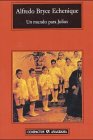
A World for Julius
by Alfredo Bryce Echenique
On This Page
Description
Julius was born in a mansion on Salaverry Avenue, directly across from the old San Felipe Hippodrome. Life-size Disney characters and cowboy movie heroes romp across the walls of his nursery. Out in the carriage house, his great-grandfather's ornate, moldering carriage takes him on imaginary adventures. But Julius's father is dead, and his beautiful young mother passes through her children's lives like an ephemeral shooting star. Despite the soft shelter of family and money, hard realities show more overshadow Julius's expanding world, just as the rugged Andes loom over his home in Lima. This lyrical, richly textured novel, first published in 1970 as Un mundo para Julius, opens new territory in Latin American literature with its focus on the social elite of Peru. A member of that elite, Bryce Echenique incisively charts the decline of an influential, centuries-old aristocratic family who becomes nouveaux riches with the invasion of foreign capital in the 1950s. A World for Julius, his first novel, marks the first appearance in English of this important Peruvian writer, whose Latin American postmodern fiction has won critical acclaim throughout the Spanish-speaking world. show lessTags
Recommendations



































Member Recommendations


chrisharpe In the same vein as "A World for Julius", I recall "La vida exagerada" being much more humorous. It would be enjoyed by anyone who liked "Julius".
Member Reviews
When we think of Peruvian authors, we think of Nobelist Mario Vargas Llosa. Having read this novel, I hope more people will become acquainted with Peruvian author Alfredo Bryce Echenique.
A World for Julius won Peru's National Book Award for the year it was written, and it is also the winner of the Outstanding Translation Award of the American Literary Translator's Association and the Columbia University Translation Center Award.
How do I describe this book? Well, it is the story of Julius from age 2 to age 12. Julius is the youngest child of an oligarchic Peruvian family. The time is the 1950's, and as the novel begins Julius's father has just died. Within a short time his mother remarries. His stepfather and older brothers exude Latin show more American machismo. (When one of his older brothers attempts to rape Julius's nanny, the stepfather's solution is to fire the nanny and buy the son a car). Julius's beautiful, distant and ephemeral mother is never present for Julius (or her other children for that matter). Her vocabulary is rife with words like "divine" and "Darling!" Her concerns are parties, clothes, golf, and whether Don Juan Lucas, her husband, is faithful.
Julius is mostly left in the company of the household staff--the cook, the laundress, the nanny, the maid, the chauffer, the gardener, all of whom are either Indian, Mestizo, or Mulatto. They create a rich life for him. In certain ways, the book could be looked at as a Peruvian "Upstairs, Downstairs," although a version that is not so forgiving of the "upstairs" people.
While the story is Julius's, and large parts are narrated from his point of view, the novel shifts seamlessly from the point of view of one character to another. We are in everyone's mind (except, curiously Don Juan Lucas--we see him only from the outside). Sometimes the writing slips into an almost hallucinatory stream of conciousness. Mostly, however, the writing style, while unique and unusual, is never hard to read or dense.
Here's the first paragraph of the book:
"Julius was born in a mansion on Salaverry Avenue, directly across from the old San Felipe Hippodrome. The mansion had carriage houses, gardens, a swimming pool, and a small orchard into which two year old Julius would wander and then be found later, his back turned, perhaps bending over a flower. The mansion had servant's quarters that were like a blemish on the most beautiful face. There was even a carriage that your great-grandfather used, Julius, when he was President of the Republic, be careful, don't touch! it's covered with cobwebs, and turning away from his mother, who was lovely, Julius tried to reach the door handle. The carriage and the servants' quarters always held a strange fascination for Julius...."
I loved this book, and highly recommend it. show less
A World for Julius won Peru's National Book Award for the year it was written, and it is also the winner of the Outstanding Translation Award of the American Literary Translator's Association and the Columbia University Translation Center Award.
How do I describe this book? Well, it is the story of Julius from age 2 to age 12. Julius is the youngest child of an oligarchic Peruvian family. The time is the 1950's, and as the novel begins Julius's father has just died. Within a short time his mother remarries. His stepfather and older brothers exude Latin show more American machismo. (When one of his older brothers attempts to rape Julius's nanny, the stepfather's solution is to fire the nanny and buy the son a car). Julius's beautiful, distant and ephemeral mother is never present for Julius (or her other children for that matter). Her vocabulary is rife with words like "divine" and "Darling!" Her concerns are parties, clothes, golf, and whether Don Juan Lucas, her husband, is faithful.
Julius is mostly left in the company of the household staff--the cook, the laundress, the nanny, the maid, the chauffer, the gardener, all of whom are either Indian, Mestizo, or Mulatto. They create a rich life for him. In certain ways, the book could be looked at as a Peruvian "Upstairs, Downstairs," although a version that is not so forgiving of the "upstairs" people.
While the story is Julius's, and large parts are narrated from his point of view, the novel shifts seamlessly from the point of view of one character to another. We are in everyone's mind (except, curiously Don Juan Lucas--we see him only from the outside). Sometimes the writing slips into an almost hallucinatory stream of conciousness. Mostly, however, the writing style, while unique and unusual, is never hard to read or dense.
Here's the first paragraph of the book:
"Julius was born in a mansion on Salaverry Avenue, directly across from the old San Felipe Hippodrome. The mansion had carriage houses, gardens, a swimming pool, and a small orchard into which two year old Julius would wander and then be found later, his back turned, perhaps bending over a flower. The mansion had servant's quarters that were like a blemish on the most beautiful face. There was even a carriage that your great-grandfather used, Julius, when he was President of the Republic, be careful, don't touch! it's covered with cobwebs, and turning away from his mother, who was lovely, Julius tried to reach the door handle. The carriage and the servants' quarters always held a strange fascination for Julius...."
I loved this book, and highly recommend it. show less
Militza recommendation. If it would not have been for the very good (though very sad and depressing ending), it would have been a total waste of time. Very slow moving and repetitious at times. Hard to take so much about extremely shallow and snobby people.
An absolute gem! You'll not forget this one.
Habiendo leído "La vida exagerada de Martín Romaña" y "El hombre que hablaba de Octavia de Cádiz" , la lectura de "Un mundo para Julius" supone un cambio, no radical pero sí profundo. Aunque tanto "Martín" como "Octavia" contenían una buena dosis de tristeza e, incluso, deseperación, el humor es omnipresente en ellos.
"Julius" es distinto. El humor también existe pero muy soterrado: casi no hay situaciones grotescas y el lenguaje tampoco está forzado (bien forzado debo decir en "Martín" y "Octavia") hacia la risa. La tristeza también es más sutil, llena de nostalgia y ausente de desesperación. Es una tristeza tibia, de abandono de la infancia, llena de ternura y atención a los detalles de ese mundo mágico que no se vuelve show more a pisar.
*****Spoiler (se comenta una escena del final de la novela)*****
Me gustaría destacar una escena hacia el final del libro, cuando parece que la acción comienza a repetirse. Es el recuerdo de Cinthia, la hermanita muerta, tras al fiesta de graduación de Bobby, el hermano mediano. Ese final de fiesta en el que Julius se encierra en su cuarto y se pone a conversar con el retrato de su hermana diciéndole que ha tenido que abandonar la fiesta porque las chicas de 15, 16 y 17 años que bailaban eran sus compañeras. Eran lo que debía haber sido ella, pero ninguna se acordaba ya de su compañera muerta 6 años atrás. Ninguna se acordaba, repetía Julius varias veces. Y confesaba, o más bien, el autor nos confesaba a los lectores que Julius hablaba todas las noches con su hermana, con el retrato que guardaba en su mesilla. Aunque su madre, Susan, se lo hubiera prohibido un día al descubrirlo. "Te va a hacer daño, Julius".
Podría decirse que Bryce nos ha hecho trampas porque, aunque la añoranza de Cinthia surge varias veces a lo largo de la narración, no recuerdo que en ningún momento se mencione tan claramente esta pequeña locura de Julius, este aferramiento tenaz y "pazzo" al recuerdo de su hermana. Pero sí es cierto que, alguna vez, Julius comenta algo a Cinthia en el libro, seguramente muy brevemente, para no llamar la atención. Pero no considero el episodio una carta marcada guardada por el novelista en su manga. Más bien es algo plenamente realista, algo escondido en Julius pero consecuente con el personaje: tierno, observador, sensible, profundamente impresionado por la muerte de su hermana, el único miembro de su familia que compartía su percepción del mundo.
Son estas sugerencias de sentimientos profundos las que conmueven en el arte: en las novelas, en las películas. La escena de Un mundo para Julius parece concienzudamente preparada. Comienza en la fiesta con una chica simpática y alegre que baila y llena la pista de viveza y movimiento. Bryce apenas describe sus rasgos. Dice que es bonita y se centra en su actitud: en su simpatía, en su alegría, en su acercamiento a Julius, al que Bobby había querido excluir de la fiesta y en el que el resto de los invitados apenas ha reparado. Pero la chica simpática sí se ha fijado, le ha hecho gracia y le llama para que baile con ella. Y Julius se queda paralizado. Pensamos, quizás, que siente la llamada del amor, como cuando descubre a los dos adolescentes del barrio Marconi (Cecilia y Manolo) besándose en la puerta de la habitación del hotel. En ese momento Susan no puede resistir la fiesta y se marcha. Y nuevamente nos equivocamos y pensamos que no puede soportar la carga de los años, ver a nuevas jovencitas ocupar su papel, percatarse de que el tiempo pasado no volverá, y necesita estar sola para recordar sus años de Londres, como ha ocurrido cuando Juan Lucas encuentra a la chica sueca.
Pero en pocas líneas nos percatamos de nuestro error: Julius, en su habitación nos descubre la pena de su madre, ese personaje apenas entrevisto, que parece más frívolo que sensible, pero humano al fin y al cabo. A través del monólogo de Julius se abalanzan hacia nosotros decenas de sentimientos escondidos hasta entonces, subyacentes en el libro, que comprendemos porque han estado soterrados durante páginas. show less
"Julius" es distinto. El humor también existe pero muy soterrado: casi no hay situaciones grotescas y el lenguaje tampoco está forzado (bien forzado debo decir en "Martín" y "Octavia") hacia la risa. La tristeza también es más sutil, llena de nostalgia y ausente de desesperación. Es una tristeza tibia, de abandono de la infancia, llena de ternura y atención a los detalles de ese mundo mágico que no se vuelve show more a pisar.
*****Spoiler (se comenta una escena del final de la novela)*****
Me gustaría destacar una escena hacia el final del libro, cuando parece que la acción comienza a repetirse. Es el recuerdo de Cinthia, la hermanita muerta, tras al fiesta de graduación de Bobby, el hermano mediano. Ese final de fiesta en el que Julius se encierra en su cuarto y se pone a conversar con el retrato de su hermana diciéndole que ha tenido que abandonar la fiesta porque las chicas de 15, 16 y 17 años que bailaban eran sus compañeras. Eran lo que debía haber sido ella, pero ninguna se acordaba ya de su compañera muerta 6 años atrás. Ninguna se acordaba, repetía Julius varias veces. Y confesaba, o más bien, el autor nos confesaba a los lectores que Julius hablaba todas las noches con su hermana, con el retrato que guardaba en su mesilla. Aunque su madre, Susan, se lo hubiera prohibido un día al descubrirlo. "Te va a hacer daño, Julius".
Podría decirse que Bryce nos ha hecho trampas porque, aunque la añoranza de Cinthia surge varias veces a lo largo de la narración, no recuerdo que en ningún momento se mencione tan claramente esta pequeña locura de Julius, este aferramiento tenaz y "pazzo" al recuerdo de su hermana. Pero sí es cierto que, alguna vez, Julius comenta algo a Cinthia en el libro, seguramente muy brevemente, para no llamar la atención. Pero no considero el episodio una carta marcada guardada por el novelista en su manga. Más bien es algo plenamente realista, algo escondido en Julius pero consecuente con el personaje: tierno, observador, sensible, profundamente impresionado por la muerte de su hermana, el único miembro de su familia que compartía su percepción del mundo.
Son estas sugerencias de sentimientos profundos las que conmueven en el arte: en las novelas, en las películas. La escena de Un mundo para Julius parece concienzudamente preparada. Comienza en la fiesta con una chica simpática y alegre que baila y llena la pista de viveza y movimiento. Bryce apenas describe sus rasgos. Dice que es bonita y se centra en su actitud: en su simpatía, en su alegría, en su acercamiento a Julius, al que Bobby había querido excluir de la fiesta y en el que el resto de los invitados apenas ha reparado. Pero la chica simpática sí se ha fijado, le ha hecho gracia y le llama para que baile con ella. Y Julius se queda paralizado. Pensamos, quizás, que siente la llamada del amor, como cuando descubre a los dos adolescentes del barrio Marconi (Cecilia y Manolo) besándose en la puerta de la habitación del hotel. En ese momento Susan no puede resistir la fiesta y se marcha. Y nuevamente nos equivocamos y pensamos que no puede soportar la carga de los años, ver a nuevas jovencitas ocupar su papel, percatarse de que el tiempo pasado no volverá, y necesita estar sola para recordar sus años de Londres, como ha ocurrido cuando Juan Lucas encuentra a la chica sueca.
Pero en pocas líneas nos percatamos de nuestro error: Julius, en su habitación nos descubre la pena de su madre, ese personaje apenas entrevisto, que parece más frívolo que sensible, pero humano al fin y al cabo. A través del monólogo de Julius se abalanzan hacia nosotros decenas de sentimientos escondidos hasta entonces, subyacentes en el libro, que comprendemos porque han estado soterrados durante páginas. show less
Nov 22, 2009Spanish
Bryce Echenique crea un mundo verbal y de sentimientos a través de la infancia . Ello no escatima la mirada atenta sobre el sector entronizado en la pirámide social. En esta complejidad narrativa, así como en el aporte fundamental al género llamado "novela de la educación", y al de la narrativa extensa que sabe evocar su tiempo jamás perdido.
Aug 25, 2021Spanish
Julius es un niño inteligente y bien tratado por la fortuna, que resulta pretexto, punto de continua confluencia de un sistema de costumbres y de ideas que configuran una situación tenida de buen gusto, amenazada por la fragilidad y subrayada por una injusticia terrible.
Feb 23, 2023Spanish
Members
- Recently Added By
Lists

Latin American Literature
50 works; 11 members

Latin America
45 works; 6 members

Las cien mejores novelas escritas en español durante el siglo XX
22 works; 1 member

My TBR
371 works; 3 members

1970 Club
85 works; 2 members

Las cien mejores novelas del siglo XX en lengua española
117 works; 1 member
Author Information

56+ Works 1,924 Members
Alfredo Bryce Echenique was born in 1939 in Lima, Peru. He is the author of thirteen previous works of fiction & nonfiction, including the novel "A World for Julius". He divides his time between France & Peru. (Bowker Author Biography)
Some Editions
Awards and Honors
Series
Belongs to Publisher Series
Common Knowledge
- Canonical title
- A World for Julius
- Original title
- Un mundo para Julius
- Original publication date
- 1970
Classifications
Statistics
- Members
- 464
- Popularity
- 65,729
- Reviews
- 10
- Rating
- (4.00)
- Languages
- 6 — English, French, German, Italian, Spanish, Swedish
- Media
- Paper, Ebook
- ISBNs
- 40
- ASINs
- 8