Paper Covers Rock
by Jenny Hubbard
On This Page
Description
Michael L. Printz Honor Award-winning author of And We Stay Jenny Hubbard’s powerful debut novel.“One of the best young adult books I’ve read in years.”—PAT CONROY
“Paper Covers Rock is dazzling in its intensity and intelligence, spell-binding in its terrible beauty.” —KATHI APPELT, author of the Newbery Honor Book The Underneath
Sixteen-year-old Alex has just begun his junior year at a boys’ boarding school when he fails to save a friend from drowning in a river show more on campus. Afraid to reveal the whole truth, Alex and Glenn, who was also involved, decide to lie. But the boys weren’t the only ones at the river that day . . . and they soon learn that every decision has a consequence.
A William C. Morris Debut Award Finalist
A Booklist Editors’ Choice
A Horn Book Fanfare
A School Library Journal Best Book of the Year
A Publishers Weekly Flying Start Author
A Booklist Top 10 First Novel for Youth
An ABC Top 10 New Voices Selection
* “The poignant first-person narration is a deftly woven mixture of confessional entries, class assignments, poems, and letters. . . . [A] tense dictation of secrets, lies, manipulation, and the ambiguity of honor.” —The Horn Book Magazine, Starred
* "In the tradition of John Knowles’s A Separate Peace. . . . A powerful, ambitious debut.” —Publishers Weekly, Starred
* "Those who are looking for something to ponder will enjoy this compelling read.” —School Library Journal, Starred
* “This novel introduces Hubbard as a bright light to watch on the YA literary scene.” —Booklist, Starred. show less
Tags
Recommendations


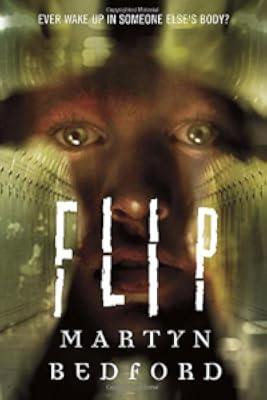
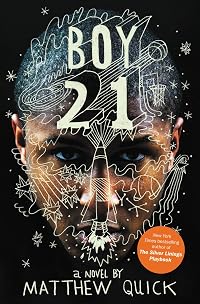
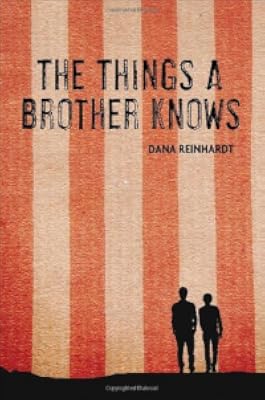
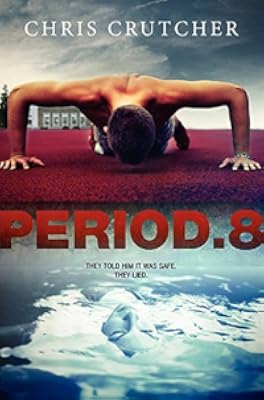





Member Recommendations
Member Reviews
Sensitive portrayal of a boy coping with the accidental death of his best friend. Terrific writing and the glorification of literature/writing/books is an added bonus.
Alex's best friend has died as a result of a diving accident at the local swimming hole. The boys had been drinking. Alex's role in the death is further complicated by doubts about the resuscitation and rescue efforts. In sum: Alex is carrying a load of guilt. He writes in a secret journal and his words help him cope but can only carry him so far. He can't talk to anyone for fear of being outed for the drinking (and expelled). In fact, he and his surviving friends conspire to cover-up and set up several fall guys for the incident ("The Plan"). Added to the mix is the fact show more that his English teacher (a mad crush) has witnessed part of the accident. How much does she know? How can they silence her?
In addition to the fine writing, "The Plan" as it unfolds creates a nice thread of suspense. The book is also a true-to-life look at a boy's first love (again, on his English teacher) the loss of innocence / coming of age. The author captures beautifully the climate of a boys boarding school (i.e., the male culture)
Alex's crush is sensitively handled but obviously carries a sexual component (he has erections; dreams of seducing her, etc.) Further, there is some hints of homosexual experimentation and name-calling (see "male culture" above!) All of this might rattle a few cages but, in this reader's estimation, is essential to the believability of the story.
Highly recommended. show less
Alex's best friend has died as a result of a diving accident at the local swimming hole. The boys had been drinking. Alex's role in the death is further complicated by doubts about the resuscitation and rescue efforts. In sum: Alex is carrying a load of guilt. He writes in a secret journal and his words help him cope but can only carry him so far. He can't talk to anyone for fear of being outed for the drinking (and expelled). In fact, he and his surviving friends conspire to cover-up and set up several fall guys for the incident ("The Plan"). Added to the mix is the fact show more that his English teacher (a mad crush) has witnessed part of the accident. How much does she know? How can they silence her?
In addition to the fine writing, "The Plan" as it unfolds creates a nice thread of suspense. The book is also a true-to-life look at a boy's first love (again, on his English teacher) the loss of innocence / coming of age. The author captures beautifully the climate of a boys boarding school (i.e., the male culture)
Alex's crush is sensitively handled but obviously carries a sexual component (he has erections; dreams of seducing her, etc.) Further, there is some hints of homosexual experimentation and name-calling (see "male culture" above!) All of this might rattle a few cages but, in this reader's estimation, is essential to the believability of the story.
Highly recommended. show less
The book opens with the narrator explaining why, after two years of letting the journal his father gave him when he went away to boarding school lay fallow on his shelf, he is now writing in his journal. The narrator, Alex Stromm, is writing the journal for himself spurred to do so by the death of his friend and classmate, Thomas Broughton, from drowning. Alex's thoughts, feelings, and overall reaction to this event comprise the rest of the novel. The story he tells involves another friend, Glenn, and a special teacher, Miss Dovecott, who is just a few years older than Alex, the junior student, and who encourages his writing especially his budding efforts at poetry. As he records his thoughts in the journal his relationships, both show more school and family, become clearer. There are a few touching moments such as Alex's letter of condolence to Thomas' parents that opens, "I have been wanting to write for a couple of weeks now, but I did not know exactly what to say or how to say it, so I have put it off. Now I realize that I will never know exactly what to say or how to say it. . . " (pp 64-65) Both the poetry and the prose in the book limn a young student of above-average ability. The writing ability helps Alex express his feelings about both love and death as he tries to move forward in his school life. Near the end of the book he writes, "...and he'll leave it as others have left it, as others will leave it, boys stepping into who they are without ever having known who they were." (p 163) , suggesting he still has work to do, and he is developing the maturity to do so.
The book is laced with literary references, primarily to Moby-Dick which inspired Alex's literary nom de plume of "Is Male". This is both a literary reference and a symbol of his young male hormones that are as much a reason as any for his crush on Miss Dovecott. The tone throughout is one of mystery and melancholy; mystery as to the nature of Alex's involvement with the death of his friend Thomas and melancholy as his feelings are poured out over the pages of his journal. The result is a subtle portrayal of how one teenager matures through dealing with loyalty, honor, and love in a boarding school environment. While the novel is reminiscent of John Knowles' A Separate Peace, it does not quite match that novel's literary heft. However, I was impressed with the author's lucid prose and moved by the slight story. I appreciated young Alex's appreciation of reading in the opening pages when he wrote in his journal, "Read to your heart's content. Though if you are a reader, the heart is never content." (p 2) show less
The book is laced with literary references, primarily to Moby-Dick which inspired Alex's literary nom de plume of "Is Male". This is both a literary reference and a symbol of his young male hormones that are as much a reason as any for his crush on Miss Dovecott. The tone throughout is one of mystery and melancholy; mystery as to the nature of Alex's involvement with the death of his friend Thomas and melancholy as his feelings are poured out over the pages of his journal. The result is a subtle portrayal of how one teenager matures through dealing with loyalty, honor, and love in a boarding school environment. While the novel is reminiscent of John Knowles' A Separate Peace, it does not quite match that novel's literary heft. However, I was impressed with the author's lucid prose and moved by the slight story. I appreciated young Alex's appreciation of reading in the opening pages when he wrote in his journal, "Read to your heart's content. Though if you are a reader, the heart is never content." (p 2) show less
1. I like that this is set in the 1980s and not in the present day - after reading so much contemporary fiction set in the modern day, this was refreshing, and it was achieved delicately, without lots of heavy-handed references to the Reagan administration or KISS. The main difference, actually, is in the attitudes toward homosexuality.
2. It is reminiscent of A Separate Peace, but there are a few key differences: one, there's no question of Thomas having been pushed to his death by the narrator; two, the narrator, Alex, was not the only one there when Thomas died. Instead of dealing with grief and guilt alone, he has a friend in the same situation - but that friend complicates more than he simplifies.
3. As in much of YA literary show more fiction, other literary works are used as a touchstone, especially Moby-Dick (though Alex does not ever make it past the first chapter - again, refreshingly honest). A few of "Alex's" own poems are scattered throughout the book and they are pretty good - not cringe-inducing failed attempts, nor so good that they couldn't have been written by a teenager.
4. The letter Alex writes to Thomas' parents (p. 64-65) is as good a condolence message as any I have ever seen ("...Now I realize that I will never know exactly what to say or how to say it...")
Read to your heart's content. Though if you are a reader, the heart is never content. (2)
Loss of innocence is the knowledge that your brain, no matter how much you cajole it, can never make your heart pure. (73)
The brain is like a tree, and the tree has roots so deep that you have no idea what it is that grounds you. (130)
Lose an arm in the tow,
shed the shell, breathe
farewell in the waves. (130)
Poetry is a way of seeing the world with your feelings. (148)
...and he'll leave it as others have left it, as others will leave it, boys stepping into who they are without ever having known who they were. (163) show less
2. It is reminiscent of A Separate Peace, but there are a few key differences: one, there's no question of Thomas having been pushed to his death by the narrator; two, the narrator, Alex, was not the only one there when Thomas died. Instead of dealing with grief and guilt alone, he has a friend in the same situation - but that friend complicates more than he simplifies.
3. As in much of YA literary show more fiction, other literary works are used as a touchstone, especially Moby-Dick (though Alex does not ever make it past the first chapter - again, refreshingly honest). A few of "Alex's" own poems are scattered throughout the book and they are pretty good - not cringe-inducing failed attempts, nor so good that they couldn't have been written by a teenager.
4. The letter Alex writes to Thomas' parents (p. 64-65) is as good a condolence message as any I have ever seen ("...Now I realize that I will never know exactly what to say or how to say it...")
Read to your heart's content. Though if you are a reader, the heart is never content. (2)
Loss of innocence is the knowledge that your brain, no matter how much you cajole it, can never make your heart pure. (73)
The brain is like a tree, and the tree has roots so deep that you have no idea what it is that grounds you. (130)
Lose an arm in the tow,
shed the shell, breathe
farewell in the waves. (130)
Poetry is a way of seeing the world with your feelings. (148)
...and he'll leave it as others have left it, as others will leave it, boys stepping into who they are without ever having known who they were. (163) show less
I have to give at least four stars for Hubbard's poetic, literary writing and complex narrative structure (it's more of a set of connected vignettes that move back and forth in time than a straight forward-momentum shot). I also have to give at least four stars to the actual poems in the novel, written by Alex, the narrator, a couple of which gave me the shivers.
As for my overall enjoyment and emotional investment, though, I can't give this more than 2 stars. I'll try to get more into why this didn't work for me as a story later (rather than a collection of short, beautifully written pieces), but mostly, I think it is because I found the whole "young writer writing about himself while being self-aware of how his writing informs his show more life" tiresome after a while. I have a pretty high tolerance for self-reflexive narratives, but there needs to be something other to offset the intense navel-gazing. I got tired of all the Moby Dick references, the Hemingway references, and the Simon & Garfunkel references. I got tired of all the direct addresses to the reader, and all the times Alex says something like "if this were a novel, and I was a character, I would . . . . " I got tired of the author (Hubbard, I mean, but also Alex, insomuch as he is the 'author' of this story) dancing around whatever dark secrets they all have (their "darkest selves"), which are slowly revealed but then end up under-explored emotionally. This story doesn't build to a climax, or a moment of truth, or a big reveal, but sort of stutters along a baseline, never straying too far.
None of this is necessarily bad. I certainly wouldn't fault anyone for loving this book. It might even come down to mood. It's a subdued, contemplative novel that never stops being melancholy, not even for a second, and later on, I might be in the mood to sit quietly and revel in the language and think deep thoughts. But then I might just choose to read A Separate Peace again, instead.
Also, the boy on the cover is brooding so hard he is going to pop a vein! show less
As for my overall enjoyment and emotional investment, though, I can't give this more than 2 stars. I'll try to get more into why this didn't work for me as a story later (rather than a collection of short, beautifully written pieces), but mostly, I think it is because I found the whole "young writer writing about himself while being self-aware of how his writing informs his show more life" tiresome after a while. I have a pretty high tolerance for self-reflexive narratives, but there needs to be something other to offset the intense navel-gazing. I got tired of all the Moby Dick references, the Hemingway references, and the Simon & Garfunkel references. I got tired of all the direct addresses to the reader, and all the times Alex says something like "if this were a novel, and I was a character, I would . . . . " I got tired of the author (Hubbard, I mean, but also Alex, insomuch as he is the 'author' of this story) dancing around whatever dark secrets they all have (their "darkest selves"), which are slowly revealed but then end up under-explored emotionally. This story doesn't build to a climax, or a moment of truth, or a big reveal, but sort of stutters along a baseline, never straying too far.
None of this is necessarily bad. I certainly wouldn't fault anyone for loving this book. It might even come down to mood. It's a subdued, contemplative novel that never stops being melancholy, not even for a second, and later on, I might be in the mood to sit quietly and revel in the language and think deep thoughts. But then I might just choose to read A Separate Peace again, instead.
Also, the boy on the cover is brooding so hard he is going to pop a vein! show less
I listened to this on audio (a short one, only 4 discs) and it captivated me from the very first lines. With audios, I usually instantly love it or instantly hate it; I'm a sucker for a great narrator. This was a beautifully written story about the aftermath of a drowning accident at a strict all boys boarding school. I recommend this book to everyone, and after loving the audio I am curious to read it in book form- there is a lot of poetry that I'd like to see on paper. Also, fair warning, this book may make you want to go pick up Moby Dick if you haven't already.
An accident by the river at a boy’s boarding school; a set of friends who cover up the truth; a young teacher connects with a student through poetry; one student desperate to keep his biggest secret hidden; a journal writer attempting to piece all the information together; all of these pieces come together in Paper Covers Rock.
What really happened the day Thomas drowned? Alex and Glenn make a pact to cover up the truth. Alex feels a lot of guilt over Thomas’s death and begins to write journal entries (what he likes to refer to as his “great American novel”) trying to piece everything together. Except that it wasn’t just Alex and Glenn by the river, it’s possible that their English teacher, Ms. Dovecott, witnessed everything. show more As the semester goes on Alex finds himself putting more and more of his thoughts on paper, in his journal and his English assignments, while Glenn becomes more paranoid about what Ms. Dovecott knows to the point that he hatches a plan to intimidate her into silence. Will Alex go along with Glenn’s plan or will his guilt force him to come clean?
I’ve wanted to read Paper Covers Rock since I first heard about it earlier this year. The cover copy reminded me slightly of A Separate Peace. The comparisons are easy to make - both novels are set at a boy’s boarding school, a tragic accident occurs, lies are told about what really happened, but that’s where the similarities end. A Separate Peace was set during World War II; it was almost a character itself in how it affected the lives of the characters, while Paper Covers Rock is set in 1982, where boarding school politics take center stage.
Overall, Paper Covers Rock lived up to my expectations. It is beautifully written and the author’s background as teacher, poet and playwright are evident in the way the story was set up and executed. Alex’s journal entries and the homework assignments he adds give a picture of a boy who feels a lot of guilt over what happened to his best friend. He is desperately trying to figure out why and how Thomas could have died and through is writing learns the reason behind the death. I love that he hides out in the library when he’s writing and that he hides his journal behind a copy of Moby Dick because he knows no one will be checking it out anytime soon.
The action really focuses on Alex, Glenn and Ms. Dovecott. They are the most developed characters. Alex does mention other students in his year and some of them are introduced in English class, but they mostly seemed like filler. Not every character has to be fully developed, so I was okay with this. I only wished that Alex’s dad had gotten a little more page time, I know he had a very small part to play, but it would have been interesting to see that relationship a little more.
There were a couple of things that took away from my enjoyment of Paper Covers Rock. The first was Alex’s voice; it didn't always sound like a sixteen-year-old boy’s voice. Occasionally, it sounded like a much older person talking about events that happened to them a long time ago. The second was Glenn, he was such a manipulative character and he expected that everyone would just go along with his plan. Alex calls him a “golden boy” because he seemed to be able to do nothing wrong (or at least not get caught despite the fact that he was often in the spotlight). I just never liked him as a character or connected with him.
Paper Covers Rock has a more literary feel than other recently published young adult books. It will appeal to certain readers and it’s not a book I would recommend to everyone. It talks about some weighty issues (death, drinking, and teacher-student relationships), so I would recommend it mostly to older teens. show less
What really happened the day Thomas drowned? Alex and Glenn make a pact to cover up the truth. Alex feels a lot of guilt over Thomas’s death and begins to write journal entries (what he likes to refer to as his “great American novel”) trying to piece everything together. Except that it wasn’t just Alex and Glenn by the river, it’s possible that their English teacher, Ms. Dovecott, witnessed everything. show more As the semester goes on Alex finds himself putting more and more of his thoughts on paper, in his journal and his English assignments, while Glenn becomes more paranoid about what Ms. Dovecott knows to the point that he hatches a plan to intimidate her into silence. Will Alex go along with Glenn’s plan or will his guilt force him to come clean?
I’ve wanted to read Paper Covers Rock since I first heard about it earlier this year. The cover copy reminded me slightly of A Separate Peace. The comparisons are easy to make - both novels are set at a boy’s boarding school, a tragic accident occurs, lies are told about what really happened, but that’s where the similarities end. A Separate Peace was set during World War II; it was almost a character itself in how it affected the lives of the characters, while Paper Covers Rock is set in 1982, where boarding school politics take center stage.
Overall, Paper Covers Rock lived up to my expectations. It is beautifully written and the author’s background as teacher, poet and playwright are evident in the way the story was set up and executed. Alex’s journal entries and the homework assignments he adds give a picture of a boy who feels a lot of guilt over what happened to his best friend. He is desperately trying to figure out why and how Thomas could have died and through is writing learns the reason behind the death. I love that he hides out in the library when he’s writing and that he hides his journal behind a copy of Moby Dick because he knows no one will be checking it out anytime soon.
The action really focuses on Alex, Glenn and Ms. Dovecott. They are the most developed characters. Alex does mention other students in his year and some of them are introduced in English class, but they mostly seemed like filler. Not every character has to be fully developed, so I was okay with this. I only wished that Alex’s dad had gotten a little more page time, I know he had a very small part to play, but it would have been interesting to see that relationship a little more.
There were a couple of things that took away from my enjoyment of Paper Covers Rock. The first was Alex’s voice; it didn't always sound like a sixteen-year-old boy’s voice. Occasionally, it sounded like a much older person talking about events that happened to them a long time ago. The second was Glenn, he was such a manipulative character and he expected that everyone would just go along with his plan. Alex calls him a “golden boy” because he seemed to be able to do nothing wrong (or at least not get caught despite the fact that he was often in the spotlight). I just never liked him as a character or connected with him.
Paper Covers Rock has a more literary feel than other recently published young adult books. It will appeal to certain readers and it’s not a book I would recommend to everyone. It talks about some weighty issues (death, drinking, and teacher-student relationships), so I would recommend it mostly to older teens. show less
Hubbard, J. (2011). Paper covers rock. New York: Random House/Delacorte. 185 pp. ISBN: 978-0-385-74055-5. (Hardcover); $17.99.*
Alex is a boarding school student with an ear for language in a school for the elite. Wracked by guilt for his failure to save a drowning classmate, Alex vents some of his emotion through his poetry. Miss Dovecott, his English teacher and object of his fantasies, is a wise and perceptive young educator. She happened to be one of the first adults on the scene the night drunken Thomas dives into the water (instead of jumping) and drowns. In Alex’s writing she senses that there is a part of this story that still remains to be told. Glenn, who was also with Alex and Thomas that night, lives in fear that Miss show more Dovecott will get them kicked out of school. Glenn hatches a plot to neutralize Miss Dovecott and Alex and his poetry are the bait.
Each year dozens of books feature poetry; this year is no exception and some of these books are featured in this column. Hubbard’s book may win the prize for having the most literate, most well crafted poems published this year:
I nip them at night from the bed
outside the dining hall—daffodils,
hyacinths. In the morning I cradle
them to class in a vase. My students
ask where I got them, the know
I don’t have a yard of my own.
I say I got them from the place
inside me that has to bloom
then die to make room for more green.
They call me a thief, but they smile. (p. 47)
This book immediately recommends itself to literature lovers, both teachers and students. The “paper cover rock” game of chance reinforces multiple interpretations and serves almost as a chorus that frames the various interpretations depending on which element is listed first. It works in the story, even if it also may have the tendency to trivialize the story. While the poetry in this book is excellent, Hubbard captures the sexual tension and anxiety of many teen boys perfectly. The ending is nuanced, believable, and surprisingly predictable (and I mean this as a compliment of the highest order). The inter-textual play with Moby Dick and “Her-man” Melville fits the story, fits Alex’s voice, and adds a rich layer to the novel (and balances the “paper covers rock” game element). The way Hubbard handles Glenn and his motivations is story telling at its finest, and I am so pleased that she does not spoil the book by telling us the answer. This leaves the book open to multiple interpretations, which are supported by the text. Who knows? Maybe future students will be analyzing this book instead of Moby Dick! Did I say that the poetry is top notch! Purchase this for high school libraries and place additional copies in the classrooms of English teachers. show less
Alex is a boarding school student with an ear for language in a school for the elite. Wracked by guilt for his failure to save a drowning classmate, Alex vents some of his emotion through his poetry. Miss Dovecott, his English teacher and object of his fantasies, is a wise and perceptive young educator. She happened to be one of the first adults on the scene the night drunken Thomas dives into the water (instead of jumping) and drowns. In Alex’s writing she senses that there is a part of this story that still remains to be told. Glenn, who was also with Alex and Thomas that night, lives in fear that Miss show more Dovecott will get them kicked out of school. Glenn hatches a plot to neutralize Miss Dovecott and Alex and his poetry are the bait.
Each year dozens of books feature poetry; this year is no exception and some of these books are featured in this column. Hubbard’s book may win the prize for having the most literate, most well crafted poems published this year:
I nip them at night from the bed
outside the dining hall—daffodils,
hyacinths. In the morning I cradle
them to class in a vase. My students
ask where I got them, the know
I don’t have a yard of my own.
I say I got them from the place
inside me that has to bloom
then die to make room for more green.
They call me a thief, but they smile. (p. 47)
This book immediately recommends itself to literature lovers, both teachers and students. The “paper cover rock” game of chance reinforces multiple interpretations and serves almost as a chorus that frames the various interpretations depending on which element is listed first. It works in the story, even if it also may have the tendency to trivialize the story. While the poetry in this book is excellent, Hubbard captures the sexual tension and anxiety of many teen boys perfectly. The ending is nuanced, believable, and surprisingly predictable (and I mean this as a compliment of the highest order). The inter-textual play with Moby Dick and “Her-man” Melville fits the story, fits Alex’s voice, and adds a rich layer to the novel (and balances the “paper covers rock” game element). The way Hubbard handles Glenn and his motivations is story telling at its finest, and I am so pleased that she does not spoil the book by telling us the answer. This leaves the book open to multiple interpretations, which are supported by the text. Who knows? Maybe future students will be analyzing this book instead of Moby Dick! Did I say that the poetry is top notch! Purchase this for high school libraries and place additional copies in the classrooms of English teachers. show less
Members
- Recently Added By
Author Information
2+ Works 646 Members
Awards and Honors
Awards
Distinctions
Classifications
Statistics
- Members
- 285
- Popularity
- 113,082
- Reviews
- 21
- Rating
- (3.43)
- Languages
- English
- Media
- Paper, Audiobook, Ebook
- ISBNs
- 16
- ASINs
- 3