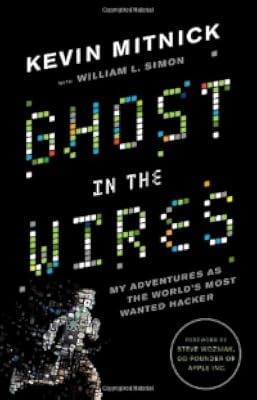
Ghost in the Wires: My Adventures as the World's Most Wanted Hacker
by Kevin Mitnick, William L. Simon (Contributor)
On This Page
Description
Kevin Mitnick, the world's most wanted computer hacker, managed to hack into some of the country's most powerful—and seemingly impenetrable—agencies and companies. By conning employees into giving him private information and maneuvering through layers of security, he gained access to data that no one else could.The suspenseful heart of the book unfolds as Mitnick disappears on a three-year run from the FBI. He creates fake identities, finds jobs at a law firm and hospital, and keeps show more tabs on his myriad pursuers—all while continuing to hack into computer systems and phone company switches that were considered flawless.
A modern, technology-driven adventure story, Ghost in the Wires is a dramatic account of the joy of outsmarting security programs, the satisfaction of code cracking, and the thrill of unbelievable escape.
. show less
Tags
Recommendations

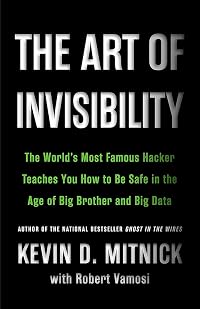
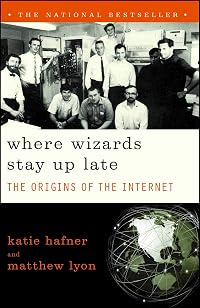

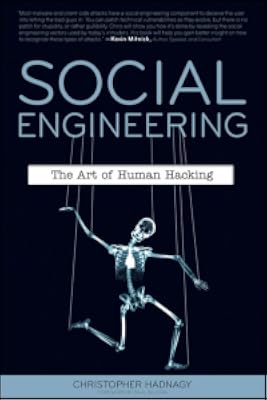
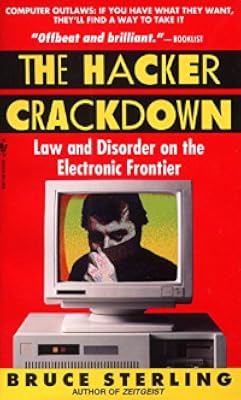
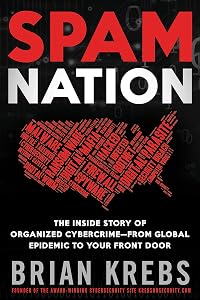


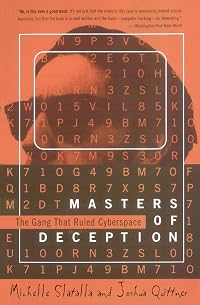
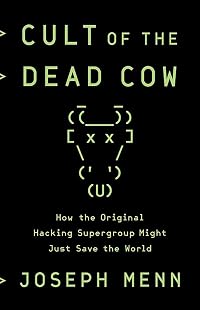
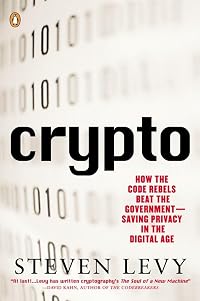
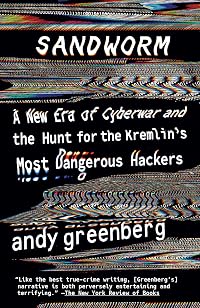
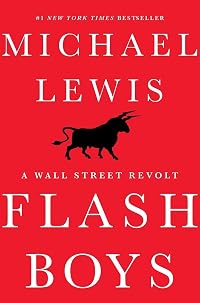
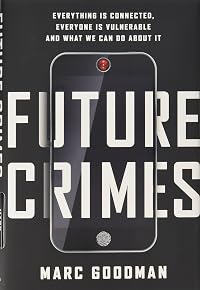
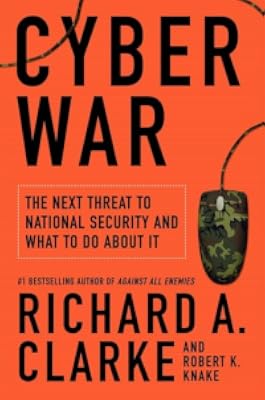

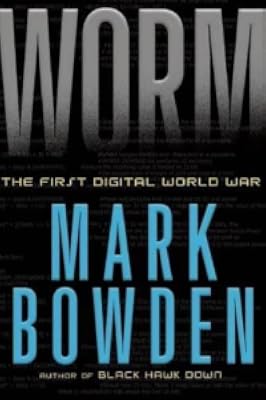
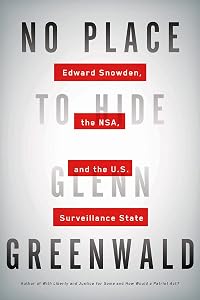
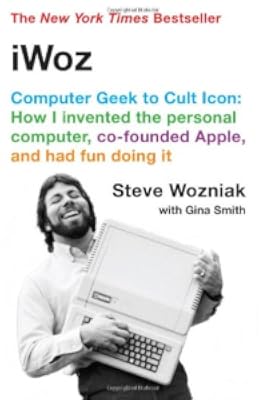
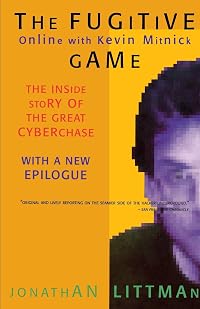

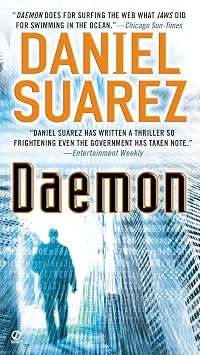
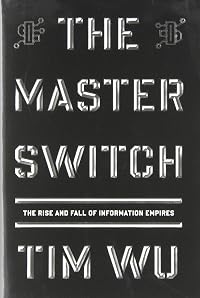
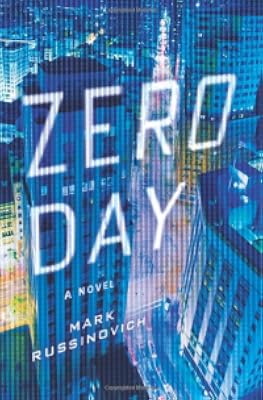
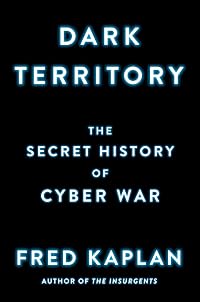

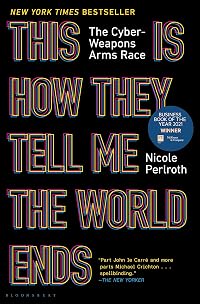
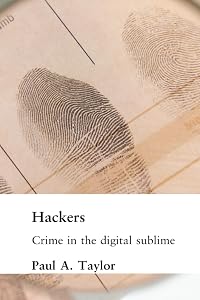
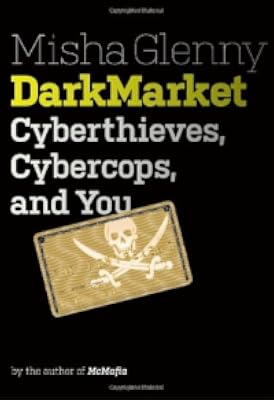
Member Recommendations
Member Reviews
Dated but very interesting. I got kind of a brutal creep vibe, not from the social engineering, but from his interpersonal interactions, his explanations of dynamics that didn't seem authentic or maybe are conveniently explained, his enabling family, his simultaneous brutal treatment of "friends" and wounded hurt that they were not his friends. He also seems grandiose and a braggart. However, it is very artful how he did things whether you agree with his actions or enjoy the impression of his personality you get. It is hard to fathom the breadth of information he had, how he applied it in high pressure situations, and how like a chess player he often had to plan things in series of moves ahead. For those aspects, it is a very worthy show more read, and even for the creepy parts, it is informative. show less
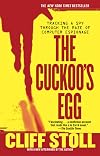
Along with Catch Me If You Can, Frank Abagnale Jr.'s autobiography, and the classic The Cuckoo's Egg: Tracking a Spy Through the Maze of Computer Espionage by Clifford Stoll, this is an amazing and exciting tale of pioneering social engineering, identify theft and evasion of the authorities. I really enjoyed this stroy of audacious crime and the author apparently never really trying to outrun his own eagerness to get over, as well as outrun the authorities.
Mitnick seems to accelerate from getting phone services unpaid, tapping into phone coversation, stealing proprietary code, other person's identities not to mention the work time and shipping costs of countless gullible marks without a twinge of guilt.
His ability to social engineer is show more the real skill, along with luck and an amazing memory, that every security administrator and anyone that answers a phone at work should be aware of. This book is a cautionary tale on many levels: not patching systems, trusting anyone that calls especially if they seem to be a colleague in need and the general pointlessness of trying to run from The Man. show less
Mitnick seems to accelerate from getting phone services unpaid, tapping into phone coversation, stealing proprietary code, other person's identities not to mention the work time and shipping costs of countless gullible marks without a twinge of guilt.
His ability to social engineer is show more the real skill, along with luck and an amazing memory, that every security administrator and anyone that answers a phone at work should be aware of. This book is a cautionary tale on many levels: not patching systems, trusting anyone that calls especially if they seem to be a colleague in need and the general pointlessness of trying to run from The Man. show less
written in Mitnick’s voice, he lovingly tells us the details on how he “socially engineered” every hack that appears in the book and the technological details as well. i like technically driven narratives like this for the most part but his fervor to explain in what he probably thought of as woefully inadequate detail became repetitive and had me skipping and skimming during the latter third of the book. nothing wrong with the writing, just me avoiding glossing over all the details of telephone company jargon, switch boxes, and codes.
the book imparted a sense of quiet thrill in figuring out how to hack systems, social engineer information from people, and the fugitive status of Mitnick for most of the narrative. it also conveyed show more an unfairness to these games. the things Mitnick admitted to doing - copying operating system codes, using telephone switch information to create call-forwarding and tracing, making free cell phone calls, etc- seem benign and not deserving of the massive amounts of effort by law enforcement to nab him. he makes the point later in the book that stealing software is unlike other theft because the “victim” still has the software - it’s just that someone else has it now, too. so, any monetary value assigned to the theft of that software should align more with unpaid licensing fees than with loss and replacement costs. i think that they hammered Mitnick and other hackers so hard because they were operating within a brand new realm, one which we still have not figured out entirely, that seemed like magic to many people in law enforcement. the other thing was a sardonic certainty that no one in their right mind would possibly be doing these things without some kind of financial motivation or coercion from some foreign or corporate power. the skills and knowledge needed for the kinds of activities engaged in by Mitnick could not possibly be for curiosity sake; it could not possibly be for the thrill of solving puzzles; it could not possibly be for the feeling of power that accompanies out-smarting security systems and bypassing the usual lanes of commerce. nope. Mitnick had to be a spy or some kind of scary cyber wizard with the powers to see through walls and teleport across the country.
all in all, this represents an entertaining and enlightening book into the world of one of the original and most famous of hackers. the completely human dimension this book adds to the life of a near-mythical hacker steals Hollywood’s image of a keyboard jockey with mad coding skills doing everything with code alone, never having to rely on actual reconnaissance of physical locations, special hardware or technology, or handling breathing human beings in-person or over the phone. show less
the book imparted a sense of quiet thrill in figuring out how to hack systems, social engineer information from people, and the fugitive status of Mitnick for most of the narrative. it also conveyed show more an unfairness to these games. the things Mitnick admitted to doing - copying operating system codes, using telephone switch information to create call-forwarding and tracing, making free cell phone calls, etc- seem benign and not deserving of the massive amounts of effort by law enforcement to nab him. he makes the point later in the book that stealing software is unlike other theft because the “victim” still has the software - it’s just that someone else has it now, too. so, any monetary value assigned to the theft of that software should align more with unpaid licensing fees than with loss and replacement costs. i think that they hammered Mitnick and other hackers so hard because they were operating within a brand new realm, one which we still have not figured out entirely, that seemed like magic to many people in law enforcement. the other thing was a sardonic certainty that no one in their right mind would possibly be doing these things without some kind of financial motivation or coercion from some foreign or corporate power. the skills and knowledge needed for the kinds of activities engaged in by Mitnick could not possibly be for curiosity sake; it could not possibly be for the thrill of solving puzzles; it could not possibly be for the feeling of power that accompanies out-smarting security systems and bypassing the usual lanes of commerce. nope. Mitnick had to be a spy or some kind of scary cyber wizard with the powers to see through walls and teleport across the country.
all in all, this represents an entertaining and enlightening book into the world of one of the original and most famous of hackers. the completely human dimension this book adds to the life of a near-mythical hacker steals Hollywood’s image of a keyboard jockey with mad coding skills doing everything with code alone, never having to rely on actual reconnaissance of physical locations, special hardware or technology, or handling breathing human beings in-person or over the phone. show less
I grew up in the 80s hacker scene so read this memoir by the periods most infamous hacker with glee. Mitnick's book captures the adrenaline rush of what it's like to be a hacker by describing a string of exciting stories and chases. His exploits were like winning the Superbowl of hackerdom, Mitnick took geek-cred to unheard of heights, and depths. In one case he wire tapped the FBI(!) and had a box of donuts waiting for when they executed a "surprise" raid on his house, the book is full of hutzpah like that. What makes Mitnick so heroic is he never did it for money, rather intellectual challenge. He was a modern day explorer in a world of artificial barriers. He was also a psychopath who cared little for consequences indeed reveling in show more others "stupidity" and bruising the egos of his enemies. Fortunately he wasn't evil and seems to have since grown up. I was one of those who rallied around the "Free Kevin" movement during one of his incarcerations, and this book explains how unfairly he was treated by the press and law. Yet one has to question, has the master of social engineering written this book as a clever attack on his enemies; we may never know, but I like to believe the stories are true. Kevin remains an enigma, which speaks to the truth of his humanity better than white/black hat. show less
This book was incredibly disappointing. The overarching story of Kevin Mitnick appears to be one of an addiction to hacking that, even in the hindsight of the final chapters, is unremorseful to any wrongdoing the point of presenting himself as the sole victim.
There is no redemption arc to the story. While there is a legal reformation, the book does not describe any change in character or morals. This is deeply disturbing, as he now presents himself as an ethical hacker. Based purely on the book's own description, it would be more accurately termed legal hacking, as ethics do not appear to enter into it.
There is no redemption arc to the story. While there is a legal reformation, the book does not describe any change in character or morals. This is deeply disturbing, as he now presents himself as an ethical hacker. Based purely on the book's own description, it would be more accurately termed legal hacking, as ethics do not appear to enter into it.
Ghost in the Wires by Kevin Mitnick is almost impossible to put down. This book is the author's true story that began in 1970's Los Angeles when he first discovered his love for hacking computers and phones... and couldn't stop. Even when he was being pursued by the FBI he couldn't stop.
Two points stand out for me that make Mitnick's story completely fascinating. One, he is an exceptionally talented social engineer and manipulator—a natural at thinking on his feet and of causing others to give up their secrets with seemingly little effort. This allows Mitnick to sidestep impenetrable computer security systems by instead going through those who possess the keys, the network system administrators. I never tired of reading anecdote show more after anecdote of how he social engineered some important morsel of information needed for whatever hack he was into at the moment. And two, this isn't some weekend hobby of his. Kevin Mitnick shows a compulsion to unlock digital security barriers that's more on par with a drug addiction. Imagine being addicted to computer hacking? Often it's clear that he loved the adrenaline high that came from almost being caught. And he definitely wasn't doing it for the money since he had endless opportunities to profit from his break-ins but never did.
The FBI does eventually catch up with him and you'll have to wrestle with how accountable he should be held for his crimes. The tech-speak can be a little heavy at times but it never distracts from the tone of the story. I highly recommend this one. show less
Two points stand out for me that make Mitnick's story completely fascinating. One, he is an exceptionally talented social engineer and manipulator—a natural at thinking on his feet and of causing others to give up their secrets with seemingly little effort. This allows Mitnick to sidestep impenetrable computer security systems by instead going through those who possess the keys, the network system administrators. I never tired of reading anecdote show more after anecdote of how he social engineered some important morsel of information needed for whatever hack he was into at the moment. And two, this isn't some weekend hobby of his. Kevin Mitnick shows a compulsion to unlock digital security barriers that's more on par with a drug addiction. Imagine being addicted to computer hacking? Often it's clear that he loved the adrenaline high that came from almost being caught. And he definitely wasn't doing it for the money since he had endless opportunities to profit from his break-ins but never did.
The FBI does eventually catch up with him and you'll have to wrestle with how accountable he should be held for his crimes. The tech-speak can be a little heavy at times but it never distracts from the tone of the story. I highly recommend this one. show less
Dated but very interesting. I got kind of a brutal creep vibe, not from the social engineering, but from his interpersonal interactions, his explanations of dynamics that didn't seem authentic or maybe are conveniently explained, his enabling family, his simultaneous brutal treatment of "friends" and wounded hurt that they were not his friends. He also seems grandiose and a braggart. However, it is very artful how he did things whether you agree with his actions or enjoy the impression of his personality you get. It is hard to fathom the breadth of information he had, how he applied it in high pressure situations, and how like a chess player he often had to plan things in series of moves ahead. For those aspects, it is a very worthy show more read, and even for the creepy parts, it is informative. show less
Members
- Recently Added By
Lists

Mind Expanding Books by hackerkid
581 works; 8 members
Author Information

6+ Works 4,487 Members
Kevin Mitnick has been the subject of countless profiles published and broadcast throughout the world. He is the chief hacking officer at KnowBe4, the world's leading security-awareness training organization. Mitnick's penetration-testing team is highly respected and sought after for its security services by top corporations and governments show more internationally. The company he founded, Mitnick Security Consulting LLC, has clients that include dozens from the Fortune 500 and many, nations across the globe. Mitnick is the author of the bestselling Ghost in the Wires, The Art of Intrusion, and The Art of Deception. He lives in Las Vegas and travels the world as the preeminent keynote speaker on cybersecurity. show less

All Editions
Awards and Honors
Distinctions
Common Knowledge
- Canonical title*
- L'arte dell'hacking
- Original title
- Ghost in the Wires: My Adventures as the World's Most Wanted Hacker
- Original publication date
- 2011-08-15
- People/Characters
- Kevin Mitnick
- Canonical DDC/MDS
- 364.168092
- Canonical LCC
- HV6772.M58
*Some information comes from Common Knowledge in other languages. Click "Edit" for more information.
Classifications
- Genres
- Technology, Biography & Memoir, General Nonfiction, Nonfiction
- DDC/MDS
- 364.168092 — Society, government, & culture Social problems and social services Crime Criminal offenses Crimes of property Business, financial, professional offenses
- LCC
- HV6772 .M58 — Social sciences Social pathology. Social and public welfare. Criminology Social pathology. Social and public welfare. Criminology Crimes and offenses
- BISAC
Statistics
- Members
- 1,392
- Popularity
- 17,101
- Reviews
- 48
- Rating
- (3.82)
- Languages
- 9 — English, German, Hungarian, Italian, Polish, Portuguese, Romanian, Spanish, Turkish
- Media
- Paper, Audiobook, Ebook
- ISBNs
- 24
- ASINs
- 12