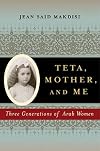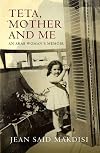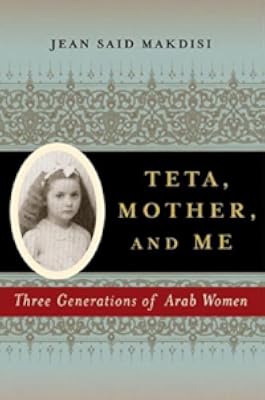
Teta, Mother, and Me: Three Generations of Arab Women
by Jean Said Makdisi
On This Page
Description
Rich in warmth and insight, a personal and cultural history of three generations of Arab women. In this "beautifully written memoir" (Publishers Weekly), Jean Said Makdisi illuminates a century of Arab life and history through the stories of her mother, Hilda Musa Said, and her Teta, "Granny" Munira Badr Musa. Against the backdrop of the fall of the Ottoman Empire, the rise of Arab nationalism, the founding of Israel, the Suez crisis, the Arab-Israeli wars, and civil war in Beirut, she show more reveals the extraordinary courage of these ordinary women, while rethinking the notions of "traditional" and "modern," "East" and "West." With a loving eye, acute intelligence, and elegant, impassioned prose, Makdisi has written "much more than a memoir," rather "an embrace of history and culture" (Cleveland Plain Dealer). show lessTags
Recommendations

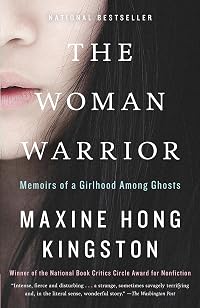
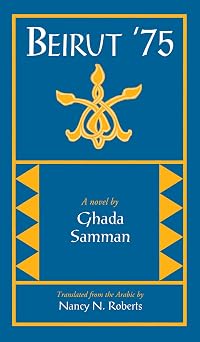
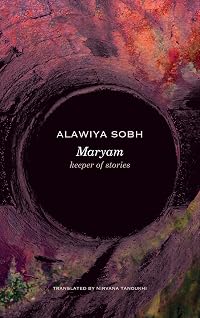
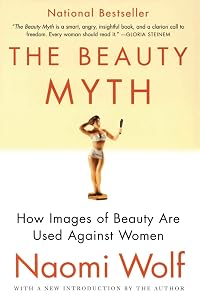
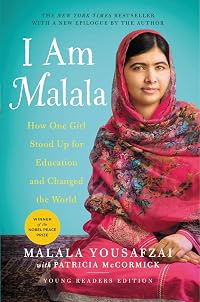
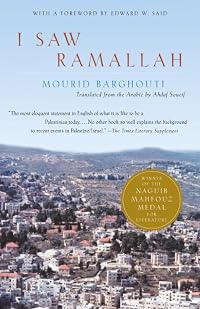
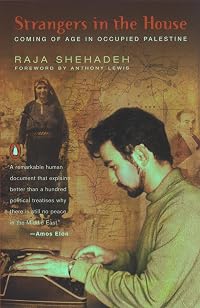

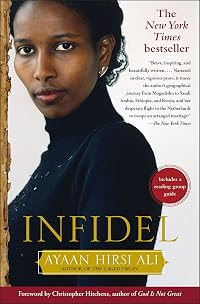
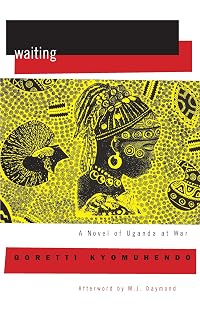
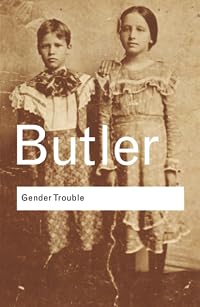
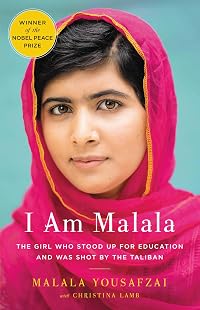
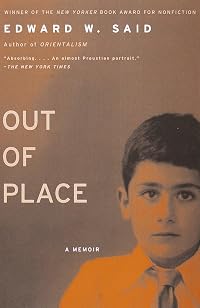
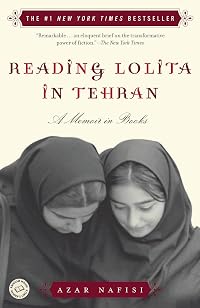

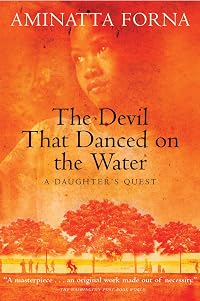


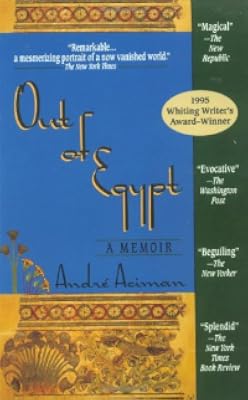
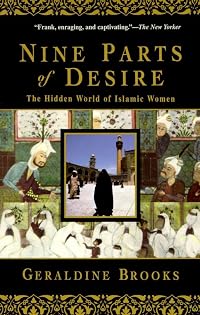







Member Recommendations
Member Reviews
Jean Said Makdisi first had the idea of writing a memoir about her mother and grandmother when she was in her 30s. By the time she wrote it, she was a grandmother herself. The way that her image of their lives changed over that time is one of the themes of this fascinating book. Another is the way that the big events of history - social and political upheavals - are experienced by women living through them. Another is the way that the lives of those that have gone before you affect your own life, image and identity.
The first third of the book covers Jean's own early life. From her childhood in the midst of the cosmopolitan 'Syrian' elite, to the impact of the nascent women's movement, her experiences are interesting enough in show more themselves, but gain even more from her awareness about how they shaped her. She then steps back to write about her grandmother and mother, initially from what she describes as a rather patronising perspective - almost as representatives of 'traditional womanhood', with all the passivity and backwardness that implies. But her research soon shows her that their lives cannot be considered outside history - Teta (grandmother) turns out to be "that archetypal figure in modern Arab cultural history, the Syrian Christian female schoolteacher", and her life a microcosm of the great changes taking place in the Middle East.
Makdisi has much to say about these changes. But at all times, the history is rooted in the personal and human. As experienced by her forebears, "political events ... [were] vicissitudes that interrupted the natural course of things and had to be dealt with domestically. Packing under stress, leaving behind what had to be left and taking with you what was necessary; taking care of the younger children, silencing their fears and wiping their tears, finding food under curfew, cooking with what was left in the pantry when you couldn't go out." Reading this, I realised - slightly shamefacedly - that I had never thought about life in a war zone as it took place inside a house - even when I think about the domestic aspects, my images are all about being outside, taking routes which give you shelter from snipers or are likely to be safe from the bombers - rather than about the struggle to keep a home and a family going.
The book becomes more personal as it returns to Makdisi's adulthood, as she remembers her mother growing older - and, to an extent, losing her place in the world as her children become adults and move away from home. Makdisi has many profound things to say about family ties, ageing and (mis)understanding between generations - culminating in an almost unbearably moving chapter about her mother's descent into senility, and finally death.
There are many things to like about this book, but for me, one of its greatest strengths was the sense that Makdisi was thinking through every opinion she expressed - she doesn't slip into easy theoretical principles, but works out what everything means for her, personally. For example, her beliefs about the role of women are shaped by a balance - or a struggle - between her excitement at experiencing the women's movement in the 1960s and her upbringing by a mother proud to be a gracious hostess and the efficient manager of a household. (Although it is certainly a feminist perspective - she explicitly rejects the idea that the work of being a mother and holding a home together are not worthy of respect). Reading the book - with its range from political argument to personal experience - felt like getting to know a friend over a period of time. And she would be a great friend to have - intelligent, sympathetic, inspiring and passionate. show less
The first third of the book covers Jean's own early life. From her childhood in the midst of the cosmopolitan 'Syrian' elite, to the impact of the nascent women's movement, her experiences are interesting enough in show more themselves, but gain even more from her awareness about how they shaped her. She then steps back to write about her grandmother and mother, initially from what she describes as a rather patronising perspective - almost as representatives of 'traditional womanhood', with all the passivity and backwardness that implies. But her research soon shows her that their lives cannot be considered outside history - Teta (grandmother) turns out to be "that archetypal figure in modern Arab cultural history, the Syrian Christian female schoolteacher", and her life a microcosm of the great changes taking place in the Middle East.
Makdisi has much to say about these changes. But at all times, the history is rooted in the personal and human. As experienced by her forebears, "political events ... [were] vicissitudes that interrupted the natural course of things and had to be dealt with domestically. Packing under stress, leaving behind what had to be left and taking with you what was necessary; taking care of the younger children, silencing their fears and wiping their tears, finding food under curfew, cooking with what was left in the pantry when you couldn't go out." Reading this, I realised - slightly shamefacedly - that I had never thought about life in a war zone as it took place inside a house - even when I think about the domestic aspects, my images are all about being outside, taking routes which give you shelter from snipers or are likely to be safe from the bombers - rather than about the struggle to keep a home and a family going.
The book becomes more personal as it returns to Makdisi's adulthood, as she remembers her mother growing older - and, to an extent, losing her place in the world as her children become adults and move away from home. Makdisi has many profound things to say about family ties, ageing and (mis)understanding between generations - culminating in an almost unbearably moving chapter about her mother's descent into senility, and finally death.
There are many things to like about this book, but for me, one of its greatest strengths was the sense that Makdisi was thinking through every opinion she expressed - she doesn't slip into easy theoretical principles, but works out what everything means for her, personally. For example, her beliefs about the role of women are shaped by a balance - or a struggle - between her excitement at experiencing the women's movement in the 1960s and her upbringing by a mother proud to be a gracious hostess and the efficient manager of a household. (Although it is certainly a feminist perspective - she explicitly rejects the idea that the work of being a mother and holding a home together are not worthy of respect). Reading the book - with its range from political argument to personal experience - felt like getting to know a friend over a period of time. And she would be a great friend to have - intelligent, sympathetic, inspiring and passionate. show less
Ratings
Members
- Recently Added By
Lists

Best family memoirs
28 works; 11 members

Women in Islam
120 works; 8 members

KW Wishlist
61 works; 1 member
Author Information

3 Works 125 Members
Classifications
- Genres
- Biography & Memoir, Nonfiction, General Nonfiction, Sexuality and Gender Studies
- DDC/MDS
- 305.48 — Society, government, & culture Social sciences, sociology & anthropology Social group - Age, Gender, Ethnicity Women Specific groups of women
- LCC
- DS61.52 .M35 .A3 — History of Europe, Asia, Africa and Oceania Asia History of Asia Middle East. Southwestern Asia. Ancient Orient. History
- BISAC
Statistics
- Members
- 62
- Popularity
- 493,741
- Reviews
- 1
- Rating
- (5.00)
- Languages
- English
- Media
- Paper
- ISBNs
- 3
- ASINs
- 1