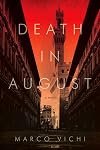
On This Page
Description
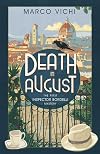
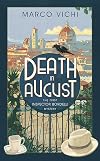
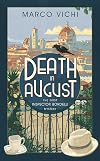
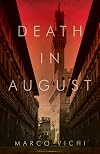
A new crime series full of Italian flavor--the first novel in the Inspector Bordelli series, set in 1960s Florence Florence, summer 1963. Inspector Bordelli is one of the few policemen left in the deserted city. He spends his days on routine work and his nights tormented by the heat and mosquitoes. Suddenly one night, a telephone call gives him a new sense of purpose: the suspected death of a wealthy signora. Bordelli rushes to her hilltop villa and picks the locks. The old woman is show more lying on her bed--apparently killed by an asthma attack, though her medicine has been left untouched. With the help of his young protégé, the victim's eccentric brother, and a semi-retired petty thief, the inspector begins a murder investigation. Each suspect has a solid alibi, but there is something that doesn't quite add up . . . show lessTags
Recommendations

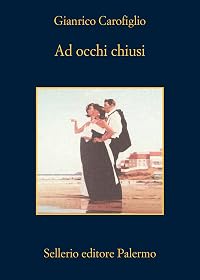
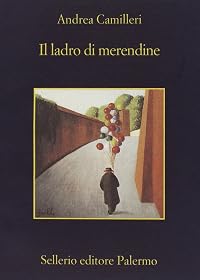

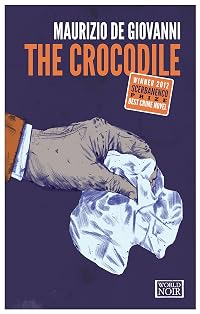
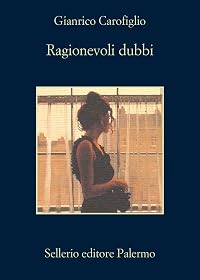









Member Recommendations
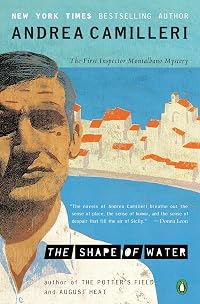
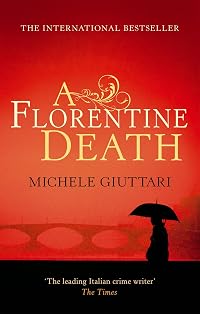
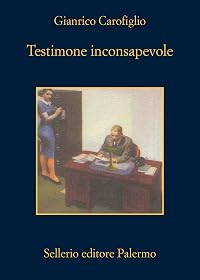
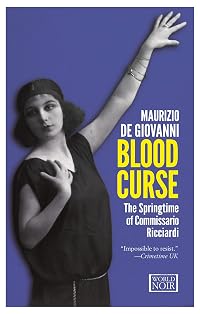
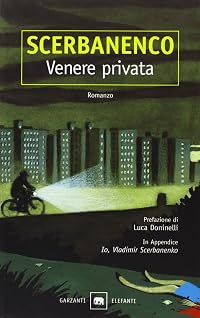
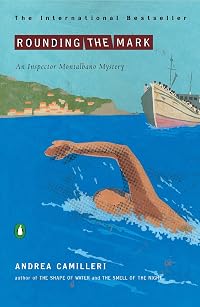
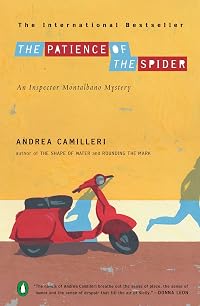
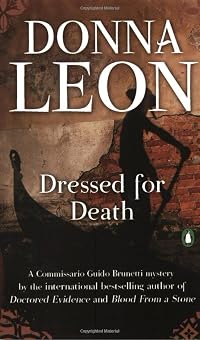
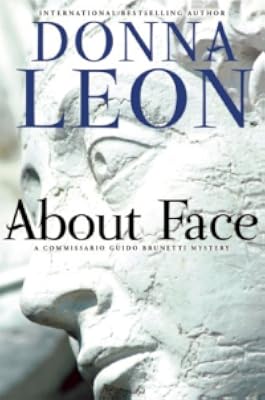
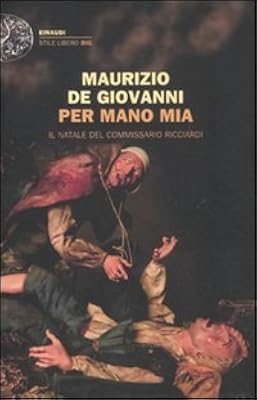
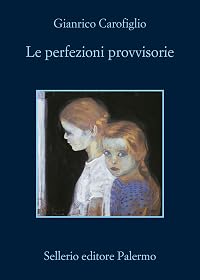
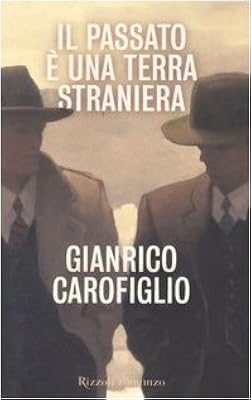
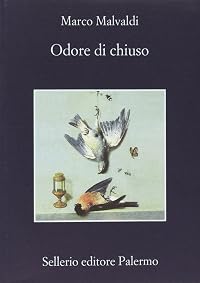
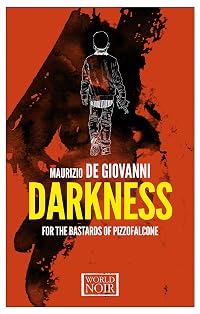
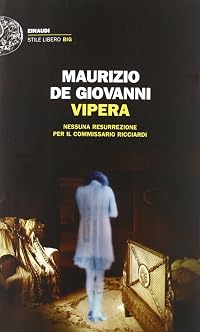
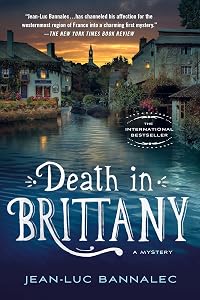
Tom_D Similar characters and a translator, Stephen Sartarelli, in common.
Member Reviews
My new favorite. A book about heat, humidity, and mosquitoes in Florence during August; about food and bad drink; about characters: petty thieves-friends of Inspector Bordelli, his cousin the pedant falling in love, the deceased's brother, a the god-awful inventor, cops set in their ways; and most of all the Inspector who believes it's no crime to steal if you're hungry, about memories of war and death and small acts of kindness, about what Italy had become in 1963. About these much more than the murder and solving the crime. As Italian, quirky, and laid back as a mystery could be. Love it.
When I saw that Death in August was translated by Stephen Sartarelli, I could have done a happy dance. Sartarelli is a superb translator, and I love the work he's done with Andrea Camilleri's Inspector Montalbano mysteries. Then I began to read. I was hooked by page three and the description of Bordelli's meeting with his boss. There is wit and humor in this book, and I loved every bit of it.
Inspector Bordelli is fifty-three, and although he's still looking for Miss Right, he's beginning to wonder if he's too old for her. His investigation is not told in a linear fashion either, but interspersed with his dreams, his childhood memories, and memories of fighting in World War II.
Although the heat could be considered a character in this show more book, I was rather disappointed that its setting of Florence didn't have a more commanding presence. However, the most charming scene in Death in August is the dinner party Bordelli has for his friends. Not only is it a celebration of wonderful food and drink, but quite an eclectic-- and happy-- gathering of people as well.
The investigation quickly proves that Bordelli doesn't have to figure out WHOdunnit, but HOW they done it, and the way he does so is rather ingenious and certainly entertaining. Piras, the young policeman who helps him solve the crime, brightens things up for Bordelli, especially when the inspector finds out he is the son of his old war buddy.
Although there are some similarities to Camilleri's Montalbano mysteries, I did not find this book to be a pale imitation. In its own way Death in August is every bit as good as its Sicilian counterpart, and I certainly look forward to reading more. show less
Inspector Bordelli is fifty-three, and although he's still looking for Miss Right, he's beginning to wonder if he's too old for her. His investigation is not told in a linear fashion either, but interspersed with his dreams, his childhood memories, and memories of fighting in World War II.
Although the heat could be considered a character in this show more book, I was rather disappointed that its setting of Florence didn't have a more commanding presence. However, the most charming scene in Death in August is the dinner party Bordelli has for his friends. Not only is it a celebration of wonderful food and drink, but quite an eclectic-- and happy-- gathering of people as well.
The investigation quickly proves that Bordelli doesn't have to figure out WHOdunnit, but HOW they done it, and the way he does so is rather ingenious and certainly entertaining. Piras, the young policeman who helps him solve the crime, brightens things up for Bordelli, especially when the inspector finds out he is the son of his old war buddy.
Although there are some similarities to Camilleri's Montalbano mysteries, I did not find this book to be a pale imitation. In its own way Death in August is every bit as good as its Sicilian counterpart, and I certainly look forward to reading more. show less
Mi piacciono i romanzi del commissario Bordelli. Questa figura idealizzata di commissario di polizia, buono, umano, difensore dei “delinquenti buoni” ladruncoli e contrabbandieri, di sinistra. Quest’uomo ormai di una certa età, amante della buona cucina, senza una compagna, con una prostituta come amica (“Quella vecchia prostituta a riposo aveva l’innocenza di un cucciolo di animale”). In fondo è una specie di “mescolone” tra Montalbano e Pepe Carvalho con in più un passato nell’esercito badogliano a combattere contro i nazifascisti in Italia. Però ha un lato che manca agli altri: è fiorentino. Non mi piacciono i gialli e i romanzi polizieschi; cosa ci trovo di affascinante allora in lui? Ritrovo la Firenze degli show more anni ’60, quando ero appena nato, quando la città era sonnolenta con i suoi inverni freddi e tutto sembrava più vero, meno vetrina per turisti. Un’immagine reale e viva della Città con le sue strade e le sue storie; le storie che sentivo raccontare dalla zia di mia madre che aveva una mescita dagli anni ’20 agli anni ’60. Questa mescita, nel quartiere popolare di Santa Croce, era frequentata dalla gente che abitava in quelle strade, la stessa gente di “Cronaca di poveri amanti”: fiaccherai ubriachi, secondini e ladruncoli che davanti ad un bicchiere di vino si spartivano la refurtiva della giornata; gli stessi personaggi che ritrovo nel romanzi di Bordelli. show less
Molto bello mi è piaciuto moltissimo.
Premessa doverosa: questo non è un giallo classico, dove l’indagine e la ricerca del colpevole solo il filo conduttore del libro, questo è prima di tutto un romanzo dove protagonista assoluto è Franco Bordelli, uomo prima che commissario, sempre determinato a mettere la sua umanità davanti a tutto.
Quella che, prima di tutto, viene scandagliata è la sua vita, il suo passato, i suoi pensieri, le sue vicende, le amicizie, gli amori e la guerra che lo ha segnato profondamente. L’indagine, alla fine, è solo una parte minore perché quello che esce prepotentemente da queste pagine è l’uomo, il suo essere e il suo modo di vivere.
La morte di una donna che inizialmente appare accidentale si show more rivelerà invece essere un perfido delitto. Più complesso sarà arrivare alla soluzione che si presenta sin da subito abbastanza chiara e prevedibile ma molto difficile da provare soprattutto con i mezzi allora a disposizione.
Bordelli è un gran bel personaggio e altrettanto piacevoli sono tutti quelli che gravitano attorno a lui, i suoi colleghi e le sue amicizie, tutti particolari e molto diversi.
Uno sguardo attento e profondo sul nostro passato prossimo, un tuffo in un’epoca che, per certi versi, non esiste più.
Consigliato. show less
Premessa doverosa: questo non è un giallo classico, dove l’indagine e la ricerca del colpevole solo il filo conduttore del libro, questo è prima di tutto un romanzo dove protagonista assoluto è Franco Bordelli, uomo prima che commissario, sempre determinato a mettere la sua umanità davanti a tutto.
Quella che, prima di tutto, viene scandagliata è la sua vita, il suo passato, i suoi pensieri, le sue vicende, le amicizie, gli amori e la guerra che lo ha segnato profondamente. L’indagine, alla fine, è solo una parte minore perché quello che esce prepotentemente da queste pagine è l’uomo, il suo essere e il suo modo di vivere.
La morte di una donna che inizialmente appare accidentale si show more rivelerà invece essere un perfido delitto. Più complesso sarà arrivare alla soluzione che si presenta sin da subito abbastanza chiara e prevedibile ma molto difficile da provare soprattutto con i mezzi allora a disposizione.
Bordelli è un gran bel personaggio e altrettanto piacevoli sono tutti quelli che gravitano attorno a lui, i suoi colleghi e le sue amicizie, tutti particolari e molto diversi.
Uno sguardo attento e profondo sul nostro passato prossimo, un tuffo in un’epoca che, per certi versi, non esiste più.
Consigliato. show less
Rather a sweet murder mystery. Inspector Bordelli of the Florence police force is called to the house of an elderly woman who may have died from asthma. She had an asthma medication that worked well for her on her bedside table, but the top was tightly shut. A small amount of the medicine was found on her tongue but not inside her otherwise. These oddities lead the inspector to presume the death was a homicide, and further medical investigation proves him to be right.
But who was responsible? She was a bit of a recluse, not very well liked, but not particularly hated either. She did, however, have nephews who were, by all accounts, useless and annoying. Together with their wives, they became the chief focus of Bordelli's investigation.
Of show more course he does not stop there. He visits the dead woman's brother, a strange inventor, along with other acquaintances, and in fact invites some of them to dinner in a few days. Years ago Bordelli had befriended a small-time thief who turned out to be a great cook, so he asked this person to prepare the meal. Each time Bordelli meets an interesting character he considers how that person might fit into the dinner.
The nephews have solid alibis. Yet somehow, Bordelli is convinced, they managed to do the deed. But how? It takes some searching and questioning of many persons before he hits about a possible solution to the crime.
It did not seem like police procedure was being followed much of the time, and Vichi often skips whole conversations, simply saying they talked of this and that. Thus the book does not take long to read and it does have an interesting solution. show less
But who was responsible? She was a bit of a recluse, not very well liked, but not particularly hated either. She did, however, have nephews who were, by all accounts, useless and annoying. Together with their wives, they became the chief focus of Bordelli's investigation.
Of show more course he does not stop there. He visits the dead woman's brother, a strange inventor, along with other acquaintances, and in fact invites some of them to dinner in a few days. Years ago Bordelli had befriended a small-time thief who turned out to be a great cook, so he asked this person to prepare the meal. Each time Bordelli meets an interesting character he considers how that person might fit into the dinner.
The nephews have solid alibis. Yet somehow, Bordelli is convinced, they managed to do the deed. But how? It takes some searching and questioning of many persons before he hits about a possible solution to the crime.
It did not seem like police procedure was being followed much of the time, and Vichi often skips whole conversations, simply saying they talked of this and that. Thus the book does not take long to read and it does have an interesting solution. show less
The first installment in Marco Vichi's series featuring Inspector Bordelli of Florence, Death in August takes its reader back to the 1960s (1963 to be exact), and a very hot and mosquito-laden summer. Pretty much everyone has left town for the seaside, but someone has to man the store, so Bordelli stays behind. He is soon called to the scene of a rather odd death -- an elderly woman has been found dead in her bed, and the doctor says that she died to an asthma attack, brought on by a severe allergic reaction. Strangely, the bottle of medicine she normally used is sitting on her bedside table, cap screwed on tightly. Bordelli knows this was no ordinary death by natural causes, and sets out to find out who is responsible. He has his show more suspicions, but everyone seems to have an alibi for the time of death, which the doctor feels is accurate. It's not going to be an easy case for Bordelli at all.
Although the mystery is solid and the crime's solution itself is a bit perplexing, it takes Bordelli forever to solve it. Actually, that's not so much due to the work of Il Commissario, but of his creator, Marco Vichi. He spends a great deal of time developing atmosphere, setting and his characters, so that the story is more focused on all of these elements rather than on the crime itself. And he does give his readers an interesting cast of people -- there's a scientist who spends his time coming up with crazy inventions that will never sell, a trattoria owner whose dishes tend to swim in fat, a burglar with a passion for dance, and others who seem just as offbeat. Then there's Bordelli himself -- a policeman with a great deal of compassion, something he learned from his father's experiences in the war (memories of which still hang over Italy like the cloying heat of the summer and clouds of mosquitoes) against the Nazis. He is not averse to hiring ex-cons or helping them out with a couple of thousand lire here and there, hoping that they won't have to go back to a life of crime.
Normally the first novel in a crime fiction/mystery series is a bit iffy because most of the elements mentioned above tend to be glossed over in favor of getting the crime solved, but in this book, it's a vice-versa situation. There's so much character development and foundation laying that the reader really doesn't get a good handle on Bordelli's detection abilities, so that even though the solution to the crime is a bit ingenious, there's not a whole lot of buildup to getting there. For crime fiction readers who want their fix of detection and a buildup of clues and suspects, it's a bit of a letdown. Hopefully the author will rectify the situation in following installments of the series.
There's one more thing worth mentioning, and that is a scene in the novel where Bordelli is reflecting back to a time in his childhood where (and there's no getting around just laying it out straight) he's being sexually abused by a girl charged with taking care of him. The author paints it like it's not a big deal, and I'm sorry -- that's just not right. Granted it hearkens back to building Bordelli's character, but really. That is not only not cool, but it was quite unnecessary. Perhaps it's asking too much, but I would have thought the editors might have had some concerns about leaving that part in.
While I thought the scene-setting and the character development was done pretty well, and I enjoyed the compassionate side of the main character, the mystery aspect just sort of fell flat for me. If this is supposed to be a mystery novel (and this is confirmed by the subtitle: "The First Inspector Bordelli Mystery," the author needs to amp up the crime, add a longer list of suspects and give his readers something they can sink their teeth into. But once again, as I scan its ratings all over the internet, the book is getting 4-star ratings in multiple places, is being highly recommended by many people. So perhaps I'm much more of a demanding crime-fiction reader than most people and I'm being a bit picky. I've just bought the second book in the series, so hopefully since we already know so much about Bordelli (probably a little bit too much, actually), the next installment will focus more on the crime. show less
Although the mystery is solid and the crime's solution itself is a bit perplexing, it takes Bordelli forever to solve it. Actually, that's not so much due to the work of Il Commissario, but of his creator, Marco Vichi. He spends a great deal of time developing atmosphere, setting and his characters, so that the story is more focused on all of these elements rather than on the crime itself. And he does give his readers an interesting cast of people -- there's a scientist who spends his time coming up with crazy inventions that will never sell, a trattoria owner whose dishes tend to swim in fat, a burglar with a passion for dance, and others who seem just as offbeat. Then there's Bordelli himself -- a policeman with a great deal of compassion, something he learned from his father's experiences in the war (memories of which still hang over Italy like the cloying heat of the summer and clouds of mosquitoes) against the Nazis. He is not averse to hiring ex-cons or helping them out with a couple of thousand lire here and there, hoping that they won't have to go back to a life of crime.
Normally the first novel in a crime fiction/mystery series is a bit iffy because most of the elements mentioned above tend to be glossed over in favor of getting the crime solved, but in this book, it's a vice-versa situation. There's so much character development and foundation laying that the reader really doesn't get a good handle on Bordelli's detection abilities, so that even though the solution to the crime is a bit ingenious, there's not a whole lot of buildup to getting there. For crime fiction readers who want their fix of detection and a buildup of clues and suspects, it's a bit of a letdown. Hopefully the author will rectify the situation in following installments of the series.
There's one more thing worth mentioning, and that is a scene in the novel where Bordelli is reflecting back to a time in his childhood where (and there's no getting around just laying it out straight) he's being sexually abused by a girl charged with taking care of him. The author paints it like it's not a big deal, and I'm sorry -- that's just not right. Granted it hearkens back to building Bordelli's character, but really. That is not only not cool, but it was quite unnecessary. Perhaps it's asking too much, but I would have thought the editors might have had some concerns about leaving that part in.
While I thought the scene-setting and the character development was done pretty well, and I enjoyed the compassionate side of the main character, the mystery aspect just sort of fell flat for me. If this is supposed to be a mystery novel (and this is confirmed by the subtitle: "The First Inspector Bordelli Mystery," the author needs to amp up the crime, add a longer list of suspects and give his readers something they can sink their teeth into. But once again, as I scan its ratings all over the internet, the book is getting 4-star ratings in multiple places, is being highly recommended by many people. So perhaps I'm much more of a demanding crime-fiction reader than most people and I'm being a bit picky. I've just bought the second book in the series, so hopefully since we already know so much about Bordelli (probably a little bit too much, actually), the next installment will focus more on the crime. show less
Unencumbered by a wife and family, Inspector Bordelli likes to spend the August holiday season at work, even if it does mean incredible heat, and mosquitoes.
This is almost a Golden Age style mystery: there is no blood and gore, just a dead body and a mystery about how she died. As Inspector Bordelli tracks down the beneficiaries of the dead woman's will, he and his young assistant settle on the murderer, but the problem is to prove it. He revisits the scene of the death frequently and makes a surprise discovery, and eventually gathers some concrete evidence.
This is to be the first book in the series and the author takes a lot of care in creating the Inspector's persona: he is 53 years old, fought the Nazis in World War Two, and already show more sees himself as an old man. He has a lot of friends among criminals and ex-soldiers. There is a lovely scene at a dinner party where a number of them tell stories from the war.
I was impressed by the careful plotting and the eventual resolution of the mystery. show less
This is almost a Golden Age style mystery: there is no blood and gore, just a dead body and a mystery about how she died. As Inspector Bordelli tracks down the beneficiaries of the dead woman's will, he and his young assistant settle on the murderer, but the problem is to prove it. He revisits the scene of the death frequently and makes a surprise discovery, and eventually gathers some concrete evidence.
This is to be the first book in the series and the author takes a lot of care in creating the Inspector's persona: he is 53 years old, fought the Nazis in World War Two, and already show more sees himself as an old man. He has a lot of friends among criminals and ex-soldiers. There is a lovely scene at a dinner party where a number of them tell stories from the war.
I was impressed by the careful plotting and the eventual resolution of the mystery. show less
Members
- Recently Added By
Lists

Majkia's Mystery/ Thriller TBR
86 works; 3 members

Italian Literature
558 works; 42 members

Books set in Firenze (Florence, Italy)
35 works; 1 member
Author Information

71+ Works 1,299 Members
Some Editions
Series

Belongs to Publisher Series
Common Knowledge
- Canonical title*
- Il Commissario Bordelli
- Original title
- Il Commissario Bordelli
- Original publication date
- 2002
- People/Characters
- Inspector Bordelli; Officer Piras; Rodrigo (Bordelli's cousin); Zia Camilla; Anselmo Morozzi; Gina Morozzi (show all 9); Angela Morozzi; Giulio Morozzi; Dante Diotivede
- Important places
- Florence, Tuscany, Italy
- Epigraph
- For crickets, it's enough to have won on earth.
Anonymous, 21st century - Dedication
- To Véronique
- First words
- Inspector Bordelli entered his office at eight o'clock in the morning after an almost sleepless night, spent tossing and turning between sweat-soaked sheets.
- Last words
- (Click to show. Warning: May contain spoilers.)He saw his aunts' passion-flower pergola again, and Annina bent down to kiss a sad little boy goodbye.
- Blurbers
- Andrea Camilleri
- Original language
- Italian
*Some information comes from Common Knowledge in other languages. Click "Edit" for more information.
Classifications
Statistics
- Members
- 334
- Popularity
- 95,067
- Reviews
- 20
- Rating
- (3.34)
- Languages
- 8 — English, Finnish, French, German, Italian, Polish, Portuguese, Spanish
- Media
- Paper, Audiobook, Ebook
- ISBNs
- 35
- ASINs
- 7