Farm City: The Education of an Urban Farmer
by Novella Carpenter
On This Page
Description
Novella Carpenter loves cities---the culture, the crowds, the energy. At the same time, she can't shake the fact that she is the daughter of two back-to-the-land hippies who taught her to love nature and eat vegetables. Ambivalent about repeating her parents' disastrous mistakes, yet drawn to the idea of backyard self-sufficiency, Carpenter decided that it might be possible to have it both ways: a homegrown vegetable plot as well as museums, bars, concerts, and a twenty-four-hour convenience show more mart mere minutes away. Especially when she moved to a ramshackle house in inner-city Oakland and discovered a weed-choked, garbage-strewn abandoned lot next door. She closed her eyes and pictured heirloom tomatoes, a beehive, and a chicken coop.What started out as a few egg-laying chickens led to turkeys, geese, and ducks. Soon, some rabbits joined the fun, then two 300-pound pigs. And no, these charming and eccentric animals weren't pets; she was a farmer, not a zookeeper. Novella was raising these animals for dinner. Novella Carpenter's corner of downtown Oakland is populated by unforgettable characters. Lana (anal spelled backward, she reminds us) runs a speakeasy across the street and refuses to hurt even a fly, let alone condone raising turkeys for Thanksgiving. Bobby, the homeless man who collects cars and car parts just outside the farm, is an invaluable neighborhood concierge. The turkeys, Harold and Maude, tend to escape on a daily basis to cavort with the prostitutes hanging around just off the highway nearby. Every day on this strange and beautiful farm, urban meets rural in the most surprising ways.
For anyone who has ever grown herbs on their windowsill or tomatoes on their fire escape, or who has obsessed over the offerings at the local farmers' market, Carpenter's story will capture your heart. And if you've ever considered leaving it all behind to become a farmer outside the city limits or looked at the abandoned lot next door with a gleam in your eye, consider this both a cautionary tale and a full-throated call to action. Farm City is an unforgettably charming memoir, full of hilarious moments, fascinating farmers' tips, and a great deal of heart. It is also a moving meditation on urban life versus the natural world and what we have given up to live the way we do.
. show less
Tags
Recommendations
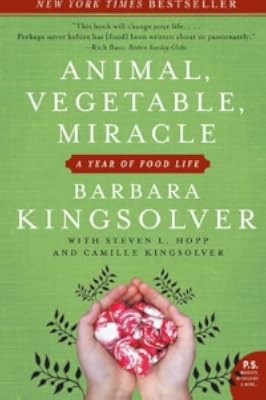
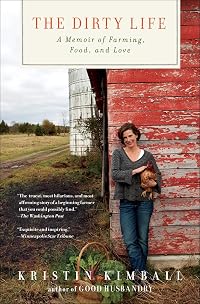
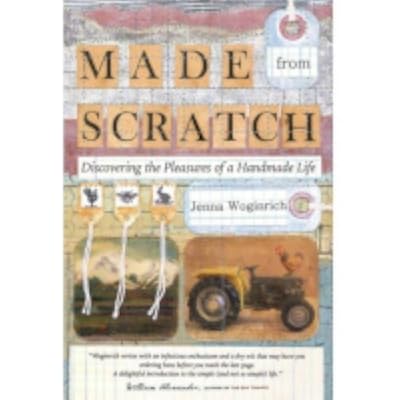
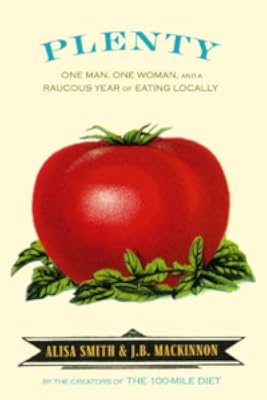
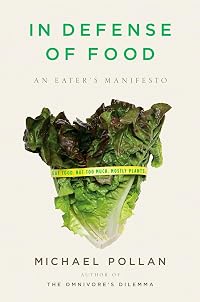
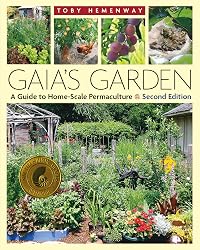
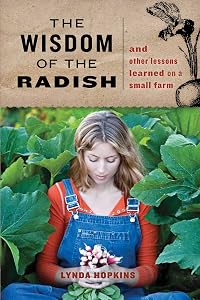
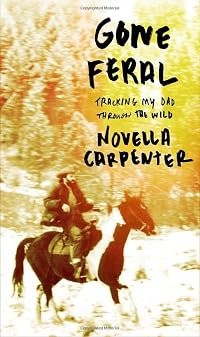

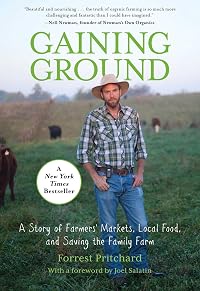
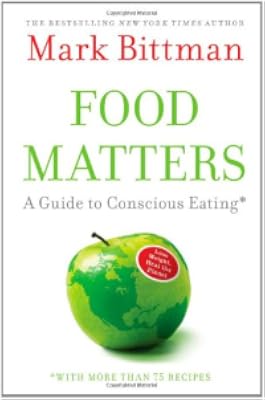
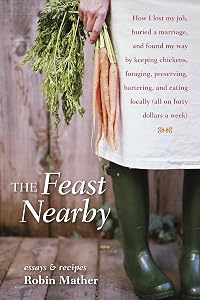
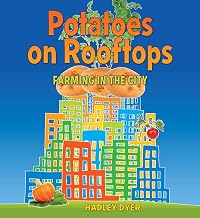
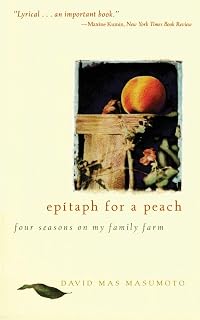
Member Recommendations
Fifty Acres and a Poodle: A Story of Love, Livestock, and Finding Myself on a Farm by Jeanne Marie Laskas
SqueakyChu In both books, former city dwellers become farmers.
Member Reviews
Novella is an inspiration. Not only does she turn an unused lot in the ghetto into a verdant garden, & she feeds her neighbors, and she borrows & recycles like mad, but she figures out how to grow her own meat. She raises it, honors it, looks it in the eye as it dies. She highlights the tragedy of the food our society wastes every day as she puts it to use, and she is not preachy. I love this book.
A few pages into chapter one I was already chuckling. I consider this a sign of a good memoir – particularly in the case of farming memoirs because in farming, as in so many other parts of life, if you can't keep your sense of humor you're doomed because failures large and small lurk around every corner.
Novella and boyfriend Bill moved to a particularly run-down neighborhood in the crime-ridden and generally run-down city of Oakland, California from Seattle, where they had attended college. In Seattle, which is generally pretty urban farming-friendly, their chickens had roamed the streets with impunity. In gritty Oakland, the sight of her chickens, ducks, turkeys, and eventually even pigs, taking off down the street towards the very show more near freeway was far more novel.
As with any agricultural enterprise, there are setbacks aplenty: urban predator animals, complaining neighbors, poultry taking flight to reside at the nearby Lake Merritt nature preserve, lack of a pickup truck for transporting manure and pigs, the impending destruction of the squat garden (“Condos, right here. Three months,” says the lot's rightful owner), the death of her queen bee and the subsequent swarm of her hive, to name but a few. But Novella pushes on and has as many triumphs as failures: she gets one-on-one lessons in charcuterie from the owner-chef of one of the city's finest restaurants, she serves the best Thanksgiving turkey ever grown in the Oakland city limits, she survives a month of eating only what she can grow in her back yard and squat lot, she makes friends and converts left and right, and learns ineffable life lessons from the lives and deaths of her plants and animals.
It's a fun read and very engaging. show less
Novella and boyfriend Bill moved to a particularly run-down neighborhood in the crime-ridden and generally run-down city of Oakland, California from Seattle, where they had attended college. In Seattle, which is generally pretty urban farming-friendly, their chickens had roamed the streets with impunity. In gritty Oakland, the sight of her chickens, ducks, turkeys, and eventually even pigs, taking off down the street towards the very show more near freeway was far more novel.
As with any agricultural enterprise, there are setbacks aplenty: urban predator animals, complaining neighbors, poultry taking flight to reside at the nearby Lake Merritt nature preserve, lack of a pickup truck for transporting manure and pigs, the impending destruction of the squat garden (“Condos, right here. Three months,” says the lot's rightful owner), the death of her queen bee and the subsequent swarm of her hive, to name but a few. But Novella pushes on and has as many triumphs as failures: she gets one-on-one lessons in charcuterie from the owner-chef of one of the city's finest restaurants, she serves the best Thanksgiving turkey ever grown in the Oakland city limits, she survives a month of eating only what she can grow in her back yard and squat lot, she makes friends and converts left and right, and learns ineffable life lessons from the lives and deaths of her plants and animals.
It's a fun read and very engaging. show less
Bloom where you're planted, even if it's in downtown Oakland surrounded by the ghetto. I loved the spunk of renting their apartment because of the huge lot next door, finding lumber for raised beds in the ubiquitous local garbage piles, and scavenging slops for the pigs amongst the dumpsters of Chinatown in the wee hours of the night. Now that is an enterprising way to put a garden together. Talk about DIY, re-purposing and finding uses for what others overlook. Talk about how to stretch out the tiny paycheck from a crappy job! Novella Carpenter, I make a glorious gesture sweeping off my imaginary hat to you.
This was so much more fun to read about than, say, the tale of a manicured lady who hires all the labor done and gets her tasteful show more landscaping on the Garden Tour.
Although I am an omnivore, I myself would probably be too squeamish for killing meat animals I'd raised myself. I know better. I would start out giving names and scratches and end up with pets instead of dinner. So I really have to give points for being able to carry through with the project.
Loved the humor, loved her story, loved hearing about the neighbors and how she befriended the restaurant chef and learned the old-school ways of making pig carcass into salami and prosciutto. Now I want to start a squat garden on a vacant lot and invite all the neighbors to play Community Garden with me. show less
This was so much more fun to read about than, say, the tale of a manicured lady who hires all the labor done and gets her tasteful show more landscaping on the Garden Tour.
Although I am an omnivore, I myself would probably be too squeamish for killing meat animals I'd raised myself. I know better. I would start out giving names and scratches and end up with pets instead of dinner. So I really have to give points for being able to carry through with the project.
Loved the humor, loved her story, loved hearing about the neighbors and how she befriended the restaurant chef and learned the old-school ways of making pig carcass into salami and prosciutto. Now I want to start a squat garden on a vacant lot and invite all the neighbors to play Community Garden with me. show less
I have been a vegetarian at least half of my life and a vegan during several periods. A book about a woman who raises rabbits, chickens and pigs in the backyard of her apartment building so that she can kill them and eat them should not appeal to me. And yet it does. The wonderful thing about Novella Carpenter is her focus on knowing where our food comes from. We have gotten so far away from the death and associated processing required to get meat on our table, that we have lost sight of how inhumane and ugly the process has become. As a result, we no longer respect the animals that give their lives so that we can eat. Novella's writing is humorous and engaging and I found myself enjoying this book much more than I thought I would when show more I first picked it up. Thank you to Santa Thing for bringing this book to my door! show less
Other than the fact that I found the parts about killing, cooking and eating the animals totally disgusting, I found this book to be interesting and entertaining. It makes me wish I had a plot of land to grow my own veggie patch, instead of relying on my fire escape.
This is a very funny account of Carpenter's time establishing an urban farm, on an empty lot, next to her apartment, in a gritty Oakland neighborhood. She raises bees, chickens, duck, turkey, rabbits, and even pigs. Not a book to read if you are squeamish about meat.
I enjoyed the book, even though I would never be an urban farmer. I am not even into gardening. But it is interesting to think about how our lives could be more sustainable. Even though Carpenter gets herself into some situations (dumpster diving in order to feed her pigs); I admired her willingness to dive headlong into new experiences, and to try things she didn't quite know how to do.
I enjoyed the book, even though I would never be an urban farmer. I am not even into gardening. But it is interesting to think about how our lives could be more sustainable. Even though Carpenter gets herself into some situations (dumpster diving in order to feed her pigs); I admired her willingness to dive headlong into new experiences, and to try things she didn't quite know how to do.
The subject matter was actually quite fascinating. The way that Ms. Carpenter and her partner manage to not only grow a garden but raise farm animals in the middle of Oakland is quite the adventure. Her account of raising hogs for slaughter was crazy! The work they put in to scavenge slop for their pigs and chickens sounds exhausting - the food may be "free" but they pay for it in man hours and muscles strained. The author's contemplations on community, on the virtue of garden grown vegetables, the curiosity of bee habits and chicken personalities - they are all interesting. What the book lacks is a more clear narrative thread. Instead it felt a bit like isolated events stuck together. Still, there is much to be gleaned.
Members
- Recently Added By
Lists

Best "Foodie" Books
114 works; 40 members

Top Five Books of 2013
1,562 works; 715 members

Penguin Random House
458 works; 4 members
Author Information

5+ Works 977 Members
Awards and Honors
Distinctions
Classifications
Statistics
- Members
- 838
- Popularity
- 32,817
- Reviews
- 52
- Rating
- (3.97)
- Languages
- 5 — English, German, Italian, Korean, Spanish
- Media
- Paper, Audiobook, Ebook
- ISBNs
- 15
- ASINs
- 9