On This Page
Description
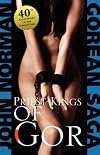
Blood will be spilled as a warrior searches for his missing wife in "a fully detailed alternate world which is fun to explore" (Fantasy Literature). Tarl Cabot is the intrepid tarnsman of the planet Gor, a harsh society with a rigid caste system that enacts the most brutal form of Social Darwinism. In this volume, Tarl must search for the truth behind the disappearance of his beautiful wife, Talena. Have the ruthless Priest-Kings destroyed her? Tarl vows to find the answer for himself, show more journeying to the mountain stronghold of the kings, knowing full well that no one who has dared approach the Priest-Kings has ever returned alive . . . Read the entire saga of this brilliantly imagined world where men are masters and women live to serve their every desire. Priest-Kings of Gor is the 3rd book in the Gorean Saga, but you may enjoy reading the series in any order. show lessTags
Recommendations










Member Reviews
Norman is at his best when he's doing something interesting worldbuilding and exploring the kind of more bonkers idea of his sword and planet world. He's at his worst when he spends literal chapters on a repetitive back and forth between two characters or an internal monologue about his weird misogyny and slavery. And boy to we get both here. There are literal ten page passages of those ridiculous conversations between slave and master while other characters stand on silently. But we also get some really great stuff like, holy hell I didn't expect the Priest Kings to be giant bugs! And the culture of the Nest, both at the beginning and what it evolves into are fascinating. Similarly, *when* there's action its always punchy and engaging.
This, the 3rd in the Chronicles of Gor series, very nearly got 5 stars, and perhaps it should still get those 5 really. One of the main reasons it didn't is because of the sheer alien-ness of the Priest Kings, great insectile creatures that immediately had me attempting to look away even as I continued to read about them. This wasn't at all unexpected since there's a nice colour piccy of one of them right there on the cover. Still, I had a little difficulty empathizing with them to quite the extent I would have liked.
The story continues where the last left off with our hero(?) Tarl Cabot venturing into the nest of the Priest Kings in a bid to find his lost love Talena and rescue her. As usual for Tarl, he gets more than a little show more sidetracked and ends up instigating a civil war within the nest and ultimately destroying it. This however, turns out to have been planned by the Priest Kings all along. He has in fact been used not just by one side but by both in turn, each with their own agenda.
Of course, in amongst all this waring and excitement he still manages to both enslave a girl and become enslaved by the very same girl himself. This also turns out to be part of her plan to help him though and as is only appropriate in these circumstances, she falls in love with him and is promptly rejected(albeit nicely) by Tarl because of his enduring love for Talena.
So, this, like the first two in the series was both frustrating and enjoyable at the same time. Frustrating because of the way Tarl treats the girl he's enslaved at times(he really is a bit of a sadist when all's said and done, but maybe the nicer kind of sadist if such there is!) and enjoyable because of the sheer pulpiness of the story and it's unfailing ability to make you sit up and gasp at the sheer delightful nonsense of it all.
I love these novels. Make of that what you will... show less
The story continues where the last left off with our hero(?) Tarl Cabot venturing into the nest of the Priest Kings in a bid to find his lost love Talena and rescue her. As usual for Tarl, he gets more than a little show more sidetracked and ends up instigating a civil war within the nest and ultimately destroying it. This however, turns out to have been planned by the Priest Kings all along. He has in fact been used not just by one side but by both in turn, each with their own agenda.
Of course, in amongst all this waring and excitement he still manages to both enslave a girl and become enslaved by the very same girl himself. This also turns out to be part of her plan to help him though and as is only appropriate in these circumstances, she falls in love with him and is promptly rejected(albeit nicely) by Tarl because of his enduring love for Talena.
So, this, like the first two in the series was both frustrating and enjoyable at the same time. Frustrating because of the way Tarl treats the girl he's enslaved at times(he really is a bit of a sadist when all's said and done, but maybe the nicer kind of sadist if such there is!) and enjoyable because of the sheer pulpiness of the story and it's unfailing ability to make you sit up and gasp at the sheer delightful nonsense of it all.
I love these novels. Make of that what you will... show less
ORIGINALLY POSTED AT Fantasy Literature.
I’m not sure why I’m still reading the Gor books. I guess it’s partly because Brilliance Audio has kindly sent them to me (they are nice productions), but it’s also largely because these books have been maligned for years as poorly written sexist-BDSM-erotica, so I can’t help but want to see for myself before dismissing them as such. After finishing book 3, Priest-Kings of Gor, here’s my take so far:
They are not poorly written. The quality of the writing is quite good except for the overuse of phrases such as “to my amazement,” “to my surprise,” “I found it strange that,” “I marveled,” “I was astonished,” “I looked at him dumb-founded,” “I was show more thunder-struck,” etc. This may be more noticeable with the audio version, because the narrator, Ralph Lister, reads vivaciously, so these expressions of enthusiasm seem a little overdone. (But generally I appreciate Lister’s spirit and recommend the audio version if you want to read the Gor books.)
The best aspect of the books, “to my surprise,” is the world building. John Norman has created a fully detailed alternate world which is fun to explore. In Priest-Kings of Gor, we finally meet the Priest-Kings who rule the planet, and they are not at all what we were expecting. In fact, they’re a different species altogether and Norman gives a lot of attention to their language, culture, sensory systems, and lifestyle. Personally, I found the Priest-Kings to be somewhat disturbing (I won’t go into details so as not to spoil things), so I didn’t enjoy spending so much time with them, but other readers are likely to feel differently.
The Gor books are not, so far, erotic. Yeah, there are beautiful scantily-clad pouty women in chains who are kneeling at Tarl Cabot’s feet and claiming to be his pleasure slaves, but so far that’s all they do. It’s pretty silly, really. Which leads me to my next point:
Sexist? Yes — but trying so hard not to be. And, unfortunately, this is where Gor goes wrong. It’s too hard to take it seriously because mostly it just feels like a teenage boy’s wet dream. That’s because Tarl Cabot keeps talking like he’s a feminist and denying that any woman is his slave, yet he keeps getting himself in these situations where he accidentally procures a female slave. These ladies are invariably beautiful and proud and are at first contemptuous, insolent, arrogant, and headstrong. Cabot admires their spirit and refuses to consider these wonderful humans to be slaves, but then two things happen:
1. He suspects them of treachery (while I’m wondering how they can be faithless if they’re not his slaves) and uses this as an excuse to degrade them (“Be silent, slave!”, “Wake up, wench!”), grab them by their hair and throw them around.
2. His refusal to use them as pleasure slaves insults them and makes them pout and demand to know if they’re not pretty enough for him (my goodness, aren’t they silly?).
The end result is that each slave girl becomes submissive and is soon begging to please him (“please, master!”) and insisting that she loves him and wanted to wear his collar all along. Tarl, meanwhile, innocently insists that he doesn’t understand.
After thinking about it for a while Tarl realizes that “every woman in her heart wants to wear the chains of a man” and that Gor is a man’s world and that women rejoice in this. In Priest-Kings of Gor, he uses natural selection to explain that men have evolved to be courageous and aggressive and that women have evolved to be submissive because they need food and shelter and to be forced to reproduce. If they’re too independent, they’ll die before breeding. Thus, natural selection favors submissive women who want to belong to a man.
Those ideas are intriguing and I won’t completely dismiss them out of hand, but then Cabot goes on to suggest that if a woman is grabbed by her hair, thrown down, and raped, she considers this “proof of her mate’s regard” and the “expected culmination of her innate desire to be dominated.” Cabot’s evidence for this is our practice of giving a bride a wedding ring and carrying her over the threshold, which he suggests are analogous to bondage and rape, respectively.
I don’t know a lot of women who are going to find these ideas acceptable or stimulating, but some do, and that’s fine with me. The problem with the Gor books, though, is that they try to propound this idea while trying to make Tarl Cabot out to be a humanist (and specifically a feminist) at the same time, and that doesn’t work. It just makes him sound like an idiot.
In one scene, a slave girl assigned to take care of him while he’s in a particular room says she’s hungry and Tarl (who has just met her and didn’t know she hadn’t eaten) curses himself for not thinking about the feelings “of a girl who must be protected and cared for.” One minute later, she says something slightly snippy and he disciplines her by not letting her eat dinner. In fact, he’s constantly flipping between spouting humanistic sentiments and announcing that a slave girl (who he says isn’t his slave girl) needs discipline so she’ll learn her place. Um… what place? It’s no wonder he doesn’t understand these women — he can’t even keep his own philosophies straight in his own head.
The whole thing would work better if Tarl Cabot found himself on this misogynist planet and, while being shocked at first, admitted and embraced the fact that all his puerile fantasies had come true and just went with it. Stop making excuses, Tarl. Stop accusing women of secretly wanting to be yelled at, bullied, thrown around, and raped. Gor is a man’s world, so just shut up, get out your collars and chains, and have some fun, okay? show less
I’m not sure why I’m still reading the Gor books. I guess it’s partly because Brilliance Audio has kindly sent them to me (they are nice productions), but it’s also largely because these books have been maligned for years as poorly written sexist-BDSM-erotica, so I can’t help but want to see for myself before dismissing them as such. After finishing book 3, Priest-Kings of Gor, here’s my take so far:
They are not poorly written. The quality of the writing is quite good except for the overuse of phrases such as “to my amazement,” “to my surprise,” “I found it strange that,” “I marveled,” “I was astonished,” “I looked at him dumb-founded,” “I was show more thunder-struck,” etc. This may be more noticeable with the audio version, because the narrator, Ralph Lister, reads vivaciously, so these expressions of enthusiasm seem a little overdone. (But generally I appreciate Lister’s spirit and recommend the audio version if you want to read the Gor books.)
The best aspect of the books, “to my surprise,” is the world building. John Norman has created a fully detailed alternate world which is fun to explore. In Priest-Kings of Gor, we finally meet the Priest-Kings who rule the planet, and they are not at all what we were expecting. In fact, they’re a different species altogether and Norman gives a lot of attention to their language, culture, sensory systems, and lifestyle. Personally, I found the Priest-Kings to be somewhat disturbing (I won’t go into details so as not to spoil things), so I didn’t enjoy spending so much time with them, but other readers are likely to feel differently.
The Gor books are not, so far, erotic. Yeah, there are beautiful scantily-clad pouty women in chains who are kneeling at Tarl Cabot’s feet and claiming to be his pleasure slaves, but so far that’s all they do. It’s pretty silly, really. Which leads me to my next point:
Sexist? Yes — but trying so hard not to be. And, unfortunately, this is where Gor goes wrong. It’s too hard to take it seriously because mostly it just feels like a teenage boy’s wet dream. That’s because Tarl Cabot keeps talking like he’s a feminist and denying that any woman is his slave, yet he keeps getting himself in these situations where he accidentally procures a female slave. These ladies are invariably beautiful and proud and are at first contemptuous, insolent, arrogant, and headstrong. Cabot admires their spirit and refuses to consider these wonderful humans to be slaves, but then two things happen:
1. He suspects them of treachery (while I’m wondering how they can be faithless if they’re not his slaves) and uses this as an excuse to degrade them (“Be silent, slave!”, “Wake up, wench!”), grab them by their hair and throw them around.
2. His refusal to use them as pleasure slaves insults them and makes them pout and demand to know if they’re not pretty enough for him (my goodness, aren’t they silly?).
The end result is that each slave girl becomes submissive and is soon begging to please him (“please, master!”) and insisting that she loves him and wanted to wear his collar all along. Tarl, meanwhile, innocently insists that he doesn’t understand.
After thinking about it for a while Tarl realizes that “every woman in her heart wants to wear the chains of a man” and that Gor is a man’s world and that women rejoice in this. In Priest-Kings of Gor, he uses natural selection to explain that men have evolved to be courageous and aggressive and that women have evolved to be submissive because they need food and shelter and to be forced to reproduce. If they’re too independent, they’ll die before breeding. Thus, natural selection favors submissive women who want to belong to a man.
Those ideas are intriguing and I won’t completely dismiss them out of hand, but then Cabot goes on to suggest that if a woman is grabbed by her hair, thrown down, and raped, she considers this “proof of her mate’s regard” and the “expected culmination of her innate desire to be dominated.” Cabot’s evidence for this is our practice of giving a bride a wedding ring and carrying her over the threshold, which he suggests are analogous to bondage and rape, respectively.
I don’t know a lot of women who are going to find these ideas acceptable or stimulating, but some do, and that’s fine with me. The problem with the Gor books, though, is that they try to propound this idea while trying to make Tarl Cabot out to be a humanist (and specifically a feminist) at the same time, and that doesn’t work. It just makes him sound like an idiot.
In one scene, a slave girl assigned to take care of him while he’s in a particular room says she’s hungry and Tarl (who has just met her and didn’t know she hadn’t eaten) curses himself for not thinking about the feelings “of a girl who must be protected and cared for.” One minute later, she says something slightly snippy and he disciplines her by not letting her eat dinner. In fact, he’s constantly flipping between spouting humanistic sentiments and announcing that a slave girl (who he says isn’t his slave girl) needs discipline so she’ll learn her place. Um… what place? It’s no wonder he doesn’t understand these women — he can’t even keep his own philosophies straight in his own head.
The whole thing would work better if Tarl Cabot found himself on this misogynist planet and, while being shocked at first, admitted and embraced the fact that all his puerile fantasies had come true and just went with it. Stop making excuses, Tarl. Stop accusing women of secretly wanting to be yelled at, bullied, thrown around, and raped. Gor is a man’s world, so just shut up, get out your collars and chains, and have some fun, okay? show less
I've been wanting to read some of these for years, just to see what all the brou-ha-ha was about, what with people actually living out roles in their relationships based on these fantasy books and whatnot, and the feminist outcry...
So I picked some random ones up, and this was the first one I read.
Basically, if you're expecting something kinky and pornographic... expect to be sadly disappointed. There's no explicit sex at all (hardly any IMplicit sex, for that matter!)
Much more adventuring and giant alien bugs underground and battles featuring sword vs. technology & such...
I'd say this book was basically an imitation of Robert E. Howard. I like Howard, for what it is, so I enjoyed it enough....
But the master/slave relationship thing show more doesn't come off as an exploration of alternative sexualities (it's no Kushiel's Dart, this stuff...) - it basically impresses me as the author sadly not understanding women, being intimidated by relationships, and thinking, "wouldn't it be ever so convenient if all men had to do was flex their muscles and women would just realize that they truly wanted to be my slave girls and do whatever I said..."
It might be heady stuff for a 12-year-old boy, but as a thirty-something woman, I wasn't that impressed. BUT, as I said, that aspect of the books wasn't that huge a part of the book. I remain un-offended - and un-titillated. show less
So I picked some random ones up, and this was the first one I read.
Basically, if you're expecting something kinky and pornographic... expect to be sadly disappointed. There's no explicit sex at all (hardly any IMplicit sex, for that matter!)
Much more adventuring and giant alien bugs underground and battles featuring sword vs. technology & such...
I'd say this book was basically an imitation of Robert E. Howard. I like Howard, for what it is, so I enjoyed it enough....
But the master/slave relationship thing show more doesn't come off as an exploration of alternative sexualities (it's no Kushiel's Dart, this stuff...) - it basically impresses me as the author sadly not understanding women, being intimidated by relationships, and thinking, "wouldn't it be ever so convenient if all men had to do was flex their muscles and women would just realize that they truly wanted to be my slave girls and do whatever I said..."
It might be heady stuff for a 12-year-old boy, but as a thirty-something woman, I wasn't that impressed. BUT, as I said, that aspect of the books wasn't that huge a part of the book. I remain un-offended - and un-titillated. show less
This is one of the Gorean canon, written by John Norman who aimed for the repressed male, masochistic, violence imbued market. He hit it bang on, and probably derived a good income for his efforts. The series was one that I did not persist in for long finding that the "Horseclans" series by Robert Adams had more literary merit. You may snicker. However, I am sure there are still fans of this writer out there.
Sword-and-sandal story in the pulp tradition of Edgar Rice Burroughs. Good worldbuilding. Barely adequate writing. This series is of course (in)famous for the weird BDSM-like slavery, but in these first few books it doesn't play that much of a role.
This third book changes the style, and we get a more science-fictional tale about the alien race of the Priest-Kings, who control the counter-Earth. More interesting because of this than the rather standard adventures of the first two books, but a bit duller at times.
This third book changes the style, and we get a more science-fictional tale about the alien race of the Priest-Kings, who control the counter-Earth. More interesting because of this than the rather standard adventures of the first two books, but a bit duller at times.
The previous volume (Outlaw of Gor) sets the scene for an exciting clash between our hero Tarl Cabot and the mysterious Priest-Kings. When we get there however it is very flat and disappointing. Very little happens, and what does happen, happens slowly. This is a bulkier volume than the previous two, running to around 300 pages, but much of it is dry exposition.
Members
- Recently Added By
Lists

Best Sellers / Popular 1968
237 works; 5 members

Books Read in 2025
4,091 works; 97 members
Author Information

66+ Works 10,591 Members
Series

Belongs to Publisher Series
Common Knowledge
- Canonical title
- Priest-Kings of Gor
- Original title
- PRIEST KINGS OF GOR; PRIEST-KINGS OF GOR; Priest-Kings of Gor
- Original publication date
- 1968
- People/Characters
- Tarl Cabot; Sarm; Misk; Al-Ka; Ba-Ta; Vika (show all 10); Parp; Mother; Kusk; Om
- Important places
- Sardar
- Important events
- Nest War
- First words
- I, Tarl Cabot, formerly of Earth, am one who is known to the Priest-Kings of Gor.
- Quotations
- Vika dropped her head. "Every woman in her heart," said Vika, "wants to wear the chains of a man."
- Last words
- (Click to show. Warning: May contain spoilers.)"Where," I asked him, "is the land of the Wagon People?"
- Original language
- English
Classifications
Statistics
- Members
- 671
- Popularity
- 42,852
- Reviews
- 11
- Rating
- (3.34)
- Languages
- 5 — Czech, English, French, German, Spanish
- Media
- Paper, Audiobook, Ebook
- ISBNs
- 38
- ASINs
- 24