On This Page
Description
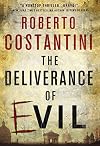
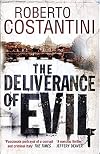
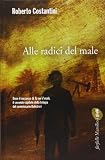
On 11 July 1982, Elisa Sordi was beautiful. Commissario Michele Balistreri was fearless. Italy was victorious. A killer was waiting. On 9 July 2006, with Sordi's case 24 years cold, and Balistreri haunted by guilt and regret, Italian victory returned. And so did Sordi's killer. But this time Michele Balistreri would be ready. This time he would fear no evil.Tags
Recommendations









































Member Reviews
At the beginning of The Deliverance of Evil, by Roberto Costantini, it is 1982 and Italy is in the World Cup finals; excitement in Rome couldn't be higher as a result. Police Captain Michele Balistreri is no exception, and when a pretty young woman goes missing on the night of the final, he is inclined to be dismissive; she probably just went off with a boyfriend that her parents don't know about, after all. Some days later, however, her body is found and Balistreri begins investigating some powerful people who may be involved. His discoveries are intriguing but not conclusive, and the case lingers, unsettled. Fast forward to 2006: Balistreri is now a police superintendent in charge of crimes involving immigration in Rome, who is called show more upon to investigate the rape and murder of a young student and the disappearance of a young Roma prostitute. Could they be connected? And how might they relate to the never-solved case from 1982? Balistreri must navigate the convoluted political waters of Roman policing and society to find out the truth.... To be honest, I only read about half of this novel before giving it up. It's not that the story was so difficult or the writing was bad; it was that Balistreri is one of the most unlikable lead characters I've ever run across. In the 1982 section, he's a young man filled with arrogance and testosterone; his attitude and behaviour towards women is deplorable and his political leanings (neo-fascist) even more so. In the 2006 section, he's an antacid and anti-depressant devotee, full of pity for himself and rather abhorrently pathetic. I just really really didn't like him, and I decided that life is too short to waste some of it reading a book whose protagonist I can't stand. As a result, I have no idea how the story ends; you'll have to look it up for yourself if you are interested, and I wish you luck. show less
I listened to this book in audiobook so some of the comments on the book maybe related to this. The book is slow to begin with and I credited this to the fact that I did not like the lead character. Having read on I realised that this was part of the plot and you are not really supposed to like the lead character at the beginning. In fact I believe he doesn't like himself. As the book continues more characters are introduced. In my opinion there were too many characters introduced and these were hard to keep up with who was who. Again this may have been due to the fact I was listening rather than reading the book.
There are some huge leaps in time but these are kept nicely together by the dates at the beginning of the chapters which I show more thought was an excellent idea. The tale twists and turns well although there is the typical quiet mid section of the book. The book has an exciting dramatic end although I have to admit I had guessed who the murderer was all through the book. I think this may be my main problem with the book at no time was there a wow really moment. I will definitely try something else from this author but maybe not in audiobook again. show less
There are some huge leaps in time but these are kept nicely together by the dates at the beginning of the chapters which I show more thought was an excellent idea. The tale twists and turns well although there is the typical quiet mid section of the book. The book has an exciting dramatic end although I have to admit I had guessed who the murderer was all through the book. I think this may be my main problem with the book at no time was there a wow really moment. I will definitely try something else from this author but maybe not in audiobook again. show less
The Deliverance of Evil is part one of a trilogy by Roberto Costantini. The detailed and lengthy (564 pages) thriller is the story of a young police captain, Michele Balistreri, begining in Rome in 1982. The very good translation from Italian by N. S. Thompson captures the daily life of the citizens of Rome including solid citizens, gypsies, prostitutes, criminals, politicians, police officers, wealthy royalty, lay guests and religious of the Vatican, and Catholic church officials. Balistreri has a troublesome, secretive, and violent political past but has been saved from prosecution by his brother, a man with strong membership in the influential Christian Democrats political party.
Balistreri misses his past life of danger and makes up show more for it in debauchery. He certainly does not take his police captain duties or his use of women seriously. He spends most of his time rousting people with his badge in hand, drinking from dawn until dusk, and seeking new women to conquer sexually. As a result of his lack of attention, Balistreri makes a serious mistake in an investigation of a murder during the World Cup soccer match between Italy and West Germany. The drunken misogynist gets into trouble but manages to keep his police job because of his brother’s political connections.
The novel jumps several decades in time, and the reader follows the subdued-by-age Balistreri as he drags through his life focused on recovering from damage he did to himself physically and emotionally as a young man. Due to his early failure as a stand-up man, he thinks of himself as a degenerate no better than the criminals he chased. In the 2000s he has straightened up enough to be chosen as the head of a police unit dealing with crimes by foreigners. This is a good position for Balistreri outside of the mainstream of city police work in Rome. Balistreri’s aggressive style of dealing with women and criminals has changed, and now he carefully watches his diet and religiously takes his antidepressant medication.
The past in the form of the 1982 unsolved murder haunts Balistreri in his mind and in reality during the 2006 World Cup, déjà vu all over again. He has to decide whether to live as a man or continue his holding pattern of careful work framed by personal regret and misery. He has become a toady to Rome’s dominant political and social players, careful to keep his police staff from making any controversial waves. Is it the right time for redemption and does he have the right stuff to achieve it?
The novel includes many interesting references to political history and current interactions between the Vatican and the social/political ruling class in Italy. The descriptions of the problems related to the growing legal and illegal immigrant population in Italy are interesting in light of our own US problems with immigration.
The novel is a good tour de force narrative rich in the detailed descriptions of Italian life. This causes some reduction in the pace and tension of the story but the reader gets a good idea of the high energy life in Rome. I look forward to reading the next novel in the proposed trilogy, The Root of All Evil, due to be published in April. show less
Balistreri misses his past life of danger and makes up show more for it in debauchery. He certainly does not take his police captain duties or his use of women seriously. He spends most of his time rousting people with his badge in hand, drinking from dawn until dusk, and seeking new women to conquer sexually. As a result of his lack of attention, Balistreri makes a serious mistake in an investigation of a murder during the World Cup soccer match between Italy and West Germany. The drunken misogynist gets into trouble but manages to keep his police job because of his brother’s political connections.
The novel jumps several decades in time, and the reader follows the subdued-by-age Balistreri as he drags through his life focused on recovering from damage he did to himself physically and emotionally as a young man. Due to his early failure as a stand-up man, he thinks of himself as a degenerate no better than the criminals he chased. In the 2000s he has straightened up enough to be chosen as the head of a police unit dealing with crimes by foreigners. This is a good position for Balistreri outside of the mainstream of city police work in Rome. Balistreri’s aggressive style of dealing with women and criminals has changed, and now he carefully watches his diet and religiously takes his antidepressant medication.
The past in the form of the 1982 unsolved murder haunts Balistreri in his mind and in reality during the 2006 World Cup, déjà vu all over again. He has to decide whether to live as a man or continue his holding pattern of careful work framed by personal regret and misery. He has become a toady to Rome’s dominant political and social players, careful to keep his police staff from making any controversial waves. Is it the right time for redemption and does he have the right stuff to achieve it?
The novel includes many interesting references to political history and current interactions between the Vatican and the social/political ruling class in Italy. The descriptions of the problems related to the growing legal and illegal immigrant population in Italy are interesting in light of our own US problems with immigration.
The novel is a good tour de force narrative rich in the detailed descriptions of Italian life. This causes some reduction in the pace and tension of the story but the reader gets a good idea of the high energy life in Rome. I look forward to reading the next novel in the proposed trilogy, The Root of All Evil, due to be published in April. show less
A complex serial killer mystery set in Rome and spanning two World Cup wins by the Italians, in 1982 and 2006. The central character, Balistreri, is a severely flawed policeman and ex-Secret Service agent who failed to catch the killer in 1982 and is haunted by that failure throughout his career. When the killer returns in 2006 he is determined not fail a second time pushing the boundaries of the law and ethical conduct to get what he wants. The book focuses strongly on the inherent racism in Italian society, especially towards the immigrant population but extending also to tourists. The book is overlong and I found the peripheral characters, especially Balistreri's police team, to be under-drawn, but the overall clash of unlikeable show more characters, both good and bad, keeps the interest strong. show less
lenta partenza... ma da metà in poi ti tiene incollato fino all'ultima riga.
Consigiato!
Consigiato!
El 11 de julio de 1982, el joven comisario Michele Balistreri está, como Italia entera, pendiente del televisor. La Squadra Azzurra juega la final del mundial de fútbol contra Alemania. Por eso, cuando recibe el aviso de que Elisa Sordi, a quien él conocía de vista, ha desaparecido, se lo toma a la ligera. Un error fatal que no se perdonará jamás.
Veinticuatro años después, en 2006, Balistreri es jefe de la Unidad Especial de Extranjería en Roma. Un puesto delicado en un país donde una clase política cínica y la prensa sensacionalista azuzan la xenofobia y el asesinato de una inmigrante no tiene el mismo valor que el de una chica italiana. Un país donde las decisiones se toman a puerta cerrada, cierta gente y ciertos poderes show more son intocables y la justicia depende de unas pocas personas íntegra. Como Balistreri, cuya última investigación le lleva nuevamente al único caso no resuelto de su carrera.
Durante veinticuatro años, la verdad quedó sepultada bajo un cúmulo de mentiras. Es el momento de afrontar un Mal, tan tenaz como elusivo, y de múltiples rostros. show less
Veinticuatro años después, en 2006, Balistreri es jefe de la Unidad Especial de Extranjería en Roma. Un puesto delicado en un país donde una clase política cínica y la prensa sensacionalista azuzan la xenofobia y el asesinato de una inmigrante no tiene el mismo valor que el de una chica italiana. Un país donde las decisiones se toman a puerta cerrada, cierta gente y ciertos poderes show more son intocables y la justicia depende de unas pocas personas íntegra. Como Balistreri, cuya última investigación le lleva nuevamente al único caso no resuelto de su carrera.
Durante veinticuatro años, la verdad quedó sepultada bajo un cúmulo de mentiras. Es el momento de afrontar un Mal, tan tenaz como elusivo, y de múltiples rostros. show less
Feb 12, 2023Spanish
Questo libro mi è piaciuto terribilmente, almeno fino alle ultime 100 pagine. Costantini è riuscito a farmi tifare per un protagonista bastardo che di eroico non ha niente; i suoi personaggi secondari, per quando non brillino per originalità, mi sono diventati prima simpatici e poi cari, con le loro luci e ombre; ho apprezzato le istantanee della realtà italiana, con le loro sfumature realistiche e attuali; ho giocato il gioco proposto dall'autore, cercando di sbrogliare una matassa che sembrava sempre più aggrovigliata, in un crescendo che mi ha fatto sognare il libro la notte.
E poi... poi è stato come se si fosse trattato di un castello di carte, di un gioco troppo grande, di una visione complessa xche sparisce in una bolla di show more sapone. show less
E poi... poi è stato come se si fosse trattato di un castello di carte, di un gioco troppo grande, di una visione complessa xche sparisce in una bolla di show more sapone. show less
Jan 26, 2013Italian
Members
- Recently Added By
Author Information

15 Works 449 Members
Some Editions
Series

Belongs to Publisher Series
Farfalle [Marsilio] (I gialli, 174)
Common Knowledge
- Canonical title
- The Deliverance of Evil
- Original title
- Tu sei il male
- Original publication date
- 2011
- People/Characters*
- Michele Balistreri; Angelo Dioguardi; Alberto Balistreri; Marius Hagi; Valerio Bona; Graziano Corvu (show all 9); Linda Nardi; Tommaso dei Banchi di Aglieno; Manfredi dei Banchi di Aglieno
- Important places*
- Roma, Lazio, Italia; Lazio, Italia; Italia
- Epigraph*
- Occorre luce perché muti una credenza dell’anima, e la luce non può essere data in alcun modo da una pena inflitta al corpo.
J. Locke - Dedication*
- a Lorenzo
al popolo della Libia - First words*
- 9 luglio 2006
L’Uomo Invisibile
Se la prima volta le cose fossero andate diversamente, forse non avrei ucciso tutte le altre. - Last words*
- (Click to show. Warning: May contain spoilers.)Non era felice, ma cinguettava.
- Original language*
- Italiano
*Some information comes from Common Knowledge in other languages. Click "Edit" for more information.
Classifications
- Genres
- Fiction and Literature, Mystery, Suspense & Thriller
- DDC/MDS
- 853.92 — Literature & rhetoric Italian, Romanian & related literatures Italian fiction 1900- 21st Century
- LCC
- PQ4903 .O763 .T813 — Language and Literature French, Italian, Spanish and Portuguese literatures Italian literature Individual authors, 2001-
- BISAC
Statistics
- Members
- 224
- Popularity
- 144,767
- Reviews
- 10
- Rating
- (3.30)
- Languages
- 8 — Danish, Dutch, English, German, Italian, Norwegian (Bokmål), Polish, Spanish
- Media
- Paper, Audiobook, Ebook
- ISBNs
- 33
- ASINs
- 8