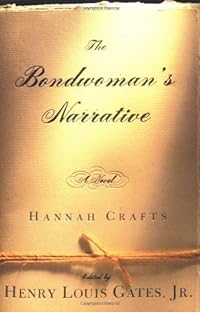
The Bondwoman's Narrative
by Hannah Crafts, Henry Louis Gates Jr. (Editor)
On This Page
Description
When her master is betrothed to a woman who conceals a tragic secret, Hannah Crafts, a young slave on a wealthy North Carolina plantation, runs away in a bid for her freedom up North. Pursued by slave hunters, imprisoned by a mysterious and cruel captor, held by sympathetic strangers, and forced to serve a demanding new mistress, she finally makes her way to freedom in New Jersey. An unprecedented historical and literary event, this tale written in the 1850s is the only known novel by a show more female African American slave, and quite possibly the first novel written by a black woman anywhere. A work recently uncovered by renowned scholar, Henry Louis Gates, Jr., it is a stirring, page-turning story of "passing" and the adventures of a young slave as she makes her way to freedom. When Professor Gates saw that modest listing in an auction catalogue for African American artifacts, he immediately knew he could be on the verge of a major discovery. After exhaustively researching the hand-written manuscript's authenticity, he found that his instincts were right. He had purchased a genuine autobiographical novel by a female slave who called herself- and her story's main character- Hannah Crafts. Presented here unaltered and under its author's original title, The Bondswoman's Narrative tells of a self-educated young house slave who knows her life is limited by the brutalities of her society, but never suspects that the freedom of her plantation's beautiful new mistress is also at risk ... or that a devastating secret will force them both to flee from slave hunters with another powerful, determined enemy at their heels. Together with Professor Gates's brilliant introduction- which includes the story of his search for the real Hannah Crafts, the biographical facts that laid the groundwork for her novel, and a fascinating look at other slave narratives of the time- The Bondwoman's Narrative offers a unique and unforgettable reading experience. In it, a voice that has never been heard rings out, and an undiscovered story at the heart of the American experience is finally told. show lessTags
Recommendations
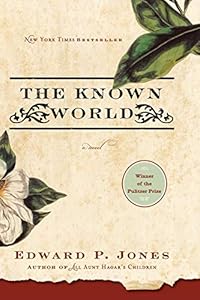
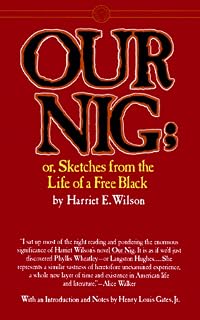
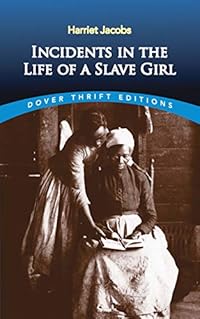
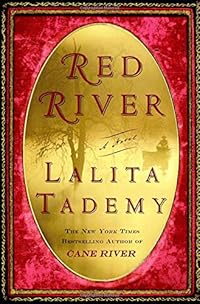




Member Recommendations
Member Reviews
The Bondwoman's Narrative is a work of fiction assumed to be autobiographical, written by a woman who escaped from slavery in the 1850s. The story follows the enslaved woman as she is moved from household to household and provides a really moving insight into the life of a domestic slave. Hannah's life revolves around those who own her and those who provide moments of kindness. She is very light-skinned and there are complex situations where both the enslavers and the enslaved are found to cross the supposedly definitive color lines that were enforced in this time period. Hannah doesn't really have many deep relationships because she's not allowed to. Instead, the book revolves around plot and her interactions with her enslavers. There show more are amusing moments and lots of inventive writing, including gothic elements, symbolism, and over arching themes. Crafts provides deep commentary on the institution of slavery without becoming preachy or having the book devolve into a pure polemic.
I found this book highly readable and enjoyable in its own right. And then there is the history and scholarship behind it. I skipped most of what is included in this edition, because I am reading the newly released nonfiction, [The Life and Times of Hannah Crafts]. As a bit of background, though, this manuscript was discovered in the 1950s but not researched until it was purchased at an auction in 2000. The scholarship since then has revealed the presumed author (Hannah Bond) and her enslavers (The Wheelers), has tracked the author's life and escape, and showed that Bond wrote the novel partially while she was enslaved and partially after/during her escape.
Highly recommended reading show less
I found this book highly readable and enjoyable in its own right. And then there is the history and scholarship behind it. I skipped most of what is included in this edition, because I am reading the newly released nonfiction, [The Life and Times of Hannah Crafts]. As a bit of background, though, this manuscript was discovered in the 1950s but not researched until it was purchased at an auction in 2000. The scholarship since then has revealed the presumed author (Hannah Bond) and her enslavers (The Wheelers), has tracked the author's life and escape, and showed that Bond wrote the novel partially while she was enslaved and partially after/during her escape.
Highly recommended reading show less
Fascinating this is both clearly based on autobiographical details and equally clearly contains embellished storylines. First novel written by an African American fugitive 'slave'. I quite enjoyed this. I read Gates research in uncovering and researching this amazing novel. Hannah is observant and her characterization of the Wheelers is well done. I found the beginning and end of the story somewhat silly, as was the style the novel was in. Otherwise I thoroughly enjoyed the story and was surprised how invested in became. Well done Hannah.
historically, this is 5 stars. it's super interesting - both the context that gates puts this into and all of the research that goes into determining when this was written and who the author was (like dating the ink and paper) - and hugely important if this truly is not just the "first novel written by a female fugitive slave, [but] perhaps the first novel written by any black woman at all." i also thought it was really interesting the way he kept her edits and strikeouts in the text, so we could see how she composed as she went along.
the narration i give 2.5 stars as the story (while so important and moving) is choppy and sometimes oddly focused on tangential stories rather than the main one. (some of these things gates helps me show more understand is from the author's reading of romantic or gothic stories of the time, which is helpful information.) i'm glad i read this and what a major find it was for gates, and i'm glad that an autobiographical novel written by a woman can be added to the slave narratives that actually detail what slave life was like. and i'm glad that it wasn't edited by a contemporary (white) person, to make it something different. (although had it been, i might have liked the reading experience better.)
"We thought our master must be a very great man to have so much wealth at his command, but it never occurred to us to inquire whose sweat and blood and unpaid labor had contributed to produce it." show less
the narration i give 2.5 stars as the story (while so important and moving) is choppy and sometimes oddly focused on tangential stories rather than the main one. (some of these things gates helps me show more understand is from the author's reading of romantic or gothic stories of the time, which is helpful information.) i'm glad i read this and what a major find it was for gates, and i'm glad that an autobiographical novel written by a woman can be added to the slave narratives that actually detail what slave life was like. and i'm glad that it wasn't edited by a contemporary (white) person, to make it something different. (although had it been, i might have liked the reading experience better.)
"We thought our master must be a very great man to have so much wealth at his command, but it never occurred to us to inquire whose sweat and blood and unpaid labor had contributed to produce it." show less
If I can be an English Grad student for a moment, let me say that this text is salubrious by way of its inhering sense of the deleterious. The latter aspect, of course, comes from the fact that this is a novel written against and because of slavery in the United States. The former comes from the fact that bucking against its own origins (much like the author herself) this text makes itself known as the impassioned plea of a mixed race woman's humanity under the auspices of one of the more dehumanizing epochs of our civilization's history. Though lacking a bit in the urgency of Frederick Douglass' "Narrative of the Life" this is only due to Crafts, unfortunate, hitching her authorial self to Charles Dickens' star (mostly by way of Bleak show more House which despite my views of Dickens I want to read) in the manner of sentimentalist tropes and just too damn contrived seeming plot twists. This fact is ameliorated more than slightly by the presence of many Gothic storytelling tropes that buoy the proceedings above the standard of sentimentalist fiction.
The only other aspect I can add at this juncture is the book, powerful as it is, is a bit spoiled by its own history and context. By that I mean that Henry Louis Gates Jr's quest to find the text, authenticate it, and then go to war (of words) with other African-American literary critics about his glaring omission of the text's inhering 'intertextuality' . Granted, he was more than a little essentialist and even absolutist to the point of naievete in his initial assessment of the text....but honestly it all felt like academic pettifogging (on both sides) after a while.
All in all it's a more than worthwhile text and should you want the full (at times onerous) history behind it regarding is search, authentication, debate, and even the case notes of the investigator brought out to help verify the work...well, it's there for you. But as a novel it's a powerful and singular work of one woman standing against a system, a culture and a nation that would strip of her everything and more for the sake of keeping things 'just fine the way they are,'. show less
The only other aspect I can add at this juncture is the book, powerful as it is, is a bit spoiled by its own history and context. By that I mean that Henry Louis Gates Jr's quest to find the text, authenticate it, and then go to war (of words) with other African-American literary critics about his glaring omission of the text's inhering 'intertextuality' . Granted, he was more than a little essentialist and even absolutist to the point of naievete in his initial assessment of the text....but honestly it all felt like academic pettifogging (on both sides) after a while.
All in all it's a more than worthwhile text and should you want the full (at times onerous) history behind it regarding is search, authentication, debate, and even the case notes of the investigator brought out to help verify the work...well, it's there for you. But as a novel it's a powerful and singular work of one woman standing against a system, a culture and a nation that would strip of her everything and more for the sake of keeping things 'just fine the way they are,'. show less
This audiobook is framed by a forward from and then interview with editor and discoverer Henry Louis Gates, Jr. of what he purports to be an unprecedented historical and literary event, possibly the first novel by a black woman anywhere, maybe even a female former African-American slave. The story itself is part Gothic ghost tale, melodramatic adventure novel and in other ways very period although parts come across as modern and innovative to me.
Personally, I felt the book was more likely written by an educated white novelist with abolitionist leanings and slavery primary sources, but he research and argument of the added interview makes a compelling case for Gates' view.
Personally, I felt the book was more likely written by an educated white novelist with abolitionist leanings and slavery primary sources, but he research and argument of the added interview makes a compelling case for Gates' view.
My review from July 8, 2002:
This was the most fascinating book that I've read in ... well, I don't know how long! THE BONDWOMAN'S NARRATIVE is a fictionalized yet seemingly autobiographical slave narrative written by Hannah Crafts somewhere between 1856-1860. Hannah delves into the the mind and heart of a slave by telling the story of a young woman's personal experiences.
Henry Louis Gates, Jr., who chairs the Department of African American Studies at Harvard University, came across this hand-written manuscript at an auction for African American artifacts. He then embarked upon an amazing research project which explored the author's identity. From scientific analysis of the manuscript (handwriting, ink, paper quality, etc) to actual show more genealogical research (census reports, etc.), Professor Gates attempts to prove that Hannah Crafts was indeed the first African-American woman to write such a narrative. ...This is part of the book is intriguing although I do have one word of advice here - READ THE NARRATIVE FIRST! If you read the Introduction first, you will know much of the story before actually reading it (in his discussion, he gives away the ending!). By reading the narrative first, I found that I was able to reach some of my own conclusions before reading those of Professor Gates and I better understood the informative analysis!
I usually don't read books more than once but I would read this one again! show less
This was the most fascinating book that I've read in ... well, I don't know how long! THE BONDWOMAN'S NARRATIVE is a fictionalized yet seemingly autobiographical slave narrative written by Hannah Crafts somewhere between 1856-1860. Hannah delves into the the mind and heart of a slave by telling the story of a young woman's personal experiences.
Henry Louis Gates, Jr., who chairs the Department of African American Studies at Harvard University, came across this hand-written manuscript at an auction for African American artifacts. He then embarked upon an amazing research project which explored the author's identity. From scientific analysis of the manuscript (handwriting, ink, paper quality, etc) to actual show more genealogical research (census reports, etc.), Professor Gates attempts to prove that Hannah Crafts was indeed the first African-American woman to write such a narrative. ...This is part of the book is intriguing although I do have one word of advice here - READ THE NARRATIVE FIRST! If you read the Introduction first, you will know much of the story before actually reading it (in his discussion, he gives away the ending!). By reading the narrative first, I found that I was able to reach some of my own conclusions before reading those of Professor Gates and I better understood the informative analysis!
I usually don't read books more than once but I would read this one again! show less
I enjoyed this book, but would have edited/arranged it differently. Gates left in Crafts' strikeouts, misspellings, and grammar errors (for historical reasons). I understand his reasoning, and it was interesting to see some of the thought processes that went into the book, but it took a while to get used to. I'd read the strike outs in a sentence, then read the sentence as intended, then think about the differences that made in the meaning of the sentence - then I'd forget where I was and have to do it all over again. I would have preferred the novel to be presented first, in a polished form, with the historical notes and information about the edits following.
I did enjoy reading how the manuscript was discovered and the things Gates did show more to try and find the author. It's really a neat story - and a historically important work. The podcast of Gates that I found was more about identifying the author of this book. Gates is a captivating speaker; I'd have loved having him for my history professor in college. show less
I did enjoy reading how the manuscript was discovered and the things Gates did show more to try and find the author. It's really a neat story - and a historically important work. The podcast of Gates that I found was more about identifying the author of this book. Gates is a captivating speaker; I'd have loved having him for my history professor in college. show less
Members
- Recently Added By
Lists

Florida
366 works; 3 members
Author Information
2+ Works 1,004 Members
Awards and Honors
Distinctions
Notable Lists
Series
Belongs to Publisher Series
Virago Modern Classics (483)
Work Relationships
Common Knowledge
- Epigraph
- Look not upon me because I am black; because the sun hath looked upon me. -Song of Solomon
- Dedication
- In memory of Dorothy Porter Wesley, 1905-1995 on whose shoulders we stand.
- First words
- It may that I assume to[o] much responsibility in attempting to write these pages.
- Last words
- (Click to show. Warning: May contain spoilers.)I will let the reader picture it all to his imagination and say farewell.
- Blurbers
- Angelou, Maya; David, David Brion
Classifications
- Genres
- Fiction and Literature, General Fiction, Historical Fiction
- DDC/MDS
- 813.3 — Literature & rhetoric American literature in English American fiction in English Middle 19th Century 1830-1861
- LCC
- PS1449 .C673 .B66 — Language and Literature American literature American literature Individual authors 19th century
- BISAC
Statistics
- Members
- 1,002
- Popularity
- 25,912
- Reviews
- 15
- Rating
- (3.68)
- Languages
- English, French
- Media
- Paper, Audiobook, Ebook
- ISBNs
- 16
- ASINs
- 5
