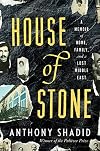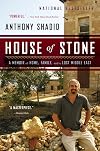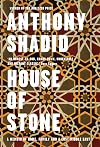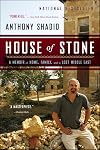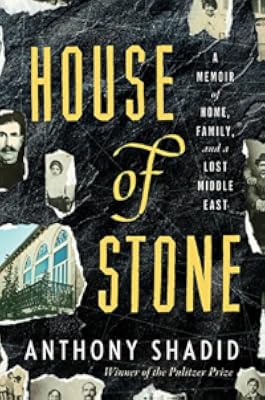
House of Stone: A Memoir of Home, Family, and a Lost Middle East
by Anthony Shadid
On This Page
Description
"Wonderful . . . One of the finest memoirs I've read." — Philip Caputo, Washington PostIn the summer of 2006, racing through Lebanon to report on the Israeli invasion, Anthony Shadid found himself in his family's ancestral hometown of Marjayoun. There, he discovered his great-grandfather's once magnificent estate in near ruins, devastated by war. One year later, Shadid returned to Marjayoun, not to chronicle the violence, but to rebuild in its wake.
So begins the story of a show more battle-scarred home and a journalist's wounded spirit, and of how reconstructing the one came to fortify the other. In this bittersweet and resonant memoir, Shadid creates a mosaic of past and present, tracing the house's renewal alongside the history of his family's flight from Lebanon and resettlement in America around the turn of the twentieth century. In the process, he memorializes a lost world and provides profound insights into a shifting Middle East. This paperback edition includes an afterword by the journalist Nada Bakri, Anthony Shadid's wife, reflecting on his legacy.
"A poignant dedication to family, to home, and to history . . . Breathtaking." — San Francisco Chronicle
"Entertaining, informative, and deeply moving . . . House of Stone will stand a long time, for those fortunate enough to read it." — Telegraph (London)
. show less
Tags
Recommendations

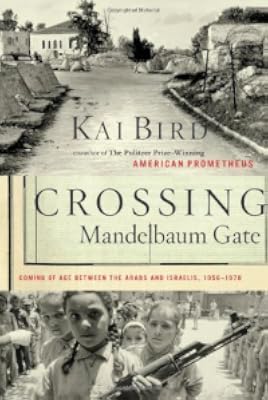
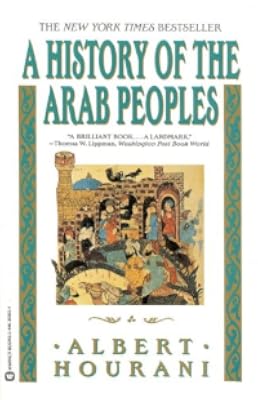
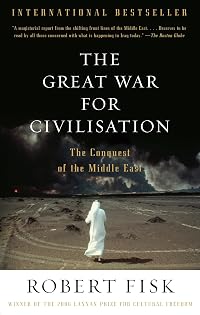

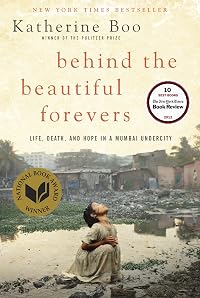

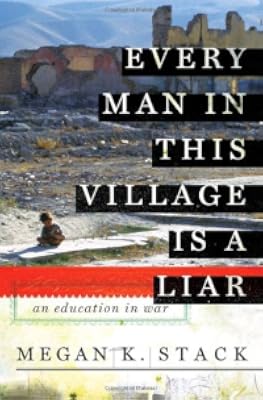
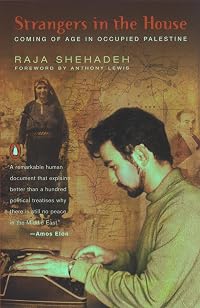

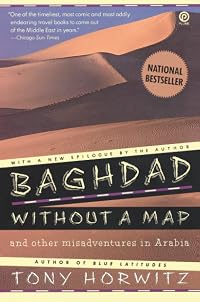
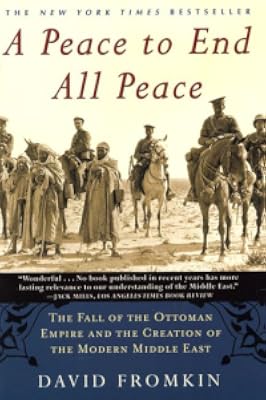
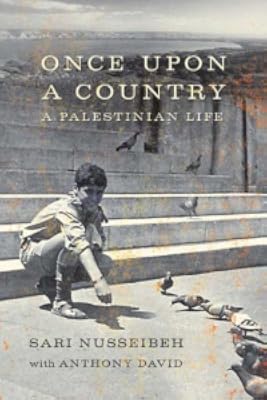
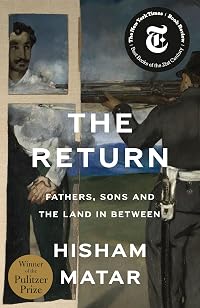
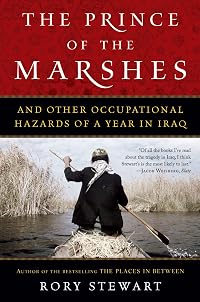

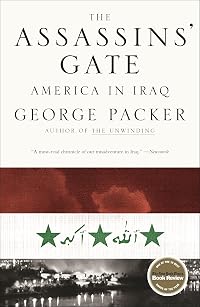
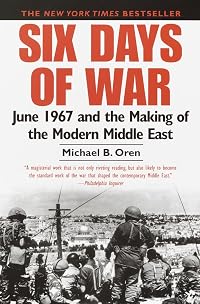

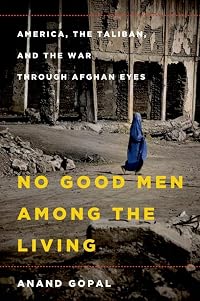
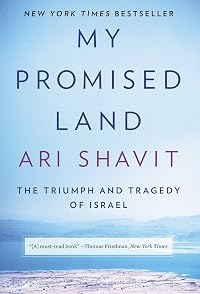
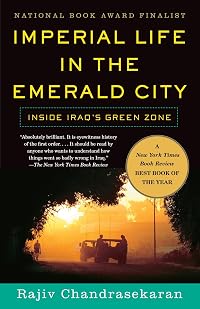
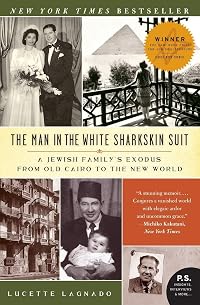

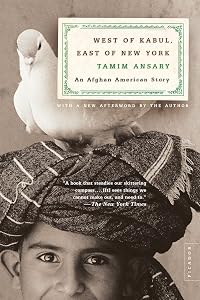
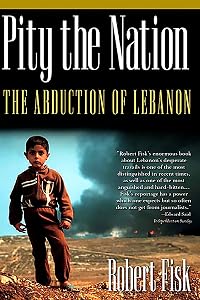
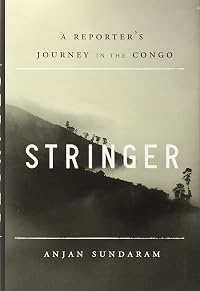

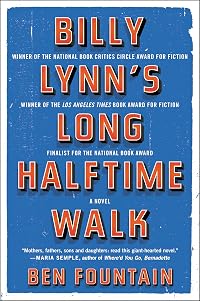


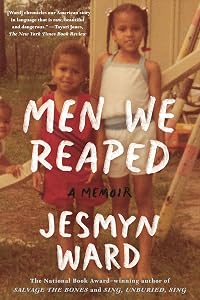
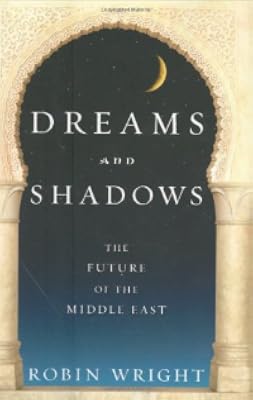
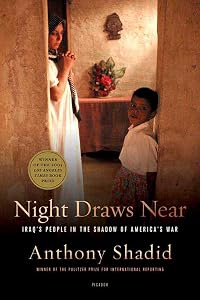




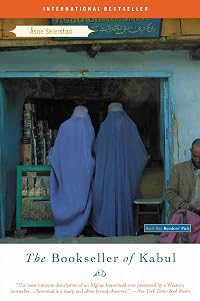
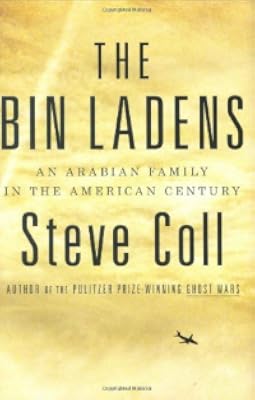
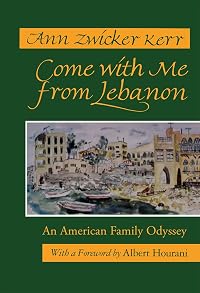
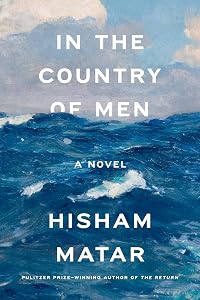

Member Recommendations
The House by the Lake: One House, Five Families, and a Hundred Years of German History by Thomas Harding
cbl_tn Both books explore the history of a house built by a great-grandparent and located in a "hot spot" for conflict.
Member Reviews
There are a lots of books out there that tell you about how difficult home construction projects can be, and lots of books about the Middle East, but I'd wager that few are as thoughtful and affecting as "House of Stone." In it, the author, a successful correspondent for the Washington Post and the New York Times describes his attempts to rebuild the elegant house in southern Lebanon that his great-gradfather built around the time that the Ottoman Empire finally fell apart. It contains a lot of information about building materials, the architectural traditions of the Middle East, and all of this may be of more or less interest to the average reader, but there's a whole more to "House of Stone" than that.
"House of Stone" is, in many show more ways, about small-town Middle Eastern life, and maybe about small-town life in general. Marjayoun -- the town that Shadid's extended family calls home -- is a quiet, sleepy place that has been on the wrong side of most of the geopolitical shifts that the region has undergone over the past hundred or so years. It seems to have been in elegant decay for generations. Shadid does a lovely job of describing the town's rhythms -- its linguistic formalities, never-ending schedule of visits and greetings, and complex clan politics. He speaks Arabic and is recognized as more-or-less a citizen of the place, but "House of Stone" is, in a sense, a story of the author discovering what he didn't know about his own culture. He slowly learns when to hurry the laborers he's hired and when to let them to work at his own pace, when to bargain, how much to tell his neighbors, and how to joke with and show respect to the people around him. This is a book that's as much about rediscovery as it is about rebuilding.
The author is clearly fond of his ancestral home, and his descriptions of it and its lush landscape are beautiful and moving. At the same time, he laments that the fact that it seems to be a beautiful, verdant place without much of a future. Things move slowly there: it's almost a miracle when a tradesman shows up on the day that he says that he will. But the town also seems to be full of disappointed people, the descendants of noble families that have been left without much to do. He spends a lot of time smoking cigarettes, drinking whiskey, and eating Middle Eastern finger food with people who've made it their principal occupation. The other side of this coin is the few truly excellent people he finds or hears about in his family's old town: a local doctor, now reduced by cancer, who spent his life caring for his patients before dedicating himself to gardening and building musical instruments. He meets tradesmen who faithfully practice arts that are falling into disuse with the eye and patience of real artists. He tells the readers about a few of the town's extremely distinguished, highly educated older residents while also describing the struggles of his immigrant family in frontier Oklahoma and how it made them tough and unsentimental. "House of Stone" is, in some ways, a book about what it means to be a good man. Shadid won a couple of Pulitzers before his too-early death, but he's still not too proud to admit that he sometimes wonders how well he measures up to earlier generations and to some of Marjayoun's current residents. Funnily enough, "House of Stone" also seems to demonstrate that even some of the town's most dissipated, least impressive residents make, in their own way, some small contributions to either the rebuilding of the Shadeed family house or Antony's stay in Marjayoun. The author is, in other words, compassionate toward most everyone he meets.
Lastly, while it'd probably be going a bit too far to call Shadeed a nostalgic, he seems to yearn for a Middle East that existed previous to the First World War in which the inefficient, ecumenical Ottoman Empire enabled the region's various religious and political factions to live together in relative peace. Since he's a returning emigrant himself, the fact that he's a bit of a cosmopolitan isn't particularly surprising, but his analysis effectively shows the ways that the Middle East's current organizing principles -- sectarian politics and post-Sykes-Picot nationalism -- simply aren't working. As a member of an Orthodox Christian minority, he worries that his community lacks what he terms guarantee of survival in the current political environment, and while his criticisms of Israel are muted, as befits a journalist, he also talks to a few people who tell him that the Israeli occupation, unjust as it was, at least managed to bring a measure of stability to the region. As the epilogue written by his widow spells out, he'd witnessed unimaginably awful acts of violence as a journalist and seen the damage that war could do. He'd faced death numerous times himself. One gets the feeling that both his efforts to restore his family's house and to write this book were efforts to impose some order and encourage some healing in a world that had far too little of each. All in all, this book is a lovely, important, and, in many ways, deeply melancholy read. show less
"House of Stone" is, in many show more ways, about small-town Middle Eastern life, and maybe about small-town life in general. Marjayoun -- the town that Shadid's extended family calls home -- is a quiet, sleepy place that has been on the wrong side of most of the geopolitical shifts that the region has undergone over the past hundred or so years. It seems to have been in elegant decay for generations. Shadid does a lovely job of describing the town's rhythms -- its linguistic formalities, never-ending schedule of visits and greetings, and complex clan politics. He speaks Arabic and is recognized as more-or-less a citizen of the place, but "House of Stone" is, in a sense, a story of the author discovering what he didn't know about his own culture. He slowly learns when to hurry the laborers he's hired and when to let them to work at his own pace, when to bargain, how much to tell his neighbors, and how to joke with and show respect to the people around him. This is a book that's as much about rediscovery as it is about rebuilding.
The author is clearly fond of his ancestral home, and his descriptions of it and its lush landscape are beautiful and moving. At the same time, he laments that the fact that it seems to be a beautiful, verdant place without much of a future. Things move slowly there: it's almost a miracle when a tradesman shows up on the day that he says that he will. But the town also seems to be full of disappointed people, the descendants of noble families that have been left without much to do. He spends a lot of time smoking cigarettes, drinking whiskey, and eating Middle Eastern finger food with people who've made it their principal occupation. The other side of this coin is the few truly excellent people he finds or hears about in his family's old town: a local doctor, now reduced by cancer, who spent his life caring for his patients before dedicating himself to gardening and building musical instruments. He meets tradesmen who faithfully practice arts that are falling into disuse with the eye and patience of real artists. He tells the readers about a few of the town's extremely distinguished, highly educated older residents while also describing the struggles of his immigrant family in frontier Oklahoma and how it made them tough and unsentimental. "House of Stone" is, in some ways, a book about what it means to be a good man. Shadid won a couple of Pulitzers before his too-early death, but he's still not too proud to admit that he sometimes wonders how well he measures up to earlier generations and to some of Marjayoun's current residents. Funnily enough, "House of Stone" also seems to demonstrate that even some of the town's most dissipated, least impressive residents make, in their own way, some small contributions to either the rebuilding of the Shadeed family house or Antony's stay in Marjayoun. The author is, in other words, compassionate toward most everyone he meets.
Lastly, while it'd probably be going a bit too far to call Shadeed a nostalgic, he seems to yearn for a Middle East that existed previous to the First World War in which the inefficient, ecumenical Ottoman Empire enabled the region's various religious and political factions to live together in relative peace. Since he's a returning emigrant himself, the fact that he's a bit of a cosmopolitan isn't particularly surprising, but his analysis effectively shows the ways that the Middle East's current organizing principles -- sectarian politics and post-Sykes-Picot nationalism -- simply aren't working. As a member of an Orthodox Christian minority, he worries that his community lacks what he terms guarantee of survival in the current political environment, and while his criticisms of Israel are muted, as befits a journalist, he also talks to a few people who tell him that the Israeli occupation, unjust as it was, at least managed to bring a measure of stability to the region. As the epilogue written by his widow spells out, he'd witnessed unimaginably awful acts of violence as a journalist and seen the damage that war could do. He'd faced death numerous times himself. One gets the feeling that both his efforts to restore his family's house and to write this book were efforts to impose some order and encourage some healing in a world that had far too little of each. All in all, this book is a lovely, important, and, in many ways, deeply melancholy read. show less
I got the book after a heart-breaking interview with Nada, Shadid's widow. I'm happy I read it and knowing that Shadid had passed away, passages where he describes looking forward to living in the rebuilt house with his children are truly touching. I'm also conflicted about this book as some parts of it greatly annoyed me as well.
On the one hand, the writing is beautiful, the characters are compelling, you feel a real sense of love and admiration for this part of Lebanon (and the Levant in general). The stories from his family's emigration are beautiful and compelling and work great intermingled with the stories of the rebuilding of his ancestral house (that are always funny and touching).
On the other hand, it is terribly biased. For show more someone who doesn't know much of the region and its history (and I'm going to guess that's a majority of the readership), you'd think that what completely ruined Lebanon is Israel; not Syrian intervention, not the decades of civil war and sectarianism, not the fact that the whole south of the country is an enclave to itself that the government cannot control. I don't agree with many many things that Israel does. Israel faces its own traumas from its terribly misguided intervention in the Lebanese mess and has much to answer for, but Shadid keeps coming back to Palestine this and Palestine that again and again. Is this a book about Lebanon or about how bad Israel is? In the end, I think it's sad when a country has to look back to a totally corrupt Ottoman empire to define its 'golden age' of tolerance, as Shadid does. What kind of future does a country have when its people keep leaving or looking only back? show less
On the one hand, the writing is beautiful, the characters are compelling, you feel a real sense of love and admiration for this part of Lebanon (and the Levant in general). The stories from his family's emigration are beautiful and compelling and work great intermingled with the stories of the rebuilding of his ancestral house (that are always funny and touching).
On the other hand, it is terribly biased. For show more someone who doesn't know much of the region and its history (and I'm going to guess that's a majority of the readership), you'd think that what completely ruined Lebanon is Israel; not Syrian intervention, not the decades of civil war and sectarianism, not the fact that the whole south of the country is an enclave to itself that the government cannot control. I don't agree with many many things that Israel does. Israel faces its own traumas from its terribly misguided intervention in the Lebanese mess and has much to answer for, but Shadid keeps coming back to Palestine this and Palestine that again and again. Is this a book about Lebanon or about how bad Israel is? In the end, I think it's sad when a country has to look back to a totally corrupt Ottoman empire to define its 'golden age' of tolerance, as Shadid does. What kind of future does a country have when its people keep leaving or looking only back? show less
American journalist Anthony Shadid covered the war in Lebanon in 2006. At the end of the conflict, Shadid visited his ancestral home in Marjayoun, a town in southern Lebanon. There he found his great-grandfather's house, empty, with a partially exploded Israeli rocket in the top floor. Some combination of nostalgia for his family's past and a desire to anchor himself to the present motivated Shadid to take on the task of rebuilding his ancestral home. He took a leave of absence from his newspaper and spent a year in Lebanon overseeing the project. His memoir describes the home's reconstruction, as well as the people he encountered in the process. Stories of Shadid's great-grandfather, who built the house, and his grandmother, who was show more sent to America at age 12, are interspersed throughout the book.
Shadid goes into great detail about the men hired to work on the home and the materials used in the construction project. This is the weakest part of the book, mainly because there are no accompanying illustrations - no before and after photos, no close-ups of the architectural features Shadid describes, no photos of the garden and the variety of trees and plants he placed there.
The best parts of the book describe the residents of Marjayoun, the emigrants who left there, the history of Lebanon from the closing years of the Ottoman Empire, Lebanon's religious and political climate, and Shadid's family history. I also felt the lack of illustrations in the sections about Shadid's ancestors. He described photographs he had seen of his ancestors. I would have loved to have seen at least one or two of those photographs so that I would have had faces to put with the individuals brought back from the past in this book.
When I Googled for pictures of the house, I discovered that Shadid died unexpectedly shortly after completing the book. Knowing that he had so little time to establish a home in the restored house added a sense of poignancy to my reading. Shadid left two children behind. This book won't make up for growing up without their father, but it will at least help them to know him and something of their heritage. show less
Shadid goes into great detail about the men hired to work on the home and the materials used in the construction project. This is the weakest part of the book, mainly because there are no accompanying illustrations - no before and after photos, no close-ups of the architectural features Shadid describes, no photos of the garden and the variety of trees and plants he placed there.
The best parts of the book describe the residents of Marjayoun, the emigrants who left there, the history of Lebanon from the closing years of the Ottoman Empire, Lebanon's religious and political climate, and Shadid's family history. I also felt the lack of illustrations in the sections about Shadid's ancestors. He described photographs he had seen of his ancestors. I would have loved to have seen at least one or two of those photographs so that I would have had faces to put with the individuals brought back from the past in this book.
When I Googled for pictures of the house, I discovered that Shadid died unexpectedly shortly after completing the book. Knowing that he had so little time to establish a home in the restored house added a sense of poignancy to my reading. Shadid left two children behind. This book won't make up for growing up without their father, but it will at least help them to know him and something of their heritage. show less
This family/personal memoir-cum-discourse on Lebanon moved me deeply, perhaps because the author died so suddenly and so recently in Syria. This book has made me want to read his previous one about the Iraq War, Night Draws Near.
Part of the power for me was the immigrant experience he relates, so similar, despite different countries of origin, different eras, and different cultures, to the immigrant experiences of my own family and of many recent immigrants to the U.S.
Part of the power for me was the immigrant experience he relates, so similar, despite different countries of origin, different eras, and different cultures, to the immigrant experiences of my own family and of many recent immigrants to the U.S.
A bit lengthy, sometimes delve too deep in situations without apparent cause. Nonetheless, it draws a wonderful sketch of Marjayoun within a wider context and across time.
Knowing that "House of Stone" was a National Book Award Non-Fiction Nominee for 2012, and that Anthony Shadid was a Pulitzer Prize winning journalist, I was eager to pick up this book. But only very few books prove to have universal appeal, and this book proved that point to me.
I wanted to enjoy it, and tried to like it, but it just wasn't a book for me. It's really something of a memoir of the author, and the book focused on the rebuilding of a long-held family home in Lebanon, built by the author's great-grandfather and having fallen into disrepair over the years. But home improvement projects are fraught with mishaps under the best of circumstances even in the most modern Countries, and reading about his Lebanese construction and show more contractor problems wasn't surprising nor of much interest to me. The acceptance of a work culture as Shadid described, where a promise of "tomorrow" simply means "sometime in the future", failed to make me sympathetic to his project. (Personal disclaimer: To be perfectly honest, the fact that as a young man, I found myself on the wrong side of a knife-wielding street thug on the streets of Beirut many years ago may still be dimming my enthusiasm for Shadid's description of the people, the culture, and the land). However, if you can lose yourself in Shadid's descriptions of a new and novel place, you may well find the narrative somewhat more compelling, but I found no purpose in his writing. Had Shadid been able to add a little more detail about the specific historical turmoil in the region, and personalized that a little more, I might have found the book a little more interesting. show less
I wanted to enjoy it, and tried to like it, but it just wasn't a book for me. It's really something of a memoir of the author, and the book focused on the rebuilding of a long-held family home in Lebanon, built by the author's great-grandfather and having fallen into disrepair over the years. But home improvement projects are fraught with mishaps under the best of circumstances even in the most modern Countries, and reading about his Lebanese construction and show more contractor problems wasn't surprising nor of much interest to me. The acceptance of a work culture as Shadid described, where a promise of "tomorrow" simply means "sometime in the future", failed to make me sympathetic to his project. (Personal disclaimer: To be perfectly honest, the fact that as a young man, I found myself on the wrong side of a knife-wielding street thug on the streets of Beirut many years ago may still be dimming my enthusiasm for Shadid's description of the people, the culture, and the land). However, if you can lose yourself in Shadid's descriptions of a new and novel place, you may well find the narrative somewhat more compelling, but I found no purpose in his writing. Had Shadid been able to add a little more detail about the specific historical turmoil in the region, and personalized that a little more, I might have found the book a little more interesting. show less
It took me two tries to get into this and if ever a book needed photographs, a map, and a glossary, this was it.
I liked how he tied together the rebuilding of the family home, the history of Lebanon and his own family story.
I liked how he tied together the rebuilding of the family home, the history of Lebanon and his own family story.
Members
- Recently Added By
Published Reviews
ThingScore 100
The book’s searching characters and mournful tone would be moving even if a reader had no knowledge that Mr. Shadid, a correspondent for The New York Times and perhaps his generation’s finest chronicler of the Middle East, died on Feb. 16 at 43 while on assignment in Syria. As it is, a book conceived as an introspective project of personal recovery — as well as a meditation on politics, show more identity, craft and beauty in the Levant — now stands as a memorial. It is a fitting one because of the writing skill and deep feeling Mr. Shadid unobtrusively displays. show less
added by Shortride
Lists

Middle Eastern Literature & Non-Fiction
99 works; 3 members
Author Information

8+ Works 829 Members
Anthony Shadid was born in Oklahoma City, Oklahoma on September 26, 1968. He received a bachelor's degree in political science and journalism from the University of Wisconsin in 1990. He worked at several newspapers during his lifetime including The Associated Press, The Globe, The Washington Post, and The New York Times. In 2010, he and three show more other New York Times journalists were kidnapped in Libya by Colonel Muammar el-Qaddafi's forces. They were held for six days and beaten before being released. He won Pulitzer Prizes in 2004 and 2010 for work he did while at The Washington Post. The New York Times nominated him, along with a team of his colleagues, for the 2012 Pulitzer in international reporting. He also was the author of Legacy of the Prophet: Despots, Democrats and the New Politics of Islam; Night Draws Near: Iraq's People in the Shadow of America's War; and House of Stone: A Memoir of Home, Family, and a Lost Middle East. He died from an asthma attack on February 16, 2012 at the age of 43. (Bowker Author Biography) show less
Awards and Honors
Awards
Distinctions
Common Knowledge
- Original publication date
- 2012
- Important places
- Lebanon
Classifications
- Genres
- Biography & Memoir, Nonfiction, General Nonfiction, History
- DDC/MDS
- 306.0956 — Society, government, & culture Social sciences, sociology & anthropology Social Behavior - Dating, Marriage, Divorce Social history Asia Middle East
- LCC
- HQ663.9 .S53 — Social sciences The family. Marriage, Women and Sexuality The Family. Marriage. Women The family. Marriage. Home
- BISAC
Statistics
- Members
- 402
- Popularity
- 77,386
- Reviews
- 16
- Rating
- (3.49)
- Languages
- English, German
- Media
- Paper, Audiobook, Ebook
- ISBNs
- 12
- ASINs
- 7