On This Page
Description
In 2027, sixteen-year-old Tegan is just like every other girl--playing the guitar, falling in love, and protesting the wrongs of the world with her friends. But then Tegan dies, waking up 100 years in the future as the unknowing first government guinea pig to be cryogenically frozen and successfully revived. Appalling secrets about her new world come to light, and Tegan must choose to either keep her head down or fight for a better future.Tags
Recommendations

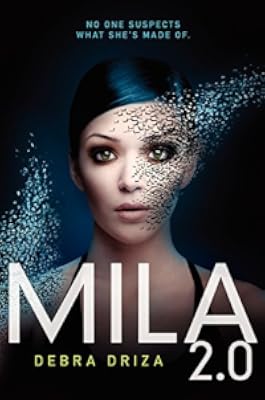
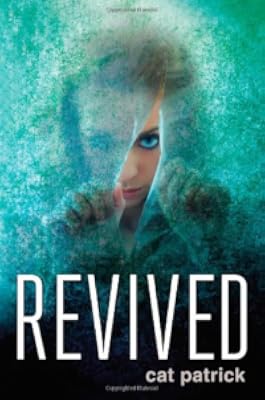
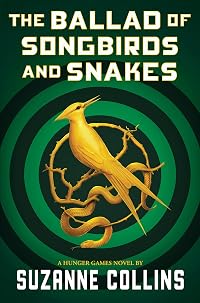
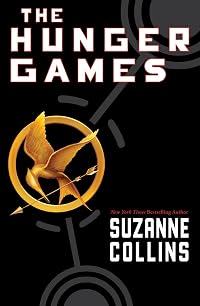
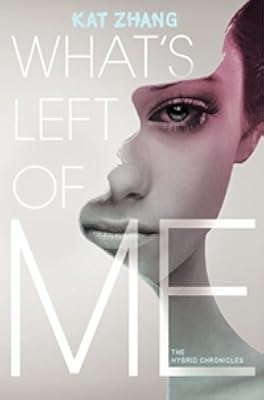


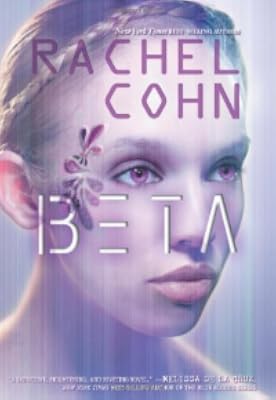
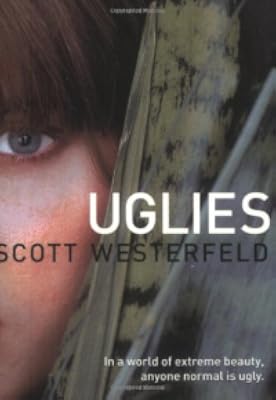

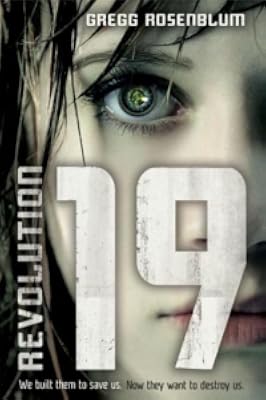



Member Recommendations

Member Reviews
Tegan died from a stray bullet at a political rally, and woke up a hundred years later. Her body had been frozen and donated to science, and now science has advanced far enough to make such feats of cryogenics possible. Tegan is part of a high-profile government project. She's told that discoveries related to her reawakening will be used to help wounded military, and as the daughter of a fallen serviceman, she's glad to be part of that effort. The problem is, Tegan isn't being told the truth about the project -- and when she goes poking around to learn more, she could put herself and the few new friends she's made in terrible danger.
This is a fast-paced story with a good balance of action and depth. Some readers may find the ending a show more little unsatisfactory, but it is the beginning of a series, so any dangling threads should be picked up in the next book. show less
This is a fast-paced story with a good balance of action and depth. Some readers may find the ending a show more little unsatisfactory, but it is the beginning of a series, so any dangling threads should be picked up in the next book. show less
Oh, I do love me my Karen Healey. I’ve been super-excited for We Wake since it was announced, even without knowing what it was about aside from “It’s got Sleeping Beauty and the Beatles and THE FUTURE.” (Mainly because I wanted MOAR KAREN HEALEY BOOKS.)
Unlike the dozens of followers in Suzanne Collins’s dystopic wake, When We Wake is a true sci-fi YA novel. Yes, there’s government conspiracies and potentially apocalyptic events at play, but this world in 2128 is a lot more plausible than the majority of YA dystopias out there. (Let’s be honest; true science fiction is rare in YA right now.) Global warming does contribute to the destruction of the earth, but it feels like this could be the direction we’re headed in. Not show more to mention, it’s set up as being something that has evolved over time; there’s no unspecific event that we’re told about and then conveniently handwaved because it doesn’t have anything to do with the plot.
And even the world that Tegan wakes up to is more plausible. While equality in religion and love has become the norm and accepted, racism is still a major problem. Hell, Tegan finds this out the hard way when she first meets Abdi and the first thing out of her mouth, “You look just like my ex-boyfriend!” And realizes what she just said. Even aside from social gaffes, there’s a heavy discussion of racism that plays into the larger plot. Again, I love this—it feels more realistic than any other futuristic YA world that I’ve read.
The one thing that I love about Karen Healey’s work in general is that her characters are extremely realistic. Not only does she have a wide variety of characters in her works (When We Wake includes a lesbian Muslim and her trans*woman drug dealer ex), but she makes them feel realistic but having them screw up. The aforementioned incident with Tegan and Abdi, for example. A lesser writer would probably haven’t brought up the fact that Tegan is called out for sounding racist; even when Bethari offers to explain, Tegan says that, no it’s her screw-up and she’ll own up to it. It’s a character trait that I’ve seen in every one of her books, and I actually really like that Healey takes the time to address the fact that, even people like Tegan who want to make the world better will still screw up…but they’re going to own up to their screw ups.
And Tegan is just normal. Again, it’s extremely refreshing to pick up a futuristic book and find a heroine who’s not super-special. Even Tegan’s surviving the cryosis isn’t the result of some super-rare gene her father’s bloodline has and that’s why she could be unfrozen and that’s why she’s the key to this whole evil plot. Nope, the reason for Tegan’s survival is that she was in the wrong place and the right time. But that aside, I loved that Tegan is a normal, average girl who’s not boring. She says that “Everyone else I know is extraordinary, and I’m not,” and I liked that honesty. I also love that she is passionate about doing good and trying to save the world, even if it’s just her and her friends and the Beatles. (And she’s a Ringo fangirl. Yes.) Also, Tegan’s religious but not…fundamentalist or overbearing. It ‘s something that comforts Tegan—she doesn’t have a huge existential crisis about her soul or who she is. That is touched on, especially once the Inheritors of the Earth get involved, but as for Tegan herself, I liked having a main character who did feel like her faith was important. (Tangent, there’s a throwaway line about how the USA has been torn apart by fundamentalist wars. I don’t know whether I ought to laugh at that or be worried.) I love Tegan, she’s relatable and normal, but I’m never bored by her.
However, yet again, my favorite characters are the side characters. I love Bethari. The first moment when she and Tegan first meet, I was afraid that Bethari was going to be frosty, but once Tegan broke the ice, I immediately fell in love with her. She’s funny and fun and resourceful; and again, a human being who messes up. Bethari has a lot of love for her friends and she wants everyone to succeed and be happy at what they do. I loved that she still cares a lot for Joph, and that she worries about her ex. And the scene when Joph reveals what she’s been doing the whole time with her drug research and accuses Bethari of casting her as an atypical addict—ugh, my heart. It’s a little sad that Bethari and Joph do get dropped from the plot suddenly—there are good reasons for it happening, so I’m not too upset by it, but still. I want more. (Methinks the sequel, currently codenamed “Cheerbaby Goes to State” will focus on Bethari. Yes? Yes?)
Abdi. *swoon* I—oh my. Look, from the description, he sounds hot, so yes. (He’s legal, right? Yes I have feelings about these things for fictional characters.) I love that despite Tegan’s initial screw-up, Abdi’s ready to help Tegan out in a grueling music class and then they start bonding over Beatles songs. (It’s a really sweet moment whenever he sends her the Ringo All-Star Band stuff.) I love that the two of them don’t butt heads, and despite Abdi’s reservations about being visibly friends, he’s still willing to help Tegan and be friendly with her. And I understand his reasons for not bowing to everyone’s expectations and being this famous singer and building on that; instead, Abdi wants to do good in the world, and even if that means going through shady means. Because it’s the only way he can.
Tegan’s guardian Marie is also really well-done—I liked that she is eager to take Tegan home and help her adjust to 22nd century living. I liked that she immediately takes to being a guardian figure and genuinely wants to protect Tegan. Zaneisha is a little too cold for me to warm up to, but I liked her and Tegan’s interactions, even if most of them are Tegan trying to break Zaneisha’s exterior expression. I even really liked that we get a good idea of Tegan’s 21st century friends, Alex and Dalmar, even though they only appeared in one chapter and a flashback.
While there’s really not much to the plot, I do like the situation that’s presented isn’t black and white. The government has its reasons for developing a starship, except the means to populate other planets isn’t as ethical as everyone would like. The Inheritors of the Earth seem a little more cartoonish in their plans, but I like that not all of them are treated like horrible people who just want Tegan to kill herself.
Also, about the plot—it’s set up in the beginning that Tegan is narrating a broadcast to reveal the truth. And then, halfway through, she stops and says “Okay, listen we have to move. I’ll be back as soon as I can.” While it did take me out of the narrative for a bit, it was more because I’ve never seen that happen. Most stories set up like one straight long narrative don’t acknowledge that relating everything takes a long time, and I liked that it’s acknowledged here. And while the main plot of the book is wrapped up with the discovery of the starships and Tegan revealing everything, it still ends on a bit of a cliffhanger. Yes, there’s a proper ending, but Tegan (and Abdi and Bethari and Joph)’s fates are left in the air. Other than that, I really couldn’t get into some of the slang Healey uses in the future. I do like that some of it sounds like a blending of cultures, like the word “Geya” as a greeting. Others…not so much. (“Ontedy.” I had to laugh because I know exactly where Healey got it.)
Despite those issues, I still enjoyed the hell out of this book. I’ve made it no secret that Karen Healey is one of my favorite YA authors and I do think she’s criminally ignored on this side of the Pacific. (This is why I plan on shoving this book to as many people possible at work.) When We Wake is another great book by her, and the knowledge that there is going to be a sequel makes me both happy and impatient. show less
Unlike the dozens of followers in Suzanne Collins’s dystopic wake, When We Wake is a true sci-fi YA novel. Yes, there’s government conspiracies and potentially apocalyptic events at play, but this world in 2128 is a lot more plausible than the majority of YA dystopias out there. (Let’s be honest; true science fiction is rare in YA right now.) Global warming does contribute to the destruction of the earth, but it feels like this could be the direction we’re headed in. Not show more to mention, it’s set up as being something that has evolved over time; there’s no unspecific event that we’re told about and then conveniently handwaved because it doesn’t have anything to do with the plot.
And even the world that Tegan wakes up to is more plausible. While equality in religion and love has become the norm and accepted, racism is still a major problem. Hell, Tegan finds this out the hard way when she first meets Abdi and the first thing out of her mouth, “You look just like my ex-boyfriend!” And realizes what she just said. Even aside from social gaffes, there’s a heavy discussion of racism that plays into the larger plot. Again, I love this—it feels more realistic than any other futuristic YA world that I’ve read.
The one thing that I love about Karen Healey’s work in general is that her characters are extremely realistic. Not only does she have a wide variety of characters in her works (When We Wake includes a lesbian Muslim and her trans*woman drug dealer ex), but she makes them feel realistic but having them screw up. The aforementioned incident with Tegan and Abdi, for example. A lesser writer would probably haven’t brought up the fact that Tegan is called out for sounding racist; even when Bethari offers to explain, Tegan says that, no it’s her screw-up and she’ll own up to it. It’s a character trait that I’ve seen in every one of her books, and I actually really like that Healey takes the time to address the fact that, even people like Tegan who want to make the world better will still screw up…but they’re going to own up to their screw ups.
And Tegan is just normal. Again, it’s extremely refreshing to pick up a futuristic book and find a heroine who’s not super-special. Even Tegan’s surviving the cryosis isn’t the result of some super-rare gene her father’s bloodline has and that’s why she could be unfrozen and that’s why she’s the key to this whole evil plot. Nope, the reason for Tegan’s survival is that she was in the wrong place and the right time. But that aside, I loved that Tegan is a normal, average girl who’s not boring. She says that “Everyone else I know is extraordinary, and I’m not,” and I liked that honesty. I also love that she is passionate about doing good and trying to save the world, even if it’s just her and her friends and the Beatles. (And she’s a Ringo fangirl. Yes.) Also, Tegan’s religious but not…fundamentalist or overbearing. It ‘s something that comforts Tegan—she doesn’t have a huge existential crisis about her soul or who she is. That is touched on, especially once the Inheritors of the Earth get involved, but as for Tegan herself, I liked having a main character who did feel like her faith was important. (Tangent, there’s a throwaway line about how the USA has been torn apart by fundamentalist wars. I don’t know whether I ought to laugh at that or be worried.) I love Tegan, she’s relatable and normal, but I’m never bored by her.
However, yet again, my favorite characters are the side characters. I love Bethari. The first moment when she and Tegan first meet, I was afraid that Bethari was going to be frosty, but once Tegan broke the ice, I immediately fell in love with her. She’s funny and fun and resourceful; and again, a human being who messes up. Bethari has a lot of love for her friends and she wants everyone to succeed and be happy at what they do. I loved that she still cares a lot for Joph, and that she worries about her ex. And the scene when Joph reveals what she’s been doing the whole time with her drug research and accuses Bethari of casting her as an atypical addict—ugh, my heart. It’s a little sad that Bethari and Joph do get dropped from the plot suddenly—there are good reasons for it happening, so I’m not too upset by it, but still. I want more. (Methinks the sequel, currently codenamed “Cheerbaby Goes to State” will focus on Bethari. Yes? Yes?)
Abdi. *swoon* I—oh my. Look, from the description, he sounds hot, so yes. (He’s legal, right? Yes I have feelings about these things for fictional characters.) I love that despite Tegan’s initial screw-up, Abdi’s ready to help Tegan out in a grueling music class and then they start bonding over Beatles songs. (It’s a really sweet moment whenever he sends her the Ringo All-Star Band stuff.) I love that the two of them don’t butt heads, and despite Abdi’s reservations about being visibly friends, he’s still willing to help Tegan and be friendly with her. And I understand his reasons for not bowing to everyone’s expectations and being this famous singer and building on that; instead, Abdi wants to do good in the world, and even if that means going through shady means. Because it’s the only way he can.
Tegan’s guardian Marie is also really well-done—I liked that she is eager to take Tegan home and help her adjust to 22nd century living. I liked that she immediately takes to being a guardian figure and genuinely wants to protect Tegan. Zaneisha is a little too cold for me to warm up to, but I liked her and Tegan’s interactions, even if most of them are Tegan trying to break Zaneisha’s exterior expression. I even really liked that we get a good idea of Tegan’s 21st century friends, Alex and Dalmar, even though they only appeared in one chapter and a flashback.
While there’s really not much to the plot, I do like the situation that’s presented isn’t black and white. The government has its reasons for developing a starship, except the means to populate other planets isn’t as ethical as everyone would like. The Inheritors of the Earth seem a little more cartoonish in their plans, but I like that not all of them are treated like horrible people who just want Tegan to kill herself.
Also, about the plot—it’s set up in the beginning that Tegan is narrating a broadcast to reveal the truth. And then, halfway through, she stops and says “Okay, listen we have to move. I’ll be back as soon as I can.” While it did take me out of the narrative for a bit, it was more because I’ve never seen that happen. Most stories set up like one straight long narrative don’t acknowledge that relating everything takes a long time, and I liked that it’s acknowledged here. And while the main plot of the book is wrapped up with the discovery of the starships and Tegan revealing everything, it still ends on a bit of a cliffhanger. Yes, there’s a proper ending, but Tegan (and Abdi and Bethari and Joph)’s fates are left in the air. Other than that, I really couldn’t get into some of the slang Healey uses in the future. I do like that some of it sounds like a blending of cultures, like the word “Geya” as a greeting. Others…not so much. (“Ontedy.” I had to laugh because I know exactly where Healey got it.)
Despite those issues, I still enjoyed the hell out of this book. I’ve made it no secret that Karen Healey is one of my favorite YA authors and I do think she’s criminally ignored on this side of the Pacific. (This is why I plan on shoving this book to as many people possible at work.) When We Wake is another great book by her, and the knowledge that there is going to be a sequel makes me both happy and impatient. show less
I enjoyed this a lot, and the few things I quibbled with are more a matter of wanting the author to have written a slightly different book rather than problems with the story itself. Protagonist Tegan is a believable, engaging character, and I liked all her friends too. The author's also a genius with all sorts of believable details about the future that Tegan wakes up in (100 years ahead of her original present, which is some 25 years ahead of ours). I particularly liked the invasive hummingbird-like reporters' devices and the loud spam from her computer that has to be silenced by verbally stating that she asserts her rights "as outlined in the Advertising-Free Zones Act of 2098." Too too likely, I'm afraid!
But the putative reason show more Tegan's awakened 100 years in her future brings me to my first quibble. Theoretically she's been revived as part of a project aiming to bring soldiers killed in battle back to life. Given the globally warmed up, overpopulated world Tegan wakes up in, I just couldn't buy that there'd be this huge stream of money devoted to trying to revive soldiers (especially when you think of all the damage to limbs and organs that goes on when most soldiers die). And, of course, that's not the real reason for the research, as Tegan and her friends discover. But would the government and taxpayers even buy the fake story?
Ah well, maybe in fact they would. Maybe all the powerful folks are in on the secret truth. (Are you wanting to know what it is?It's an ark spaceship project (because the powers that be believe that humans are doomed to be victims of a soon-to-happen extinction event tied to the melting of the Antarctic ice cap), with slave laborers--drawn from the detention camps for refugees--to be frozen for the long space journey and then revived when at last a habitable planet is discovered. I think it's neat, from a storytelling point of view, that this ties in with Australia's European settlement history, but I dislike the trope of Earth-is-doomed-and-we-must-abandon it. )
Much more to my liking is a plot thread that gets revealed about two-thirds of the way through the book, one involving Tegan's thirdie (i.e., from a Third World country) friend Abdi and Joph, a prodigy student when it comes to chemistry who's become--so it appears--a druggie who samples her own wares. But in fact something much more interesting and heroic is going on. Really Joph is illegally manufacturing generic versions of lifesaving drugs that Abdi is smuggling back to his home country of Djibouti. I would love for the whole story to revolve around this, as it's a real-world problem I really care about and as I think there's plenty of room for heroics and adventure with that plot thread. Maybe in a sequel!
Another thing I liked, which comes with an attached quibble, is the mainly understated presence of religion in the story. Tegan is Roman Catholic; her boyfriend in her original time was Muslim, as is Abdi and another of Tegan's friends, Bethari. Tegan's faith is an unproblematized part of her life and an unremarked-on part of Abdi and Bethari's life, and that was salutary. There's also a back-to-the Earth Christian offshoot cult in Tegan's new present that thinks she's an abomination (as only God should raise the dead) and would like her to commit suicide. This initially occasioned much eye rolling on my part, but I was won over as the story went along--the cult's presence in the story ends up being somewhat more nuanced than it originally seems. What I had more trouble with was Tegan's own doubt about the state of her soul. It didn't seem to tie in to any other part of the story--well, except the cult bit, but since Tegan is emphatically committed to staying alive, that's not really relevant--and I just wasn't sure what it was doing in the story. Tegan's sense of loss and grief over her family and friends felt more real and was more connected with the overall story, as it related to how she interacted with the people she had to establish relationships with in her new present.
Similarly--and with no quibbles--I loved that Tegan unabashedly loves her mother and brother, as well as her deceased father, and that in her new present, she really loves Marie, her stand-in mother figure. Marie was a very interesting character in a complicated position, and I was impressed with her portrayal. All in all, I thought Healy did an excellent job creating characters with depth. Quibbles aside, I really enjoyed When We Wake and look forward to reading more about Tegan, Abdi, Bethari, and Joph. show less
But the putative reason show more Tegan's awakened 100 years in her future brings me to my first quibble. Theoretically she's been revived as part of a project aiming to bring soldiers killed in battle back to life. Given the globally warmed up, overpopulated world Tegan wakes up in, I just couldn't buy that there'd be this huge stream of money devoted to trying to revive soldiers (especially when you think of all the damage to limbs and organs that goes on when most soldiers die). And, of course, that's not the real reason for the research, as Tegan and her friends discover. But would the government and taxpayers even buy the fake story?
Ah well, maybe in fact they would. Maybe all the powerful folks are in on the secret truth. (Are you wanting to know what it is?
Much more to my liking is a plot thread that gets revealed about two-thirds of the way through the book, one involving Tegan's thirdie (i.e., from a Third World country) friend Abdi and Joph, a prodigy student when it comes to chemistry who's become--so it appears--a druggie who samples her own wares. But in fact something much more interesting and heroic is going on.
Another thing I liked, which comes with an attached quibble, is the mainly understated presence of religion in the story. Tegan is Roman Catholic; her boyfriend in her original time was Muslim, as is Abdi and another of Tegan's friends, Bethari. Tegan's faith is an unproblematized part of her life and an unremarked-on part of Abdi and Bethari's life, and that was salutary. There's also a back-to-the Earth Christian offshoot cult in Tegan's new present that thinks she's an abomination (as only God should raise the dead) and would like her to commit suicide. This initially occasioned much eye rolling on my part, but I was won over as the story went along--the cult's presence in the story ends up being somewhat more nuanced than it originally seems. What I had more trouble with was Tegan's own doubt about the state of her soul. It didn't seem to tie in to any other part of the story--well, except the cult bit, but since Tegan is emphatically committed to staying alive, that's not really relevant--and I just wasn't sure what it was doing in the story. Tegan's sense of loss and grief over her family and friends felt more real and was more connected with the overall story, as it related to how she interacted with the people she had to establish relationships with in her new present.
Similarly--and with no quibbles--I loved that Tegan unabashedly loves her mother and brother, as well as her deceased father, and that in her new present, she really loves Marie, her stand-in mother figure. Marie was a very interesting character in a complicated position, and I was impressed with her portrayal. All in all, I thought Healy did an excellent job creating characters with depth. Quibbles aside, I really enjoyed When We Wake and look forward to reading more about Tegan, Abdi, Bethari, and Joph. show less
I enjoyed this a lot, and the few things I quibbled with are more a matter of wanting the author to have written a slightly different book rather than problems with the story itself. Protagonist Tegan is a believable, engaging character, and I liked all her friends too. The author's also a genius with all sorts of believable details about the future that Tegan wakes up in (100 years ahead of her original present, which is some 25 years ahead of ours). I particularly liked the invasive hummingbird-like reporters' devices and the loud spam from her computer that has to be silenced by verbally stating that she asserts her rights "as outlined in the Advertising-Free Zones Act of 2098." Too too likely, I'm afraid!
But the putative reason show more Tegan's awakened 100 years in her future brings me to my first quibble. Theoretically she's been revived as part of a project aiming to bring soldiers killed in battle back to life. Given the globally warmed up, overpopulated world Tegan wakes up in, I just couldn't buy that there'd be this huge stream of money devoted to trying to revive soldiers (especially when you think of all the damage to limbs and organs that goes on when most soldiers die). And, of course, that's not the real reason for the research, as Tegan and her friends discover. But would the government and taxpayers even buy the fake story?
Ah well, maybe in fact they would. Maybe all the powerful folks are in on the secret truth. (Are you wanting to know what it is?It's an ark spaceship project (because the powers that be believe that humans are doomed to be victims of a soon-to-happen extinction event tied to the melting of the Antarctic ice cap), with slave laborers--drawn from the detention camps for refugees--to be frozen for the long space journey and then revived when at last a habitable planet is discovered. I think it's neat, from a storytelling point of view, that this ties in with Australia's European settlement history, but I dislike the trope of Earth-is-doomed-and-we-must-abandon it. )
Much more to my liking is a plot thread that gets revealed about two-thirds of the way through the book, one involving Tegan's thirdie (i.e., from a Third World country) friend Abdi and Joph, a prodigy student when it comes to chemistry who's become--so it appears--a druggie who samples her own wares. But in fact something much more interesting and heroic is going on. Really Joph is illegally manufacturing generic versions of lifesaving drugs that Abdi is smuggling back to his home country of Djibouti. I would love for the whole story to revolve around this, as it's a real-world problem I really care about and as I think there's plenty of room for heroics and adventure with that plot thread. Maybe in a sequel!
Another thing I liked, which comes with an attached quibble, is the mainly understated presence of religion in the story. Tegan is Roman Catholic; her boyfriend in her original time was Muslim, as is Abdi and another of Tegan's friends, Bethari. Tegan's faith is an unproblematized part of her life and an unremarked-on part of Abdi and Bethari's life, and that was salutary. There's also a back-to-the Earth Christian offshoot cult in Tegan's new present that thinks she's an abomination (as only God should raise the dead) and would like her to commit suicide. This initially occasioned much eye rolling on my part, but I was won over as the story went along--the cult's presence in the story ends up being somewhat more nuanced than it originally seems. What I had more trouble with was Tegan's own doubt about the state of her soul. It didn't seem to tie in to any other part of the story--well, except the cult bit, but since Tegan is emphatically committed to staying alive, that's not really relevant--and I just wasn't sure what it was doing in the story. Tegan's sense of loss and grief over her family and friends felt more real and was more connected with the overall story, as it related to how she interacted with the people she had to establish relationships with in her new present.
Similarly--and with no quibbles--I loved that Tegan unabashedly loves her mother and brother, as well as her deceased father, and that in her new present, she really loves Marie, her stand-in mother figure. Marie was a very interesting character in a complicated position, and I was impressed with her portrayal. All in all, I thought Healy did an excellent job creating characters with depth. Quibbles aside, I really enjoyed When We Wake and look forward to reading more about Tegan, Abdi, Bethari, and Joph. show less
But the putative reason show more Tegan's awakened 100 years in her future brings me to my first quibble. Theoretically she's been revived as part of a project aiming to bring soldiers killed in battle back to life. Given the globally warmed up, overpopulated world Tegan wakes up in, I just couldn't buy that there'd be this huge stream of money devoted to trying to revive soldiers (especially when you think of all the damage to limbs and organs that goes on when most soldiers die). And, of course, that's not the real reason for the research, as Tegan and her friends discover. But would the government and taxpayers even buy the fake story?
Ah well, maybe in fact they would. Maybe all the powerful folks are in on the secret truth. (Are you wanting to know what it is?
Much more to my liking is a plot thread that gets revealed about two-thirds of the way through the book, one involving Tegan's thirdie (i.e., from a Third World country) friend Abdi and Joph, a prodigy student when it comes to chemistry who's become--so it appears--a druggie who samples her own wares. But in fact something much more interesting and heroic is going on.
Another thing I liked, which comes with an attached quibble, is the mainly understated presence of religion in the story. Tegan is Roman Catholic; her boyfriend in her original time was Muslim, as is Abdi and another of Tegan's friends, Bethari. Tegan's faith is an unproblematized part of her life and an unremarked-on part of Abdi and Bethari's life, and that was salutary. There's also a back-to-the Earth Christian offshoot cult in Tegan's new present that thinks she's an abomination (as only God should raise the dead) and would like her to commit suicide. This initially occasioned much eye rolling on my part, but I was won over as the story went along--the cult's presence in the story ends up being somewhat more nuanced than it originally seems. What I had more trouble with was Tegan's own doubt about the state of her soul. It didn't seem to tie in to any other part of the story--well, except the cult bit, but since Tegan is emphatically committed to staying alive, that's not really relevant--and I just wasn't sure what it was doing in the story. Tegan's sense of loss and grief over her family and friends felt more real and was more connected with the overall story, as it related to how she interacted with the people she had to establish relationships with in her new present.
Similarly--and with no quibbles--I loved that Tegan unabashedly loves her mother and brother, as well as her deceased father, and that in her new present, she really loves Marie, her stand-in mother figure. Marie was a very interesting character in a complicated position, and I was impressed with her portrayal. All in all, I thought Healy did an excellent job creating characters with depth. Quibbles aside, I really enjoyed When We Wake and look forward to reading more about Tegan, Abdi, Bethari, and Joph. show less
Tegan lives in future Australia. Her main concerns are her music, activism, and her new boyfriend--until she's killed at an environmentalist rally. She wakes up a hundred years even further into the future, the first successful cryogenic revival of an army project. Some things are better: composting, recycling, and water saving are commonplace, while racism, homophobia, and transphobia are mostly gone. Plus, computers are teensy! Some things are worse: climate change has escalated, and resource disparities are increasing. And many things remain the same: developing nations still lack patented medicines, anti-immigration sentiment has risen, and the public is still only fleetingly interested in injustice.
After Tegan discovers a terrible show more scheme, she and her new friends have to somehow make it public, all while dodging religious extremists and the Australian army. I thought I would like this more than I did. There were too many plot contrivances--I'm supposed to believe a fourteen year old kid is offered a scholarship and thinks, "I'll start smuggling patented medicines through there"? And then is actually able to find all the contacts necessary to do that, without ever having been in Australia before? Tegan takes out various soldiers ridiculously easily. And worst of all, the Big Terribad Scheme that Tegan discovers is just...silly. The government has apparently been killing refugees and stashing them away so they can send them all into space to colonize new planets. That is the dumbest, most unlikely plan I have ever heard of. I believe a government would kill camps full of refugees. I believe a government could create a secret colony ship. But I do not believe they would give random, physically weak (some are children, and all were nearly starved) refugees first crack at a brand new planet. Why wouldn't they send scientists, farmers, soldiers, people who are physically and mentally trained, ready to colonize, and willing to send resources back to Australia? Sending a ship full of non-Australians that you've murdered sounds like the very WORST plan. show less
After Tegan discovers a terrible show more scheme, she and her new friends have to somehow make it public, all while dodging religious extremists and the Australian army. I thought I would like this more than I did. There were too many plot contrivances--
Imagine waking up 100 years from now; the boy you loved has had an entire life without you and has died, your parents are long gone, the house you grew up in probably doesn't even exist anymore, the language and slang of your youth has become old school, and everything you do feels unfamiliar. That's the existence Tegan Oglietti starts to live when she is brought back to life in 2027, 100 years after she died. She finds out that she has signed away any rights she thought she had, and she is the property of the government. Worse then that, they clearly have a plan for her, and it is not something she wants for herself. Tegan finds friends and romance where she doesn't expect it, but also finds out that what she was told was her purpose show more is not really the truth. Tegan is one of those take no prisoner kind of girls, and you'll be cheering for her throughout the entire tale. show less
Just yesterday, series information was added to Goodreads for When We Wake. I'm so glad that happened before I wrote up this review, because, honestly, the open-ended ending might have left me rather unsatisfied if I didn't know there was going to be more. Plus, I'm just excited there will be more, because When We Wake was a delight all the way through, populated with lovable characters, science-fictiony goodness, and references to The Beatles.
Before I get into the serious plot stuff, I have to talk about all of The Beatles love in this book. My parents raised me on music from the 60s and 70s, so, though I'm not a child of that age, I sure do know most of the music, and The Beatles have always been amongst my favorites, even if my show more favorite album changes through the years. Every chapter title is a Beatles song, but the references go much deeper than that, and you better believe I adore every single one. The songs do even serve a plot point, providing a link to her old life and a way to connect with the people of 2128 through music.
Tegan makes a wonderful heroine. Awakened over a hundred years after her last memory and informed of her death and revival, she is, understandably, freaked. However, after some time to mourn over her old life, she makes the best out of her new situation. She is helpful, hopeful, loving, determined, and sarcastic. Her voice thoughout When We Wake is a delight, and I connected to her immediately, not just because of her love of The Beatles.
Reviving Tegan a century later enables Healey to impart information to the reader in a logical way. Tegan really does not know anything about the world she's in and can ask questions and receive answers without it feeling like an infodump. Healey uses the device to the fullest and spaces out Tegan's education well. Healey does not feel the need to drop everything on the reader all at once, taking breaks for character development or to talk about less serious things like slang or toilets (in this future, people poo into compost buckets).
What makes this novel stand out from many others is that the society in which Tegan awakes really does seem to verge on utopian for quite a while. Sure, it's not completely perfect, but it seems largely better than the past. The world has warmed due to the depletion of the ozone layer, but mankind is now living in such a way as to diminish the negative effects on the environment. Homosexual love is now valued just as highly as heterosexual love, something our society really needs to learn to accept. The more Tegan learns, the more negatives appear in this future world, including continued racial tensions.
When We Wake, though not focused on romance, does have a couple of very sweet relationships. Tegan develops a crush on a Abdi, a musically-gifted, clever boy from Djibouti. Watching them slowly overcome the difficulties their situations (he's a thirdie - from the third world - and she's the Living Dead Girl) place on a relationship is adorable. I also really love Joph and Bethari, and I hope those girls can work out their issues and get back together.
The only thing missing from the novel for me were high enough stakes. There's some action and they are in danger, but, for whatever reason, they never felt especially imperilled. Perhaps this is due to the lack of death toll in the novel, or the narrative device whereby the entirety of the book is a broadcast being issued live by Tegan, since that means she survives to the end. In the sequel, I hope to see more from the dystopian government, so that I can really feel scared for Tegan and her friends.
Karen Healey was unknown to me prior to When We Wake, but I will definitely be reading more of her books, including the sequel to this novel. When We Wake is a must-read for Beatles fans and for those who enjoy dystopian stories that don't focus entirely on romance. show less
Before I get into the serious plot stuff, I have to talk about all of The Beatles love in this book. My parents raised me on music from the 60s and 70s, so, though I'm not a child of that age, I sure do know most of the music, and The Beatles have always been amongst my favorites, even if my show more favorite album changes through the years. Every chapter title is a Beatles song, but the references go much deeper than that, and you better believe I adore every single one. The songs do even serve a plot point, providing a link to her old life and a way to connect with the people of 2128 through music.
Tegan makes a wonderful heroine. Awakened over a hundred years after her last memory and informed of her death and revival, she is, understandably, freaked. However, after some time to mourn over her old life, she makes the best out of her new situation. She is helpful, hopeful, loving, determined, and sarcastic. Her voice thoughout When We Wake is a delight, and I connected to her immediately, not just because of her love of The Beatles.
Reviving Tegan a century later enables Healey to impart information to the reader in a logical way. Tegan really does not know anything about the world she's in and can ask questions and receive answers without it feeling like an infodump. Healey uses the device to the fullest and spaces out Tegan's education well. Healey does not feel the need to drop everything on the reader all at once, taking breaks for character development or to talk about less serious things like slang or toilets (in this future, people poo into compost buckets).
What makes this novel stand out from many others is that the society in which Tegan awakes really does seem to verge on utopian for quite a while. Sure, it's not completely perfect, but it seems largely better than the past. The world has warmed due to the depletion of the ozone layer, but mankind is now living in such a way as to diminish the negative effects on the environment. Homosexual love is now valued just as highly as heterosexual love, something our society really needs to learn to accept. The more Tegan learns, the more negatives appear in this future world, including continued racial tensions.
When We Wake, though not focused on romance, does have a couple of very sweet relationships. Tegan develops a crush on a Abdi, a musically-gifted, clever boy from Djibouti. Watching them slowly overcome the difficulties their situations (he's a thirdie - from the third world - and she's the Living Dead Girl) place on a relationship is adorable. I also really love Joph and Bethari, and I hope those girls can work out their issues and get back together.
The only thing missing from the novel for me were high enough stakes. There's some action and they are in danger, but, for whatever reason, they never felt especially imperilled. Perhaps this is due to the lack of death toll in the novel, or the narrative device whereby the entirety of the book is a broadcast being issued live by Tegan, since that means she survives to the end. In the sequel, I hope to see more from the dystopian government, so that I can really feel scared for Tegan and her friends.
Karen Healey was unknown to me prior to When We Wake, but I will definitely be reading more of her books, including the sequel to this novel. When We Wake is a must-read for Beatles fans and for those who enjoy dystopian stories that don't focus entirely on romance. show less
Members
- Recently Added By
Lists

Books Read in 2013
1,630 works; 51 members

Books Set in Australia
41 works; 9 members
Author Information

20+ Works 1,494 Members
Karen Healey is an author who made the New Zealand Children's Book Award 2015 shortlist with her title While We Run. (Bowker Author Biography)
Some Editions
Awards and Honors
Awards
Distinctions
Series

Common Knowledge
- Original publication date
- 2013-03-05
- People/Characters
- Tegan Oglietti; Marie Carmen; Bethari Miyahputri; Abdi Taalib; Joph Montgomery
- Important places
- Melbourne, Victoria, Australia; Tasmania, Australia
- Dedication
- For the wonderful friends who live in wonderful Melbourne. And for Melanie Reese, who doesn't.
- First words
- My name is Tegan Oglietti.
- Last words
- (Click to show. Warning: May contain spoilers.)Thank you for listening.
Good luck.
Good-bye. - Blurbers
- Westerfield, Scott; Williams, Sean
Classifications
Statistics
- Members
- 413
- Popularity
- 75,236
- Reviews
- 24
- Rating
- (3.64)
- Languages
- English
- Media
- Paper, Ebook
- ISBNs
- 11
- ASINs
- 2