On This Page
Description
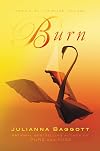
The stunning conclusion to the trilogy that began with Pure, recommended by People for those who loved The Hunger Games.With his father now dead, Partridge has assumed leadership of the Dome, one of the last few refuges from the ravaged wastelands of the outside world. At first, Partridge is intent on exposing his father's lies, taking down the rigid order of the Dome, and uniting its citizens with the disfigured Wretches on the outside. But from his new position of power, things are far show more more complex and potentially dangerous than he could have ever imagined.
On the outside, a band of survivors faces a treacherous journey to Dome. Pressia carries with her the key to salvation. If she can get it to the Dome, the Wretches could one day be healed and everyone might be able to put the horrors of the past behind them. Bradwell, the revolutionary, cannot forgive so easily. Despite Pressia's pleas, he is determined to bring down the Dome and hold its citizens accountable for leaving the rest of the world to burn. El Capitan, the former rebel leader, wants to help Pressia save as many lives as possible—but he's struggling to reconcile his newfound compassion with his vicious past.
As former allies become potential enemies, the fate of the world is more uncertain than ever. Will humanity fall to destruction? Or will a new world rise from the ashes? show less
Tags
Recommendations













Member Reviews
Note: There are some spoilers for the first two books in this series, but none for this one, which completes the saga.
This is Book Three of a standout post-apocalyptic trilogy that goes beyond, and rises above, most contributions to this genre. Moreover, it is not what I would necessarily call a YA work. While it has young protagonists, it also has a level of sophistication and cynical realism more common to stories for “adult fiction.”
This dark tale is set in a brutal world following a series of detonations set off intentionally “to start the world over.” The survivors are in two groups. One of the groups had been inside a protective dome before the blasts, and, because they are physically intact, are called “Pures.” Those show more left outside in the ash-choked destroyed remains are called "Wretches." The bombs that destroyed most of the world were nanotech-enhanced weapons that disrupted molecular structures. That means those left outside became fused with whatever they were near at the time of the detonations. Some are part bicycle, or flecked with glass, or even fused with one another. Many mothers became fused with their children. The heroine of the story, Pressia, was seven at the time of the detonations, and because she was holding a doll at the time, one of her hands now is the doll’s head. And the hero, Bradford, was running through a flock of birds when the bombs went off; now three of them are part of his back.
In Burn, Pressia, Bradwell, and their friends El Capitan and Helmut (brothers who are fused together) are headed back to the Dome to try to take it down. Presumably Pressia’s half-brother Partridge and his girlfriend Lyda have already infiltrated it and are working for them on the inside. The friends trust Partridge, but he grew up in the Dome, and they have no idea that the psychological terrorism inside the Dome warped its inhabitants as fully (but invisibly) as the physical torments brutalized those on the outside.
On the inside, Partridge flounders: he has no idea whom to trust or what to believe, and no one to guide him. He lacks the courage and “street smarts” of those who grew up outside the Dome. Yet, somehow, he is expected, both by his friends outside and the rebels within, to lead the rebellion and help restore sanity to the planet. If this sounds like it leads to a facile and predictable ending, recall that Baggott is not a run-of-the-mill writer. All of the characters are pushed to their limits, and it is only in the trial of fire that we see what each of them is made of. But even then, the best qualities don’t always lead to optimal outcomes.
Discussion: I don’t want to sound fatuous by comparing Baggott to Shakespeare, but she definitely evokes the sweep and timeless themes of the tragedies and romances of Shakespeare, without falling into the trap of treacle or quotidian gap-filling or overused trope exploitation. This trilogy has elements of Hamlet, Romeo and Juliet, and Richard III that make you feel as if you have been given a glimpse of both the depths and heights of the human essence.
At the end of the book, we don’t have all the answers, and we don’t know what will happen next. But we do have an "Act V" to this play, and we have the promise of a new beginning on a different stage. I am very sorry the story has ended; I feel as if I will miss the characters terribly. show less
This is Book Three of a standout post-apocalyptic trilogy that goes beyond, and rises above, most contributions to this genre. Moreover, it is not what I would necessarily call a YA work. While it has young protagonists, it also has a level of sophistication and cynical realism more common to stories for “adult fiction.”
This dark tale is set in a brutal world following a series of detonations set off intentionally “to start the world over.” The survivors are in two groups. One of the groups had been inside a protective dome before the blasts, and, because they are physically intact, are called “Pures.” Those show more left outside in the ash-choked destroyed remains are called "Wretches." The bombs that destroyed most of the world were nanotech-enhanced weapons that disrupted molecular structures. That means those left outside became fused with whatever they were near at the time of the detonations. Some are part bicycle, or flecked with glass, or even fused with one another. Many mothers became fused with their children. The heroine of the story, Pressia, was seven at the time of the detonations, and because she was holding a doll at the time, one of her hands now is the doll’s head. And the hero, Bradford, was running through a flock of birds when the bombs went off; now three of them are part of his back.
In Burn, Pressia, Bradwell, and their friends El Capitan and Helmut (brothers who are fused together) are headed back to the Dome to try to take it down. Presumably Pressia’s half-brother Partridge and his girlfriend Lyda have already infiltrated it and are working for them on the inside. The friends trust Partridge, but he grew up in the Dome, and they have no idea that the psychological terrorism inside the Dome warped its inhabitants as fully (but invisibly) as the physical torments brutalized those on the outside.
On the inside, Partridge flounders: he has no idea whom to trust or what to believe, and no one to guide him. He lacks the courage and “street smarts” of those who grew up outside the Dome. Yet, somehow, he is expected, both by his friends outside and the rebels within, to lead the rebellion and help restore sanity to the planet. If this sounds like it leads to a facile and predictable ending, recall that Baggott is not a run-of-the-mill writer. All of the characters are pushed to their limits, and it is only in the trial of fire that we see what each of them is made of. But even then, the best qualities don’t always lead to optimal outcomes.
Discussion: I don’t want to sound fatuous by comparing Baggott to Shakespeare, but she definitely evokes the sweep and timeless themes of the tragedies and romances of Shakespeare, without falling into the trap of treacle or quotidian gap-filling or overused trope exploitation. This trilogy has elements of Hamlet, Romeo and Juliet, and Richard III that make you feel as if you have been given a glimpse of both the depths and heights of the human essence.
At the end of the book, we don’t have all the answers, and we don’t know what will happen next. But we do have an "Act V" to this play, and we have the promise of a new beginning on a different stage. I am very sorry the story has ended; I feel as if I will miss the characters terribly. show less
It's taken me quite a while to settle down enough to write this review. If you've been following me for any length of time, you'll know that I have a lot invested in this trilogy. Pressia, Bradwell, Partridge, El Capitan and Lyda have come to feel like family to me. Their broken world a place where I felt at home. Julianna Baggott has never ceased to amaze me with how easily she weaves a story. My expectations for this final installment weren't just exceeded, they were shattered into tiny, bite sized pieces.
There is so much character growth in this story that I can't even begin to explain it all. Every person is faced with a choice. The type of life altering choice that has the power to make you, or break you. It was so completely show more heartbreaking watching as these young people, these characters I had come to love, were faced with so much suffering and despair. It was also beautiful in a way. Baggott shows how much strength there is inside each and every one of us.
As the final book in the trilogy, Burn had a lot to wrap up. When last we left Pressia and the others, everything was in flux. People dying, secrets being uncovered, and absolutely nothing was what it seemed. The plot moves at a manic pace, mercilessly dragging you along as everything falls to pieces. I've felt battered at the end of a book many times before. I've reached an ending, and then been unable to process anything else for at least a few hours. This book? The feeling was ten-fold. I felt so emotionally hurt that it was almost physical.
That being said, the ending is definitely not one a lot of people are going to like. Even I can fairly admit that it wasn't what I wanted. In terms of the overall trilogy though? I think it was perfect. It wasn't the ending I expected, but it was the ending that was needed. I can't express to you enough how much I'm going to miss these characters. This trilogy stole my heart, and I don't ever want it back. show less
There is so much character growth in this story that I can't even begin to explain it all. Every person is faced with a choice. The type of life altering choice that has the power to make you, or break you. It was so completely show more heartbreaking watching as these young people, these characters I had come to love, were faced with so much suffering and despair. It was also beautiful in a way. Baggott shows how much strength there is inside each and every one of us.
As the final book in the trilogy, Burn had a lot to wrap up. When last we left Pressia and the others, everything was in flux. People dying, secrets being uncovered, and absolutely nothing was what it seemed. The plot moves at a manic pace, mercilessly dragging you along as everything falls to pieces. I've felt battered at the end of a book many times before. I've reached an ending, and then been unable to process anything else for at least a few hours. This book? The feeling was ten-fold. I felt so emotionally hurt that it was almost physical.
That being said, the ending is definitely not one a lot of people are going to like. Even I can fairly admit that it wasn't what I wanted. In terms of the overall trilogy though? I think it was perfect. It wasn't the ending I expected, but it was the ending that was needed. I can't express to you enough how much I'm going to miss these characters. This trilogy stole my heart, and I don't ever want it back. show less
The end is near, the Pure's cower in fear and lash out at the disruption in their comfort zone. The Wretch's are beaten back, but have little left to lose. Chaos, mistrust, death and history all play into the final outcome. There is no HEA that is the myth, the lie spread by the evil that brought all this on.
Bradwell, was been forever altered. The injection changed him into something more repulsive in his eyes. He struggles with an inability to forgive. He focuses on his mission, to destroy the Dome. His anger, his twisted heart, and his final actions are heartbreaking.
Pressia, haunted by guilt, by the love lost, by the importance of her quest, by her own wavering trust, must overcome so many obstacles. She stands and does what needs to show more be done when all others back down.
Partridge, he is back in the Dome and resumes command. The secrets of his father's devious plans are more hideous than what he expected. Partridge is just a week puppet, a toy for the game. He loves one, or does he love another ?
El Capitan and Helmud, His/their love is pure, they will give it all for their hearts holder. Unfortunately, it is a one sided love. He fights and bleeds, giving her everything he can to try to have her happy. He finds peace at last in a way, but is still brutalized.
Lyda, she is the broken girl with a belief in a love that may not be true. Pregnant, afraid and manipulated to the extreme. She crumbles and struggles to keep her faith in a new and 'wrong' world.
There are many more characters with fascinating outcomes and even more fascinating truths unveiled. The moments in the fog that has a heartbeat and teeth. The race from Ireland to the Dome, the attacks faced on the journey. The hidden world, where hope may still be. The backstabbing and unrelenting manipulations. The book never slows, the pace is relentless to the end.
I did not get the ending I wanted, it would have not fit in this world. I got the ending that was meant to be, it made it all work. I loved it and I hated it. I lost a few characters that I loved. I guess I wanted fairy dust to fall from the sky and make it all better, but that is not what this world was about. Better, had to be earned, is blood, heartbreak and pain. It was the perfect ending. show less
Bradwell, was been forever altered. The injection changed him into something more repulsive in his eyes. He struggles with an inability to forgive. He focuses on his mission, to destroy the Dome. His anger, his twisted heart, and his final actions are heartbreaking.
Pressia, haunted by guilt, by the love lost, by the importance of her quest, by her own wavering trust, must overcome so many obstacles. She stands and does what needs to show more be done when all others back down.
Partridge, he is back in the Dome and resumes command. The secrets of his father's devious plans are more hideous than what he expected. Partridge is just a week puppet, a toy for the game. He loves one, or does he love another ?
El Capitan and Helmud, His/their love is pure, they will give it all for their hearts holder. Unfortunately, it is a one sided love. He fights and bleeds, giving her everything he can to try to have her happy. He finds peace at last in a way, but is still brutalized.
Lyda, she is the broken girl with a belief in a love that may not be true. Pregnant, afraid and manipulated to the extreme. She crumbles and struggles to keep her faith in a new and 'wrong' world.
There are many more characters with fascinating outcomes and even more fascinating truths unveiled. The moments in the fog that has a heartbeat and teeth. The race from Ireland to the Dome, the attacks faced on the journey. The hidden world, where hope may still be. The backstabbing and unrelenting manipulations. The book never slows, the pace is relentless to the end.
I did not get the ending I wanted, it would have not fit in this world. I got the ending that was meant to be, it made it all work. I loved it and I hated it. I lost a few characters that I loved. I guess I wanted fairy dust to fall from the sky and make it all better, but that is not what this world was about. Better, had to be earned, is blood, heartbreak and pain. It was the perfect ending. show less
This is the third and final volume in Baggott's "Pure" trilogy, a complex, thoughtful, action-packed, often suspenseful, post-apocalyptic story of a population who were divided by "the detonations" into the "Pures," an elite who survived the horror by escaping to "the Dome," and the "Wretches" who survived the detonations on the outside but were altered by them, fusing them, often grotesquely, with animate or inanimate objects they were holding or near at the time. The trilogy follows several teens as they struggle to navigate and try to change their world. There's all the usual things that are in a YA novel: action, adventure, self-identity issues, young love...etc, but Baggott's blends all this into a more complex tale, full of clever show more things (a la China Miéville light), and interesting, three dimensional characters. It's also more of a science fiction story than most—science and technology still exist inside the Dome—but Baggott doesn't just give us one side of that story, she shows us the human element that determines the "good" and "bad" uses of it. And it's not a simple of story of good vs evil either.
There's not much I can say about a third book if you haven't read the first two, except that it continues the story, has a satisfying ending, and is as excellent a read as the previous two (something that doesn't always happen with trilogies).
The people who produced the Twilight movies are working on a movie for the first of this series. I can't imagine how they will do it—certainly they will have to oversimplify it.
I was thinking about why the choice of teens to star in a story such as this, why not adults? If we remember back to our adolescence (and for some of us that's quite a ways back), some of us can probably recall a time of idealism and rebelliousness, a tendency to take risks often without thought to the consequences, an easy embrace of change and a willingness to explore.... good qualities for a story like this where the characters think on their feet, and thoughts tend to breed action.
Not everyone will like these books—the science fiction part will bug some people, the complexity others—but I thought them a great entertainment and lapped them all up eagerly from cover to cover. show less
There's not much I can say about a third book if you haven't read the first two, except that it continues the story, has a satisfying ending, and is as excellent a read as the previous two (something that doesn't always happen with trilogies).
The people who produced the Twilight movies are working on a movie for the first of this series. I can't imagine how they will do it—certainly they will have to oversimplify it.
I was thinking about why the choice of teens to star in a story such as this, why not adults? If we remember back to our adolescence (and for some of us that's quite a ways back), some of us can probably recall a time of idealism and rebelliousness, a tendency to take risks often without thought to the consequences, an easy embrace of change and a willingness to explore.... good qualities for a story like this where the characters think on their feet, and thoughts tend to breed action.
Not everyone will like these books—the science fiction part will bug some people, the complexity others—but I thought them a great entertainment and lapped them all up eagerly from cover to cover. show less
Julianna Baggot has some of the most powerful scene writing skills ever. I'm enthralled from beginning to end and I just feel what the characters do in the moment. It's part of what resonated with me from the first book Pure. Fuse had similar bits that had me sticking my bookmark right there and then to pause and think about what just happened. Burn could have been a 4 star review.
BUT IT'S NOT.
It's like she forgot who her characters were or lost touch with what they stood for. I felt a disconnect between the plot and the characters. Because it's a dystopia it should have been a plot driven story imo. The characters are forced to deal with what comes their way to make them grow and become better or more capable people. What ended up show more happening is the opposite.
Partridge forgets his rebellious side and lets others steer him into potentially starting a war with the population outside of the dome. I can't even describe what happened to Pressia. I loved her character so much butafter she got married to Bradwell she became unbearable. I didn't care about Lyda at all in the first two books but from the short time spent on the outside I'm supposed to believe she's no longer the damsel in distress but a capable fierce warrior like the Mothers (women fused with never aging children). Not that I mind but her character suffers as much as Partridge when she's forced back into the dome. Bradwell is still annoying and I can't not hate him. He's supposed to be our western hero shaking things up and becoming the leader of a revolution but he comes across as very winy and preachy. when he died I practically rolled my eyes. He didn't have to fight Hastings the robot but somehow he decided that going up against a military cyborg was the best way to forge their way into the dome. But before that his declaration of love that lead to a wedding in the woods was so insincere to me because he and Pressia had been fighting about her being wrong about not wanting to basically kill everyone inside the dome by breaking the dome and exposing pures to elements they hadn't been exposed to in over a decade. His thing with Pressia was threatened by El Capitan and suddenly Bradwell wants to reconcile with her. eye roll
The saving grace of the book was El Capitan and Helmud. Their scenes were the ones that touched me the most because I felt for them. I didn't know what to think about Helmud in Pure because his expressions were so limited but in this book he was probably one of the most communicative about his feelings. He made himself be heard. El Capitan was probably one of the least selfless of all the characters. My heart fluttered for him towards the end of book 2 because of how well we got to know him and then it broke when Pressia rejected him. It's funny how I felt uncomfortable just imagining him and Helmud doing all they did in the first book but now I just wept for them and smiled when they were at peace with each other. Same with a few other characters.
The ending sucked. Not because it wasn't a bunnies-and-puppies-on-a-playdate sort of ending. There wasn't a resolution to about 10 questions I had. It's almost worse than Death Cure in the sense that things got way out of hand and side plots weren't answered for the sake of just ending the story already.
So I would have given this a 3.5 star review had there been a fourth book giving me insight to why everyone acted the way they did when before I thought they had certain motivations (except El Capitan and Helmud they grew for the better). If the fourth book didn't improve this book would have 3 stars. Unfortunately this is the end and I have no desire to think back on it and am leaving this a poor review. show less
BUT IT'S NOT.
It's like she forgot who her characters were or lost touch with what they stood for. I felt a disconnect between the plot and the characters. Because it's a dystopia it should have been a plot driven story imo. The characters are forced to deal with what comes their way to make them grow and become better or more capable people. What ended up show more happening is the opposite.
Partridge forgets his rebellious side and lets others steer him into potentially starting a war with the population outside of the dome. I can't even describe what happened to Pressia. I loved her character so much but
The saving grace of the book was El Capitan and Helmud. Their scenes were the ones that touched me the most because I felt for them. I didn't know what to think about Helmud in Pure because his expressions were so limited but in this book he was probably one of the most communicative about his feelings. He made himself be heard. El Capitan was probably one of the least selfless of all the characters. My heart fluttered for him towards the end of book 2 because of how well we got to know him and then it broke when Pressia rejected him. It's funny how I felt uncomfortable just imagining him and Helmud doing all they did in the first book but now I just wept for them and smiled when they were at peace with each other. Same with a few other characters.
The ending sucked. Not because it wasn't a bunnies-and-puppies-on-a-playdate sort of ending. There wasn't a resolution to about 10 questions I had. It's almost worse than Death Cure in the sense that things got way out of hand and side plots weren't answered for the sake of just ending the story already.
So I would have given this a 3.5 star review had there been a fourth book giving me insight to why everyone acted the way they did when before I thought they had certain motivations (except El Capitan and Helmud they grew for the better). If the fourth book didn't improve this book would have 3 stars. Unfortunately this is the end and I have no desire to think back on it and am leaving this a poor review. show less
This is the third, and final, book in the Pure trilogy. It’s by far my least favorite book in the series. I seem to be reading a lot of post-apocalyptic series where the last book in the trilogy is just not all that great. This book is plagued by tons of POVs, a predictable and boring plot, and an absolutely blah ending.
Patridge has taken his father’s place as ruler of the Dome and is trying to change things for the better. Outside the Dome Pressia, Bradwell, and El Capitan/Helmud work on piecing together the mystery of what happened before the Detonations. They think they might have a cure for all the Wretches and Pressia has an idea that might help both the inhabitants of the Dome and the Wretches live in peace.
All I can say about show more this book is...ugh! I am so glad I finally finished this series, but so disappointed in the ending. Actually the whole book was fairly disappointing and I really struggled through it right from the beginning.
As with the last book, we hear from a number of POVs. This really fractures the story and doesn’t work all that well. I think the whole thing would have been better if we had heard just from Pressia and Partridge or maybe Pressia and Lyda. Switching between Pressia, Bradwell, Helmud/El Captain, Partridge, and Lyda is exhausting and really draws out the story.
Pressia is probably the most admirable character of the bunch, she really wants to try and fix things. She at times shows too much trust, which is really odd considering how untrusting she is through the rest of the series. At times I felt like her personality just wasn’t all that consistent.
Patridge is a huge disappoint. He is in a position of great power, yet he doesn’t really do anything except make everything worse. He doesn’t have any leadership experience and it definitely showed. He acted spoiled and entitled and in general was a mess. It was hugely disappointing to watch how he handled things in the Dome.
Lyda was another disappointment. She spends the majority of the book whining about Patridge not being around while she is pregnant….then she encourages him to marry another woman. Then she spends a ton of time destroying her room in an effort to weaponize it. She never tries to escape, she never tries to influence anything or anyone in a way that would help. I really had no idea why she was even in the story by the end of it all.
El Captain/Helmud has degenerated into a soggy mess. He loves Pressia and everything he does is driven by his desire to please her even though she has shown him that she doesn’t love him in return. He is pretty much all “Oh, if that’s what Pressia wants to do fine” throughout the whole book. It was sooooo sad to see and again so disappointing and so inconsistent with his character in previous books.
Bradwell remains difficult throughout the book as well. He is largely unsupportive and unhelpful to Pressia, he is stubborn and unwilling to see any good in the Dome residents. He berates and contradicts Pressia throughout the whole story, but when he re-confesses his love for Pressia she is completely forgiving...again this is very un-Pressia like.
The plot is a bit of a mess too. We get to watch Patridge do a whole lot of nothing. Then when he tells the people of the Dome what they pretty much already know, the events that follow are very contrived and completely unbelievable. A big deal is made about survivors’guilt...but seriously these people have been in the Dome for some time….you think they would have dealt with this issues already.
There are some interesting revelations about the cure and the existence of other Domes. There is also some interesting discussion about curing the Wretches and whether or not the Wretches need/want to be cured. There is also strange genetic engineering that is never even explained in a hand-waving type of way, people frozen in stasis, and a large war involving the Mothers. Despite all the craziness the book felt like a bit of a plodding mess to me….it was boring and rushed and confusing all at the same time.
I don’t really even want to talk about the ending. There really wasn’t one. A number of the character storylines have no resolution and I feel like the plot wasn’t really resolved...it just kind of fell into pieces.
I have been disappointed in a number of Dystopian series endings this year. Allegiant was awful and then Sunrise by Mike Mullen was okay but not great. It makes me scared to read the ending to Dan Wells Partials series this month...I am worried that will be just as disappointing all the others have been!
Overall a disappointing ending to what started out as an interesting and creative post-apocalyptic series. I thought there were too many POVs, the characters acted...well..either out of character or stupidly. The plot was a mess and felt contrived, rushed, boring, and confusing all at once. Then there really wasn’t any resolution to the plot. Honestly I would pass up this series, the first couple books were decent but this one was a disaster. I would recommend Veronica Roth’s Divergent (despite the bad ending) or Dan Wells Partials series over this one. There are many post-apocalyptic young adult books that are better than this series was. show less
Patridge has taken his father’s place as ruler of the Dome and is trying to change things for the better. Outside the Dome Pressia, Bradwell, and El Capitan/Helmud work on piecing together the mystery of what happened before the Detonations. They think they might have a cure for all the Wretches and Pressia has an idea that might help both the inhabitants of the Dome and the Wretches live in peace.
All I can say about show more this book is...ugh! I am so glad I finally finished this series, but so disappointed in the ending. Actually the whole book was fairly disappointing and I really struggled through it right from the beginning.
As with the last book, we hear from a number of POVs. This really fractures the story and doesn’t work all that well. I think the whole thing would have been better if we had heard just from Pressia and Partridge or maybe Pressia and Lyda. Switching between Pressia, Bradwell, Helmud/El Captain, Partridge, and Lyda is exhausting and really draws out the story.
Pressia is probably the most admirable character of the bunch, she really wants to try and fix things. She at times shows too much trust, which is really odd considering how untrusting she is through the rest of the series. At times I felt like her personality just wasn’t all that consistent.
Patridge is a huge disappoint. He is in a position of great power, yet he doesn’t really do anything except make everything worse. He doesn’t have any leadership experience and it definitely showed. He acted spoiled and entitled and in general was a mess. It was hugely disappointing to watch how he handled things in the Dome.
Lyda was another disappointment. She spends the majority of the book whining about Patridge not being around while she is pregnant….then she encourages him to marry another woman. Then she spends a ton of time destroying her room in an effort to weaponize it. She never tries to escape, she never tries to influence anything or anyone in a way that would help. I really had no idea why she was even in the story by the end of it all.
El Captain/Helmud has degenerated into a soggy mess. He loves Pressia and everything he does is driven by his desire to please her even though she has shown him that she doesn’t love him in return. He is pretty much all “Oh, if that’s what Pressia wants to do fine” throughout the whole book. It was sooooo sad to see and again so disappointing and so inconsistent with his character in previous books.
Bradwell remains difficult throughout the book as well. He is largely unsupportive and unhelpful to Pressia, he is stubborn and unwilling to see any good in the Dome residents. He berates and contradicts Pressia throughout the whole story, but when he re-confesses his love for Pressia she is completely forgiving...again this is very un-Pressia like.
The plot is a bit of a mess too. We get to watch Patridge do a whole lot of nothing. Then when he tells the people of the Dome what they pretty much already know, the events that follow are very contrived and completely unbelievable. A big deal is made about survivors’guilt...but seriously these people have been in the Dome for some time….you think they would have dealt with this issues already.
There are some interesting revelations about the cure and the existence of other Domes. There is also some interesting discussion about curing the Wretches and whether or not the Wretches need/want to be cured. There is also strange genetic engineering that is never even explained in a hand-waving type of way, people frozen in stasis, and a large war involving the Mothers. Despite all the craziness the book felt like a bit of a plodding mess to me….it was boring and rushed and confusing all at the same time.
I don’t really even want to talk about the ending. There really wasn’t one. A number of the character storylines have no resolution and I feel like the plot wasn’t really resolved...it just kind of fell into pieces.
I have been disappointed in a number of Dystopian series endings this year. Allegiant was awful and then Sunrise by Mike Mullen was okay but not great. It makes me scared to read the ending to Dan Wells Partials series this month...I am worried that will be just as disappointing all the others have been!
Overall a disappointing ending to what started out as an interesting and creative post-apocalyptic series. I thought there were too many POVs, the characters acted...well..either out of character or stupidly. The plot was a mess and felt contrived, rushed, boring, and confusing all at once. Then there really wasn’t any resolution to the plot. Honestly I would pass up this series, the first couple books were decent but this one was a disaster. I would recommend Veronica Roth’s Divergent (despite the bad ending) or Dan Wells Partials series over this one. There are many post-apocalyptic young adult books that are better than this series was. show less
My actual rating is somewhere between 4 and 5. This book ends a very gritty, sometimes hard to read trilogy. With this opus, I was at first disappointed by the quick succession of voices but I got into it fast.
In spite of all the action, this book is actually character driven: how they react to the events, how the events seem to master them instead of the other way around ; there are no black and white in them, just people dealing with a situation according to their personality and means. There is no fluffy, happy ending, just hope for a better world.
In spite of all the action, this book is actually character driven: how they react to the events, how the events seem to master them instead of the other way around ; there are no black and white in them, just people dealing with a situation according to their personality and means. There is no fluffy, happy ending, just hope for a better world.
Members
- Recently Added By
Lists

Favorite Science Fiction by Women Authors
737 works; 196 members

Underground/dome to outside - children's/YA science fiction/fantasy
67 works; 7 members
Author Information

37+ Works 5,580 Members
Julianna Baggott received her M.F.A. from the University of North Carolina at Greensboro in 1994, where she held a Greensboro Scholar Fellowship. In 1998 and 1999, she placed nearly forty poems and short stories in such magazines as Poetry, The Southern Review, Crab Orchard Review, and Indiana Review. She is the recipient of fellowships from the show more Delaware Division of Arts and the Virginia Center for the Creative Arts and Ragdale Foundation. Winner of the Eyster Prize for Fiction in 1998, her manuscript of poems was a 1999 finalist in Breadloaf's first-book prize. She lives in Newark, Delaware with her husband, poet David G. W. Scott, and their three children. Girl Talk is her first novel. (Bowker Author Biography) show less
Series

Common Knowledge
- Canonical title
- Burn
- Original title
- Burn
- Original publication date
- 2014
- People/Characters
- Pressia Belze; Bradwell; El Capitan; Partridge Willux; Lyda; Helmud
- Dedication
- For David Scott. Sometimes all I want to do is lie down - blur-blind, life-weary- and survive with you.
- First words
- He knows the ending. He can see it almost as clearly as he saw the beginning.
- Last words
- (Click to show. Warning: May contain spoilers.)Her heart beats and beats and beats - each time like a detonation in her own chest - and every moment from here on out is a new world.
- Blurbers
- Cronin, Justin
Classifications
- Genres
- Fiction and Literature, Teen, Science Fiction, Young Adult
- DDC/MDS
- 813.6 — Literature & rhetoric American literature in English American fiction in English 2000-
- LCC
- PZ7 .B14026 .B — Language and Literature Fiction and juvenile belles lettres Fiction and juvenile belles lettres Juvenile belles lettres
- BISAC
Statistics
- Members
- 255
- Popularity
- 127,422
- Reviews
- 18
- Rating
- (3.58)
- Languages
- English, French, German, Spanish
- Media
- Paper, Audiobook, Ebook
- ISBNs
- 19
- ASINs
- 5