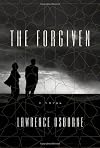
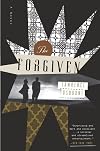
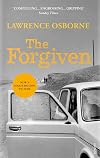
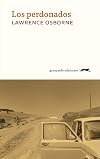
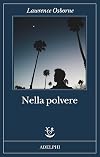
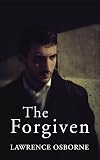
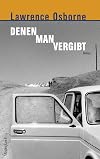
The Forgiven
by Lawrence Osborne
On This Page
Description
SOON TO BE A MAJOR MOTION PICTURE STARRING JESSICA CHASTAIN AND RALPH FIENNES • A huanting novel exploring the reverberations of a random accident on the lives of Moroccan Muslims and Western visitors who converge on a luxurious desert villa for a decadent weekend-long party.“Surprising and dark and excellent . . . a sinister and streamlined entertainment.”—The New York Times
NAMED ONE OF THE BEST BOOKS OF THE YEAR BY The Economist • The Guardian • Library Journal
David and show more Jo Henniger, a doctor and a children's book author, in search of an escape from their less than happy lives in London, accept an invitation to attend a bacchanal at their old friends' home, deep in the Moroccan desert. But as a groggy David navigates the dark desert roads, two young men spring from the roadside, the car swerves . . . and one boy is left dead.
When David and Jo arrive at the party, the Moroccan staff, already disgusted by the rich, hedonistic foreigners in their midst, soon learn of David's unforgivable act. Then the boy's irate Berber father appears, and events begin to spin beyond anyone's control.
With spare, evocative prose, searing sensuality, and a gift for the unexpected, Lawrence Osborne memorably portrays the privileged guests wrestling with their secrets amid the remoteness and beauty of the desert landscape. He gradually reveals the jolting backstory of the young man who was killed and leaves David’s fate in the balance as the novel builds to a shattering conclusion. show less
Tags
Recommendations









Member Reviews
This wasn't at all the novel I expected it to be, but far from being disappointed, I soon found myself drawn in to the tantalising decadence, and the harsh reality, of the two opposing factions presented in the story of the book, while the third – the desert itself – could be seen as the anvil on which both sets of people are made.
The story follows events that happen after a British couple, whose marriage is far from ideal, run over a young Muslim boy while on their way to spend a decadent weekend of overindulgence with rich, somewhat less than savoury, friends. The boy is killed, and as penance the husband in obliged to go and stay with the boy's family, while leaving his wife free to indulge in what hedonism the weekend holds. The show more result isn't a pretty one.
The writing is style is honest, sometimes brutal, and as such is extremely thought provoking, without being overly obvious or hitting the reader over the head with overt moralising. As a reader, you are free to draw your own conclusions as to the rights and wrongs of each situation. The characters, although somewhat grating at times, somehow get under your skin, and one way or another you find yourself pulling for them, wishing they would find their way out from under their stifling preconceptions and truly find themselves.
Are they changed by their experiences that weekend – I would say that they are, and yet still they try to fit themselves back into the little boxes that held them prisoner before, as they return to their everyday ways of life, and you are left wondering how they might achieve such a thing. In that, is the power of the novel, I believe – as it leaves you, as a reader, still thinking about the people and the events that happened in the story long after you have closed the pages of the book. show less
The story follows events that happen after a British couple, whose marriage is far from ideal, run over a young Muslim boy while on their way to spend a decadent weekend of overindulgence with rich, somewhat less than savoury, friends. The boy is killed, and as penance the husband in obliged to go and stay with the boy's family, while leaving his wife free to indulge in what hedonism the weekend holds. The show more result isn't a pretty one.
The writing is style is honest, sometimes brutal, and as such is extremely thought provoking, without being overly obvious or hitting the reader over the head with overt moralising. As a reader, you are free to draw your own conclusions as to the rights and wrongs of each situation. The characters, although somewhat grating at times, somehow get under your skin, and one way or another you find yourself pulling for them, wishing they would find their way out from under their stifling preconceptions and truly find themselves.
Are they changed by their experiences that weekend – I would say that they are, and yet still they try to fit themselves back into the little boxes that held them prisoner before, as they return to their everyday ways of life, and you are left wondering how they might achieve such a thing. In that, is the power of the novel, I believe – as it leaves you, as a reader, still thinking about the people and the events that happened in the story long after you have closed the pages of the book. show less
A group of westerners gather for a party at a remote village in Morocco that has been restored by their hosts, a gay couple. Dally and Richard, living in the desert like “feudal lords,” throw this weekend bacchanal yearly. They are already resented and even reviled by the Moroccans, including those they employ. Then an English couple on the way to the party hit and kill a local boy with their car. Its an accident, but tensions rise further. There’s misunderstanding and some contempt on both sides.
As an act of atonement, the driver, David, goes off with the father of the boy to the burial in a distant place. His wife, Jo, stays behind at the party, which gets increasingly hedonistic.
Lawrence Osborne expresses the attitudes of both show more sides, the westerners and Moroccans, in a way they themselves will never understand. He also deftly and artfully describes the desert, which is almost a character itself. “The fig trees in the garden shuddered as if beaten with sticks, but there was little wind during those moments. The hour of dusk could be tasted, but not seen.” And “Far off, where the desert met the sky, there was a pale, elongated glimmer of straw-gold light. The wind was cool, indifferent.” show less
As an act of atonement, the driver, David, goes off with the father of the boy to the burial in a distant place. His wife, Jo, stays behind at the party, which gets increasingly hedonistic.
Lawrence Osborne expresses the attitudes of both show more sides, the westerners and Moroccans, in a way they themselves will never understand. He also deftly and artfully describes the desert, which is almost a character itself. “The fig trees in the garden shuddered as if beaten with sticks, but there was little wind during those moments. The hour of dusk could be tasted, but not seen.” And “Far off, where the desert met the sky, there was a pale, elongated glimmer of straw-gold light. The wind was cool, indifferent.” show less
forgive; transitive verb:
1
a : to give up resentment of or claim to requital forforgive an insult>
b : to grant relief from payment of forgive a debt>
2
:to cease to feel resentment against (an offender) : pardonforgive one's enemies>
With immense skill, Lawrence Osborne considers these questions, among others, in his second novel, The Forgiven. One would hardly know that Osborne is relatively new to the literary scene: his writing here moves deftly between Jamesian social satire to a more Forsterian attempt at connection and unity; in addition, Osborne's background as a travel journalist allows him to construct a very real Morocco that is both present and fantasmatic for its Western outsiders as it is for the reader. Passages like the following allow Osborne to describe the immense impact the exterior has on interior life, particularly as it relates to conflict:
On their way to the estate, David and Jo have an accident, one that will have repercussions for both them and all the guests assembled at Richard and Dally's posh retreat. A simple accident—and even the question of whether it was an accident or not—sets Osborne's questioning of Western morals into motion; not only is his juxtaposition of these hypocritical and self-righteous sensibilities with the Muslim locals surrounding their insular world very incisive in its ethical plumbing, but Osborne also points to the ways in which our cultural perspectives inform who we are, divide us from others even of the same background as ourselves, and can alienate us from truly connecting with other people on multiple registers, whether this be intimate, familial, social, or otherwise. While Osborne's query below relates to Richard and Dally's orientalized but highly occidental retreat, it is a question that reverberates in the psychic lives of the main characters throughout The Forgiven as well:
There have been many novels of the so-called post-9/11 genre in recent years, and I can honestly say that Osborne's brilliant The Forgiven is the most quiet and yet the most searing examination of the human psyche today when it comes to questions of race relations, class and socioeconomic structures, and the politics, creeds, and socially ingrained prejudices that prevent us from bridging gaps and creating bonds with others whom we encounter. This is a truly remarkable meditation on cultural identity in a fractured world, a lamentation that if we could "only connect," perhaps we might obtain the forgiveness (both personal and even beyond that) for which we so hungrily crave.
A must-read. show less
1
a : to give up resentment of or claim to requital forforgive an insult>
b : to grant relief from payment of forgive a debt>
2
:to cease to feel resentment against (an offender) : pardonforgive one's enemies>
Would she beg to be forgiven? There was not a soul to beg... [a]nd she hadn't begged anything from anyone in her whole life. How did you do it?What is forgiveness, and to whom do we apply for this act, an act that typically requires an obeisance on the part of the one seeking forgiveness? Are we certain to be absolved and requited from any wrongdoing solely because we have come penitent and with head hanging low to the one whom we have offended? Is forgiveness ever a larger act than one involving two grieved show more parties—an act that can cross cultural, linguistic, and other barriers, ultimately allowing a more personal scene of forgiveness to server as metaphor for cementing these more global and universal relations? Can we ever truly forgive ourselves?
With immense skill, Lawrence Osborne considers these questions, among others, in his second novel, The Forgiven. One would hardly know that Osborne is relatively new to the literary scene: his writing here moves deftly between Jamesian social satire to a more Forsterian attempt at connection and unity; in addition, Osborne's background as a travel journalist allows him to construct a very real Morocco that is both present and fantasmatic for its Western outsiders as it is for the reader. Passages like the following allow Osborne to describe the immense impact the exterior has on interior life, particularly as it relates to conflict:
The road was steep. It passed under ponderous, fractured cliffs, winding past plots of fig trees and then slopes of iron-red dirt dark as fresh liver where tiny black goats stood stock-still with quivering ears.David and Jo Henniger are an unhappily married British couple who are adept at swallowing their sorrows and grievances with copious amounts of alcohol and a social life that privileges surface over depth. Invited to their acquaintances' new Moroccan home—itself a critique of imperial attitudes, with its reproductions of traditional architecture and design, a mansion where Richard and Dally, the hosts, parade their servants around in outlandish costumes that are more caricatures of "the orient" as viewed by "the occident."
On their way to the estate, David and Jo have an accident, one that will have repercussions for both them and all the guests assembled at Richard and Dally's posh retreat. A simple accident—and even the question of whether it was an accident or not—sets Osborne's questioning of Western morals into motion; not only is his juxtaposition of these hypocritical and self-righteous sensibilities with the Muslim locals surrounding their insular world very incisive in its ethical plumbing, but Osborne also points to the ways in which our cultural perspectives inform who we are, divide us from others even of the same background as ourselves, and can alienate us from truly connecting with other people on multiple registers, whether this be intimate, familial, social, or otherwise. While Osborne's query below relates to Richard and Dally's orientalized but highly occidental retreat, it is a question that reverberates in the psychic lives of the main characters throughout The Forgiven as well:
Was their beautiful way of life, their partial exile, so detailed and meticulously planned, now in danger of being destroyed?As I stated above, Osborne's voice is highly unique but owes much to James and Forster, especially. While local Muslims begin to surround the estate demanding answers, the Westerners enjoy their drinks, desserts, and social banter, insulating themselves against both the outside and against each other ("Would they be expected to be themselves or to impersonate people they were not?"). In these scenes, Osborne's debt to James is obvious, but the ways in which he deploys his unique vision of post-9/11 culture is obviously entirely his own, with some evocations, perhaps, of Hollinghurst, particularly The Line of Beauty. Later, as Osborne shifts geographic (and also temporal) terrain to encompass the more isolated Issomour, renowned for its trilobites, not only is Forster's famous dictum from Howards End ("only connect") resonant, but so, too, are the cultural divides he examines and crosses with such finesse in A Passage to India.
There have been many novels of the so-called post-9/11 genre in recent years, and I can honestly say that Osborne's brilliant The Forgiven is the most quiet and yet the most searing examination of the human psyche today when it comes to questions of race relations, class and socioeconomic structures, and the politics, creeds, and socially ingrained prejudices that prevent us from bridging gaps and creating bonds with others whom we encounter. This is a truly remarkable meditation on cultural identity in a fractured world, a lamentation that if we could "only connect," perhaps we might obtain the forgiveness (both personal and even beyond that) for which we so hungrily crave.
A must-read. show less
”…one forgets that the point of life is death.”
The story seemingly describes a culture clash, between traditional Moroccan Muslims trying to scratch out a living and affluent Westerners who have too much of a living. But it could equally have been set in a vast country estate of the wealthy in 19th-century Britain, pitting the lords against the peasants.
Or in the crowded streets of New York….I just realized what this story has in common with [b:The Bonfire of the Vanities|2666|The Bonfire of the Vanities|Tom Wolfe|https://d202m5krfqbpi5.cloudfront.net/books/1229439221s/2666.jpg|1080201]: a car driven by a rich person hits a poor person of a different race in a different country (the Bronx was like a different country to Sherman show more McCoy). The plot lines diverge, but we are provoked in to considering the moralities at play.
Who is to be forgiven? In this case, most obviously forgive the driver that killed the man. But by the end of the book I am asking who, or who else? Should it be the boy whose perceived criminal intent put into motion the series of events that culminated in his own death? And because of this, he deprives his own father of his only son? Should it bethe father who harbors uncertain murderous intent? Should it be the young man who ultimately carries out the intention of his dead friend? Should it be everyone, because everyone has done, will do, wrong; that is what it is to be human.
But maybe it is referring to the sense of entitlement of the perpetual colonialists, the expats, who seem to feel as if nothing is their fault, as if everything they’ve done wrong should be forgiven because they wouldn’t have done it if events or actions by others had not impelled them. The adult manifestation of the child’s plaintive cry, “But he made me do it! It’s not fair! I wouldn’t have done this if he hadn’t done that!” Their relative wealth confers great power over the ‘natives’. The powerful are forgiven; the subjugated are punished.
What is the distance between revenge and forgiveness? show less
The story seemingly describes a culture clash, between traditional Moroccan Muslims trying to scratch out a living and affluent Westerners who have too much of a living. But it could equally have been set in a vast country estate of the wealthy in 19th-century Britain, pitting the lords against the peasants.
Or in the crowded streets of New York….I just realized what this story has in common with [b:The Bonfire of the Vanities|2666|The Bonfire of the Vanities|Tom Wolfe|https://d202m5krfqbpi5.cloudfront.net/books/1229439221s/2666.jpg|1080201]: a car driven by a rich person hits a poor person of a different race in a different country (the Bronx was like a different country to Sherman show more McCoy). The plot lines diverge, but we are provoked in to considering the moralities at play.
Who is to be forgiven? In this case, most obviously forgive the driver that killed the man. But by the end of the book I am asking who, or who else? Should it be the boy whose perceived criminal intent put into motion the series of events that culminated in his own death? And because of this, he deprives his own father of his only son? Should it be
But maybe it is referring to the sense of entitlement of the perpetual colonialists, the expats, who seem to feel as if nothing is their fault, as if everything they’ve done wrong should be forgiven because they wouldn’t have done it if events or actions by others had not impelled them. The adult manifestation of the child’s plaintive cry, “But he made me do it! It’s not fair! I wouldn’t have done this if he hadn’t done that!” Their relative wealth confers great power over the ‘natives’. The powerful are forgiven; the subjugated are punished.
What is the distance between revenge and forgiveness? show less
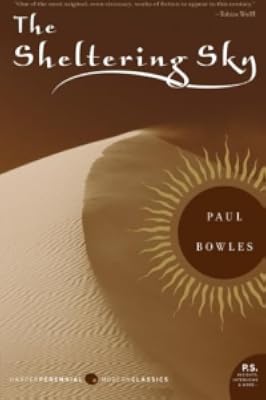
Reminiscent of Bowles's Sheltering Sky, this novel describes the chasm of "centuries of antagonism and mutual ignorance" when Moroccan Muslims interact with Europeans and Americans. Pervasive anomie and disaffection underscore the story of a luxurious and excessive house party gone awry. Two guests on the way to the party hit and kill a local young man, with sinister results. The characters range from unsympathetic to dislikable, and the decadent backdrop juxtaposed with the local poverty adds to the misery and sense of hopelessness. Thought-provoking if not uplifting.
 This review was written for LibraryThing Early Reviewers.
This is a book that is clearly intended to put the otherness of a culture in front of your eyes, but is it showing you said otherness from your own eyes or from the eyes of the people who are looking at you? I loved the balance this story had between the Expats who had all the money and were clearly spending just to spend, and the native, Muslim, population of Morocco who were their servants because they desperately needed the money, even though it meant putting up with these people that were doing things contrary to their beliefs and understanding. Who is in the wrong when an accident turns the highly sexual, highly extravagant and very unnecessary party into a sort of window, framing one side of society to the other? Who is show more responsible for opening that window and reaching out to the other side?
This book isn't afraid to show every side of the sad story of tragedy and loss. It isn't afraid to point out differences from any point of view. The descriptions are beautiful and put you into the desert in a way that very few books actually can. I am not certain that anyone can come away loving or hating any one particular character over the others, they all have personality, and they all have flaws, which is a refreshing jump into the river of reality. Expect this book to make you think about what you are reading. Do not be afraid to pause and process how you are experiencing what is going on within the pages you hold. Like taking time to gaze out at the oranges of a desert sky, the pause only enhances a wonderful experience that shouldn't be missed.
Note: Though this book was a free gift from the author, the content of my review was in no way influenced by the gifting. The book speaks for itself and my review would have been worded just this way even if I'd gone out and bought it. show less
This book isn't afraid to show every side of the sad story of tragedy and loss. It isn't afraid to point out differences from any point of view. The descriptions are beautiful and put you into the desert in a way that very few books actually can. I am not certain that anyone can come away loving or hating any one particular character over the others, they all have personality, and they all have flaws, which is a refreshing jump into the river of reality. Expect this book to make you think about what you are reading. Do not be afraid to pause and process how you are experiencing what is going on within the pages you hold. Like taking time to gaze out at the oranges of a desert sky, the pause only enhances a wonderful experience that shouldn't be missed.
Note: Though this book was a free gift from the author, the content of my review was in no way influenced by the gifting. The book speaks for itself and my review would have been worded just this way even if I'd gone out and bought it. show less
This review was written for LibraryThing Early Reviewers.David and Jo Henniger, wealthy Brits, are on their way to a weekend house party in the remote desert of Morocco when their car strikes and kills a young Arab boy. Unsure what to do, they put the boy's body in their car and continue to the party. Their hosts, owners of the "castle" and surrounding guest houses in the desert, while also foreigners, are more familiar with Moroccan ways and notify the police of the incident, but assure David and Jo that all will be quietly taken care of. The party, meanwhile goes on--seemingly a 24 hour per day, 3 day bash. However, a few hours later, the dead boy's father and other family members show up at the gate demanding justice.
Talk about culture clash--the abstemious religious Muslim staff and the show more hedonistic jet-setters partying like the world is about to end. This is a book of extreme contrasts, and a revealing look into worlds I know little about--both that of the jet setters and that of the Berber desert people who earn their living excavating fossils in the hostile desert. This is a morally complex book, and one I won't soon forget, right down to the stunning ending.
3 1/2 stars show less
Talk about culture clash--the abstemious religious Muslim staff and the show more hedonistic jet-setters partying like the world is about to end. This is a book of extreme contrasts, and a revealing look into worlds I know little about--both that of the jet setters and that of the Berber desert people who earn their living excavating fossils in the hostile desert. This is a morally complex book, and one I won't soon forget, right down to the stunning ending.
3 1/2 stars show less
Members
- Recently Added By
Author Information

23+ Works 2,199 Members
Common Knowledge
- Canonical title
- The Forgiven
- Important places
- Morocco
Classifications
Statistics
- Members
- 258
- Popularity
- 125,230
- Reviews
- 28
- Rating
- (3.73)
- Languages
- 7 — Catalan, Czech, English, French, German, Italian, Spanish
- Media
- Paper, Audiobook, Ebook
- ISBNs
- 17
- ASINs
- 6