Rodogune
by Pierre Corneille
On This Page
Description
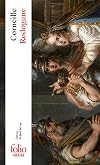
Tragedy by Pierre Corneille, first performed 1645, and remarkable for its powerful, if melodramatic, portrait of moral evil. The central character, Cléopâtre, queen of Syria, will sacrifice anything to retain power. Only she can decide between the rival claims of her twin sons, Antiochus and Séleucus, to inherit the throne; she promises her voice to whichever of the two will rid her of Rodogune, princess of Parthia, whose hand is destined to the new king. Both princes love Rodogune, but show more she confronts them with a terrible dilemma by promising love to whichever kills his mother. In desperation Cléopâtre kills Séleucus, the weaker of the twins, and prepares a poisoned cup for the wedding of Antiochus and Rodogune, but is forced into drinking it herself, and dies defiant. -- Answer.com. show lessTags
Recommendations























Member Reviews
Noir, c'est noir. De toutes les tragédies de Corneille, Rodogune est l'une des plus sombres, celle où les tensions atteignent une violence d'autant plus saisissante qu'elles se font jour à travers une intrigue lourde de toutes les complications, lesquelles se dénouent dans un final que Stendhal comparait à ceux des drames shakespeariens. Tragédie dynastique du pouvoir, la pièce est aussi une tragédie familiale de l'amour et de la haine. Des êtres se déchirent ; une coupe empoisonnée, comme chez Hitchcock, attend les héros. Le personnage de Cléopâtre fait briller un héroïsme du mal qui éclaire l'univers cornélien d'une étonnante lumière noire.
Aug 15, 2010French
Ratings
Members
- Recently Added By
Lists

Harold Bloom - The Western Canon: B. The Aristocratic Age
231 works; 13 members
Author Information

291+ Works 4,014 Members
Corneille is a part of the greatest period of French drama. His artistic model and theory of the drama were to be followed by successive generations of dramatists, including Racine. His plays deal with noble characters in closely defined situations of high moral intensity. After modest success as a writer of complex, baroque comedies, Corneille show more achieved fame with Le Cid (1636--37), adapted from Guillen de Castro's three-day comedy Las Moceddes del Cid. It vividly represents the dominant theme of his tragedies: the inner struggle between duty and passion. Corneille went on to dominate the French theater of his day with plays that reflect the changing relationships between the aristocracy and the new absolutist state. Some of Corneille's other major tragedies include Horace (1640), Cinna (1640), and Polyeuctus (1643). In his shaping of language and form to his dramatic purposes, Corneille had a great effect on the development of French literature; more specifically, it can be said that he gave form and aim to French neoclassicism. (Bowker Author Biography) show less
Some Editions
Work Relationships
Is contained in
Common Knowledge
Classifications
- Genres
- Fiction and Literature, Literature Studies and Criticism
- DDC/MDS
- 809.2512 — Literature & rhetoric Literature, rhetoric & criticism History, description, critical appraisal of more than two literatures Drama
- LCC
- PQ1760 .R6 — Language and Literature French, Italian, Spanish and Portuguese literatures French literature Modern literature 17th century
- BISAC
Statistics
- Members
- 67
- Popularity
- 467,038
- Reviews
- 1
- Rating
- (3.80)
- Languages
- English, French, German
- Media
- Paper, Ebook
- ISBNs
- 9
- ASINs
- 5