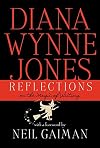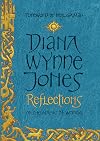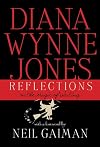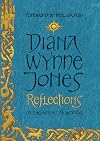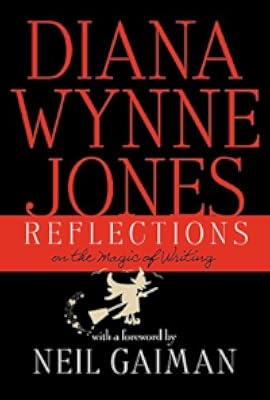
Reflections: On the Magic of Writing
by Diana Wynne Jones
On This Page
Description
"This collection of more than twenty-five critical essays, speeches, and biographical pieces written and/or chosen by Diana Wynne Jones will be required reading for the author's many fans and for students and teachers of the genre. Reflections includes insightful literary criticism alongside autobiographical anecdotes about reading tours (including an account of the author's famous travel jinx), revelations about the origins of the author's books, and thoughts in general about the life of an show more author and the value of writing. The longest autobiographical piece, "Something About the Author," details Diana's extraordinary childhood and is illustrated with family photographs. Reflections is essential reading for anyone interested in Diana Wynne Jones's work, fantasy, or creative writing. With a foreword by Neil Gaiman, introduction and interview by Charlie Butler, bibliography, and index. "Various threads run through this collection, but by far the strongest is that of the need for fantasy in all its many facets and its value for children and adults alike. It is my hope that some of these items will be of use to people."-Diana Wynne Jones "Her writings assembled in one place tell us how she thought about literature and the reasons for literature, about the place of children's fiction in the world, about the circumstances that shaped her and her own understanding and vision of who she was and what she did. It is ferociously intelligent, astonishingly readable, and as with so much that Diana Wynne Jones did, she makes each thing she writes, each explanation for why the world is as it is, look so easy."-Neil Gaiman"-- show lessTags
Recommendations






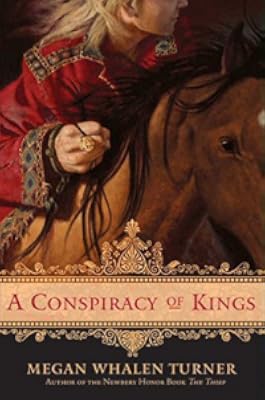
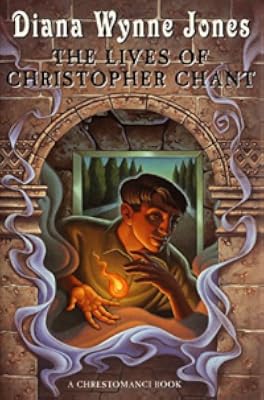
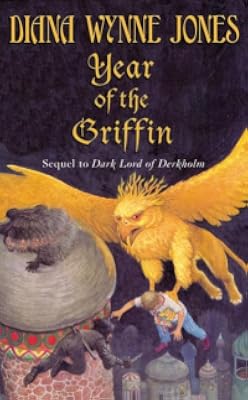
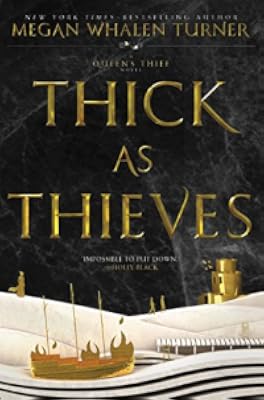
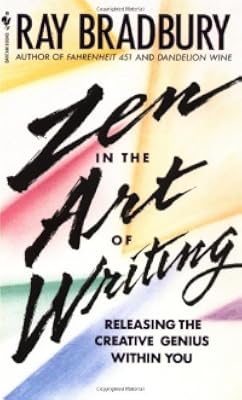
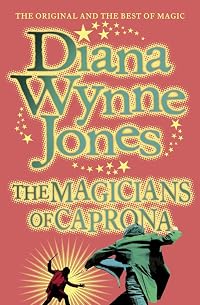
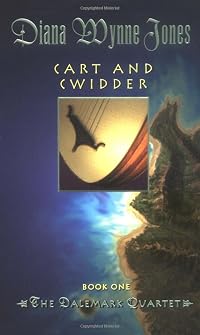
Member Recommendations

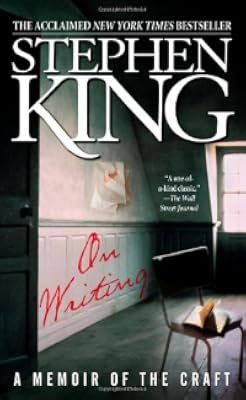
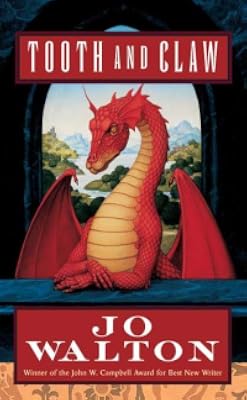
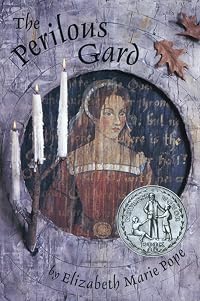
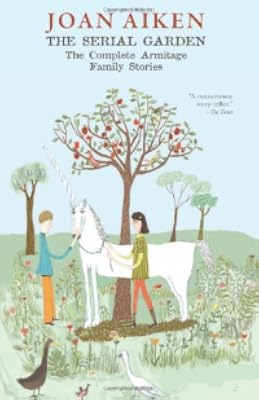
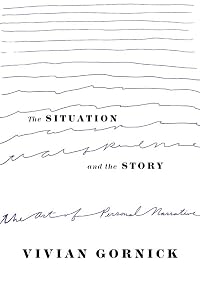
ed.pendragon Another memoir by a popular children's author reflecting on the influence of childish experiences.
Member Reviews
This will certainly be more of a required reading book if you are a big fan of Diana Wynne Jones (I am) - it gives insights not only into DWJ's writing methods but also into the origins behind some of her characters, storylines, and recurrent themes. Even if you are not a DWJ fan, though, this is an immensely interesting, readable, and fun book about writing and creativity as well as about fashions in publishing (especially children's publishing). If you are an author or would like to be one, or if you are an attentive reader of children's fiction in particular, this will be well worth picking up. It is a romp: funny, insightful, and inspirational.
Another reviewer has pointed out that there is some repetition: the book consists of show more various pieces written by DWJ at different points in time, and including a number of re-told anecdotes or stories as she outlines certain aspects of her writing or personal history in slightly different ways. I would say this doesn't mar the book but others may disagree to some extent, particularly if not avid DWJ fans. It is I think a minor point, however. show less
Another reviewer has pointed out that there is some repetition: the book consists of show more various pieces written by DWJ at different points in time, and including a number of re-told anecdotes or stories as she outlines certain aspects of her writing or personal history in slightly different ways. I would say this doesn't mar the book but others may disagree to some extent, particularly if not avid DWJ fans. It is I think a minor point, however. show less
Fascinating collection of essays from one of my favorite fantasy authors. Fans of Jones will really appreciate learning her ideas about the importance of fantasy as a way to nurture imagination and practice problem-solving. She even theorizes that her grandparents' generation didn't read enough fantasy and that had something to do with their inability to avoid two world wars (!). It was also fun finding out about her writing process. As noted in another review, there is quite a bit of repetition, down to Jones using the same phrases to describe her thoughts -- which maybe could've been avoided by using excerpts when possible instead of reprinting the full text of every single article. Still a very worthwhile book for anyone who loves show more Jones or fantasy books in general. show less
Very interesting series of essays/lectures/speeches, about the how and the why of Diana Wynne Jones' writing (mostly by her - a couple speeches by her sons, after her death). She is a fantastic writer (in several senses), but some of her books are very confusing to me - reading this, I figured out why (I don't know if they will be less confusing the next time I read them, but at least I now have an idea what she was aiming for). It's also very amusing, in several spots - the one(s) about visiting schools, in particular, caused me to chuckle aloud several times. Especially the one where Witch Week came true(ish). Very glad I read it - not sure whether I'll reread, but I suspect it will be memorable in any case.
I found wonderful inspiration in this memoir, both for how Diana approached writing her stories as well as outstanding insights about the craft, generally. There were details of the author's childhood ~ an almost Gothic upbringing! She explained why she rarely wrote sequels and why her books don't fully explain all the concepts. She leaves room for children and young adults to find their own enchanting meanings. It was also light relief to hear of some amusing anecdotes during her school visits.
Being a very enthusiastic DWJ fan, I overlooked the repetition between some of the essays. The memoir is a compilation of essays and public presentations over time, and as such, presented in their entirety. Although the book was published in the show more year following her death, she chose her pieces that were to be included in Reflections. Neil Gaiman's Forward and Charlie Butler's Refelecting on Reflections are both moving accolades to Diana. show less
Being a very enthusiastic DWJ fan, I overlooked the repetition between some of the essays. The memoir is a compilation of essays and public presentations over time, and as such, presented in their entirety. Although the book was published in the show more year following her death, she chose her pieces that were to be included in Reflections. Neil Gaiman's Forward and Charlie Butler's Refelecting on Reflections are both moving accolades to Diana. show less
Where to start? Diana Wynne Jones was a very individual and distinctive voice within British fantasy writing, highly regarded and rightly so, though that recognition was perhaps long coming: for example, though I was aware of the name I only first read her work in 2004, on a strong recommendation, beginning with The Merlin Conspiracy. However, from then on I was hooked. She had a growing loyal following from the mid-seventies onwards, but perhaps the fillip to her popularity came with an audience keen for more fiction along the lines of the Harry Potter books, aided by the success of the Japanese animated film of her Howl’s Moving Castle. Sadly, within a relatively little time she discovered she had cancer, dying just two years later show more in 2011.
So, I’ve made a start. If you’ve read any of her books you’ll understand the appeal; if you haven’t then you are missing a treat. But what if you’re an adult, and especially an adult with an antipathy to fantasy? It’s all make-believe, isn’t it, not serious enough for grown-ups to bother with as it’s not about real life? Well, let’s put aside the fact that all fiction is made-up and, offering neat conclusions, not messy like reality, and that even writing non-fiction has to be both a selective and creative process: true fantasy is about the interface between daydreams and everyday life, and acquaintance with that starts at a very young age. As Diana writes (‘Fantasy Books for Children’),
Writers of fantasy for children have a heavy responsibility: anything they write is likely to have a profound effect for the next fifty years. You can see why if you ask ten adults which book they remember best from their childhood. Nine of them will certainly name a fantasy.
Crucially, she goes on to say, “If you enquire further, you will find your nine adults admitting that they acquired many of the rules they live by from the book that so impressed them.” These ‘rules’ about appropriate behaviour, recognising character, responding to crises or a general outlook on life stay with you and largely determine the way you live that life in the decades to come. And, as Diana notes, this is a heavy responsibility for any children’s writer.
Those notions implanted at an early age by books are every bit as important as the oral lore you get from family or friends or society at large, from personal contact or through the media. As adults we shouldn’t belittle these early brushes with ‘virtual life’, and indeed we should be revisiting them to re-experience and re-assess how our world-views are formed and what validity they have. This is not to say that we should censor childhood fantasy to conform with our ossified adult world-views, as some pedagogues are wont to do. Instead, we should re-immerse ourselves in that childhood world where monsters exist under the bed and behind the curtains, and bullies of all ages lurk to make our lives miserable, and models of courage and cowardice and resourcefulness and helplessness are presented for us to help us learn to cope with ‘real’ life. And, yes, a childhood where we can believe that magic exists, as something to be in wonder and awe about, to prepare ourselves for the miracles of nature and the universe.
Reflections: on the magic of writing is a wonderful collection of writings, mostly by Diana herself, for magazines, conferences and lectures. As discussed above, she discourses widely on the responsibilities of the writer, and the perils of visiting schools, the value of learning Anglo-Saxon and the craft of writing; she reflects on the creation of the fantasy worlds of Middle Earth and Narnia, particularly interesting as she attended lectures by both Tolkien and C S Lewis when she was at Oxford. Nearly all her addresses are peppered with recollections of singular incidents from her childhood, and while several anecdotes are repeated in different contexts, they are always apposite and telling. Her upbringing was unconventional, to say the least, but like all children she somehow thought it was ‘normal’ until she matured and discovered otherwise, thus not only highlighting how childhood experiences form the adult character but also underlining that however different all our childhoods are in specifics the generalities are what we have in common.
Edited by Charlie Butler from the University of the West of England in Diana’s home city of Bristol, the pieces (nearly thirty of them) have self-explanatory titles like ‘A Day Visiting Schools’, ‘Advice for Young Writers’ and ‘Creating the Experience’. Butler, author of Four British Fantasists (a study which includes Diana Wynne Jones), provides an insightful introduction and an interview with her, and there is a Foreword by fantasy writer and DWJ fan Neil Gaiman, plus contributions by two of her sons, Colin and Richard Burrow; and the whole is rounded off by notes, a bibliography of her published writings and an index. Even if you’re not a fan, or have never read a word of her writing, there is much to enjoy; but if you are and you have, then, mitigating the sadness of her passing, Reflections is full of the joy of living in both the exterior ‘real’ world and the no less valid inner world.
http://calmgrove.wordpress.com/2012/12/13/reflections/ show less
So, I’ve made a start. If you’ve read any of her books you’ll understand the appeal; if you haven’t then you are missing a treat. But what if you’re an adult, and especially an adult with an antipathy to fantasy? It’s all make-believe, isn’t it, not serious enough for grown-ups to bother with as it’s not about real life? Well, let’s put aside the fact that all fiction is made-up and, offering neat conclusions, not messy like reality, and that even writing non-fiction has to be both a selective and creative process: true fantasy is about the interface between daydreams and everyday life, and acquaintance with that starts at a very young age. As Diana writes (‘Fantasy Books for Children’),
Writers of fantasy for children have a heavy responsibility: anything they write is likely to have a profound effect for the next fifty years. You can see why if you ask ten adults which book they remember best from their childhood. Nine of them will certainly name a fantasy.
Crucially, she goes on to say, “If you enquire further, you will find your nine adults admitting that they acquired many of the rules they live by from the book that so impressed them.” These ‘rules’ about appropriate behaviour, recognising character, responding to crises or a general outlook on life stay with you and largely determine the way you live that life in the decades to come. And, as Diana notes, this is a heavy responsibility for any children’s writer.
Those notions implanted at an early age by books are every bit as important as the oral lore you get from family or friends or society at large, from personal contact or through the media. As adults we shouldn’t belittle these early brushes with ‘virtual life’, and indeed we should be revisiting them to re-experience and re-assess how our world-views are formed and what validity they have. This is not to say that we should censor childhood fantasy to conform with our ossified adult world-views, as some pedagogues are wont to do. Instead, we should re-immerse ourselves in that childhood world where monsters exist under the bed and behind the curtains, and bullies of all ages lurk to make our lives miserable, and models of courage and cowardice and resourcefulness and helplessness are presented for us to help us learn to cope with ‘real’ life. And, yes, a childhood where we can believe that magic exists, as something to be in wonder and awe about, to prepare ourselves for the miracles of nature and the universe.
Reflections: on the magic of writing is a wonderful collection of writings, mostly by Diana herself, for magazines, conferences and lectures. As discussed above, she discourses widely on the responsibilities of the writer, and the perils of visiting schools, the value of learning Anglo-Saxon and the craft of writing; she reflects on the creation of the fantasy worlds of Middle Earth and Narnia, particularly interesting as she attended lectures by both Tolkien and C S Lewis when she was at Oxford. Nearly all her addresses are peppered with recollections of singular incidents from her childhood, and while several anecdotes are repeated in different contexts, they are always apposite and telling. Her upbringing was unconventional, to say the least, but like all children she somehow thought it was ‘normal’ until she matured and discovered otherwise, thus not only highlighting how childhood experiences form the adult character but also underlining that however different all our childhoods are in specifics the generalities are what we have in common.
Edited by Charlie Butler from the University of the West of England in Diana’s home city of Bristol, the pieces (nearly thirty of them) have self-explanatory titles like ‘A Day Visiting Schools’, ‘Advice for Young Writers’ and ‘Creating the Experience’. Butler, author of Four British Fantasists (a study which includes Diana Wynne Jones), provides an insightful introduction and an interview with her, and there is a Foreword by fantasy writer and DWJ fan Neil Gaiman, plus contributions by two of her sons, Colin and Richard Burrow; and the whole is rounded off by notes, a bibliography of her published writings and an index. Even if you’re not a fan, or have never read a word of her writing, there is much to enjoy; but if you are and you have, then, mitigating the sadness of her passing, Reflections is full of the joy of living in both the exterior ‘real’ world and the no less valid inner world.
http://calmgrove.wordpress.com/2012/12/13/reflections/ show less
I loved reading all of Diana Wynne Jones' books. There was an easy magical flow about them. I had to read this too as it is the last of her books, published after her death with a foreword by Neil Gaiman. It's a combination of essays, short stories, and reflections by Diana herself, along with interviews with her, and reflections on her by others. It provides a deeper understanding of her writing and is a wonderful tribute to her. I certainly learned a bit more about Diana, but I think what she told people may not be completely true! Just how she interpreted her life. Her sons believed her books reflected her true nature. I just want to read all her books again!
A must-read for any DWJ fan. Though there is a lot of repetition in her talks, etc., this volume offers a very good overall picture of her person and her views on writing, young adult fiction, and fantasy in general.
Members
- Recently Added By
Lists

Books about Books
149 works; 24 members

Top Five Books of 2013
1,562 works; 721 members

Books tagged favorites
390 works; 30 members

Recommend the 20 best books you've read in the last five years
2,168 works; 602 members

Books I've Read More Than Once
602 works; 49 members
Five star books
1,767 works; 110 members

Books Read in 2017
4,249 works; 130 members
Author Information

112+ Works 80,513 Members
Diana Wynne Jones was born in London on August 16, 1934. In 1953, she began school at St. Anne's College Oxford and attended lectures by J. R. R. Tolkien and C. S. Lewis. After graduation, she created plays for children that were performed at the London Arts Theatre. Her first book was published in 1973. She wrote over 40 books during her lifetime show more including Dark Lord of Derkholm, Earwig and the Witch, and the Chrestomanci series. She won numerous awards including the Guardian Award for Children's Books in 1977 for Charmed Life, the Boston Globe-Horn Book Award in 1984 for Archer's Goon, the Mythopeic Award in 1999, the Karl Edward Wagner Award in 1999, and the Life Achievement Award from the World Fantasy Organization in 2007. Her book Howl's Moving Castle was adapted into an animated film by director Hayao Miyazaki, and the film was nominated for an Academy Award for Best Animated Feature. She died from lung cancer on March 26, 2011 at the age of 76. (Bowker Author Biography) show less
All Editions
Awards and Honors
Awards
Work Relationships
Contains
Common Knowledge
- Canonical title
- Reflections: On the Magic of Writing
- Original title
- Reflections: On the Magic of Writing
- Original publication date
- 2012-05-03
Classifications
Statistics
- Members
- 352
- Popularity
- 89,484
- Reviews
- 11
- Rating
- (4.29)
- Languages
- English
- Media
- Paper, Ebook
- ISBNs
- 4
- ASINs
- 3