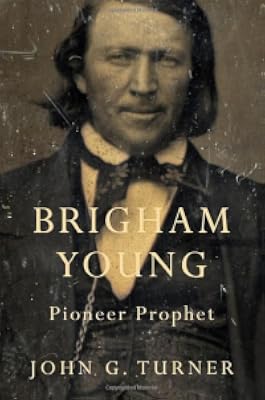
Brigham Young: Pioneer Prophet
by John G. Turner
On This Page
Description
Provides a fully realized portrait of Mormon leader Brigham Young, a colossal figure in American religion, politics, and westward expansion.Tags
Recommendations
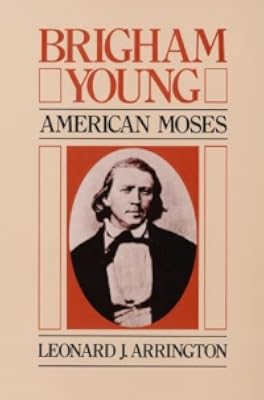
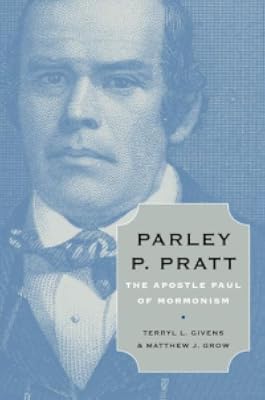










Member Reviews
This is an excellent biography of Brigham Young. It's not a theological polemic, it isn't a hagiography, it is an even-handed and scholarly narrative account of his life. Turner mines archives, old books, church records, and the like to paint a vivid, vibrant, and engaging picture of a man who was just as influential as Joseph Smith in sustaining the Mormon church. Turner does a good job, too, of giving just enough background detail of nineteenth-century US history for any reader (lay or scholar) to understand how Young fits in with the culture of his day. For instance, the typical Yankee anti-black racism of the day, and how that finds its way into Young's treatment of African Americans. How the Second Great Awakening had a bent show more towards "spiritual gifts" like speaking in tongues, and how Young utilized tongues. And so on.
This definitely isn't a screed against Mormonism. Turner goes out of his way to be fair to Mormon believers and anti-Mormon critics, and he assiduously and neutrally gives Young's opinions and points-of-view. So, if you're looking for a theological attack against Mormonism and Young, look elsewhere. So too, if you're a Mormon looking for a comforting biography of a man you consider a latter-day prophet, seer, and revelator, this book will be jarring. Though Turner is a fair-minded, even-handed biographer, it still comes through these pages that Mormonism lies upon a shaky foundation (e.g. the Book of Mormon is contradicted by later Mormon teachings); that Young may have embraced polygamy for less than heavenly motives; that Young can claim the Adam-God doctrine is God-given, but it fails to become a tenet of Mormonism; that he can lie and cajole others to worm his way out of bad news or prosecutions (he was determined to not die the death of Joseph Smith); he swore, held grudges, and drank tea in defiance of the Word of Wisdom; etc. etc. etc. [Full disclosure: I am not a Mormon.]
Still it is well-researched, well-cited, thorough, and engaging. It doesn't ever really drag or bore. It stands as the definitive biography of Brigham Young, and is, I think, an essential purchase for buyers who are interested in the history of the US in the 1800s, religion in the US, or the history of Mormonism. show less
This definitely isn't a screed against Mormonism. Turner goes out of his way to be fair to Mormon believers and anti-Mormon critics, and he assiduously and neutrally gives Young's opinions and points-of-view. So, if you're looking for a theological attack against Mormonism and Young, look elsewhere. So too, if you're a Mormon looking for a comforting biography of a man you consider a latter-day prophet, seer, and revelator, this book will be jarring. Though Turner is a fair-minded, even-handed biographer, it still comes through these pages that Mormonism lies upon a shaky foundation (e.g. the Book of Mormon is contradicted by later Mormon teachings); that Young may have embraced polygamy for less than heavenly motives; that Young can claim the Adam-God doctrine is God-given, but it fails to become a tenet of Mormonism; that he can lie and cajole others to worm his way out of bad news or prosecutions (he was determined to not die the death of Joseph Smith); he swore, held grudges, and drank tea in defiance of the Word of Wisdom; etc. etc. etc. [Full disclosure: I am not a Mormon.]
Still it is well-researched, well-cited, thorough, and engaging. It doesn't ever really drag or bore. It stands as the definitive biography of Brigham Young, and is, I think, an essential purchase for buyers who are interested in the history of the US in the 1800s, religion in the US, or the history of Mormonism. show less
A well-written, objective tome. I wish the author had discussed more on the legacies of Brigham Young: That Utah is still a virtual theocracy, and how the polygamy colonies in Arizona and Utah—where old men marry children—mirror "plural marriage" as practiced by Young in the 1840-70s. Brigham Young destroyed many lives while he lived and continues to harm millions more living today.
Fascinating and well-rounded biography of an extraordinary man. Brigham Young came from a humble background, yet became a dynamic leader whose importance to the survival and growth of his religion after the death of the founder was comparable to that of Saint Paul.
Even for readers who already know something about Young, John Turner's biography will reveal much new information. It portrays him in all his aspects, particularly the "American Moses" who kept the LDS church viable after Joseph Smith's assassination and led his people through immense suffering to the promised land of the Great Basin. He was a driven and energetic man who could not only lead a religion and build an economically and politically strong culture, but had the time show more for at least 55 wives and 58 children, pages 375-376.
Turner writes about the familiar aspects of LDS history, such as Joseph Smith's introduction of "the principle" of plural marriage and the longtime attempts to keep the practice secret, but brings out less familiar history, such as members, and even the apostles, drinking alcohol. For example, see page 173.
In addition to Young's extraordinary virtues, Turner writes about many of his failings, which were all too human, such as his often foul and intemperate language, his payment of bribes, and much worse, such as his ordering the murder of people he considered LDS enemies.
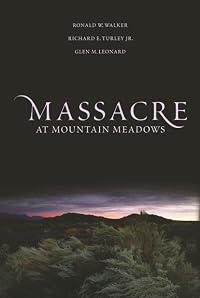
Concerning one of the greatest blots on LDS history, Turner comes down on the side of those who believe Young tried to prevent the Mountain Meadows Massacre, but then after the massacre had occurred did his utmost to conceal the reality of what happened and protect the perpetrators. This view seems to be the one most popular these days, replacing the prior view that Young ordered the massacre.
There are some errors, such as on page 160, where Turner refers to "the biblical twelve sons of Joseph," rather than Jacob, an error that is somewhat embarrassing in a book where religion is such a central factor.
Minor errors don't diminish the great value of this biography, and anyone interested in LDS history in general or Young in particular should read it. show less
Even for readers who already know something about Young, John Turner's biography will reveal much new information. It portrays him in all his aspects, particularly the "American Moses" who kept the LDS church viable after Joseph Smith's assassination and led his people through immense suffering to the promised land of the Great Basin. He was a driven and energetic man who could not only lead a religion and build an economically and politically strong culture, but had the time show more for at least 55 wives and 58 children, pages 375-376.
Turner writes about the familiar aspects of LDS history, such as Joseph Smith's introduction of "the principle" of plural marriage and the longtime attempts to keep the practice secret, but brings out less familiar history, such as members, and even the apostles, drinking alcohol. For example, see page 173.
In addition to Young's extraordinary virtues, Turner writes about many of his failings, which were all too human, such as his often foul and intemperate language, his payment of bribes, and much worse, such as his ordering the murder of people he considered LDS enemies.
Concerning one of the greatest blots on LDS history, Turner comes down on the side of those who believe Young tried to prevent the Mountain Meadows Massacre, but then after the massacre had occurred did his utmost to conceal the reality of what happened and protect the perpetrators. This view seems to be the one most popular these days, replacing the prior view that Young ordered the massacre.
There are some errors, such as on page 160, where Turner refers to "the biblical twelve sons of Joseph," rather than Jacob, an error that is somewhat embarrassing in a book where religion is such a central factor.
Minor errors don't diminish the great value of this biography, and anyone interested in LDS history in general or Young in particular should read it. show less
Biography of the man who took Mormonism from its genesis with Joseph Smith to near-control of Utah, and managed its Weberian transition from being led by a prophet to being led by a church, with an administrative hierarchy capable of surviving in the long term. Young is not larger than life; he makes many mistakes, mostly financial; he has complicated relationships with his multiple wives, some of whom seem to be married out of convenience and others for passion; he says contradictory things about women over time, but always stays racist; he gets crankier as he gets older; he supports the slaughter of non-Mormons in various circumstances and then gets cagey about it in order to keep the federal government’s heavy hand from coming show more down. Turner repeatedly notes that Young’s positions weren’t unique in his time—though massacring a bunch of white Protestants and getting away with it was pretty unusual. I should probably read a biography of Smith for comparison. show less
Well balanced portrait of the Mormon leader. Good coverage of post-Joseph Smith history of the LDS church for the novice or expert.
Really 3.5. This is a thorough book and Turner is surprisingly generous in his explanations of certain episodes. But I didn't get the feeling that this was something that he enjoyed. And, I'll admit it, I enjoy Brigham Young (foibles, errors, and all). So maybe this style of book just wasn't for me.
Super informative. I learned so much about Utah and other things like Joshua tree from this book
Members
- Recently Added By
Lists

Best in Mormon History
44 works; 2 members
Author Information
6+ Works 370 Members
Some Editions
Awards and Honors
Awards
Distinctions
Common Knowledge
- Original publication date
- 2012
- People/Characters
- Brigham Young
Classifications
- Genres
- Religion & Spirituality, Nonfiction, Biography & Memoir, History, General Nonfiction
- DDC/MDS
- 289.3092 — Religion Christian denominations Other denominations and sects Mormonism Biography And History Biography
- LCC
- BX8695 .Y7 .T87 — Philosophy, Psychology and Religion Christian Denominations Christian Denominations Protestantism Other Protestant denominations Mormons. Church of Jesus Christ of Latter-Day Saints
- BISAC
Statistics
- Members
- 156
- Popularity
- 210,103
- Reviews
- 8
- Rating
- (3.75)
- Languages
- English
- Media
- Paper, Audiobook, Ebook
- ISBNs
- 10
- ASINs
- 2